

Participants at the Platinum Shippers Breakfast Meeting organized by the Ghana Shippers’ Authority (GSA), have called for extensive stakeholder engagement and sensitization on the proposed reforms to the certification and verification procedures that govern the importation of measuring and weighing devices used in commercial activities, as well as the implementation of the EasyPASS reforms.
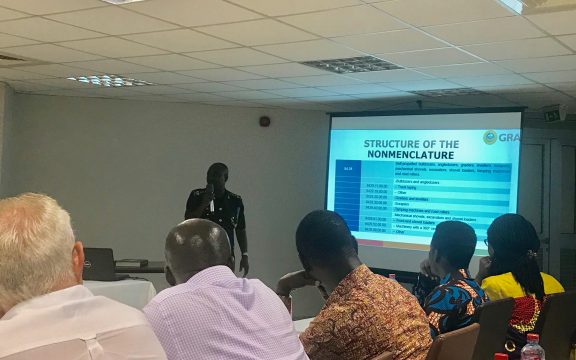
 The call was made during the meeting after a representative of the Ghana Standards Authority – Mr. Emmanuel Asare, Head of Imports – briefed participants on planned revisions to the prevailing procedures to strengthen the regulatory framework for imported measuring and weighing equipment across various sectors.
According to the Ghana Standards Authority, with effect from 1st July 2026, all applications for the EasyPass Pre-Export Verification of Conformity (PVOC) must be submitted through the Ghana Standards Authority’s new EasyPass portal. Under this arrangement, the Ghana Standards Authority will monitor and manage the entire process, from application submission through to the issuance of the certificate.
 Participants were further informed about the revised procedure for the pattern approval of weighing and measuring devices and their importation, which is scheduled to commence on 1st August 2026. They were also informed that Pattern Approval is a regulatory process in which the Ghana Standards Authority as the National Metrology Institute, evaluates and approves the design of a weighing or measuring instrument model before that model can be imported, sold, or used for trade purposes in the country. Pattern Approval builds trust, prevents fraud by design, and ensures fitness for trade use.
The Ghana Standards Authority explained that the reforms are part of an ongoing effort to align industry practices with national and international standards, and thereby enhance confidence and integrity in commercial operations.
 While stakeholders welcomed the Authority’s efforts to improve standards and strengthen regulatory compliance, they expressed concern about their limited awareness of the proposed policy changes. Several participants indicated that they had not received adequate information regarding the reforms and their potential implications for their operations.
 The Head of Shipper Services & Trade Facilitation at the Ghana Shippers’ Authority, Mrs. Monica Josiah, added her voice to those of the Platinum Shippers, and appealed to the Ghana Standards Authority to postpone the implementation of the policy and intensify stakeholder consultations and public education to enable a smooth implementation. She underscored that it is imperative for stakeholders to understand the objectives, requirements, and practical implications of the proposed reforms before they are rolled out. Such a consultative approach, she asserted, would help to secure stakeholder buy-in and facilitate an effective and mutually beneficial implementation of the proposed revision of the regulatory procedures.
 In response, the Ghana Standards Authority assured participants that the implementation process would be preceded by extensive and tailored stakeholder consultations and engagement sessions and would be undertaken in collaboration with the Ghana Shippers’ Authority.
 The consensus arrived at illuminated the importance of continuous collaboration between regulators and industry stakeholders in the formulation and implementation of policies aimed at improving trade facilitation, regulatory compliance, and sustainable growth within Ghana’s shipping, logistics, and commercial sectors.