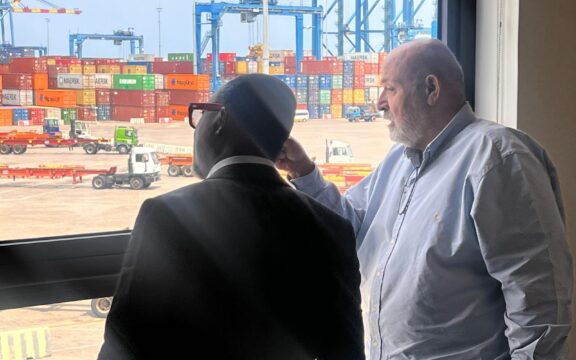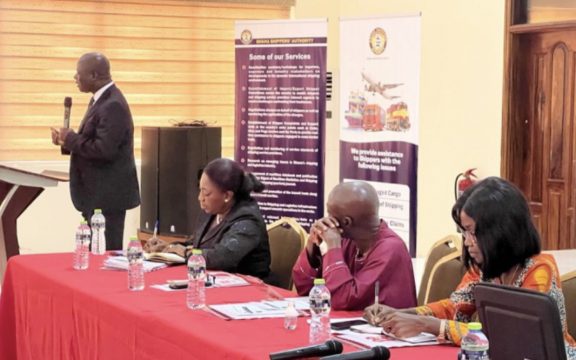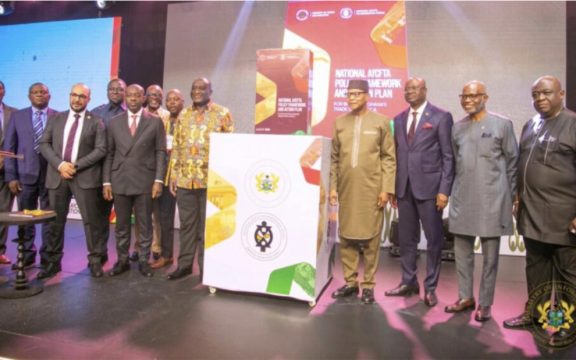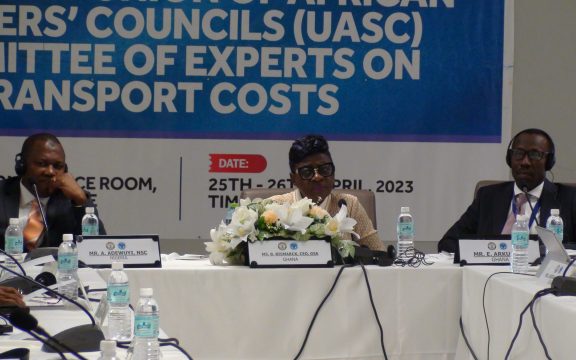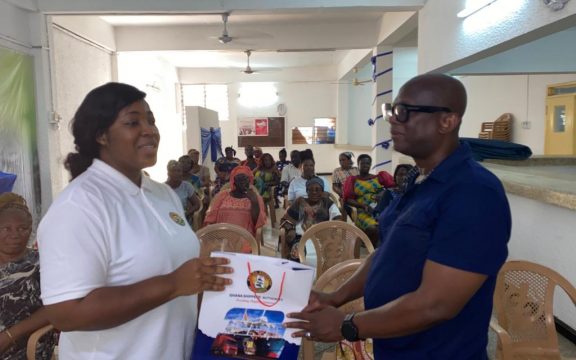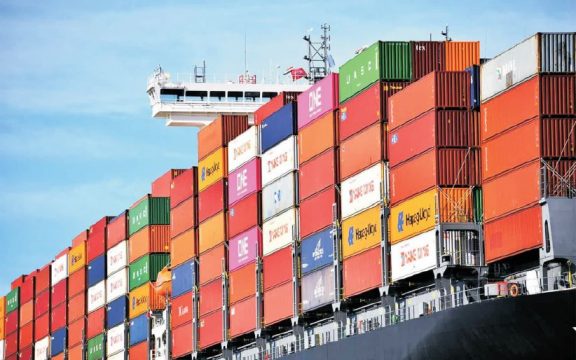


For many African businesses, the journey of cargo does not end when a vessel docks at the port. It often continues through a maze of charges, fees and administrative costs that importers and exporters say are becoming increasingly difficult to explain and even harder to absorb. Across the continent, frustration is growing over what industry players describe as arbitrary charges imposed by some international shipping lines, a development many fear is quietly inflating the cost of trade and weakening Africa’s competitiveness.
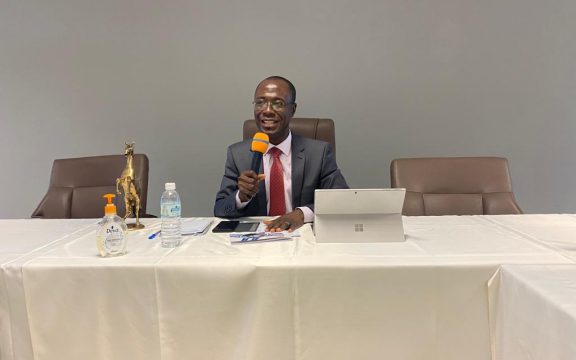
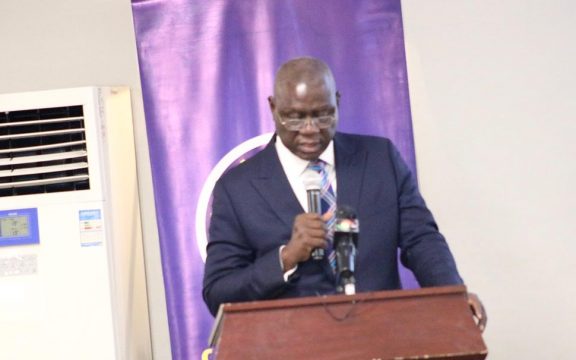
It is this growing concern that has prompted the Chief Executive Officer of the Ghana Shippers’ Authority (GSA), Ransford Gyampo, to call for stronger continental collaboration to confront what he describes as unfair and excessive charges within the shipping industry.
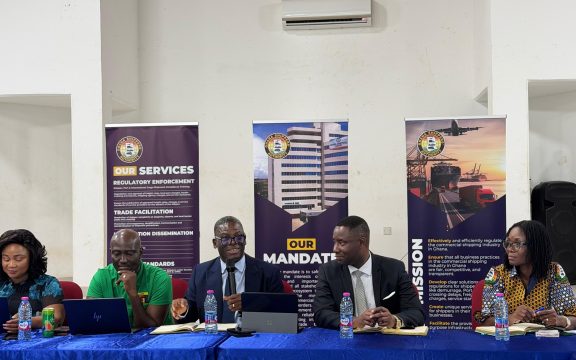
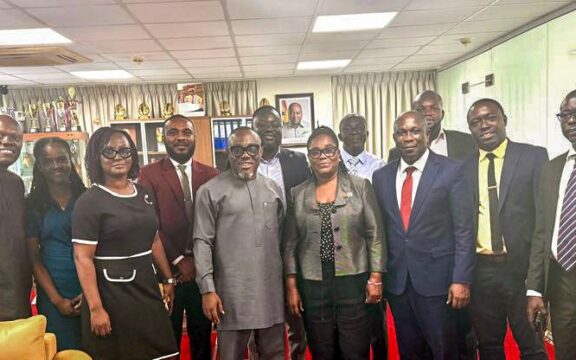
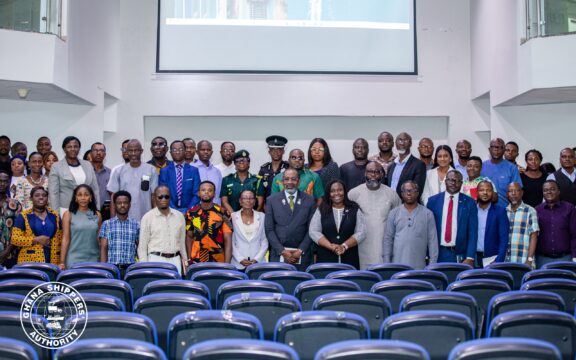
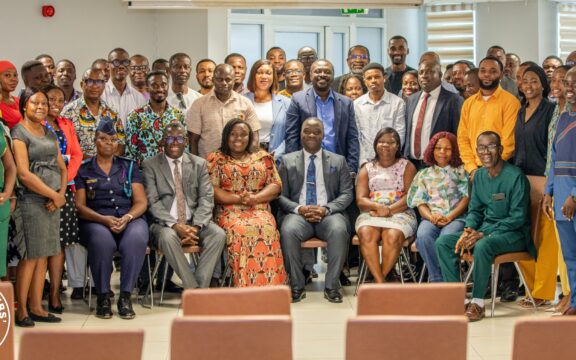
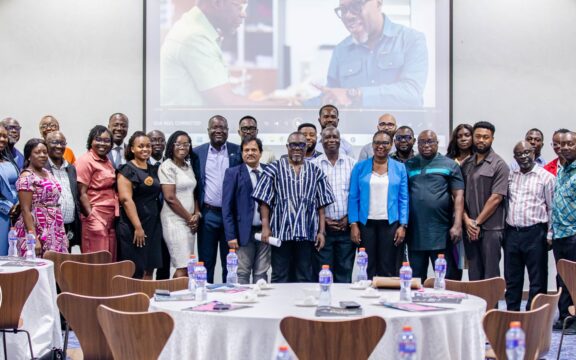
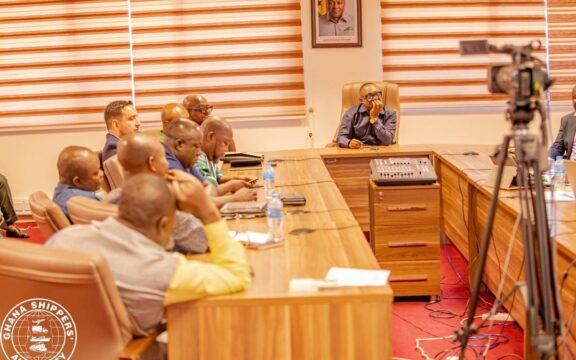
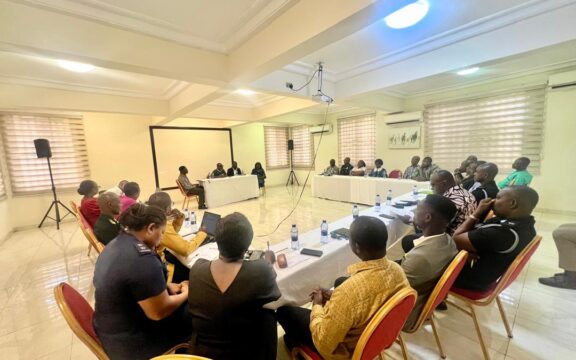
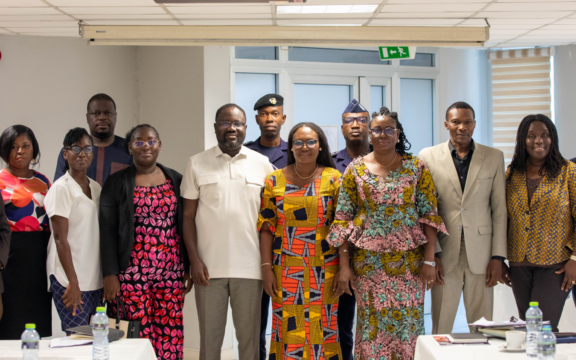
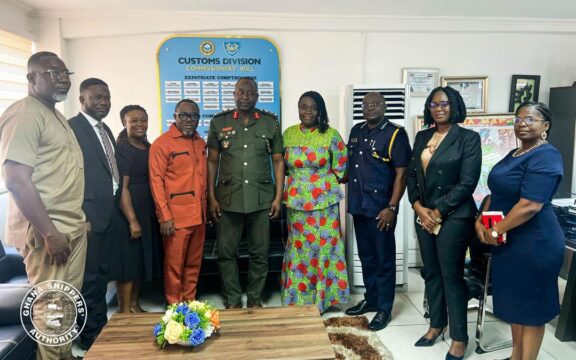
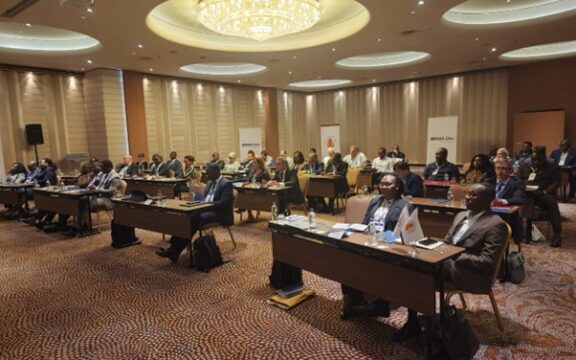
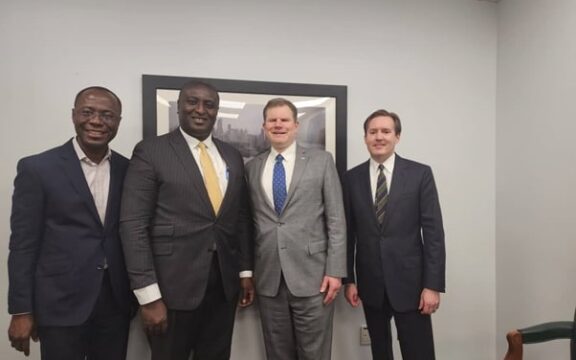
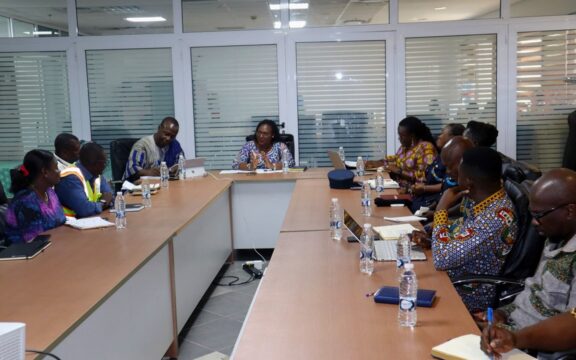
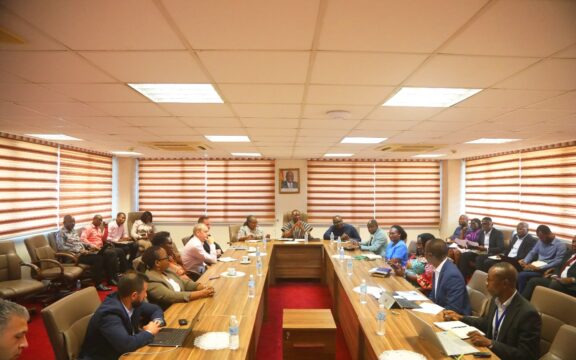
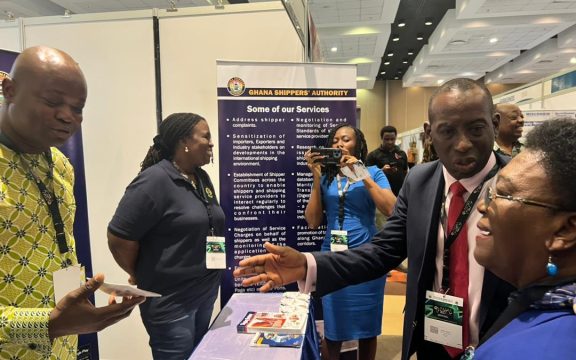
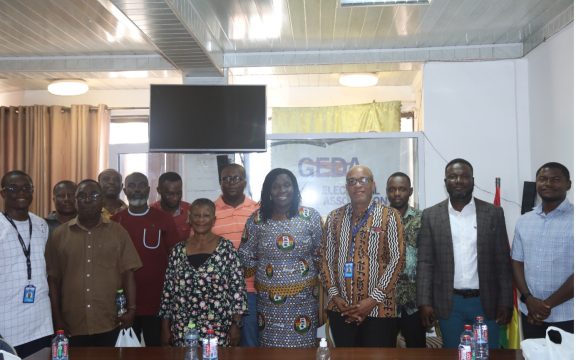
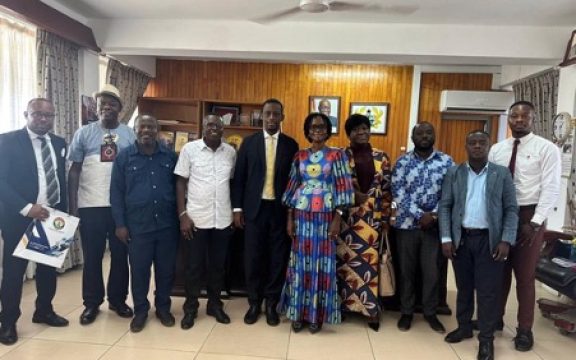
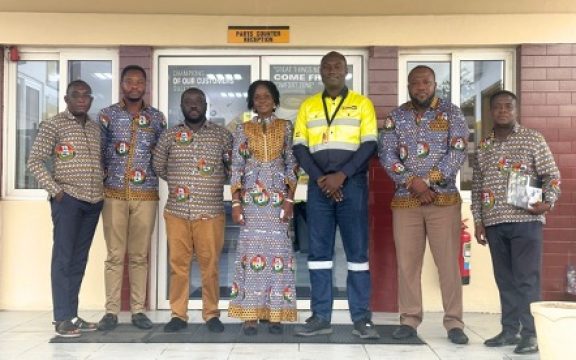
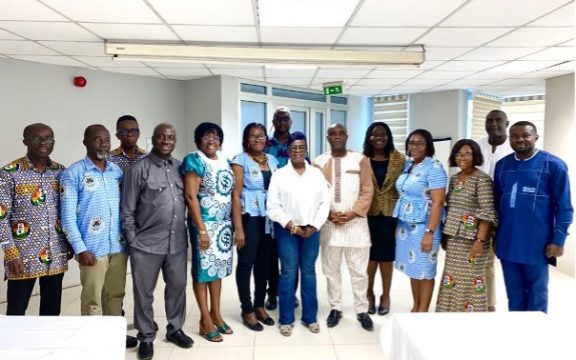
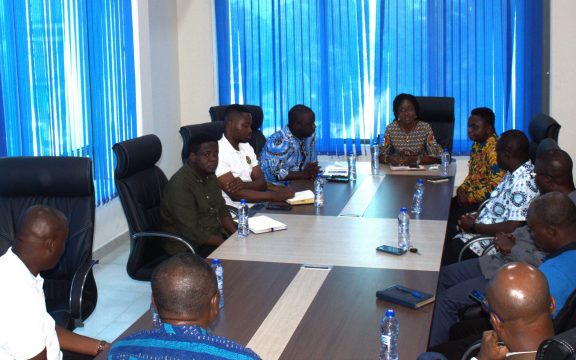
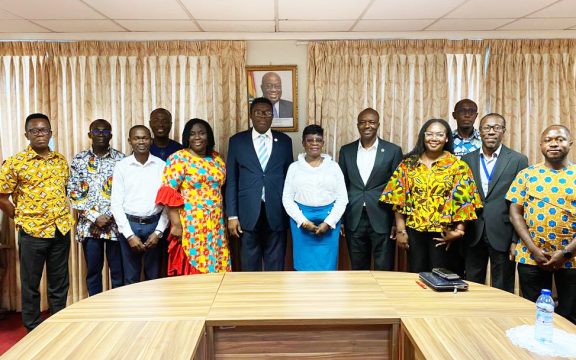
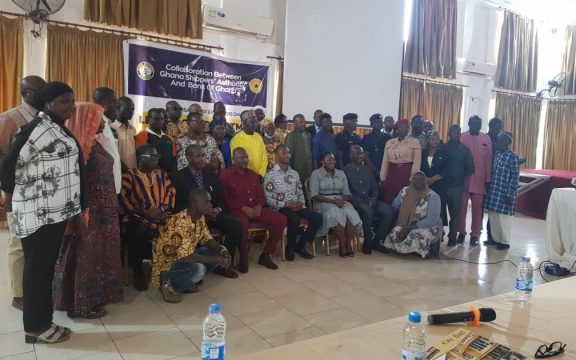
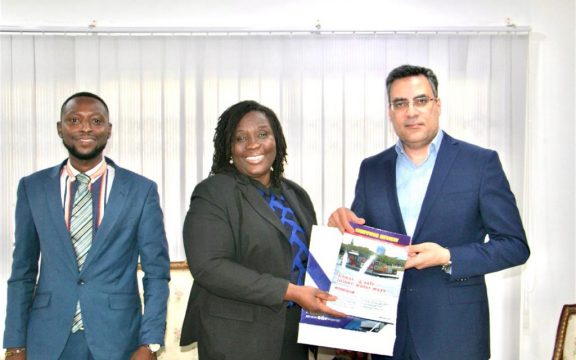
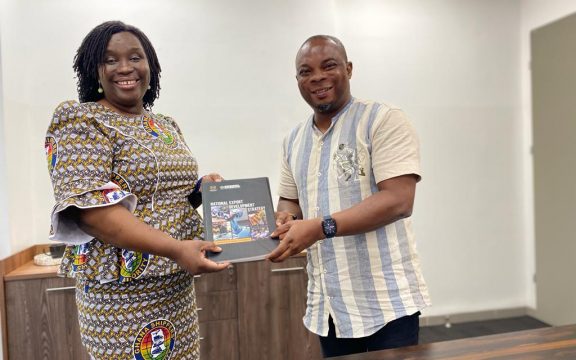
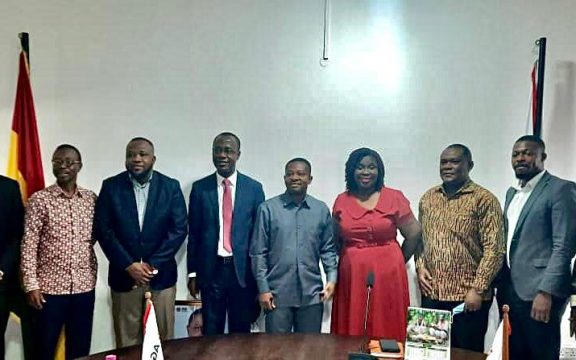
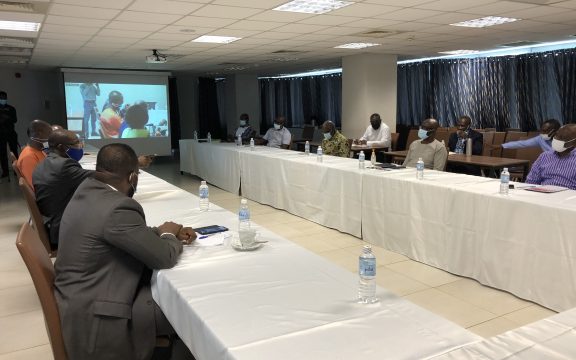
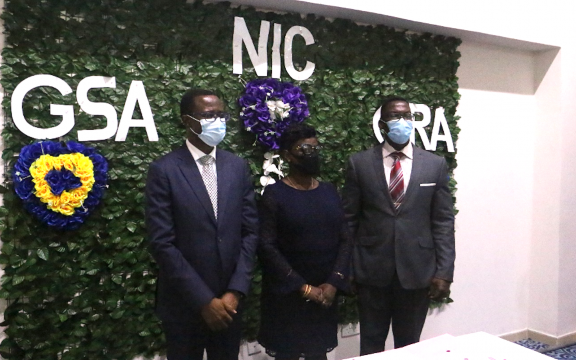
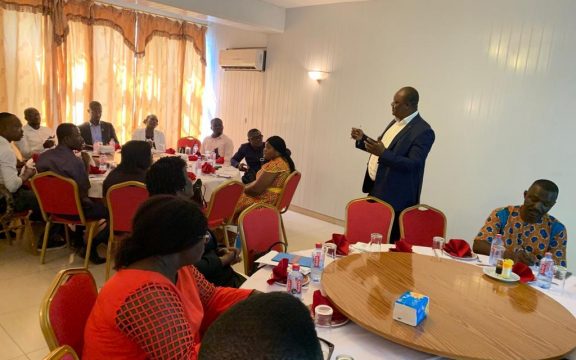
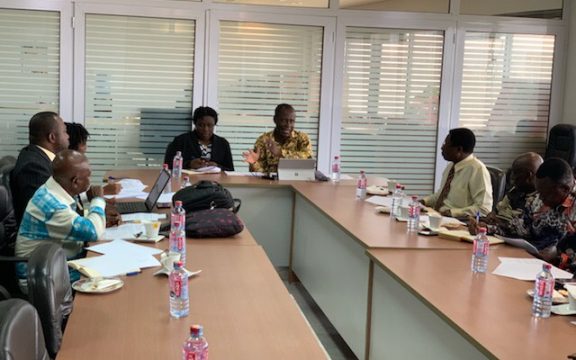
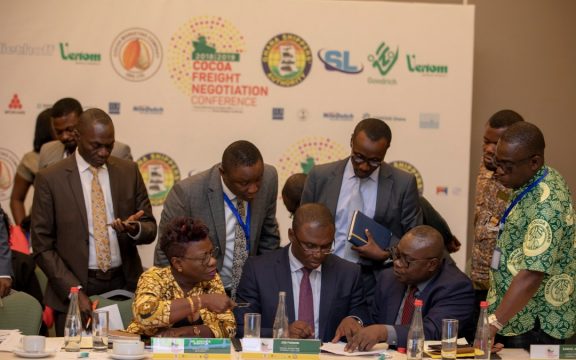
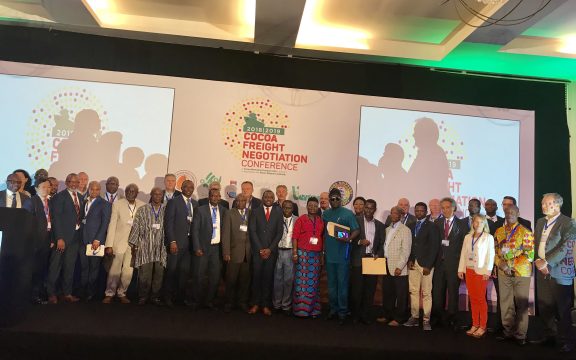
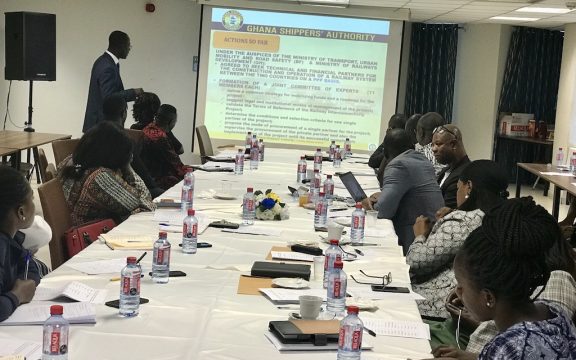
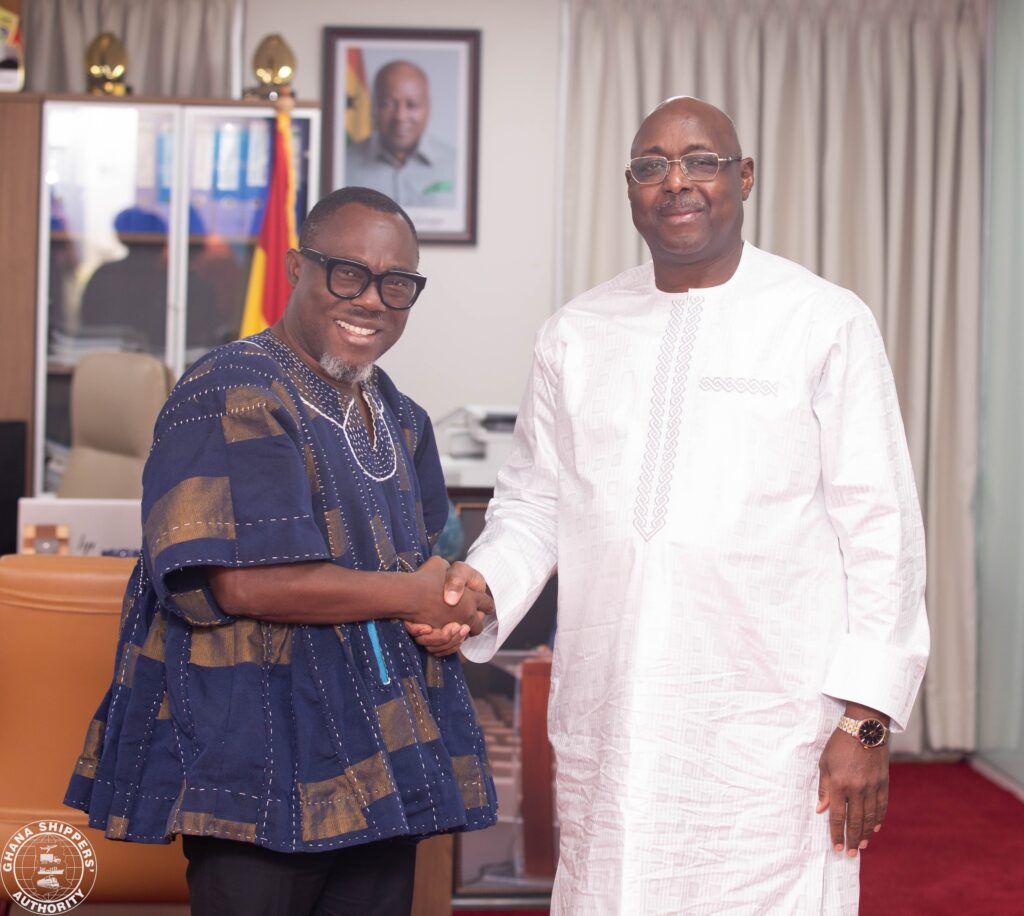 The call came during a working visit to the GSA in Accra by the Secretary General of the Union of African Shippers’ Councils, Abbba Kafougou Abdourahamane, ahead of the Union’s Steering Committee meeting scheduled to take place in Ghana in July 2026.
Prof. Gyampo expressed concern over the absence of a united African front in dealing with arbitrary charges introduced by some global shipping operators. The fragmented approach adopted by many African countries, he noted, weakened the continent’s bargaining power and limits efforts to effectively challenge unfair practices within the shipping space.
He noted that Ghana had consistently pursued measures aimed at protecting shippers through stakeholder engagements, regulatory interventions and sustained advocacy for transparency and fairness in shipping related charges.
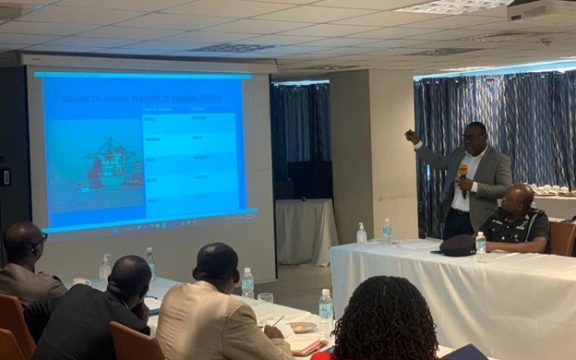
 Prof. Gyampo pointed to the recent decision to cap the Container Administrative Charge at GH¢720 per Twenty foot Equivalent Unit as part of those interventions. The new arrangement, which has already taken effect, replaces the previous charge of up to US$165 and converts the billing structure from dollars into cedis.
The intervention is expected to reduce volatility in cargo clearance costs and bring greater predictability to import and export transactions at the ports, particularly at a time when businesses are already grappling with rising operational costs.
Prof. Gyampo stressed that Africa’s response to arbitrary shipping charges must move beyond isolated national actions and evolve into a coordinated continental strategy. He therefore urged the UASC to deepen collaboration with member states and support collective efforts aimed at addressing the growing concern.
 Responding to the concerns, Mr. Abdourahamane commended Ghana for what he described as its active role in the campaign against arbitrary shipping charges on the continent.
He described Ghana as “a giant” in Africa’s efforts to challenge unfair shipping charges and assured the GSA of the UASC’s commitment to strengthening collaboration with the Authority.
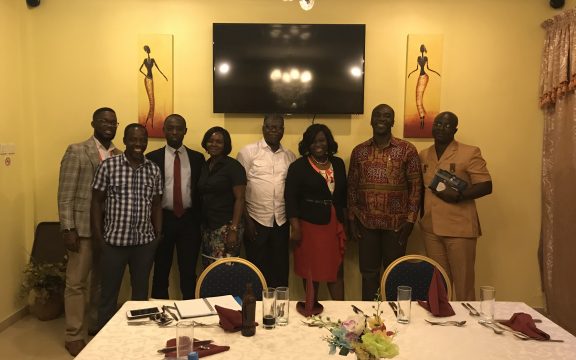
The UASC delegation included Etende Ondoa Aldric Olivier, Head of Finance and Accounting at the Secretariat General.
Officials of the GSA present at the meeting included Monica Josiah, Fred Asiedu Dartey and Bernice L. Natue.
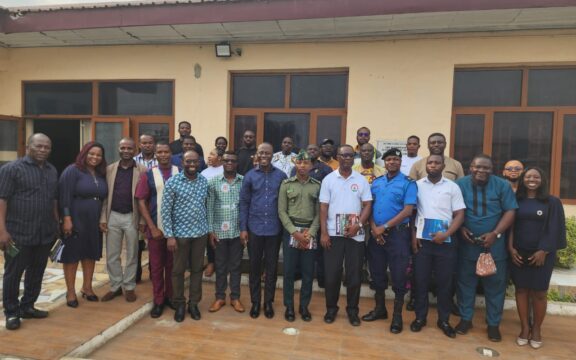
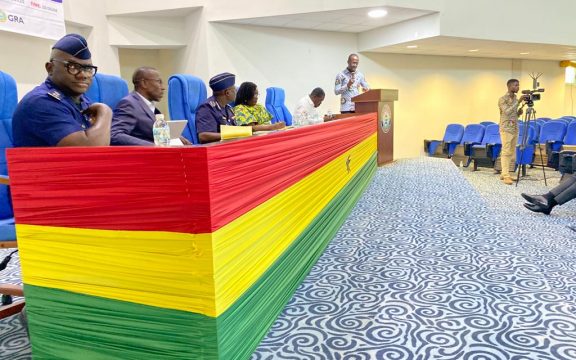
The visit formed part of preparations toward the UASC Steering Committee session expected to be hosted in Accra later this year.