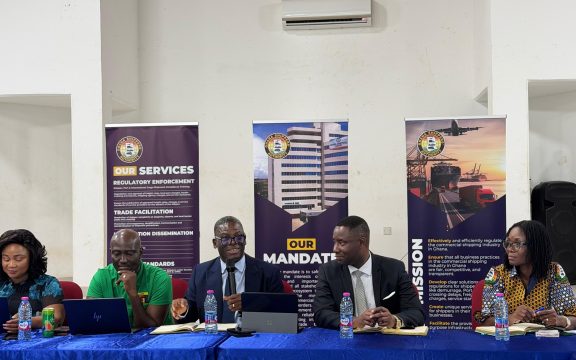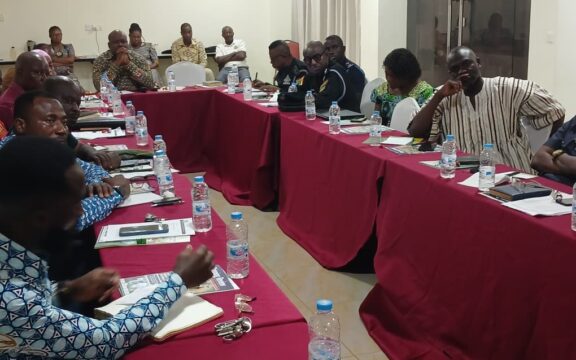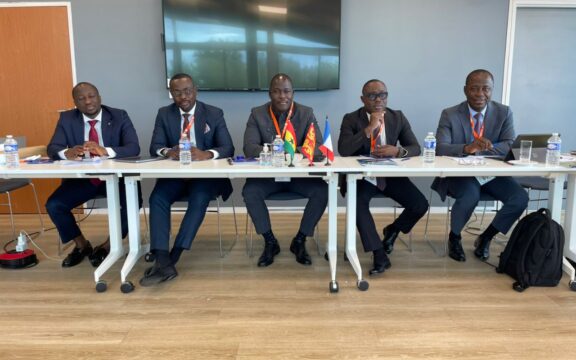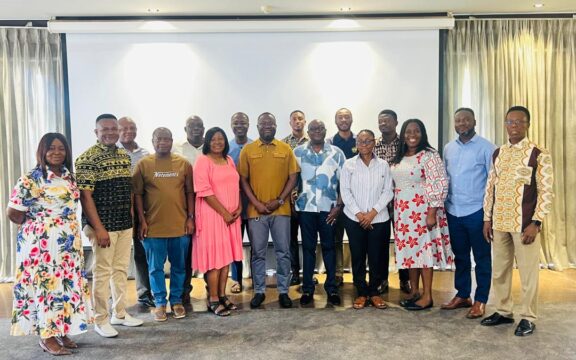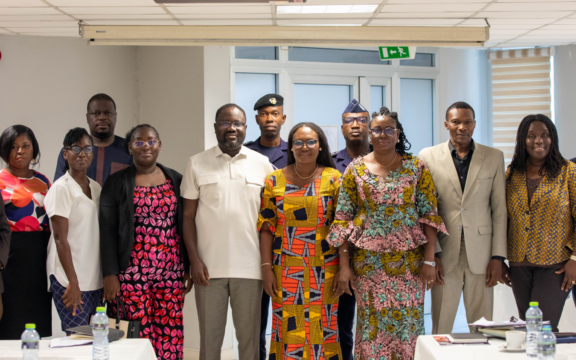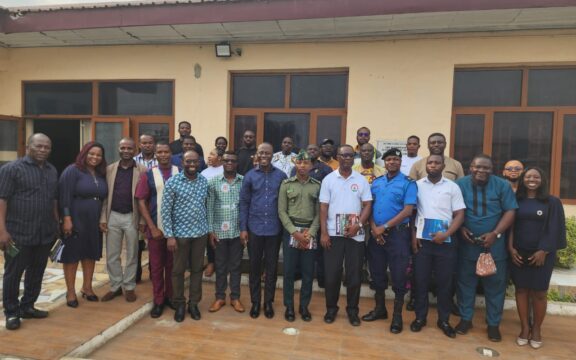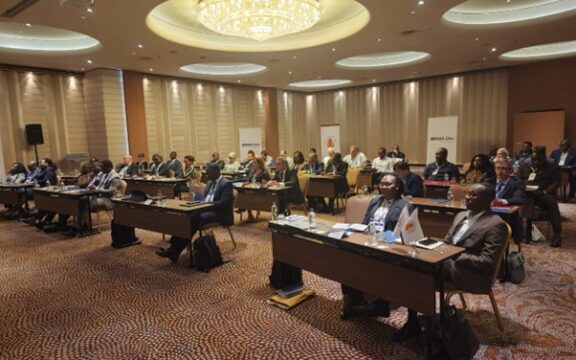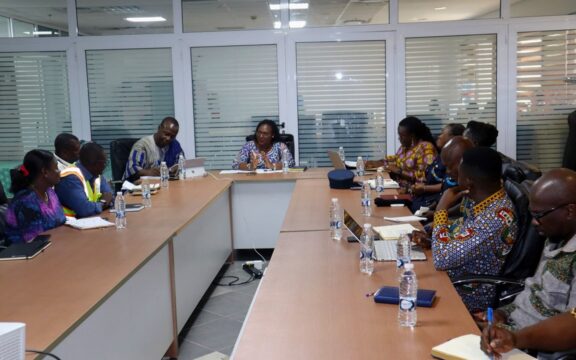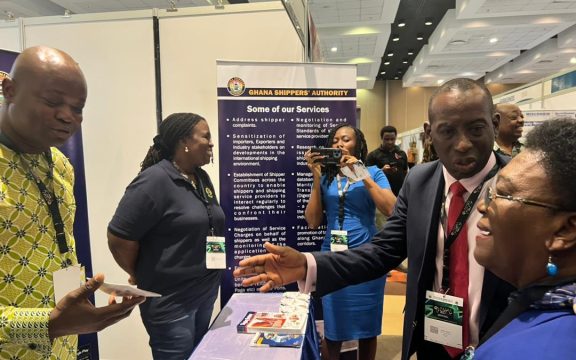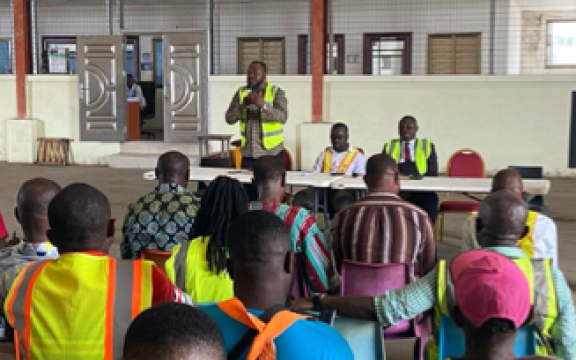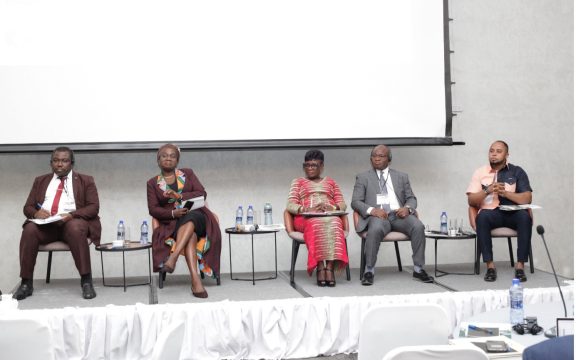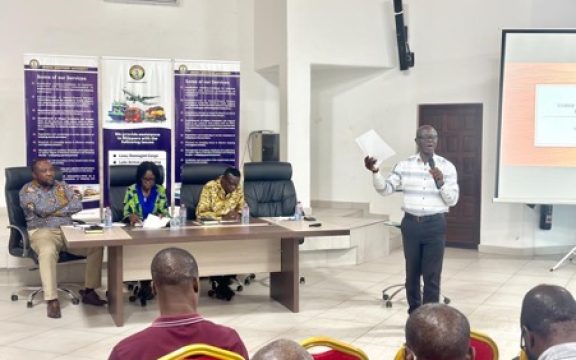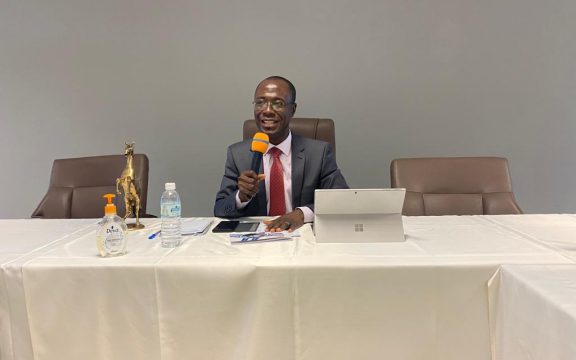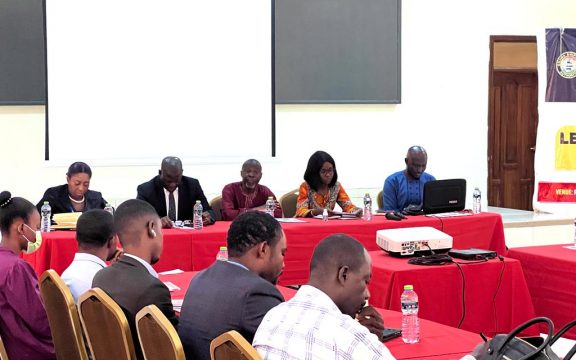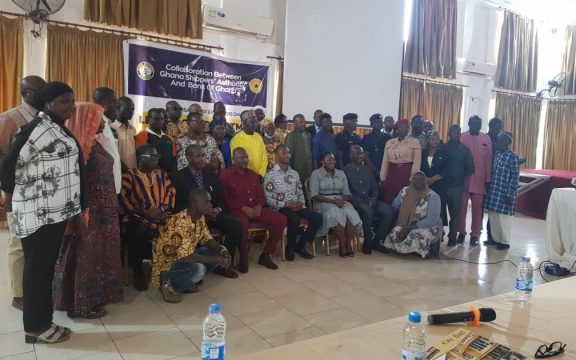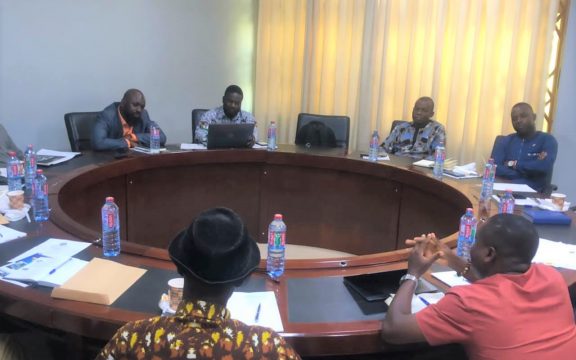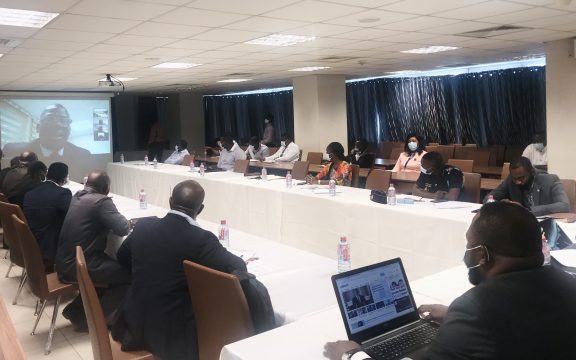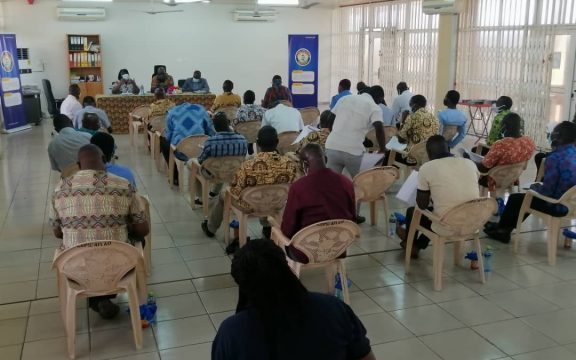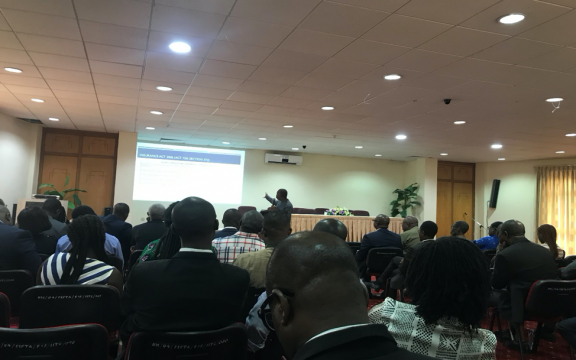


The Ghana Shippers’ Authority (GSA) and the Bank of Ghana (BoG) have extended their stakeholder engagements on Ghana’s revised export proceeds regime to the Middle Zone, taking the new Letter of Commitment (LOC) guidelines directly to exporters and other key stakeholders.
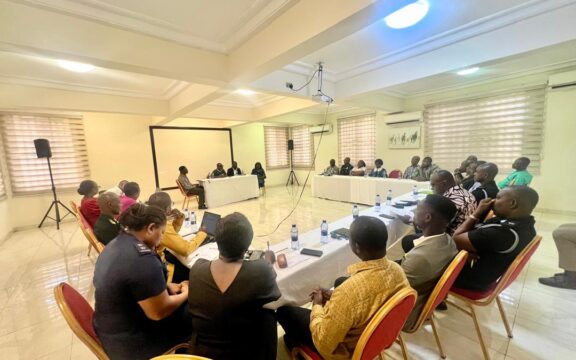
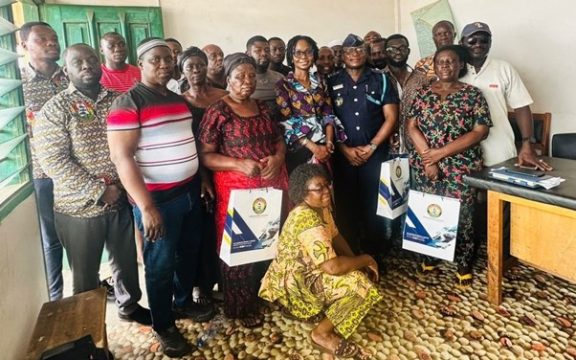
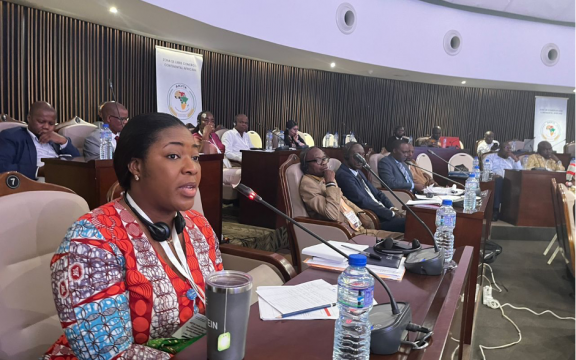
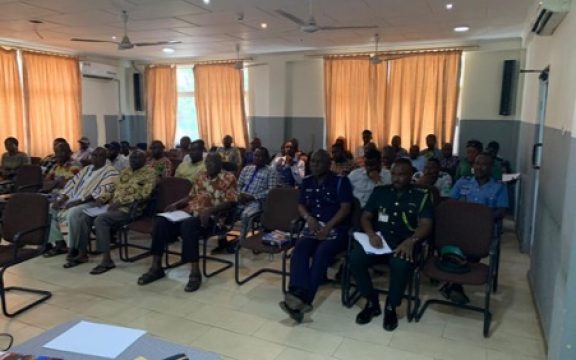
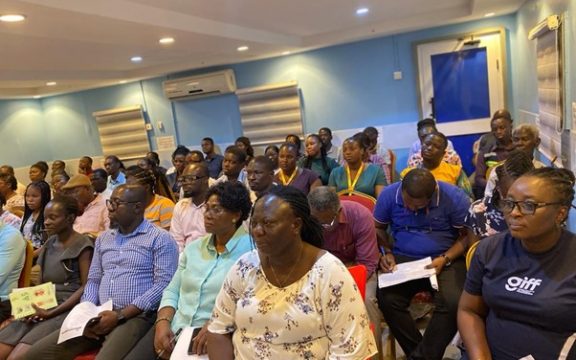
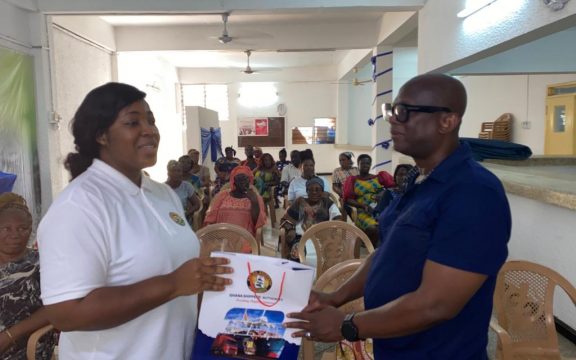
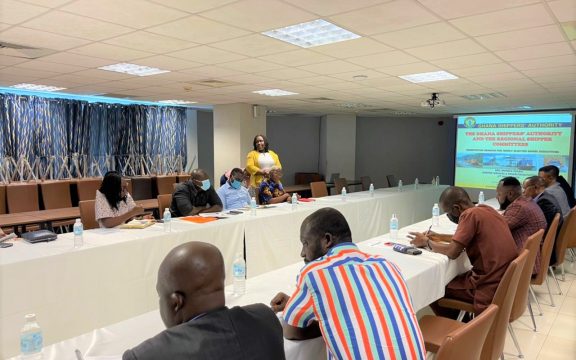
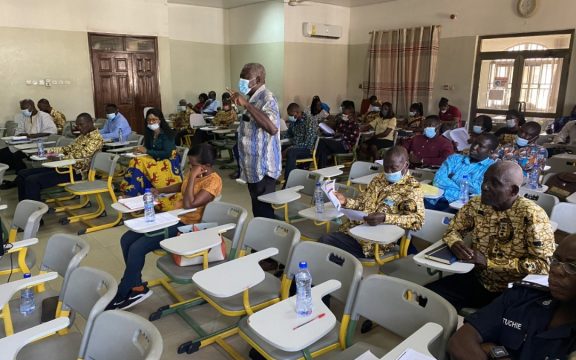
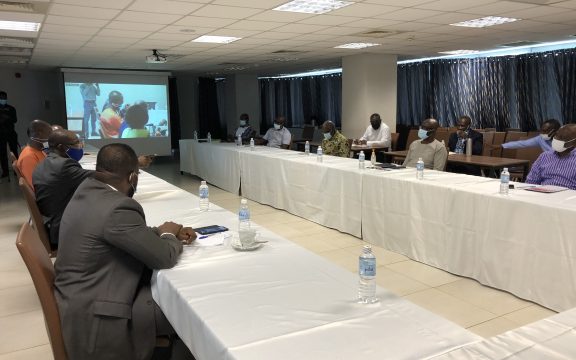
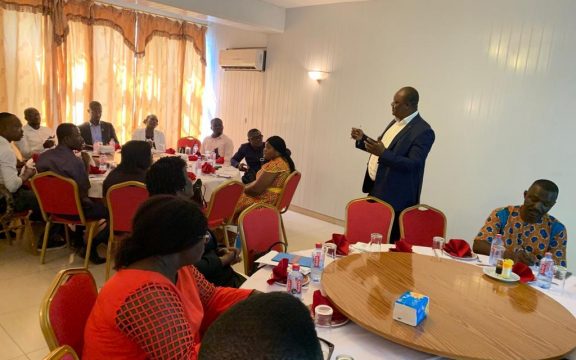
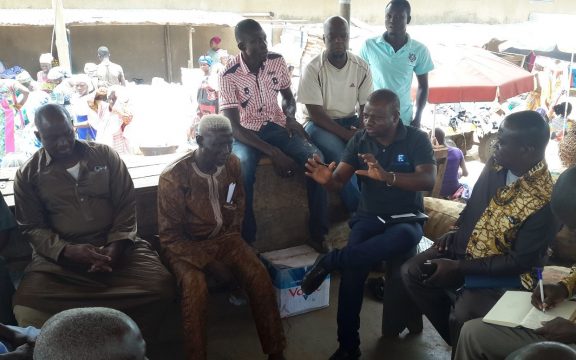
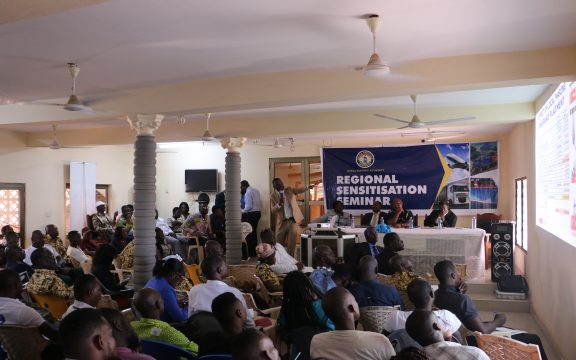
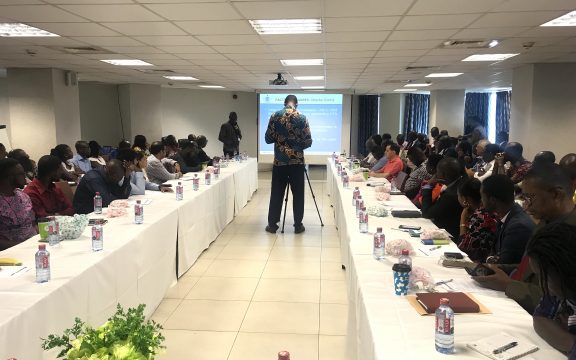
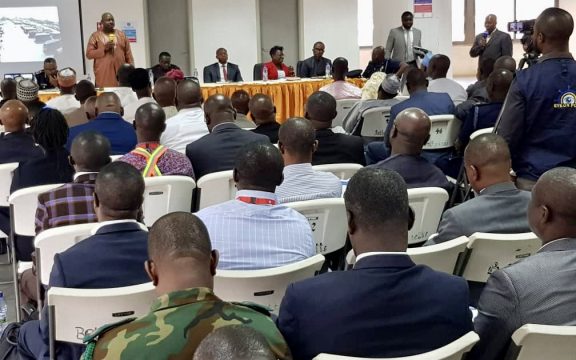
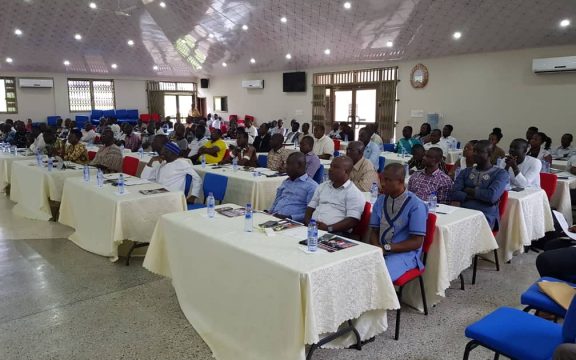
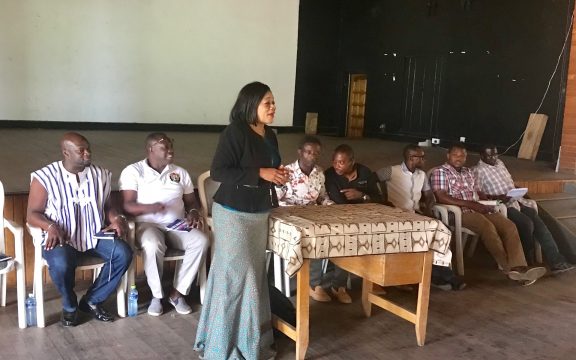
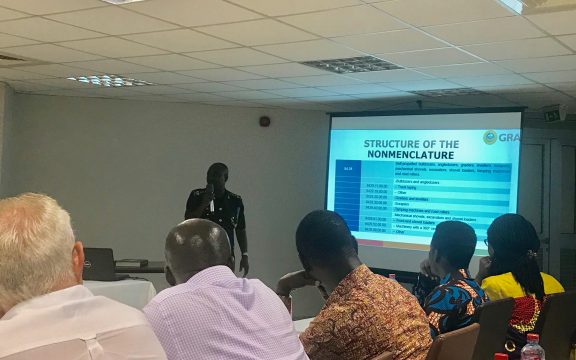
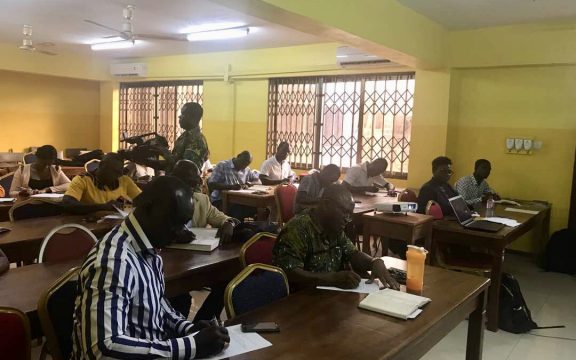
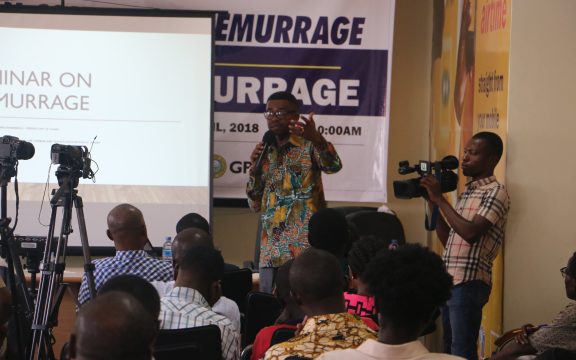
The latest engagements, held in Kumasi and Sunyani, provided exporters with an opportunity to understand the revised requirements, clarify issues surrounding the repatriation of export proceeds and raise practical concerns affecting their businesses.
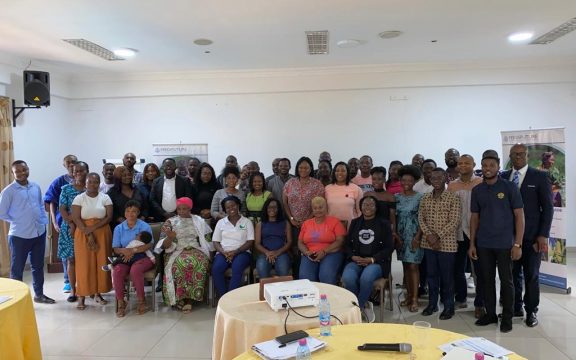
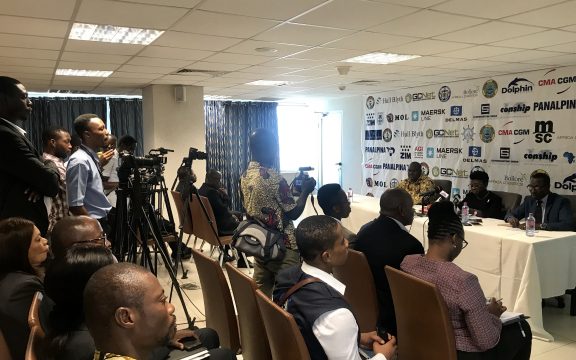
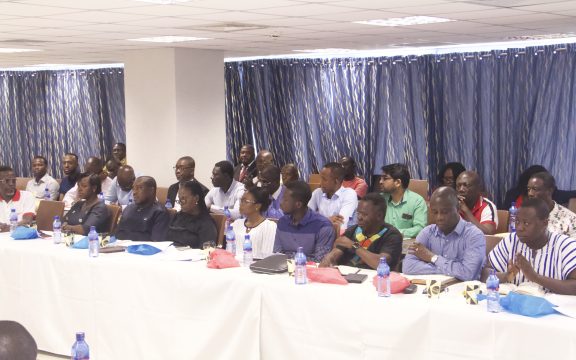
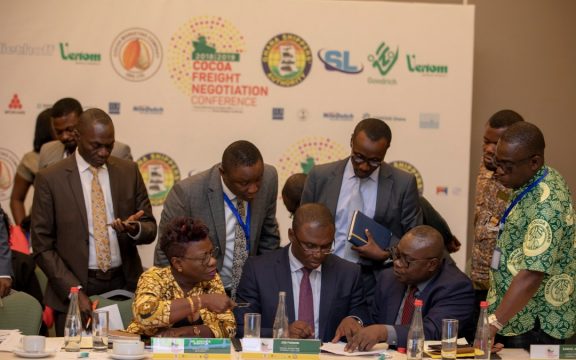
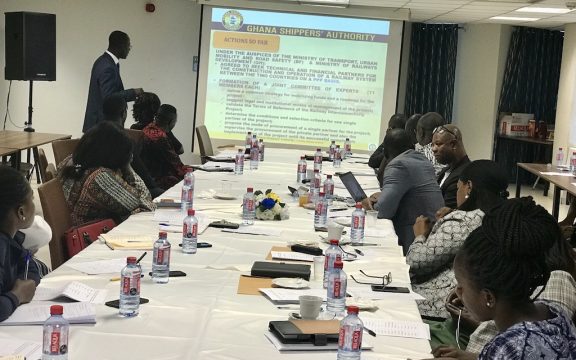
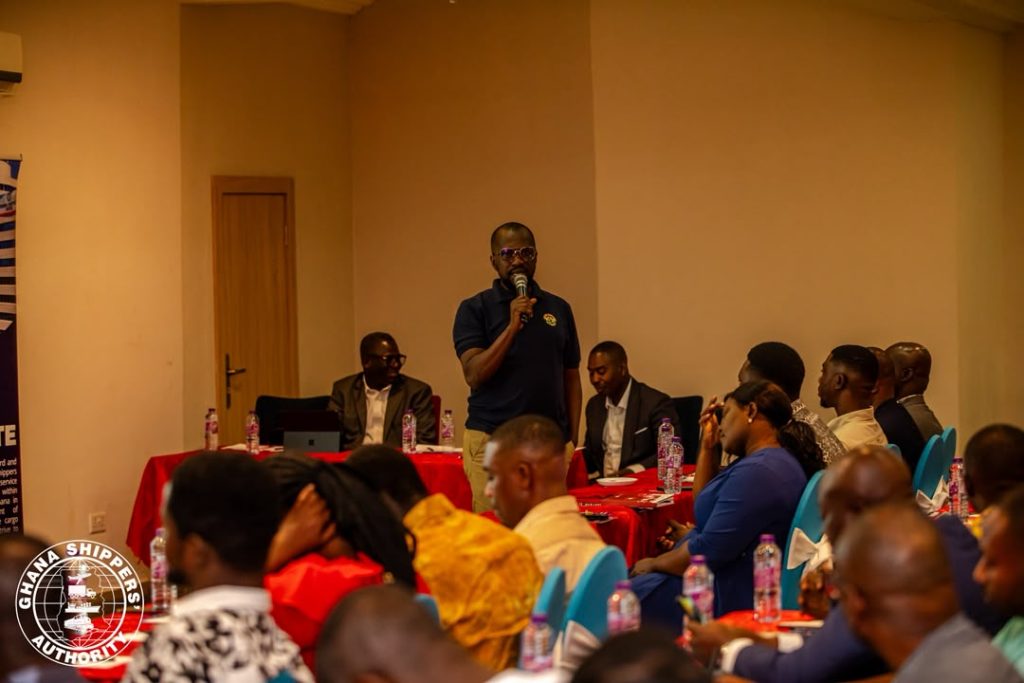 The sessions followed earlier sensitisation engagements held in Accra from 8th to 11th September 2026, as well as subsequent regional sessions in Cape Coast and Takoradi. The engagements brought together Exporters, Freight Forwarders, Customs Agents, commercial banks, Free Zone enterprises and trade associations, including the Association of Ghana Industries (AGI), alongside officials from the Ministry of Finance, GRA Customs Division and Ghana Link Network Services.
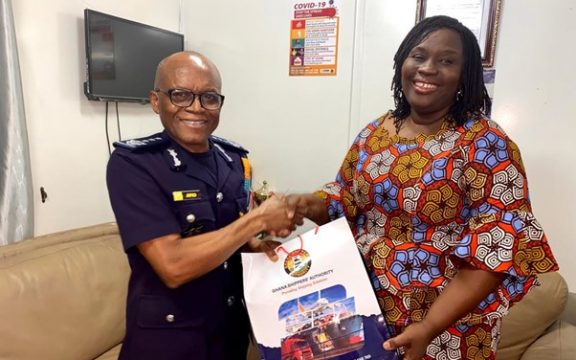
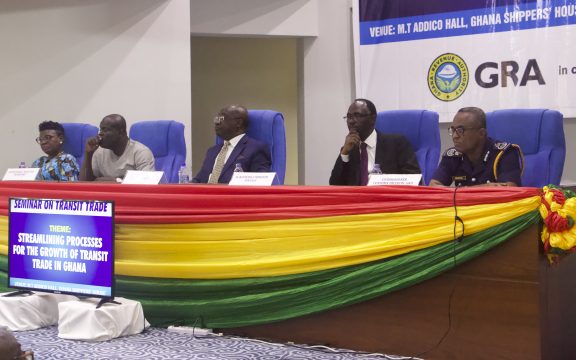
Hosted by GSA’s Middle Zonal Office, the engagements formed part of a broader nationwide initiative to take the revised LOC requirements directly to businesses engaged in Ghana’s export trade, complementing engagements with relevant institutions and service providers.
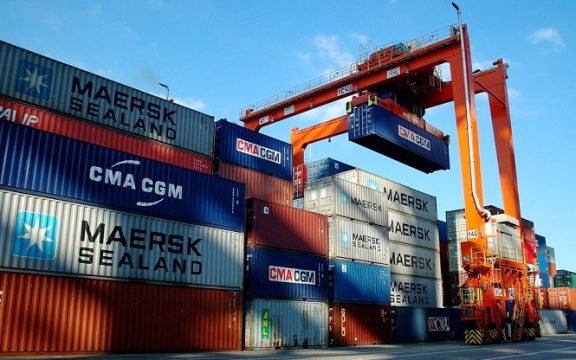
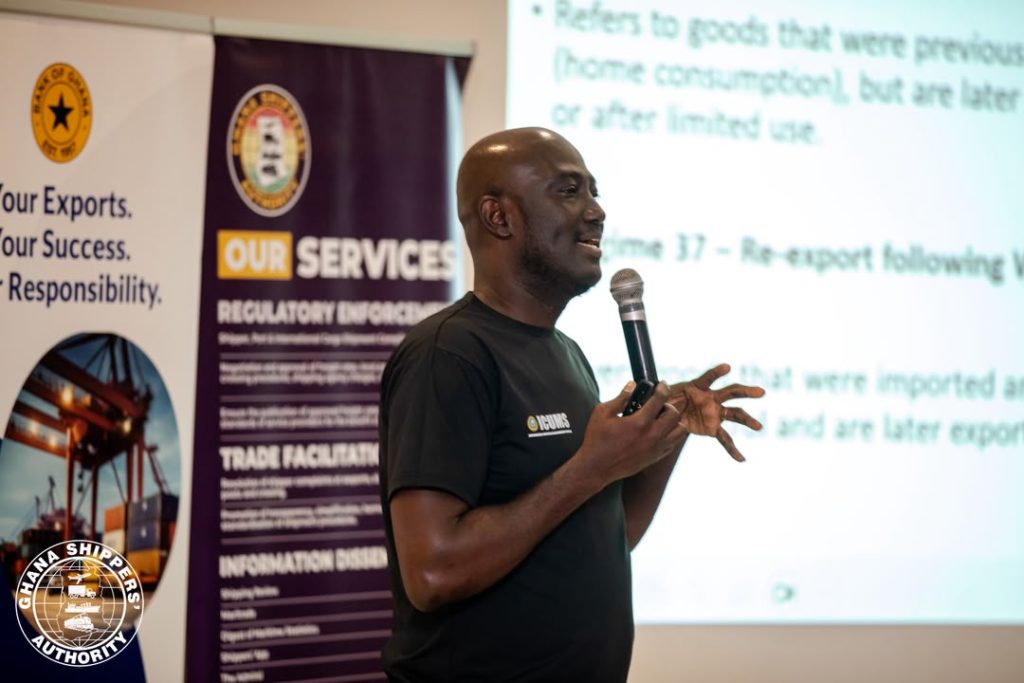 The Letter of Commitment (LOC) is an export document generated through the Integrated Customs Management System (ICUMS) for formal merchandise exports. It is designed to strengthen the monitoring of export transactions and ensure that proceeds from such transactions are repatriated through the formal financial system.
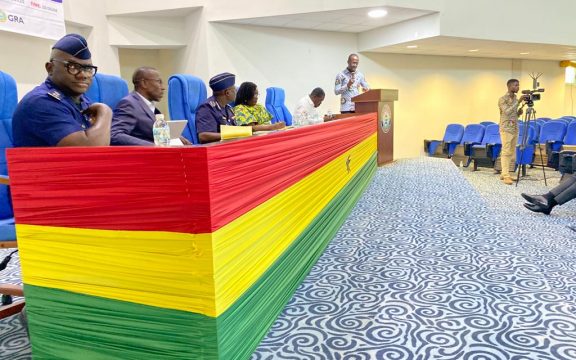
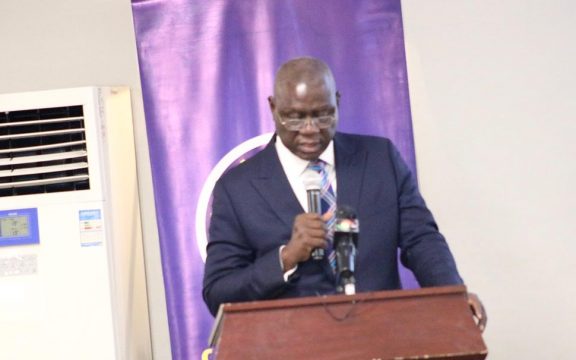
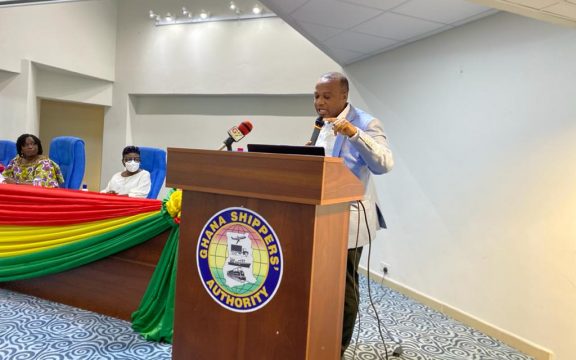
Opening the Kumasi session, GSA’s Middle Zonal Manager, Mr John Glover, described the Middle Zone as an important commercial and export hub, particularly because of the agricultural and agro processing activities across the Ashanti and Bono areas.
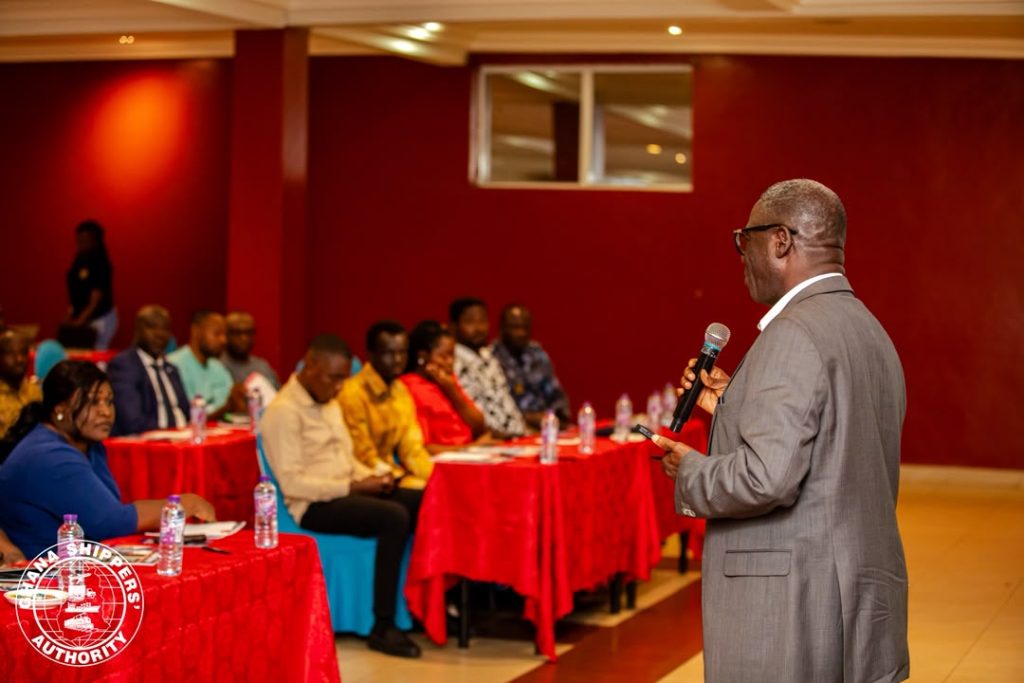 He stressed the importance of ensuring that proceeds generated from growing export activity returned through the formal financial system.
“Let us interact, ask questions and get to know what the Letter of Commitment means to our businesses,” he said.
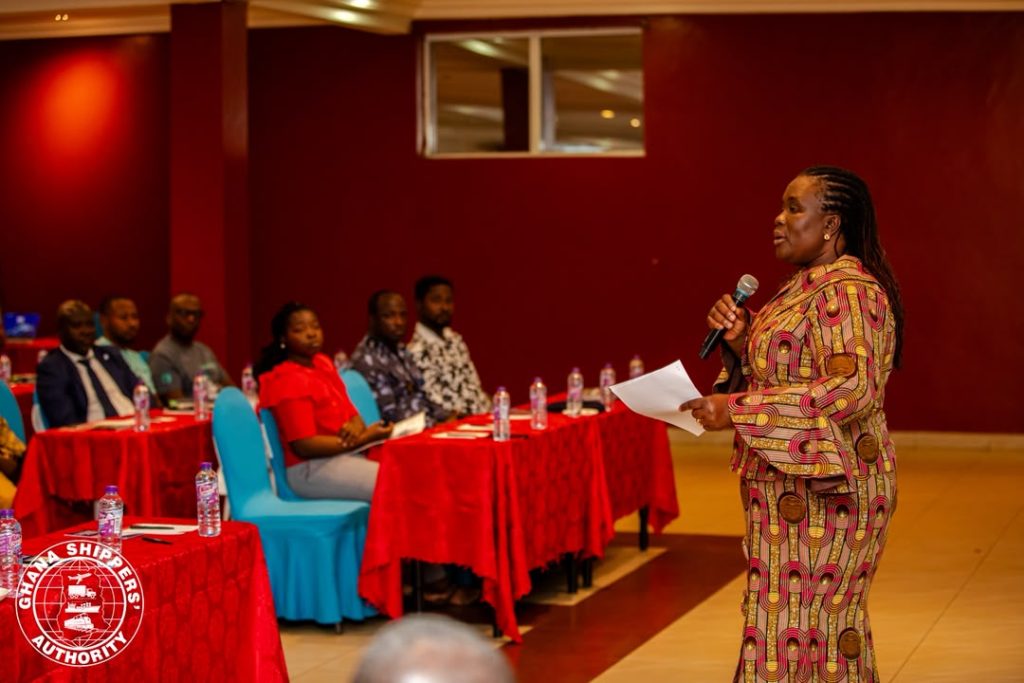
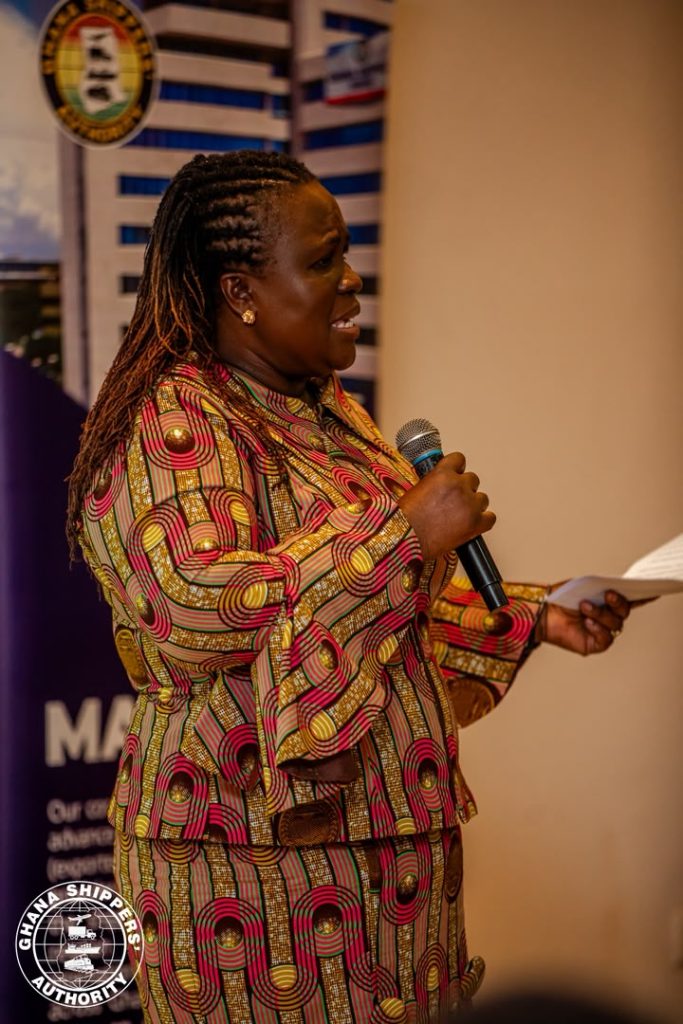
Speaking on behalf of the Chief Executive of GSA, Prof. Ransford Gyampo, the Head of Shipper Services and Trade Facilitation, Mrs. Monica Josiah, traced the development of the LOC regime and outlined some of the concerns raised by exporters over the years.
These included the earlier 60-day repatriation period, the blocking of subsequent exports for non conformity, differences in exchange rates applied by commercial banks and shipping service providers, as well as delays in accessing payments through some banks.
 She noted that a number of measures had since been introduced to address some of the concerns raised by stakeholders, including the extension of the repatriation period from 60 to 120 days for exports other than minerals. She also highlighted the 2025 directive requiring shipping service providers to apply commercial bank exchange rates rather than arbitrary rates, as well as the technical committee constituted by the BoG in February 2026 to review the LOC guidelines.
Mrs. Josiah encouraged exporters to view compliance not merely as a regulatory obligation, but also as an important contribution to the strength and stability of the national economy.
“As an exporter, your role is safeguarding the strength of our national currency. By repatriating your proceeds, you directly reinforce the resilience of our currency,” she said.
 For the BoG, the discussion centred on the link between export earnings, foreign exchange availability and economic stability. The Head of Foreign Banking Operations, Mr Eric Kweku Hammond, explained that foreign exchange earned through exports supported the payment for imports, the accumulation of reserves and the servicing of external obligations.
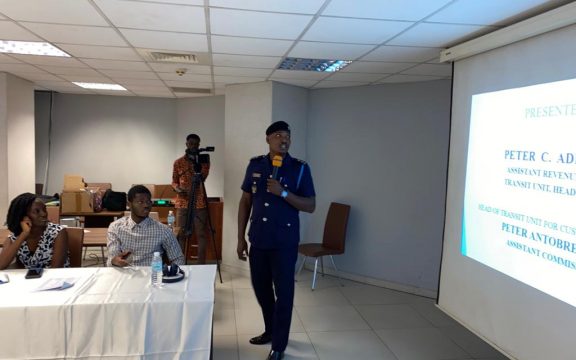
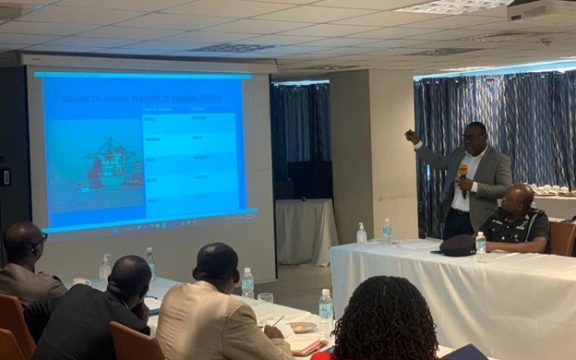
Presenting the revised guidelines, Mr. Pius Nkrumah of the BoG described the LOC as an export monitoring mechanism intended to promote transparency, accountability and the timely repatriation of export proceeds.
He emphasised that the measure was not intended to constrain legitimate trading activities in Ghana, but to strengthen monitoring and ensure compliance with the requirements governing export proceeds.
 He explained that Section 15 of the Foreign Exchange Act, 2006 (Act 723), requires export proceeds to be received through a bank, with non-compliance potentially attracting a fine of up to 5,000 penalty units, imprisonment of up to 10 years, or both.
He further clarified that the 120-day period begins when Customs exits the export declaration, irrespective of subsequent shipping delays. Exporters were also reminded that a new export could be blocked where an existing LOC had fallen into non-conformity.
The discussions also focused on the practical use of the ICUMS, with emphasis on the need for exporters to ensure that information submitted through the system is accurate and complete. A representative of Ghana Link Network Services, Mr. Lipton Baffour, took participants through key aspects of the system, including registration, bank nomination, LOC statuses and reports available to exporters.
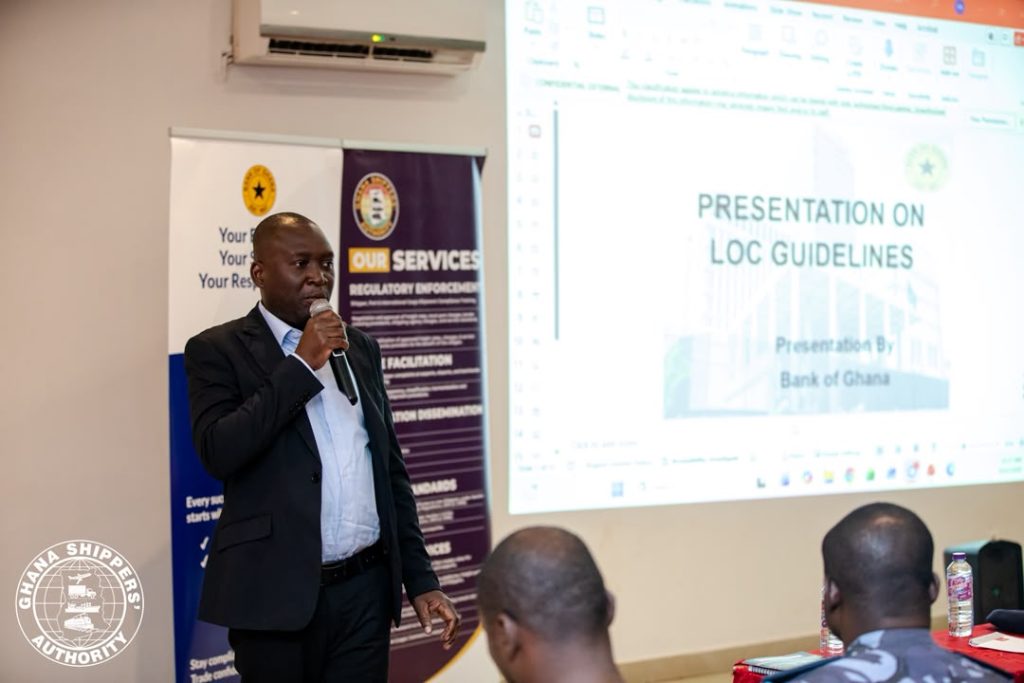 He further encouraged exporters to liaise directly with their banks regarding payments received and to ensure that invoices accurately reflected the underlying transactions.
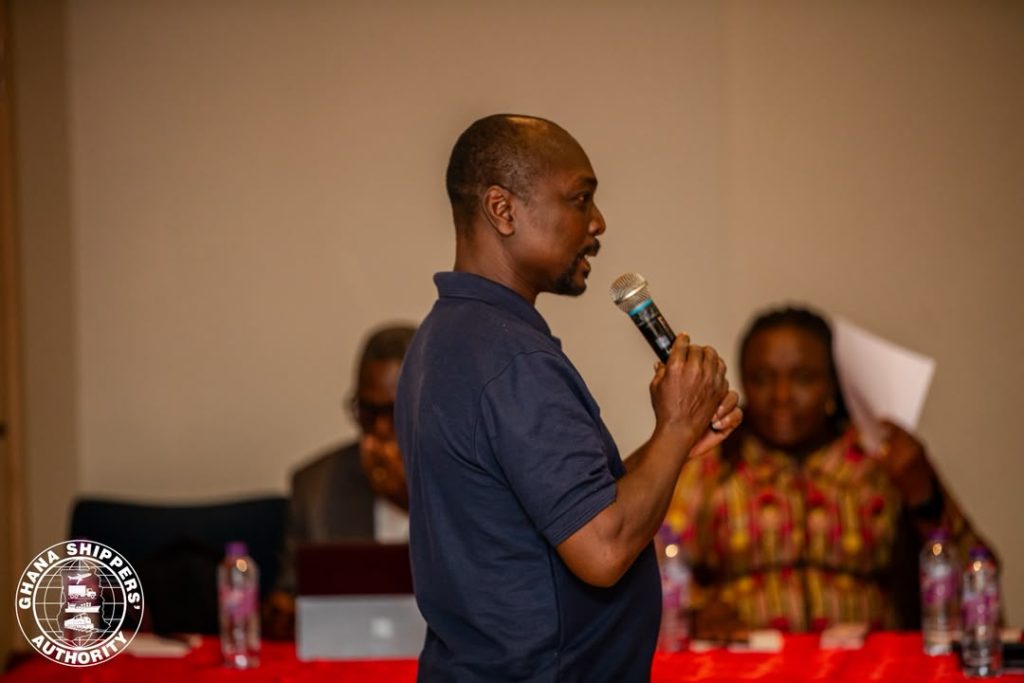
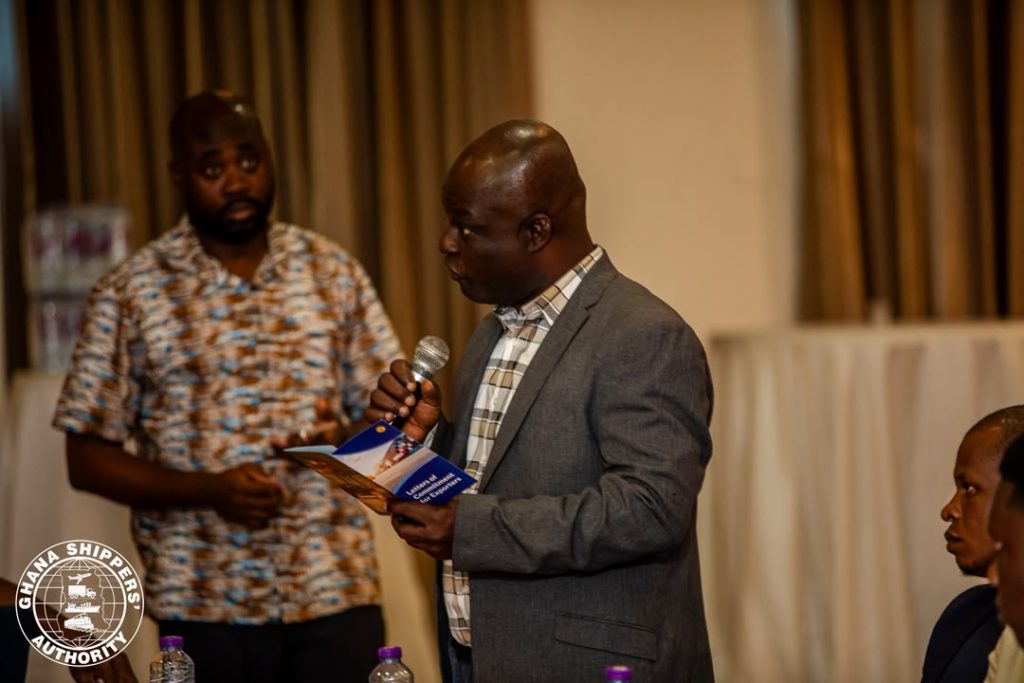
A key concern raised during the question-and-answer sessions was how errors in LOCs could be corrected at different stages of an export transaction. Participants were informed that the procedure for making corrections depends on the stage reached in the export process. The applicable process therefore differs depending on whether the export declaration has been submitted, whether the cargo has been released, or whether the goods have already left the country. Participants were encouraged to follow the prescribed correction process applicable to the stage of the transaction to ensure that the information captured in the LOC and related export documentation remains accurate.
 The issue of retention arrangements also generated discussion, particularly among Free Zone companies that import raw materials for production and subsequent export. The BoG team explained that eligible businesses could apply for approved retention arrangements through the appropriate government agency, with the arrangement subsequently reflected in their ICUMS profiles.
Participants also sought clarification on international payments, third-party transactions and the process of matching payments to specific export transactions. Exporters were advised to include the LOC reference number in the relevant SWIFT remittance information to facilitate the identification and reconciliation of incoming payments by banks.
 The sessions also addressed exceptional circumstances, including cases involving damaged or destroyed perishable goods, non-payment by buyers and minor shortfalls resulting from intermediary bank charges. Exporters were reminded that such cases would require relevant supporting documentation to enable the Bank of Ghana to assess and appropriately clear the affected transactions.
In his closing remarks, Mr. Hammond assured exporters that the regulatory institutions remained focused on education, guidance and compliance rather than punishment.
“Ever since we started, we haven’t sanctioned anybody. We have always used this approach to explain things and make people aware,” he said.
He encouraged exporters to make use of the available channels to raise concerns and seek clarification on transactions that could affect their compliance status, emphasising the importance of early engagement in resolving potential issues.
 For GSA and BoG, the broader objective is to ensure that exporters understand the requirements of the revised regime and how to navigate them effectively. As the sensitisation exercise continues across the country, the focus remains on equipping exporters with the knowledge and guidance needed to meet their obligations and support the repatriation of export proceeds through the formal financial system.