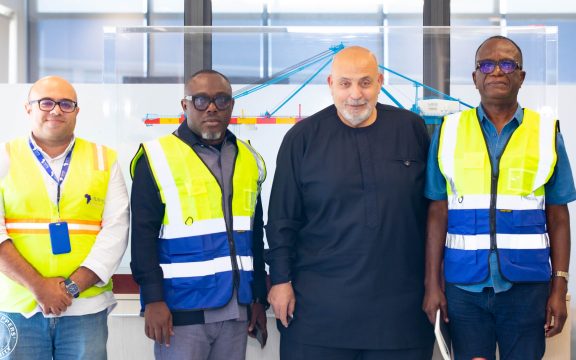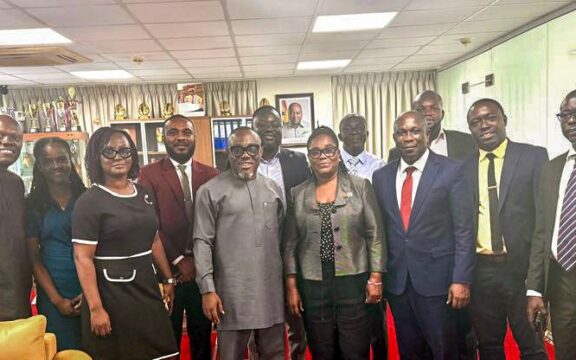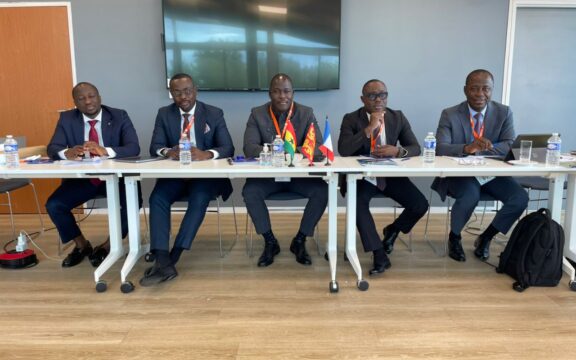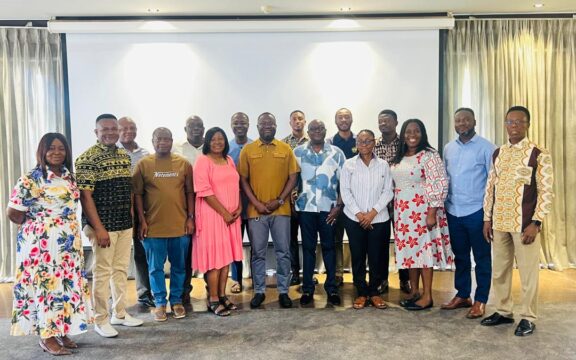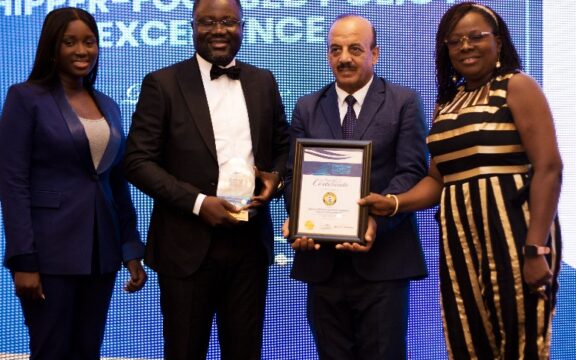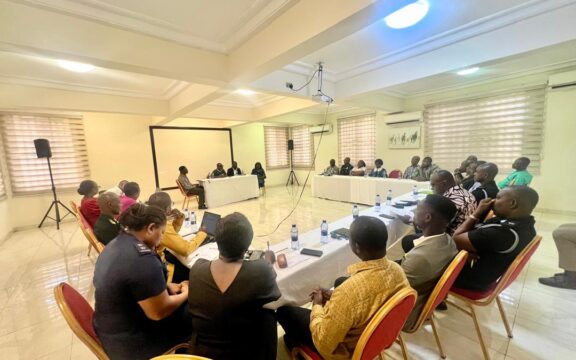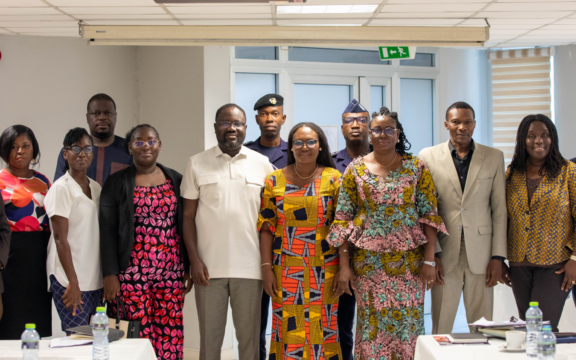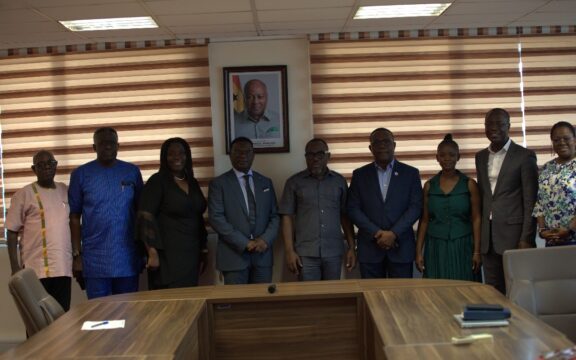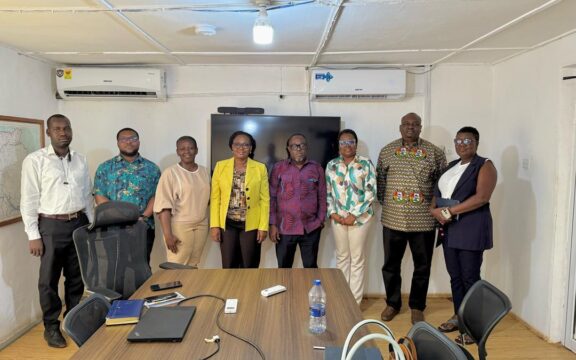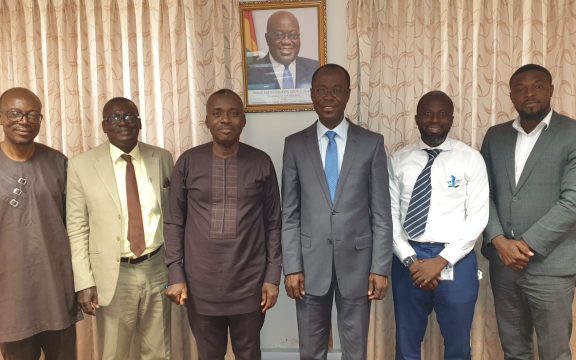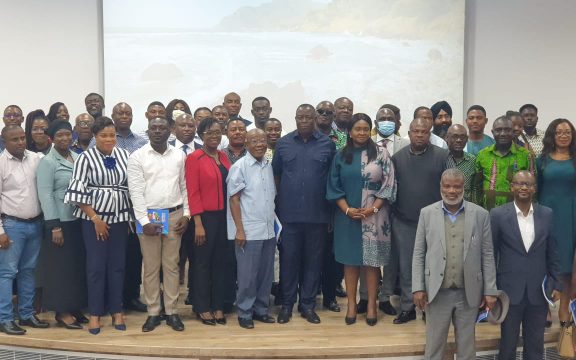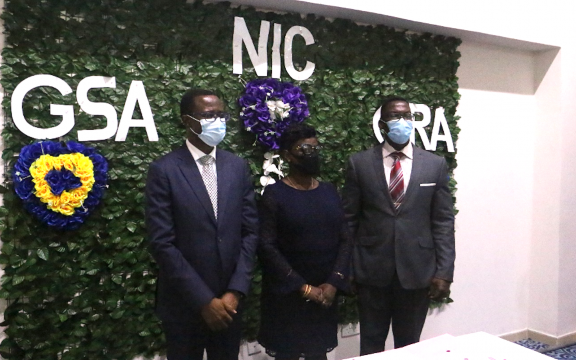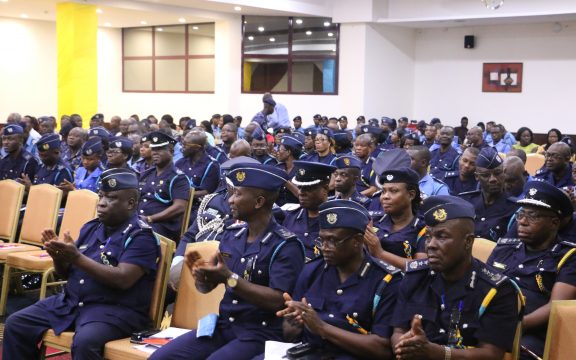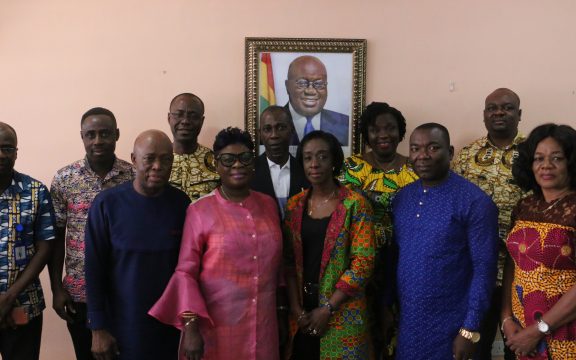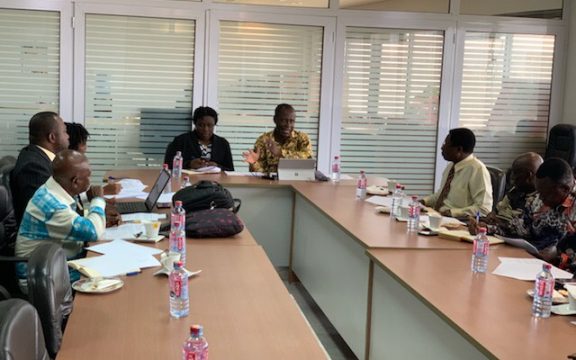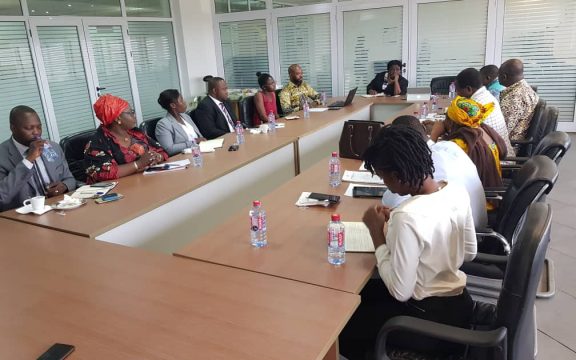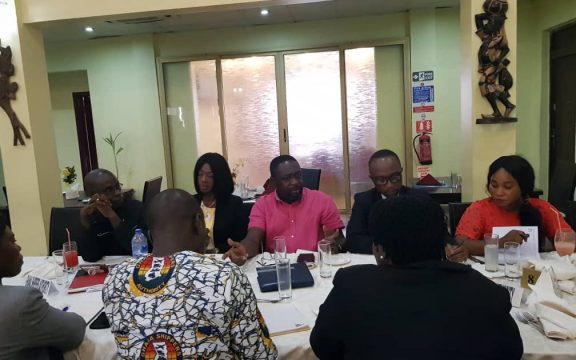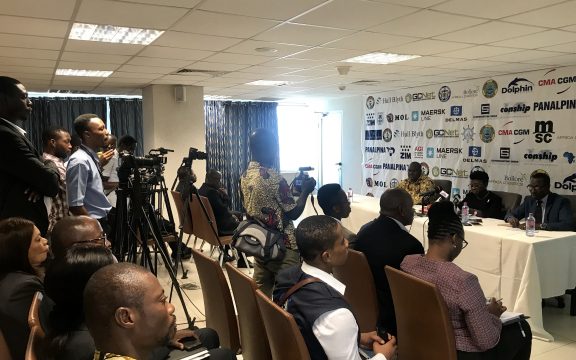


Following the preliminary sensitization engagements held in Accra from 8th to 11th September 2026 with key institutions and stakeholders across Ghana’s export value chain, the Ghana Shippers’ Authority (GSA) and the Bank of Ghana (BoG) have extended the engagement to exporters in the Western and Central Regions.
The regional engagements form part of the broader nationwide sensitization on the revised Letter of Commitment (LOC) guidelines, aimed at taking the discussions beyond the national-level institutions and service providers to businesses directly involved in export activities. The sessions provide exporters with an opportunity to understand the revised requirements, seek clarification on their practical application and raise challenges encountered in complying with the LOC regime.
A key outcome of the review was the extension of the mandatory period for the repatriation of export proceeds from 60 to 120 days. The revision was intended to provide exporters with additional time to complete their international transactions, while retaining the requirement for export proceeds to be repatriated to Ghana through the formal financial system. This adjustment was among the measures introduced to address practical challenges associated with the implementation of the LOC regime while maintaining the underlying objective of ensuring that export proceeds are properly accounted for and returned through the formal system.
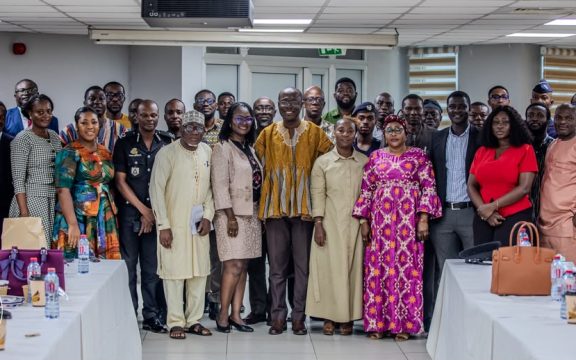
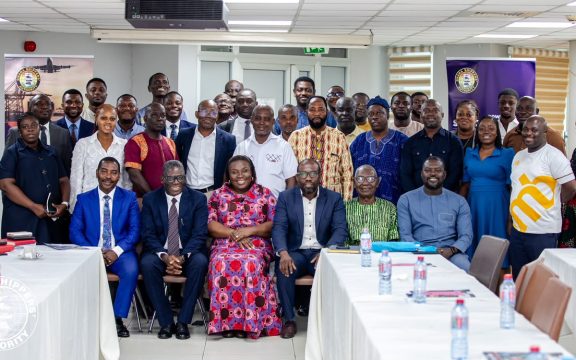
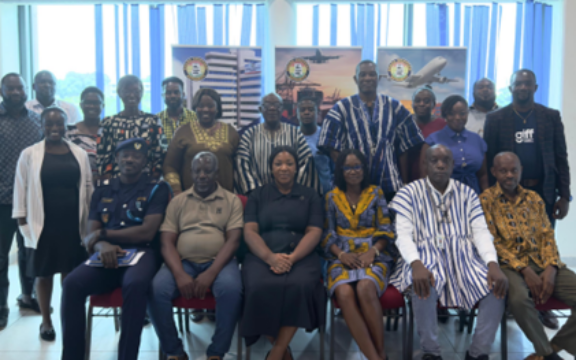
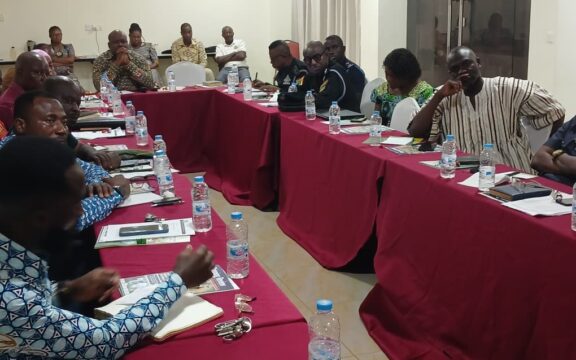
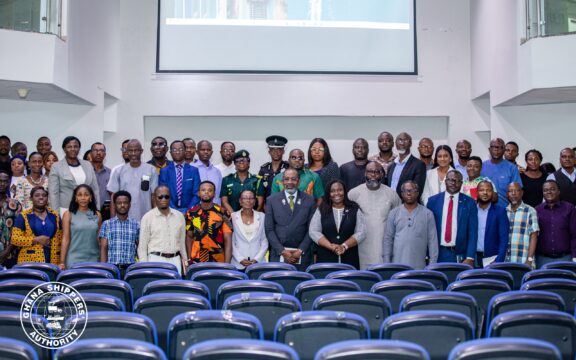
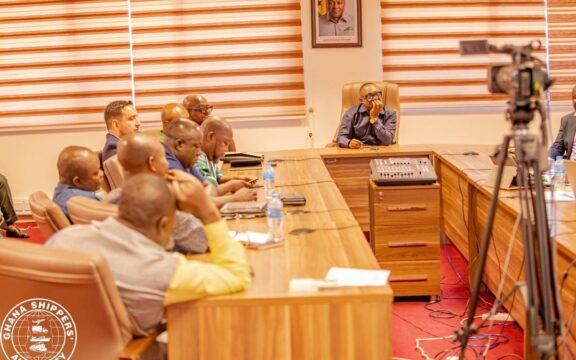
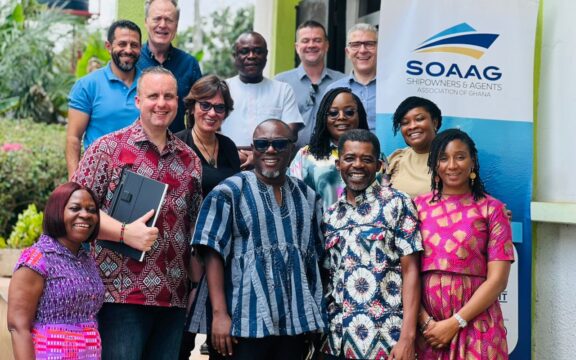
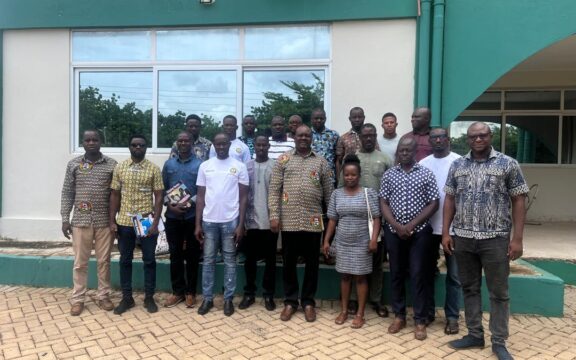
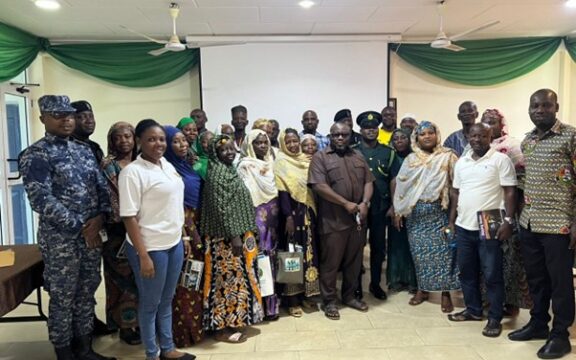
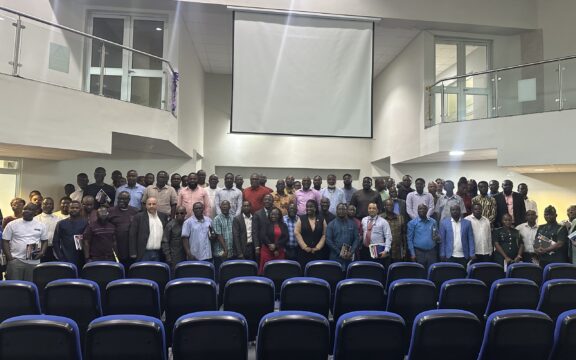
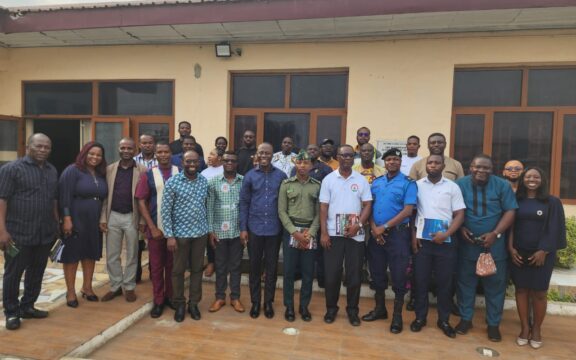
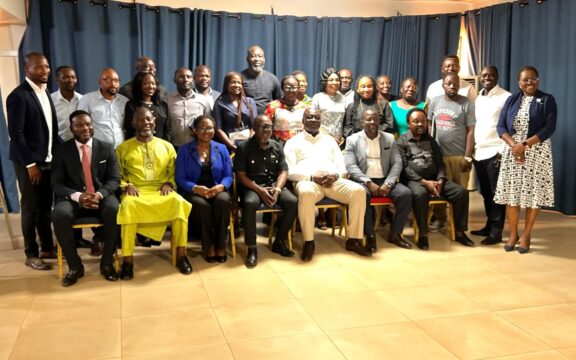
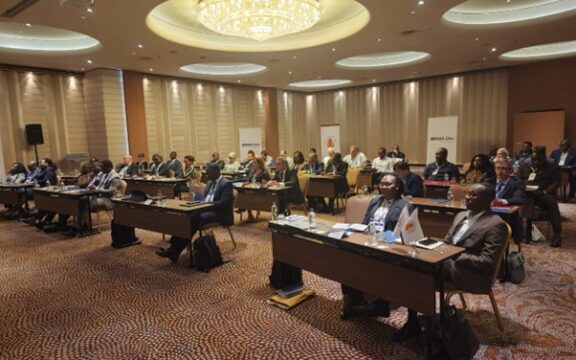
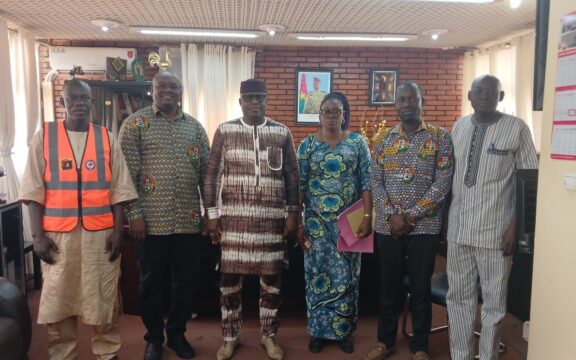
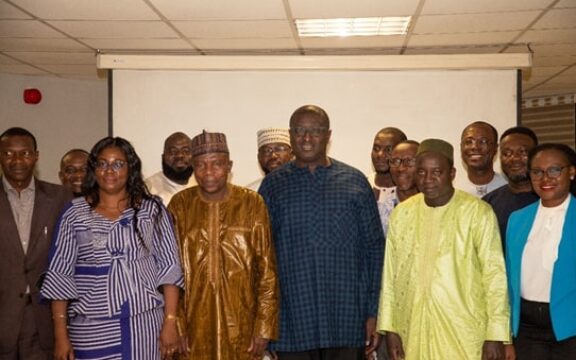
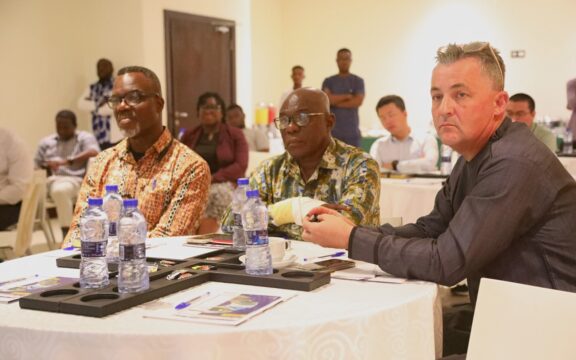
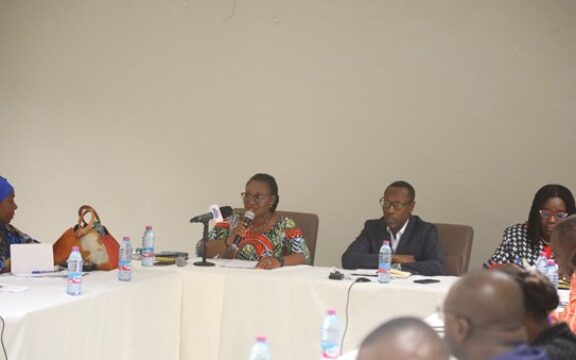
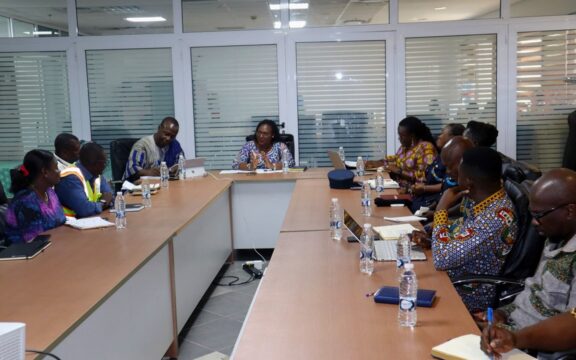
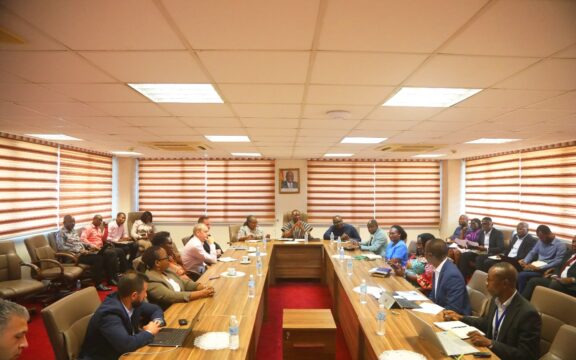
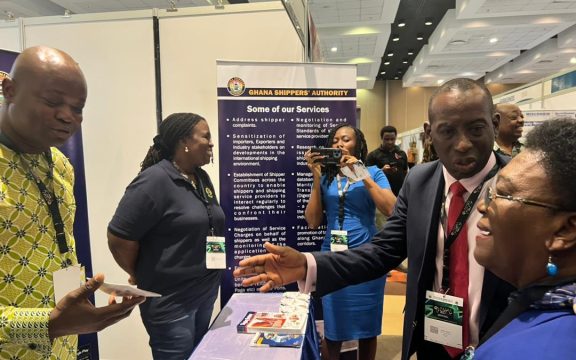
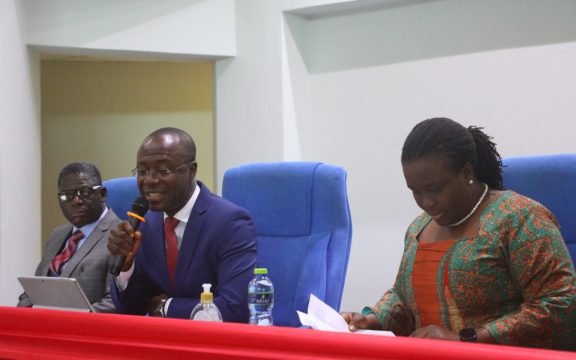
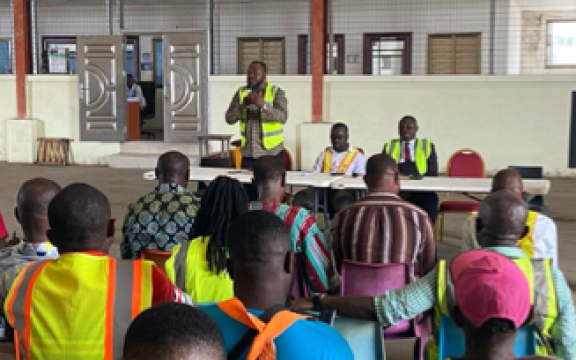
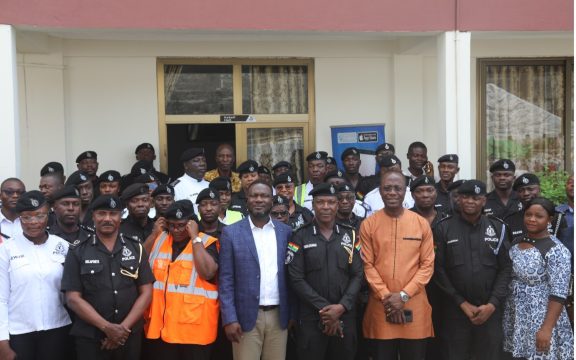
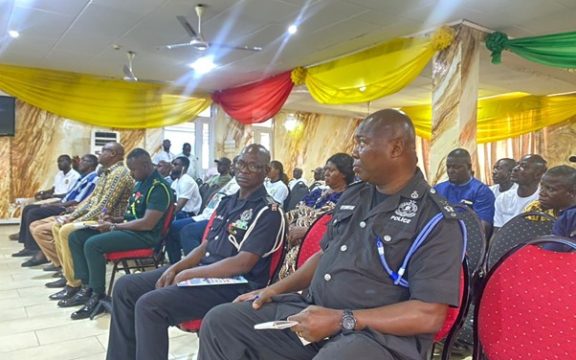
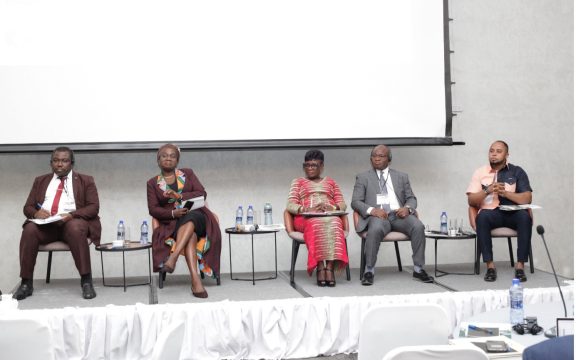
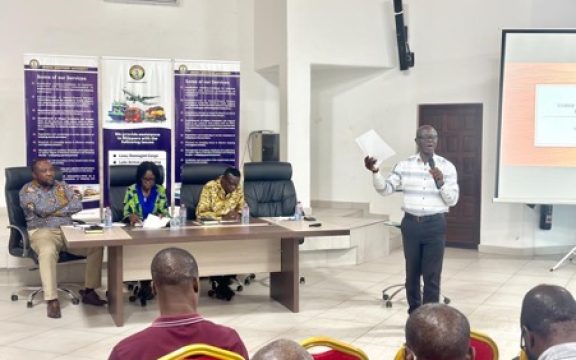
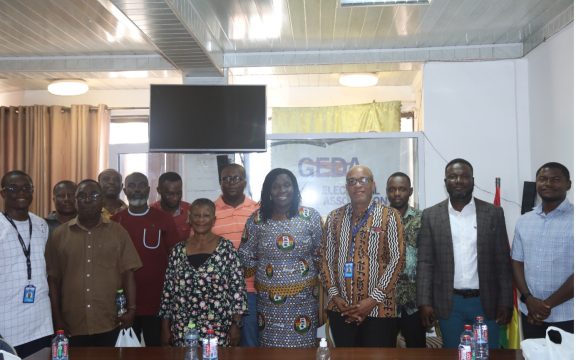
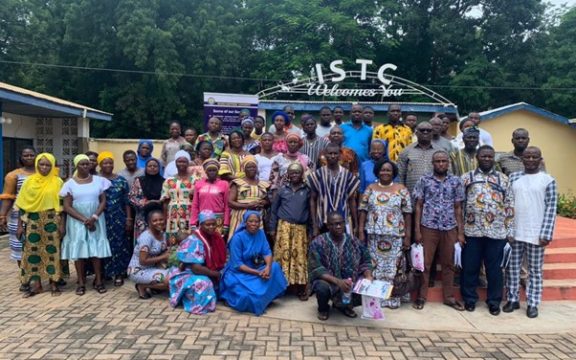
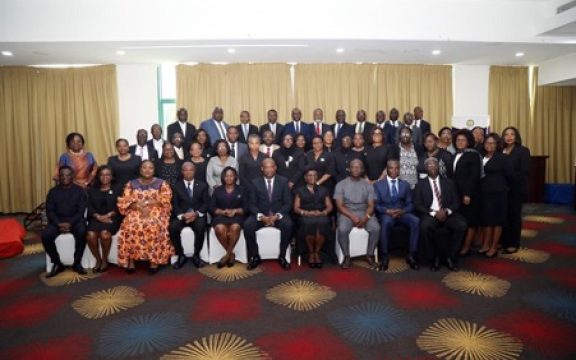
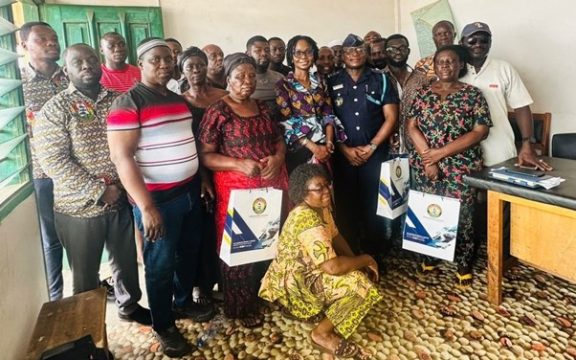
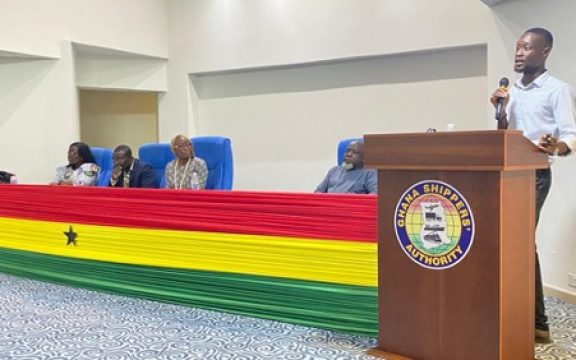
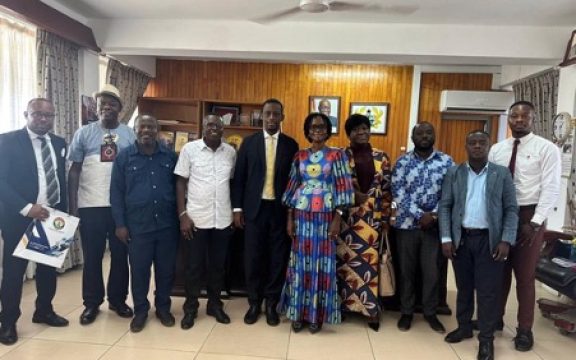
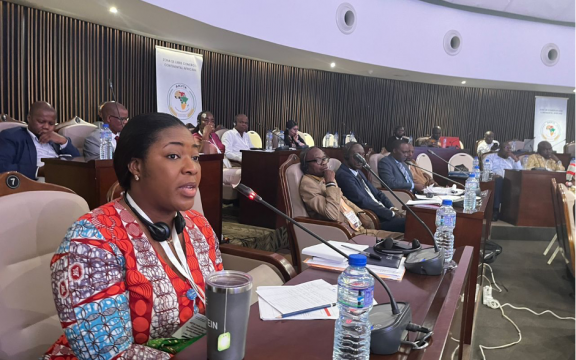
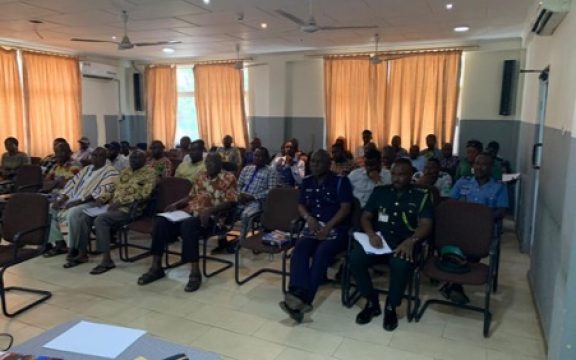
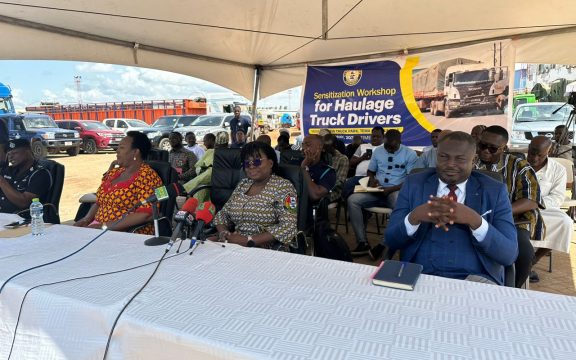
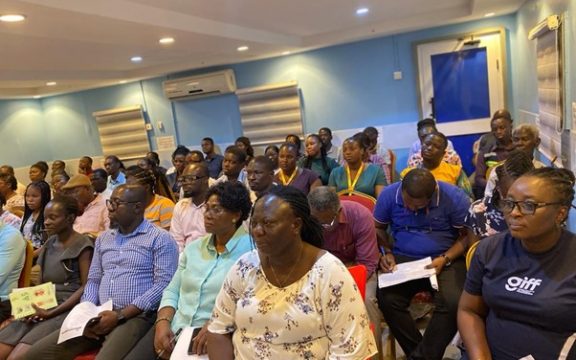
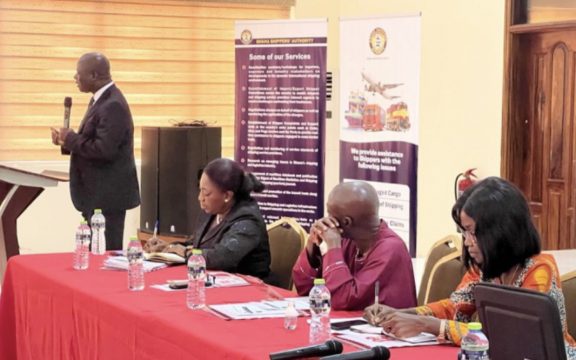
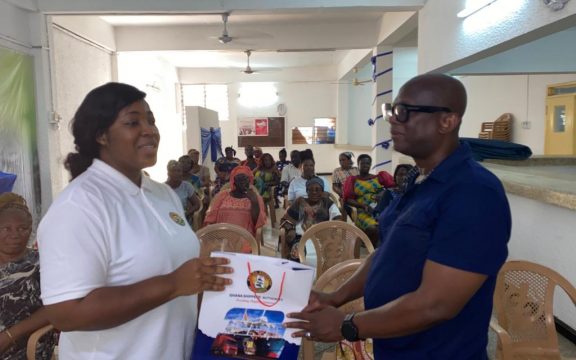
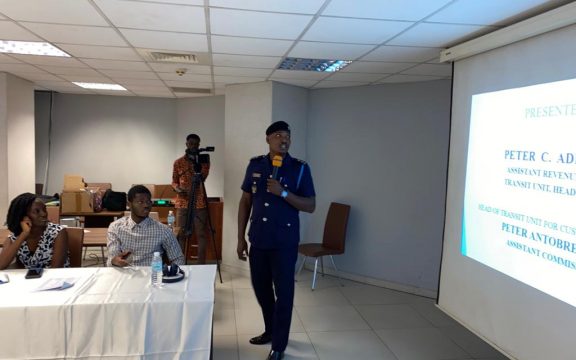
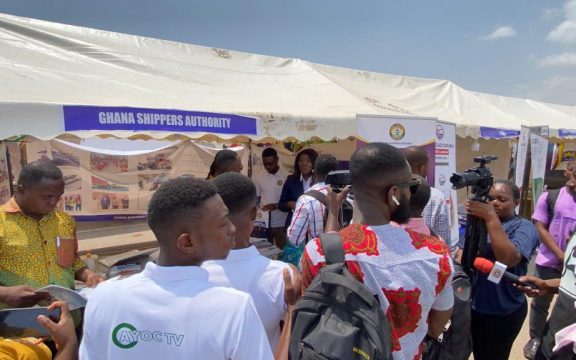
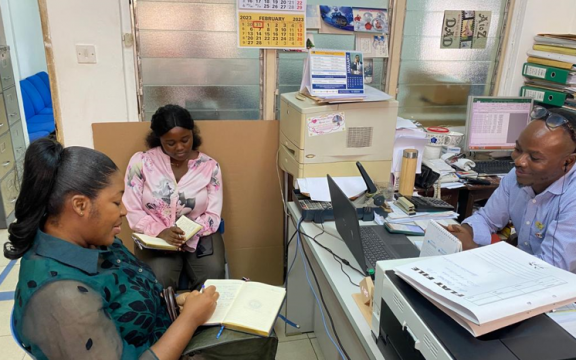
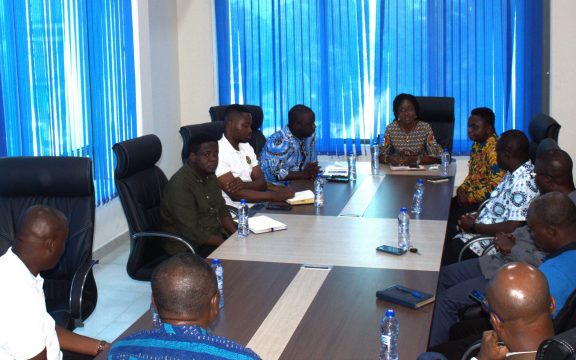
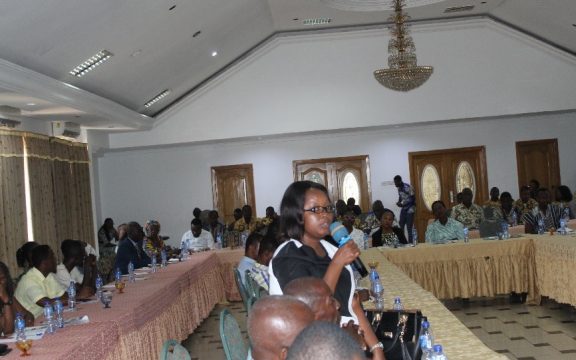
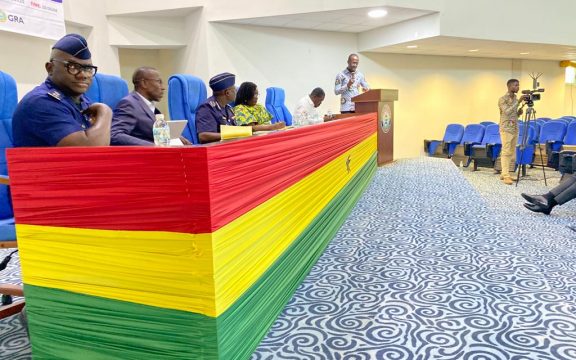
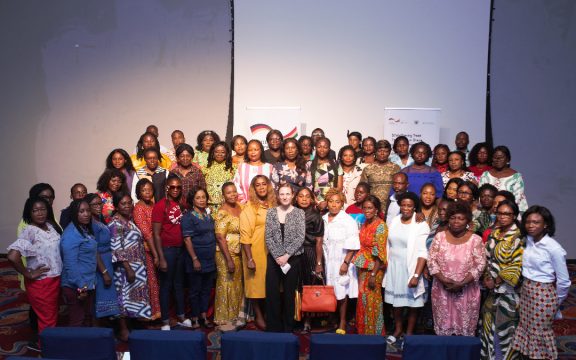
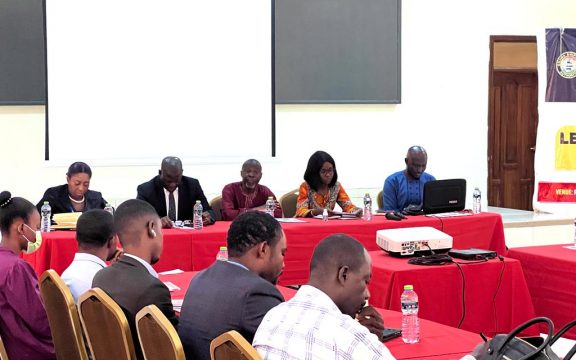
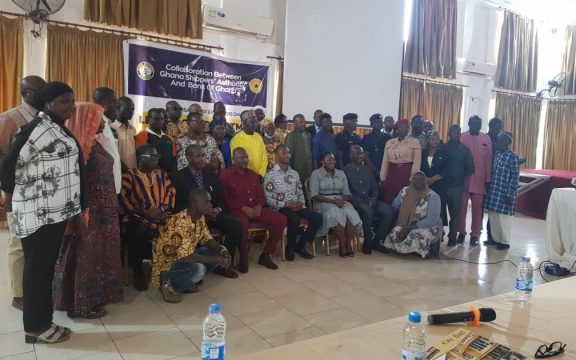
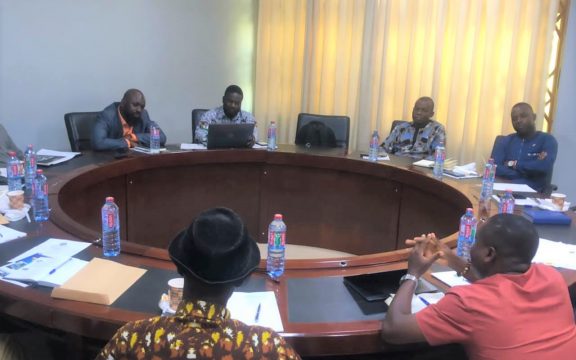
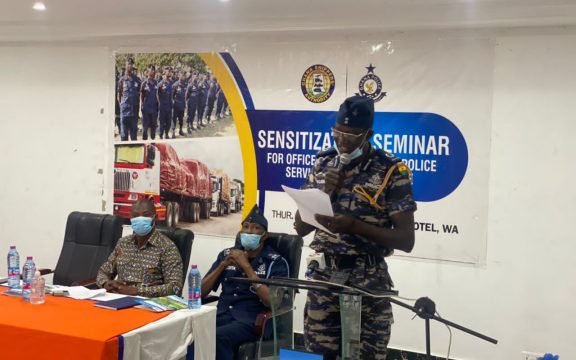
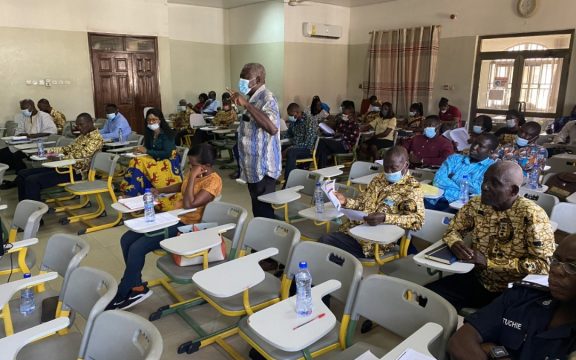
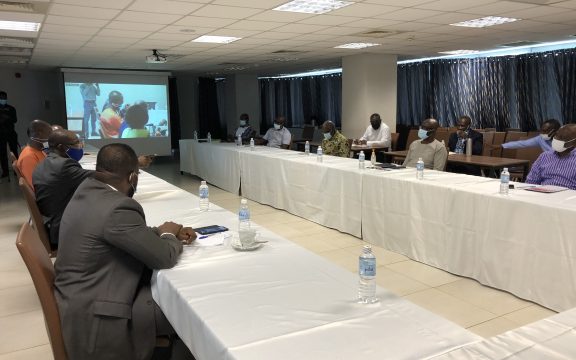
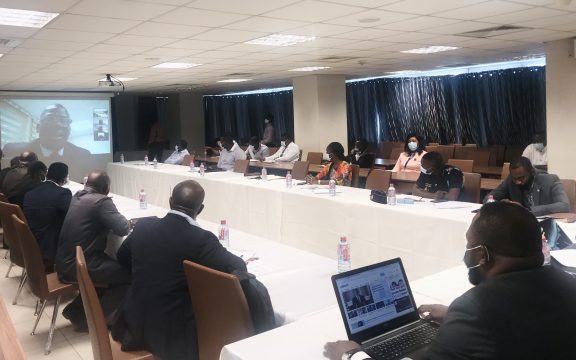
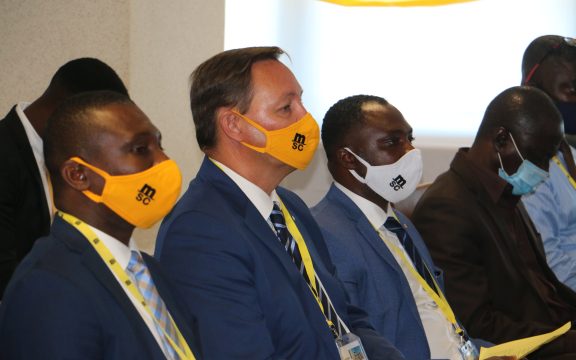
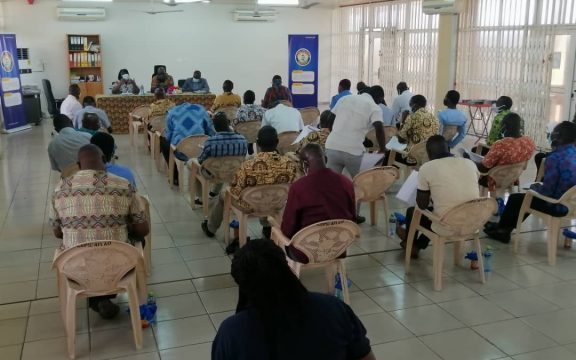
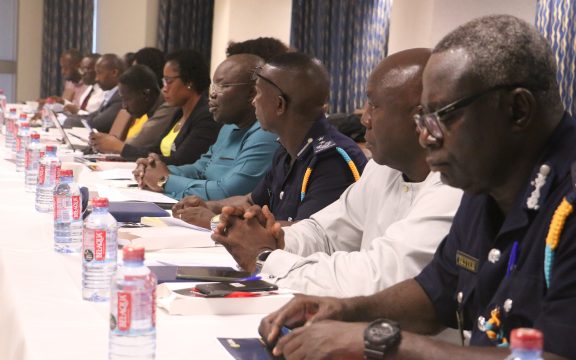
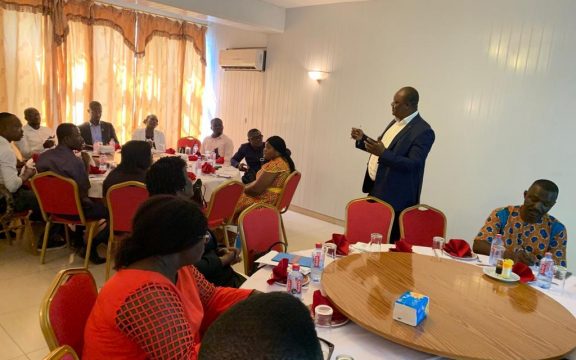
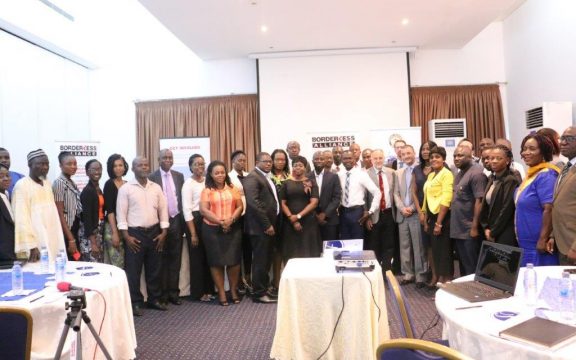
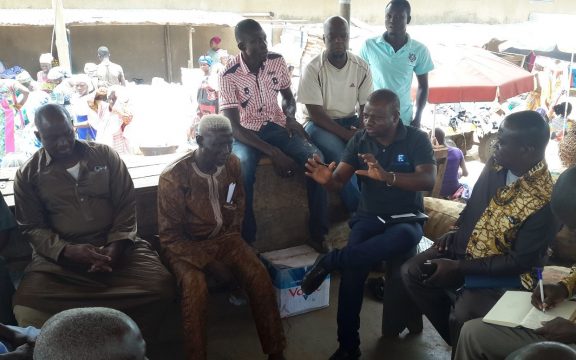
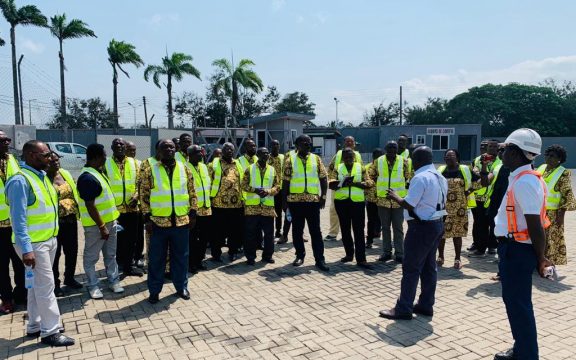
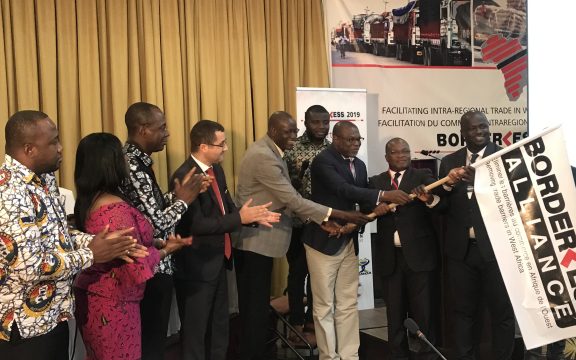
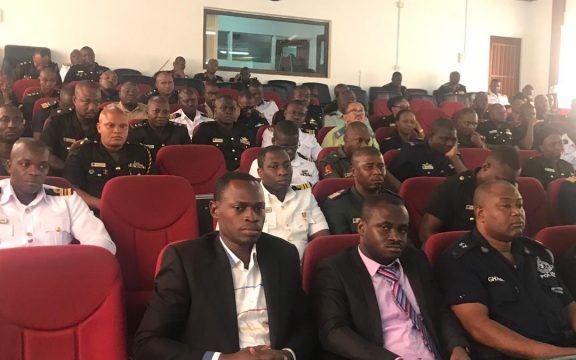
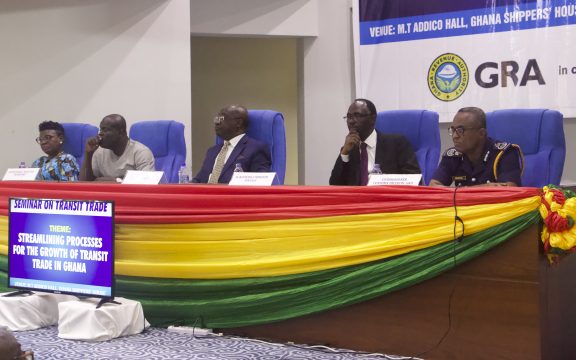
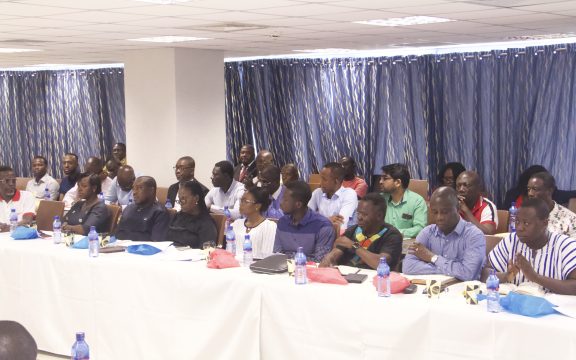
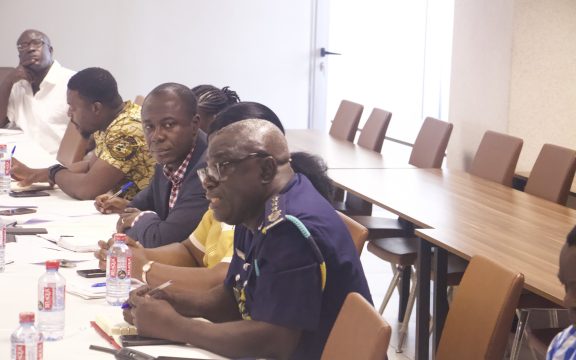
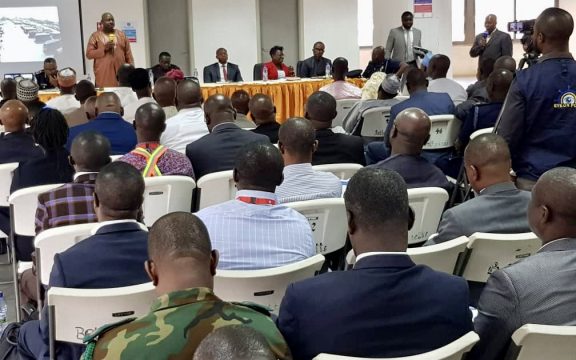
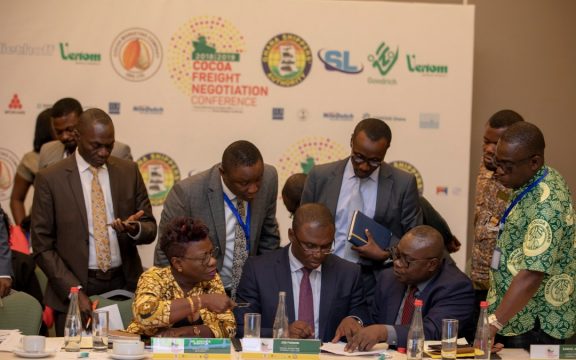
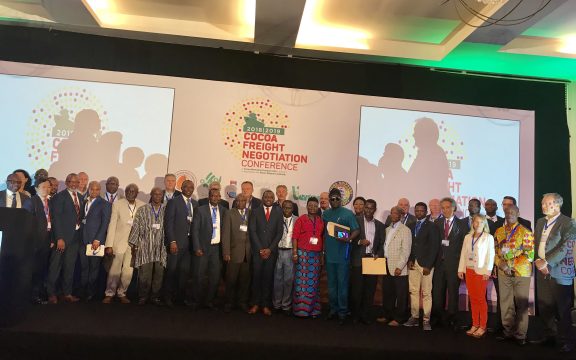
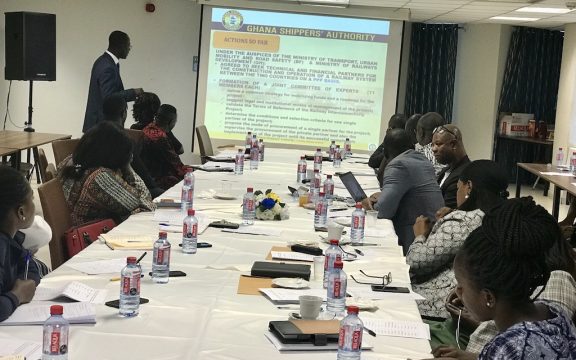
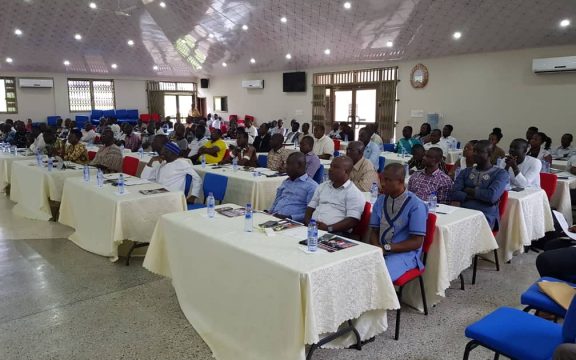
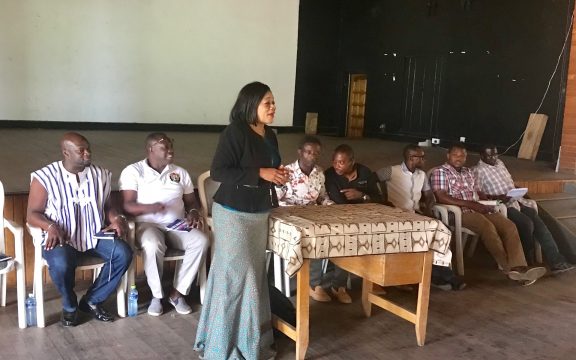
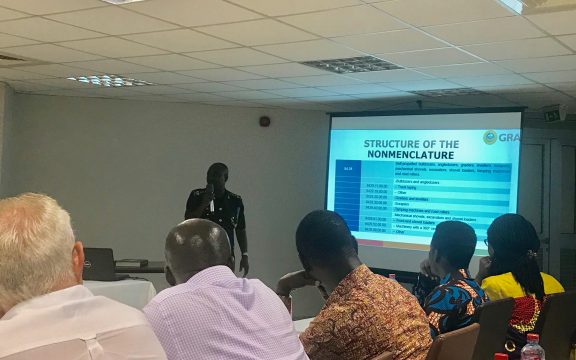
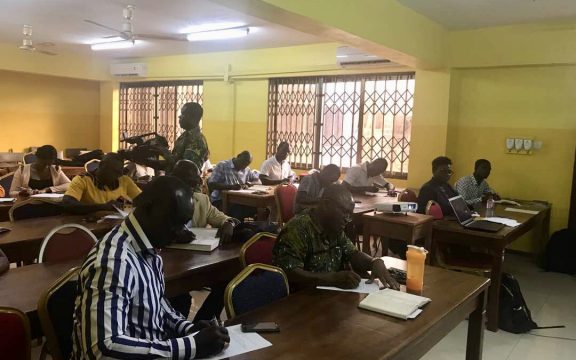
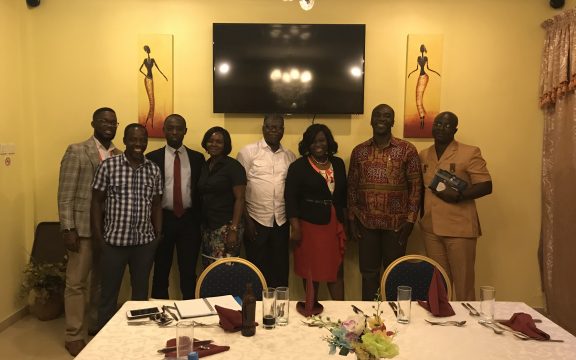
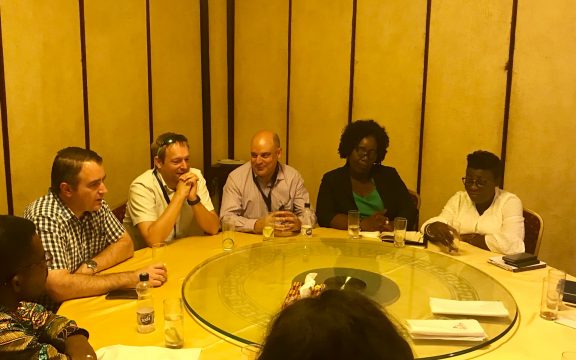
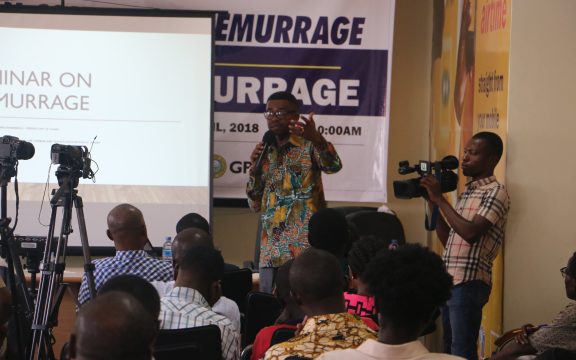
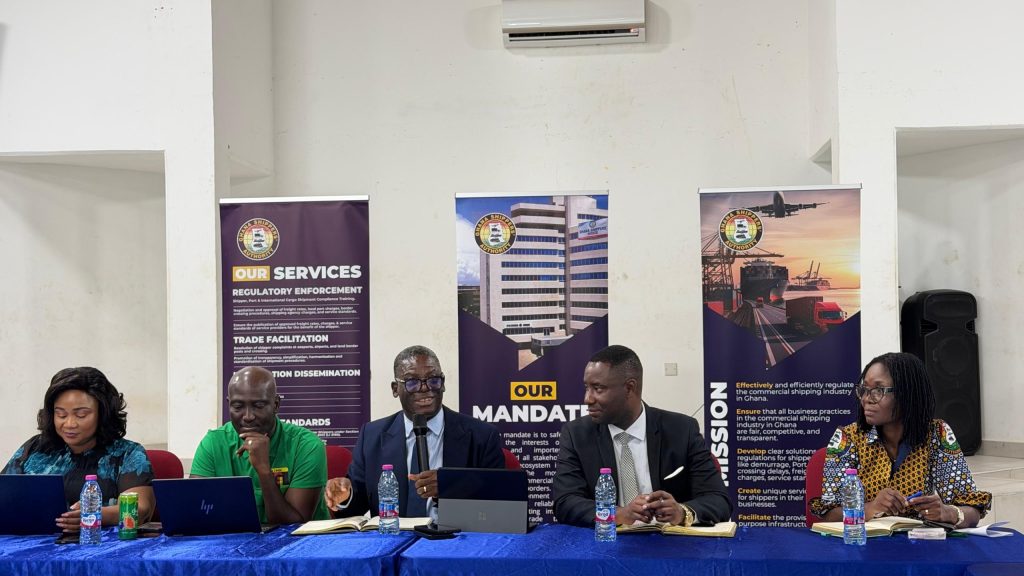
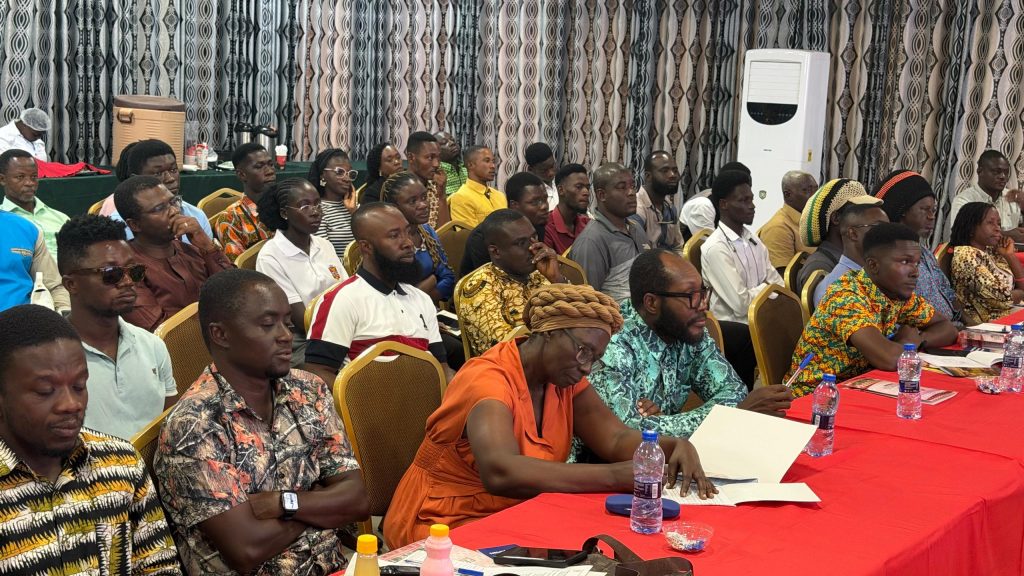 The regional engagements, held in Cape Coast on Tuesday, 15th September 2026 and in Takoradi on Thursday, 17th September 2026, brought together about 300 exporters and other stakeholders, including representatives from banks and insurance companies. Exporters constituted the majority of participants, reflecting the focus of the sensitisation on businesses directly affected by the LOC requirements. The strong turnout underscored the level of interest among exporters and other stakeholders in understanding the revised guidelines and their practical implications.
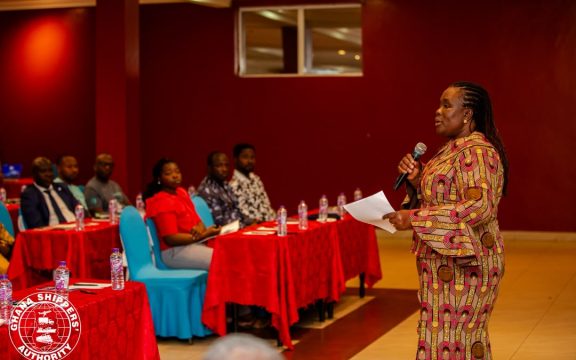
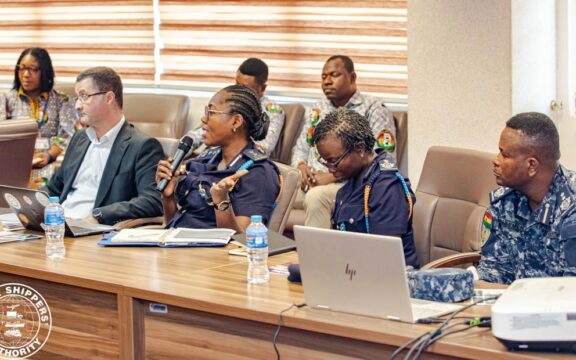
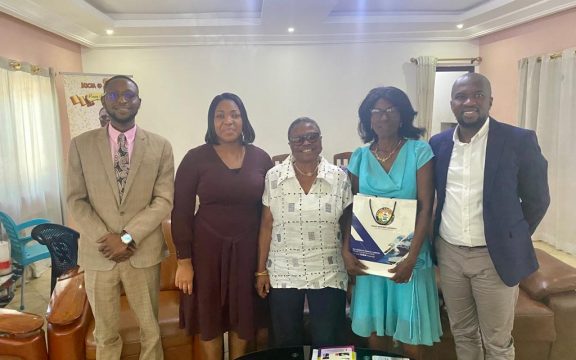
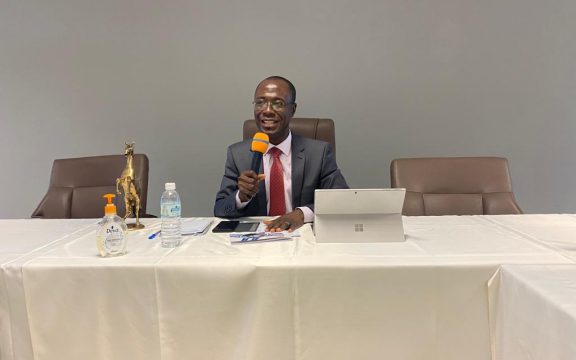
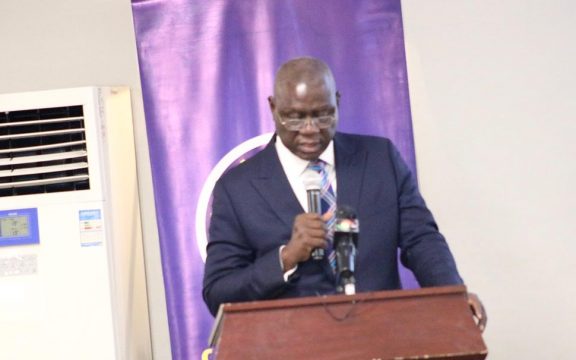
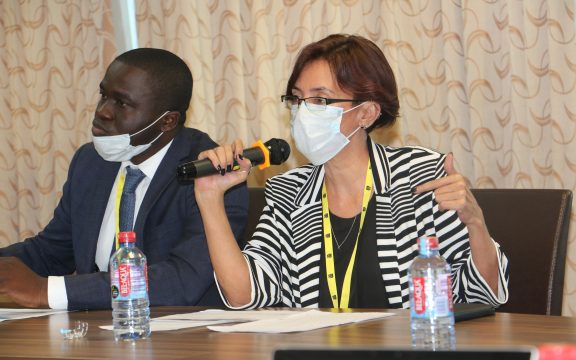
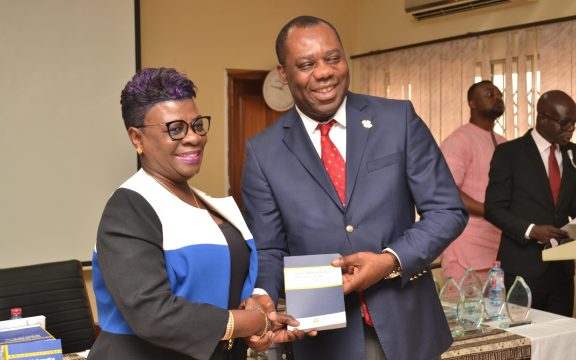
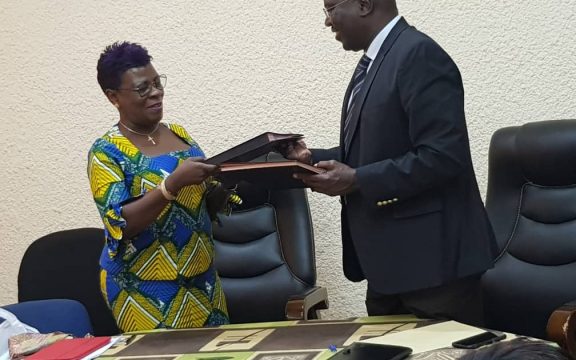
Speaking during the engagements, the Western Zonal Manager of the GSA, Mrs. Agnes Asamoah-Duku, said the extension of the repatriation period from 60 to 120 days reflected the value of continued engagement between regulators and the business community. She noted that the additional time would give exporters greater flexibility while maintaining the requirement to repatriate export proceeds through the formal financial system.
She said the review was informed by concerns raised by exporters and other stakeholders and stressed the importance of continued dialogue.
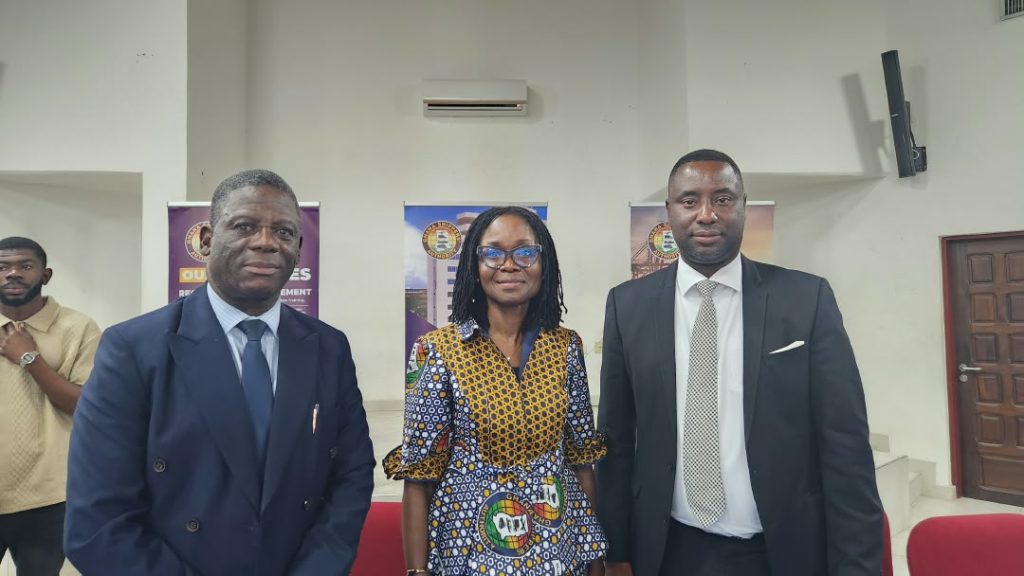 “We are here not only to explain the revised guidelines, but also to listen to you,” she said, stressing the importance of continued dialogue in addressing challenges affecting exporters.
The Head of Trade at the BoG, Mr. Lawrence Tagoe, reaffirmed the Bank’s responsiveness to concerns raised by the trading community. He explained that although exporters were required to repatriate their export proceeds within 120 days, they could apply for an extension where circumstances warranted. Such requests, he noted, would be assessed on a case-by-case basis.
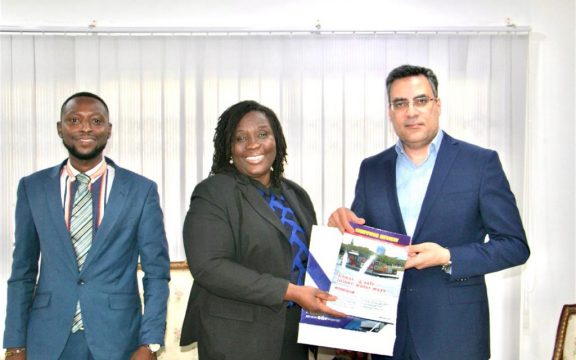
Reinforcing this commitment to institutional support, the Deputy Director of Revenue Assurance at the Ministry of Finance, Madam Mary Annum, assured exporters of the Ministry’s readiness to support the implementation of the LOC regime. She noted that the Ministry was prepared to provide the necessary support in whatever form was required to facilitate implementation and address genuine concerns arising from the process.
The engagements underscored that the LOC regime was not intended to hinder exporters or create unnecessary barriers to trade. Rather, it seeks to promote transparency, accountability and compliance in the handling of export proceeds.
 The speakers explained that ensuring export earnings return to Ghana through the formal financial system helps strengthen the country’s foreign exchange reserves and the availability of foreign exchange in the economy, supporting efforts to maintain stability in the value of the cedi.
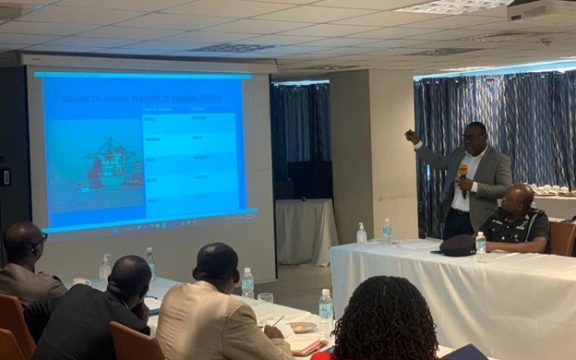
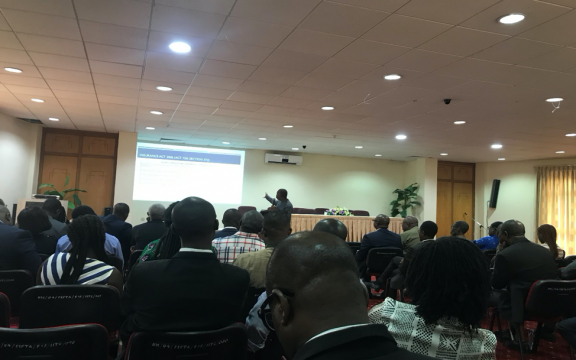
Against this background, the BoG team took participants through the revised requirements, while Ghana Link Network Services, the technology service provider for the Integrated Customs Management System (ICUMS), provided practical guidance on implementing the LOC through the electronic trade platform.
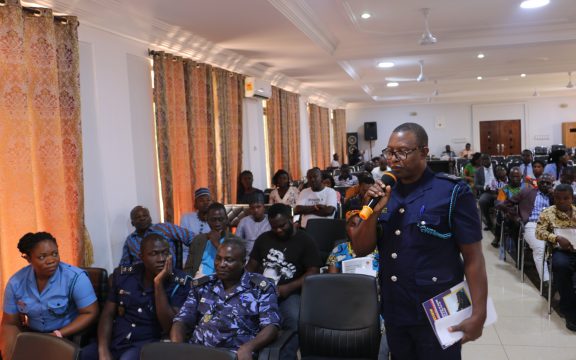
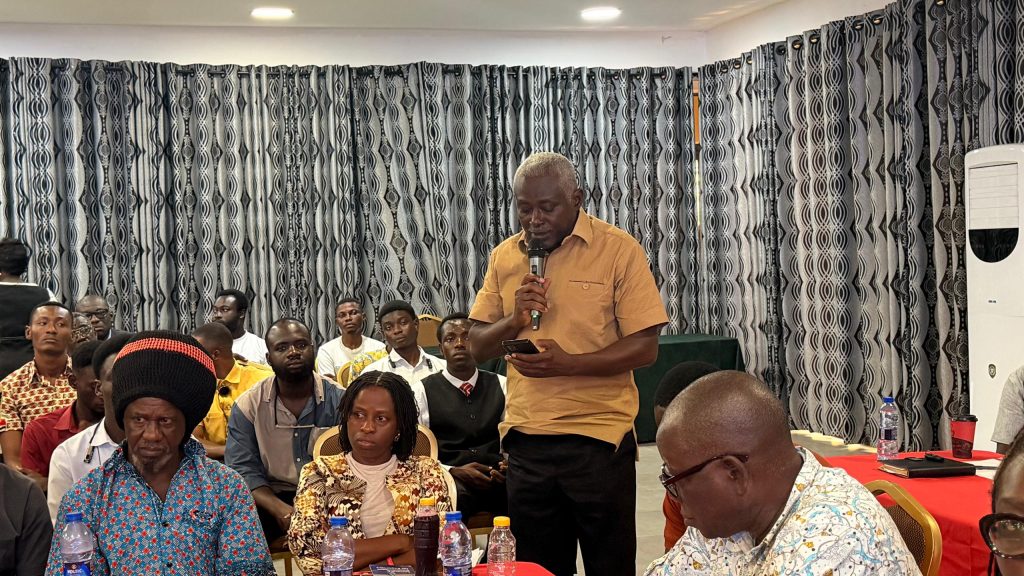
The question-and-answer session further allowed exporters and other participants to raise concerns about individual transactions, repatriation timelines, extension requests and challenges encountered in using the system. The discussions also gave the regulators a clearer understanding of some of the practical difficulties businesses face.
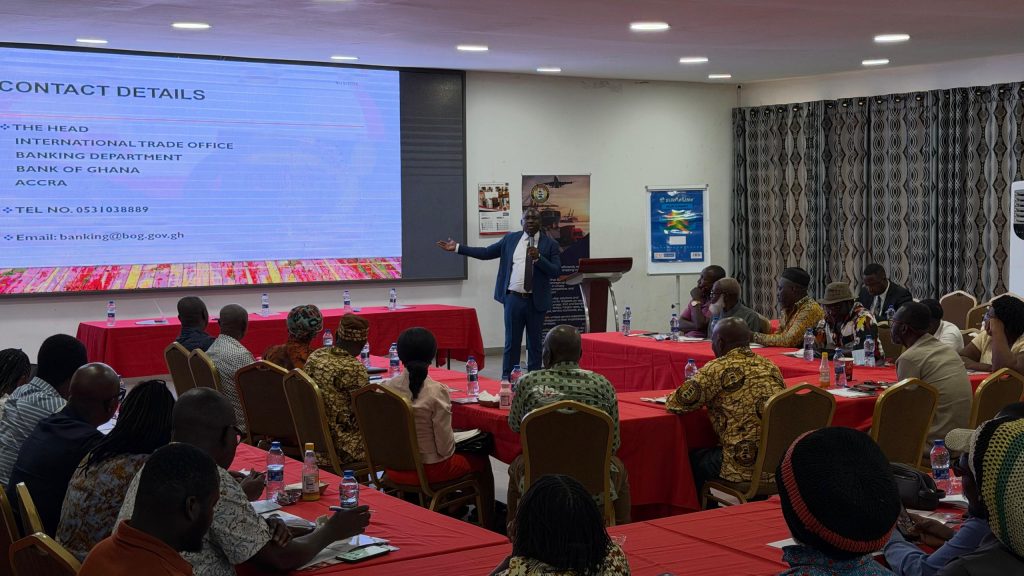 For participants, the engagement provided an opportunity to understand the changes under the revised guidelines and engage directly with the institutions responsible for their implementation.
By taking the sensitization beyond Accra, the LOC Committee seeks to bring the conversation closer to businesses across the country and ensure that the revised requirements are understood by the end-user and ultimately improve compliance.
 The exercise is expected to build a better-informed export community, address implementation concerns and strengthen compliance with the repatriation of export proceeds while supporting Ghana’s broader foreign exchange objectives.