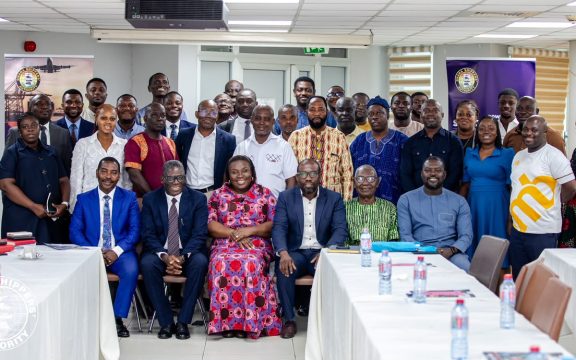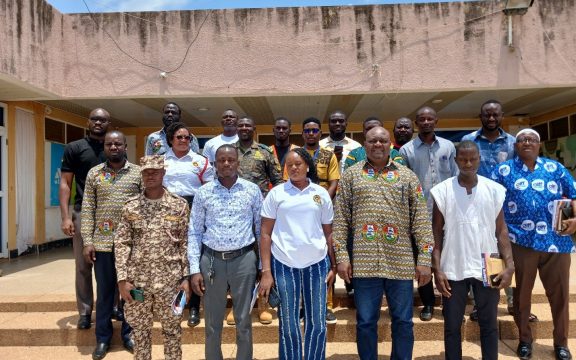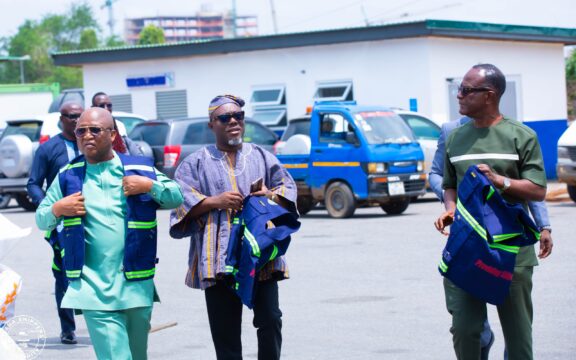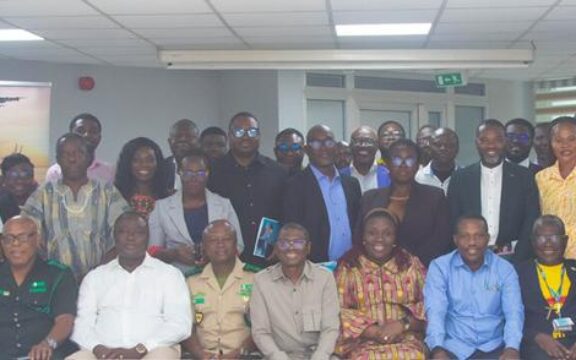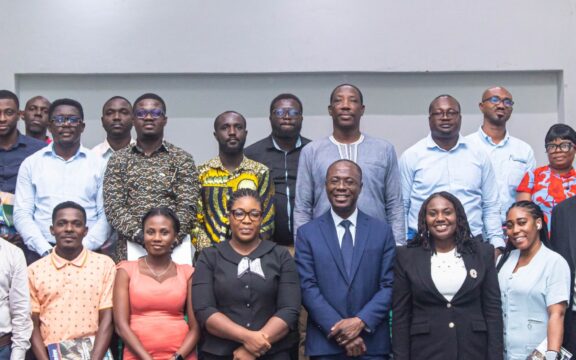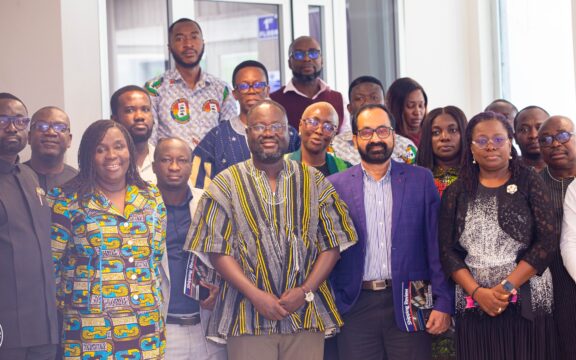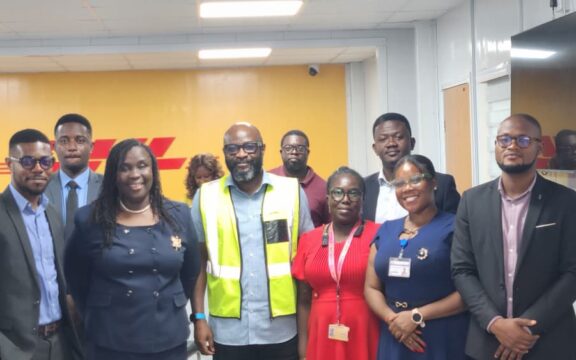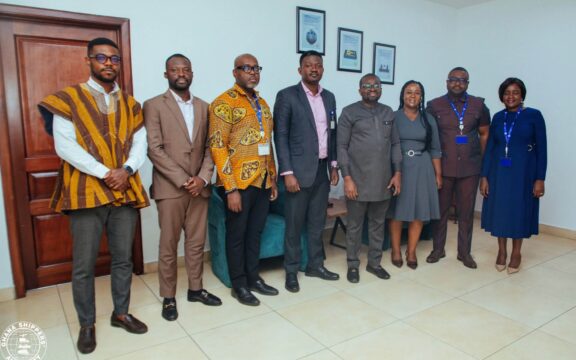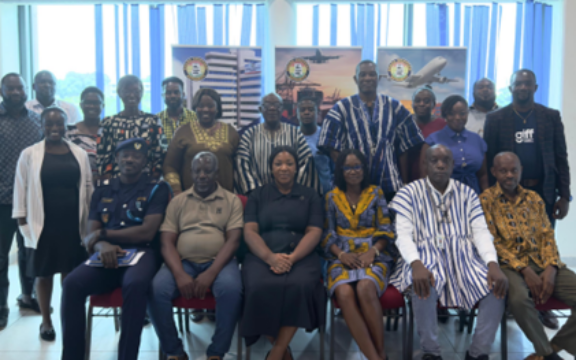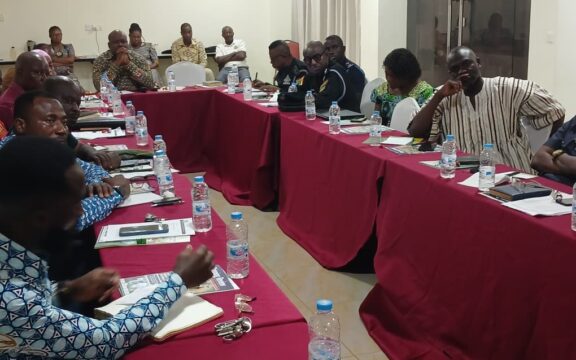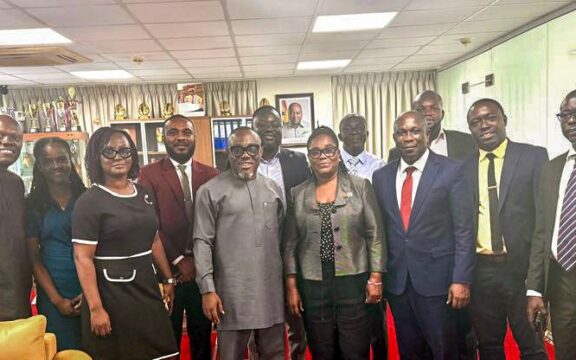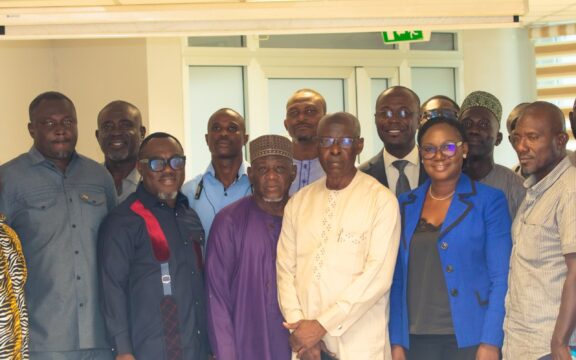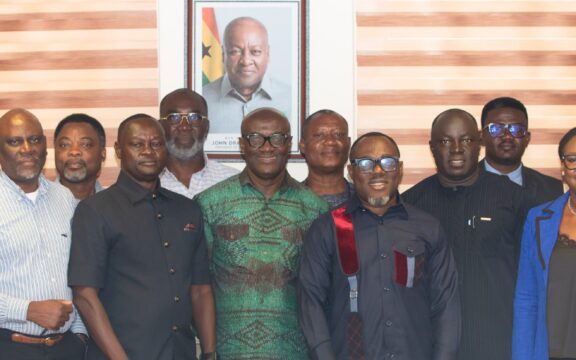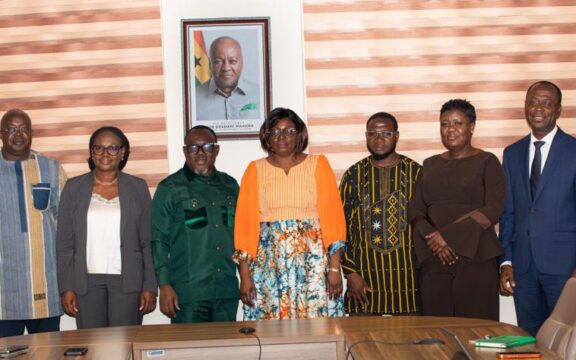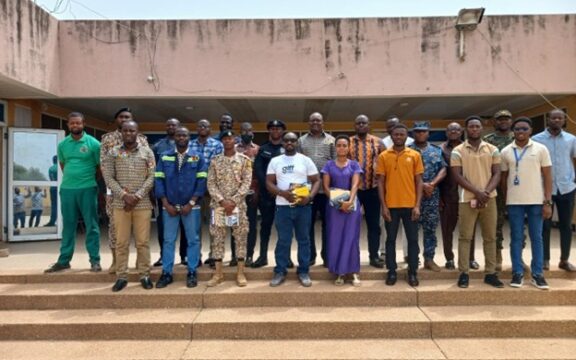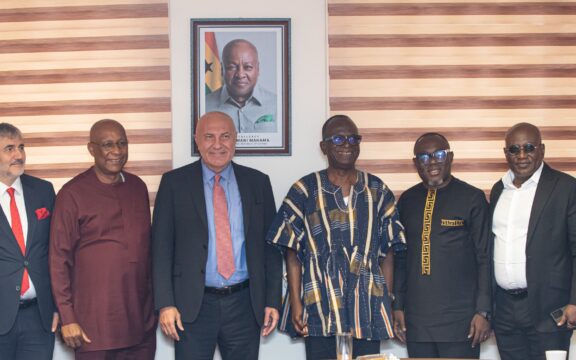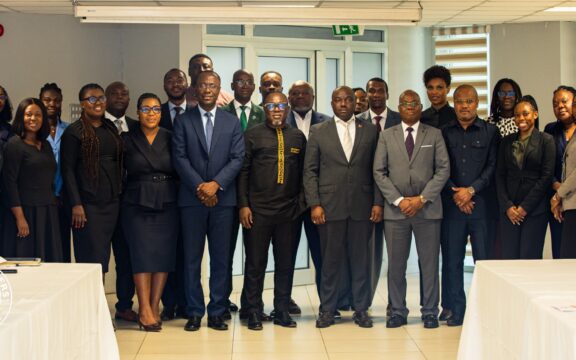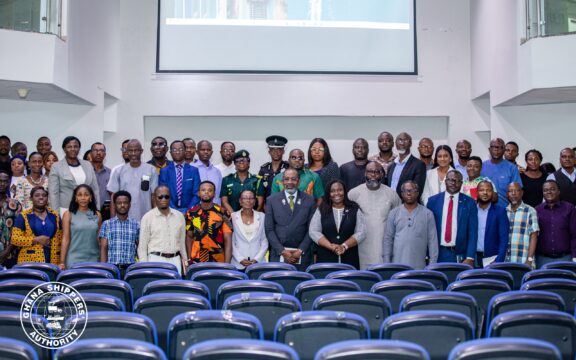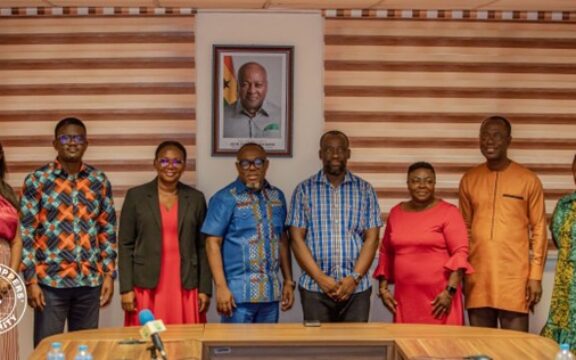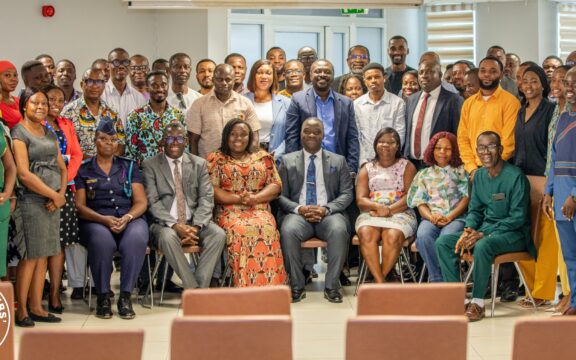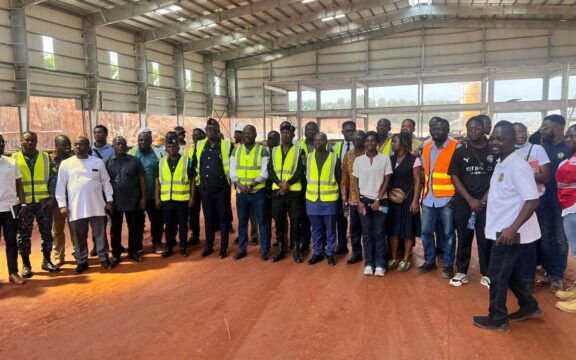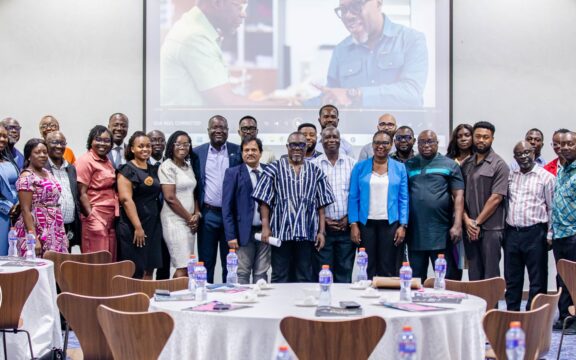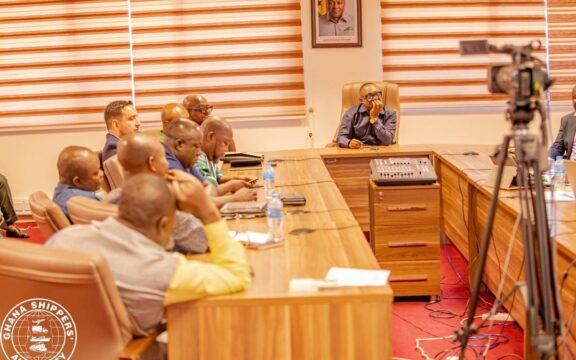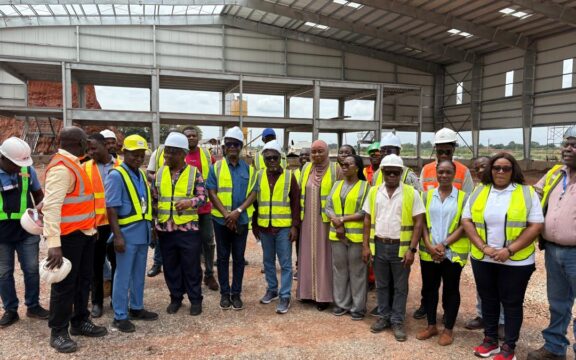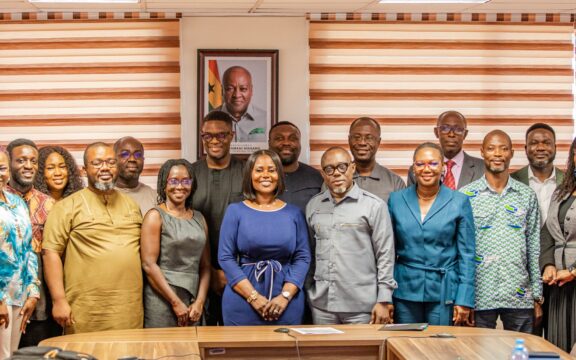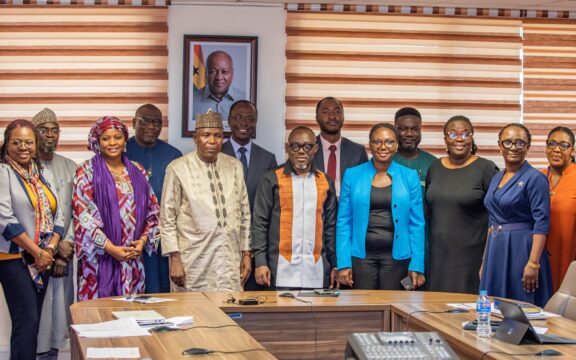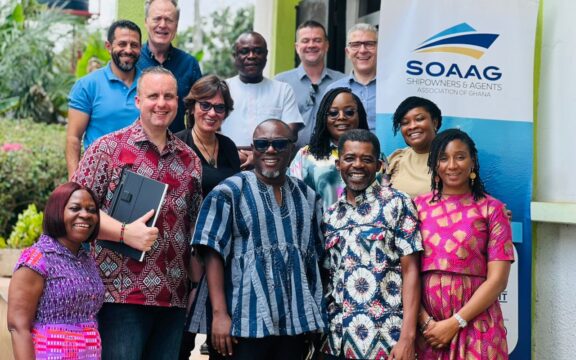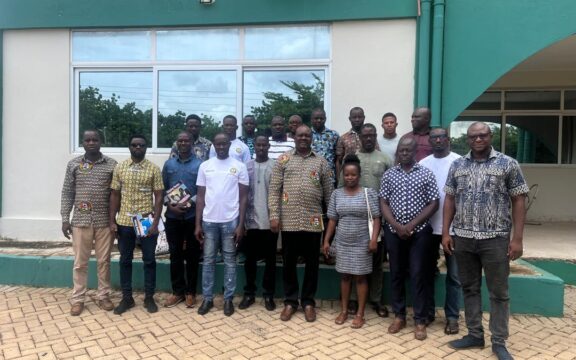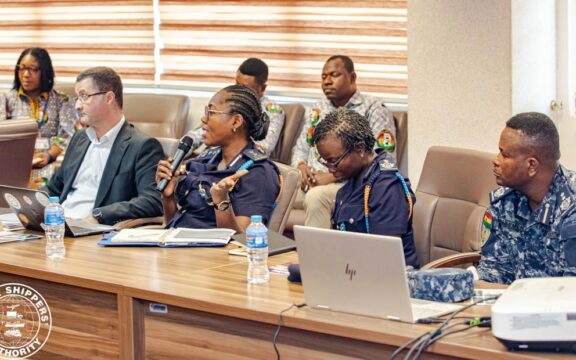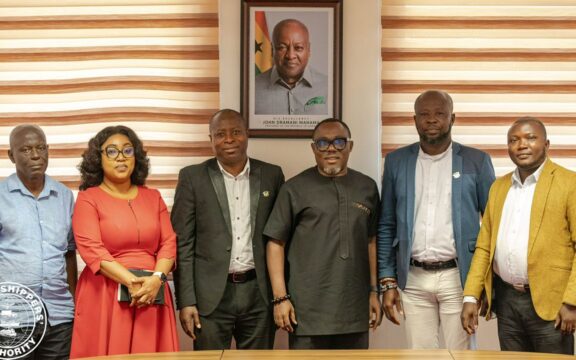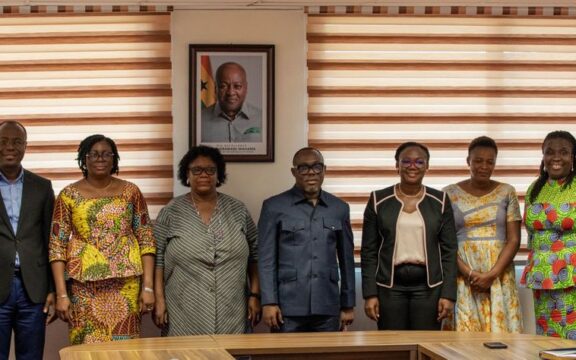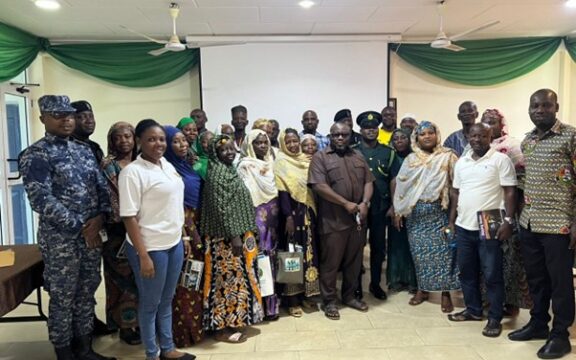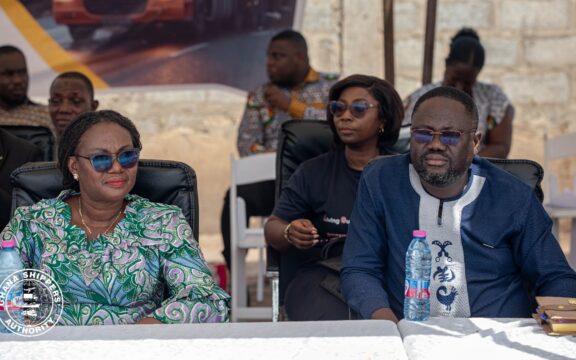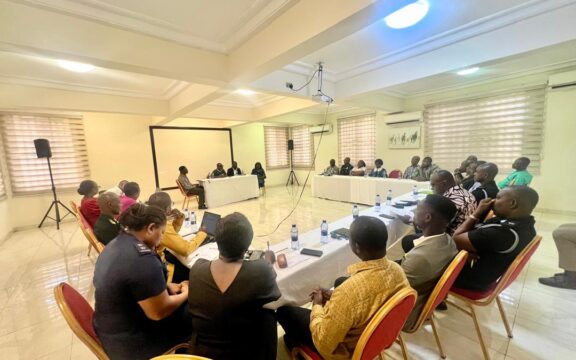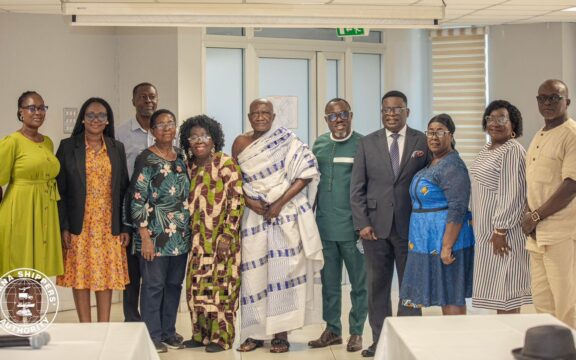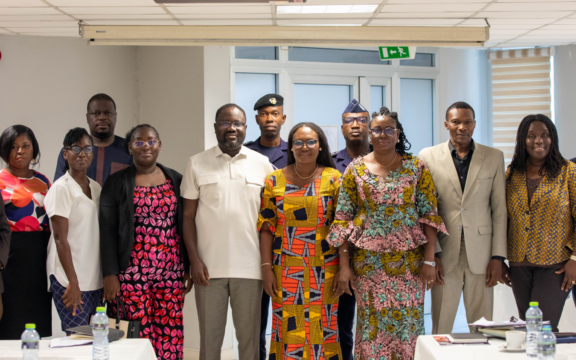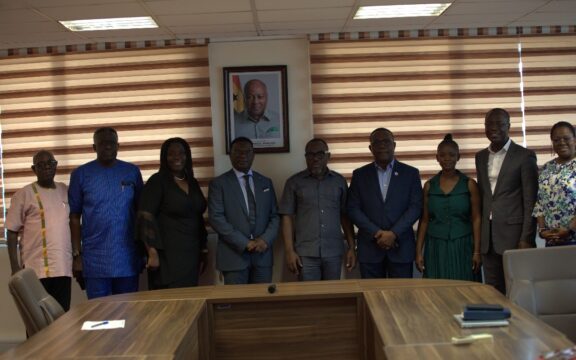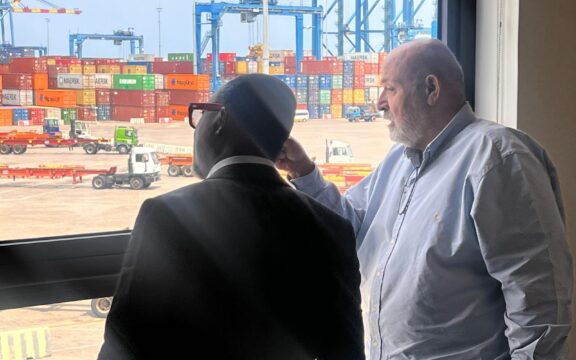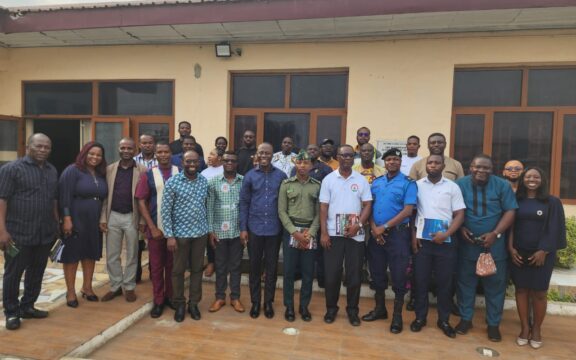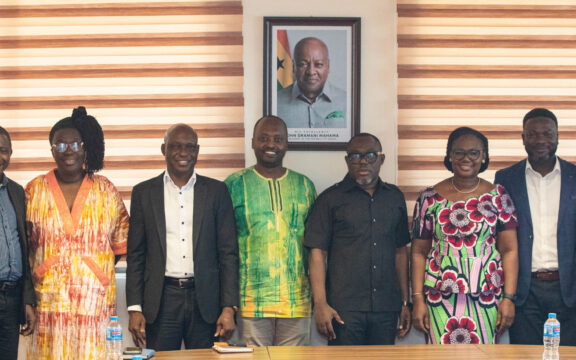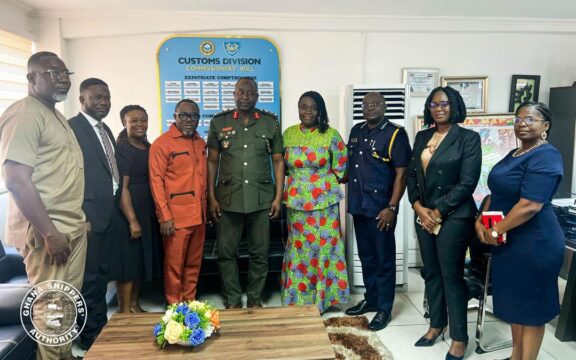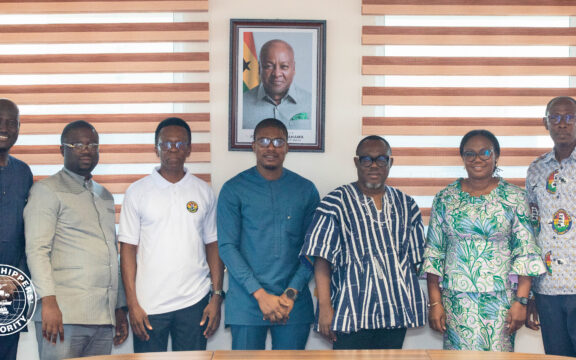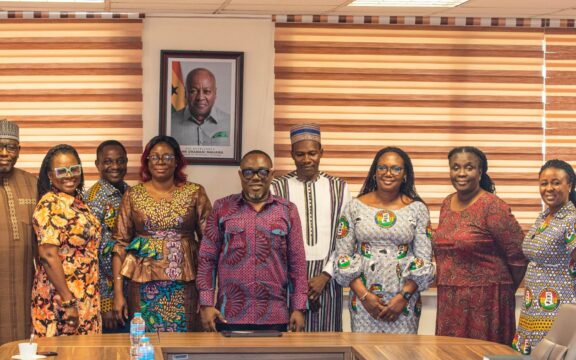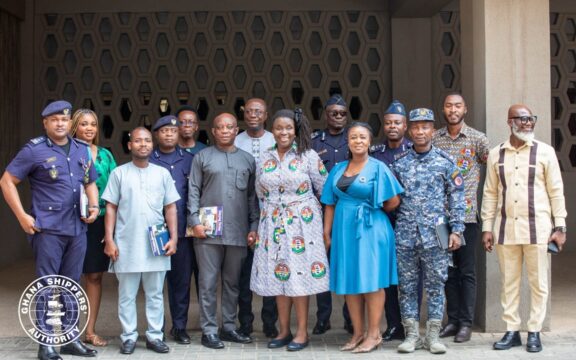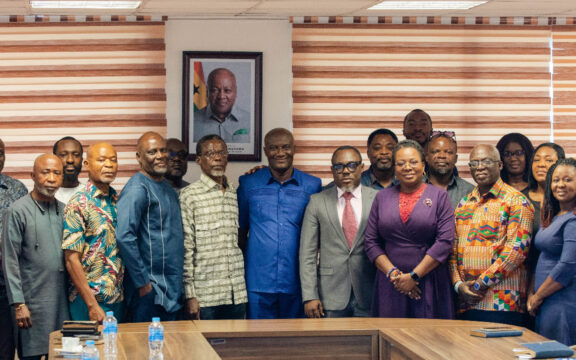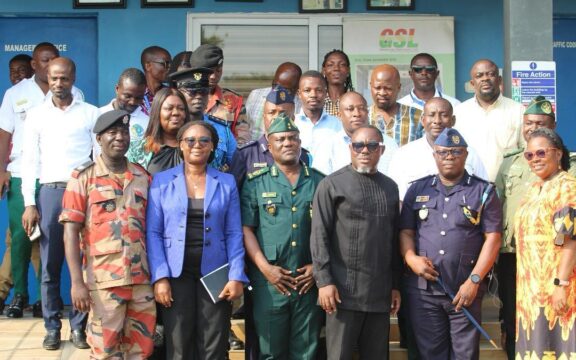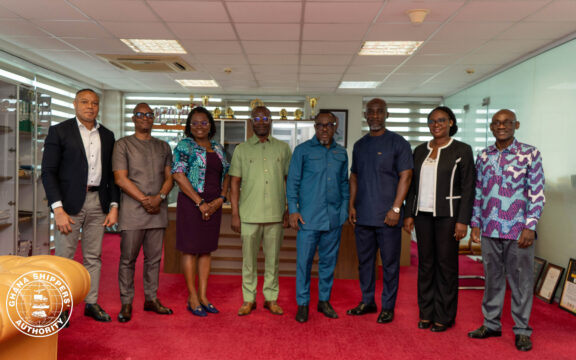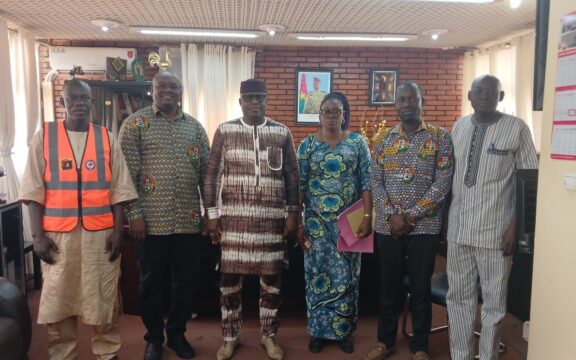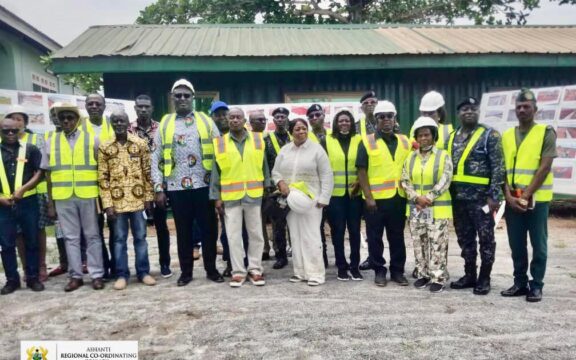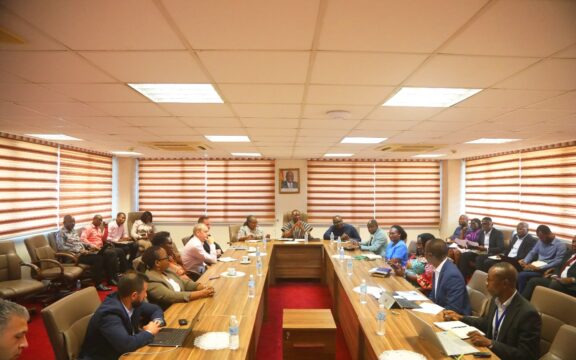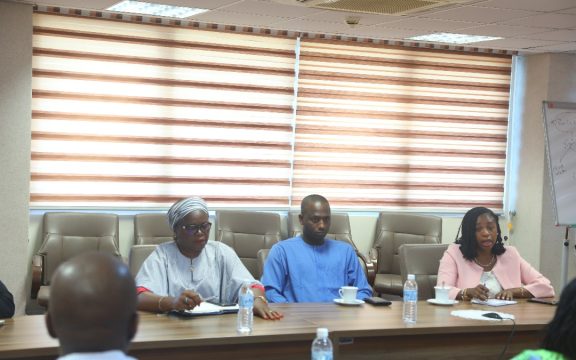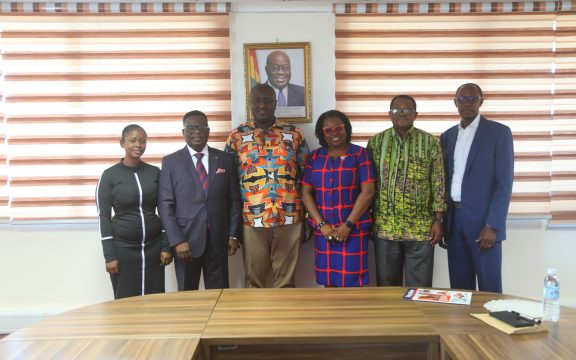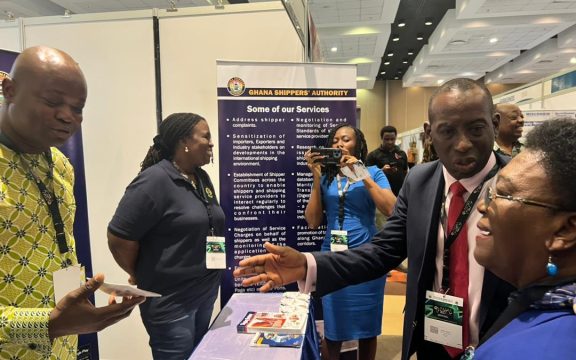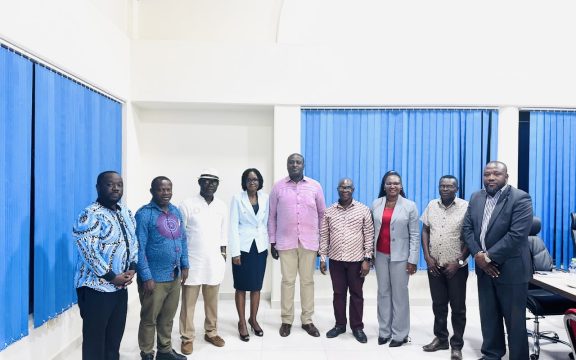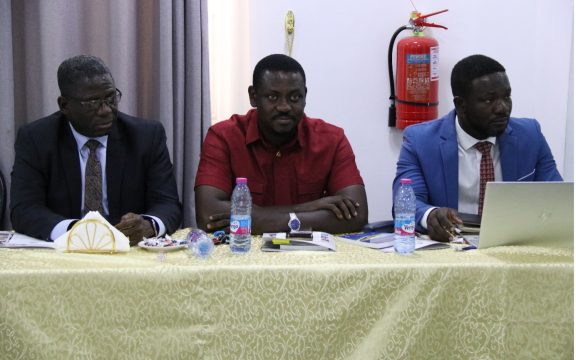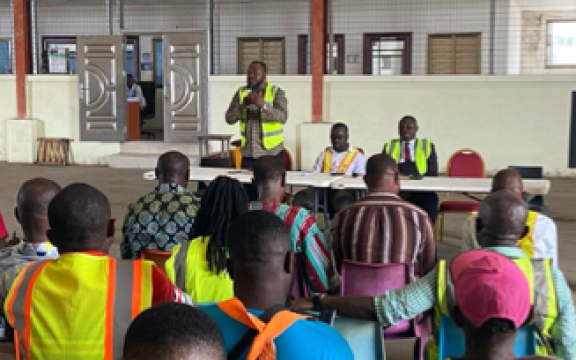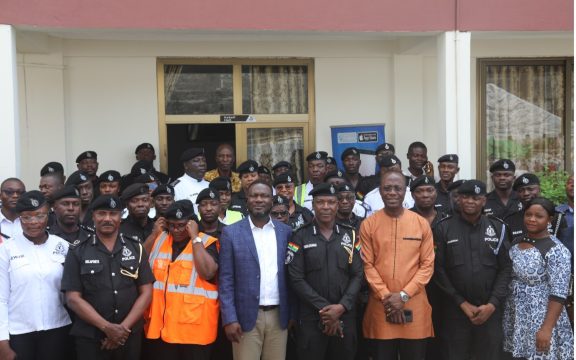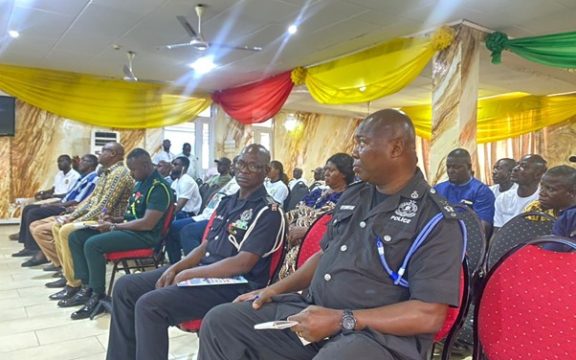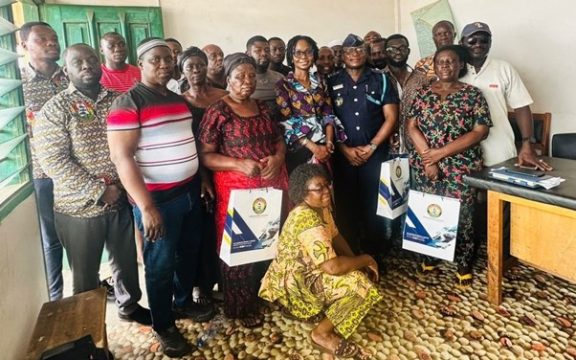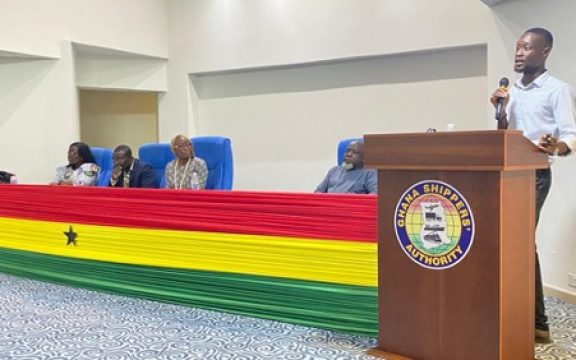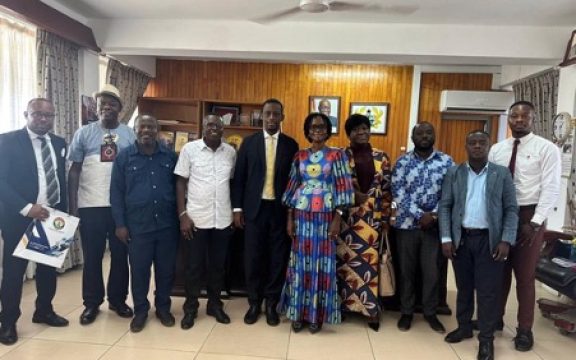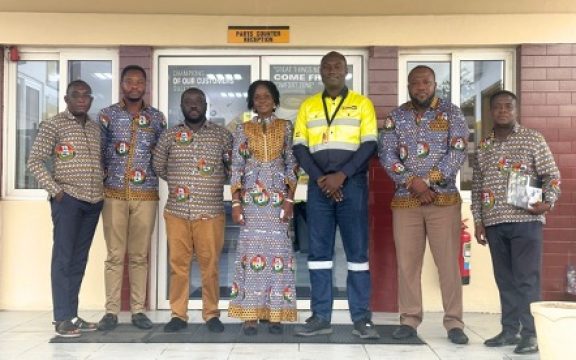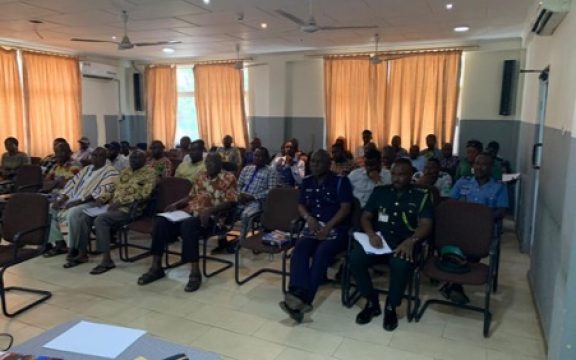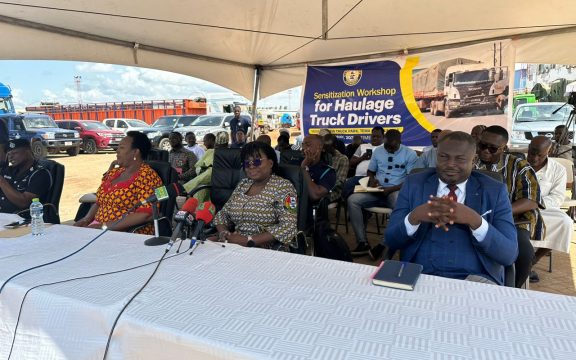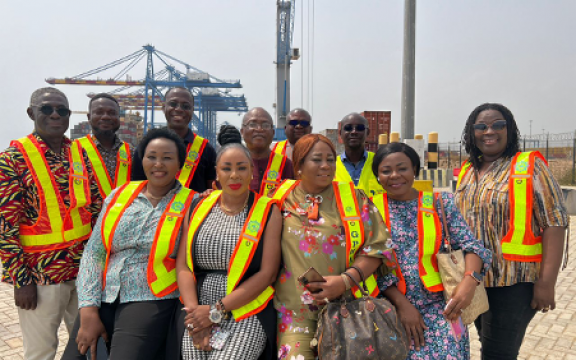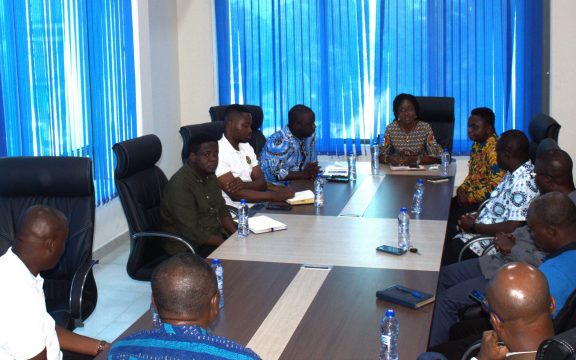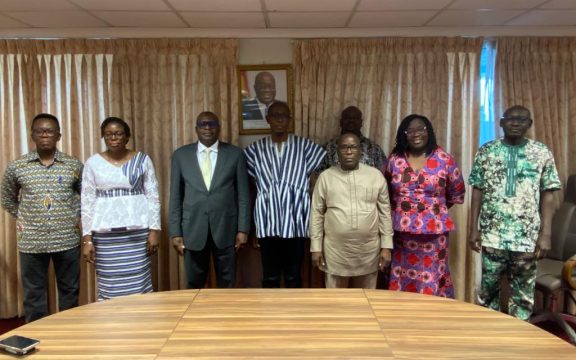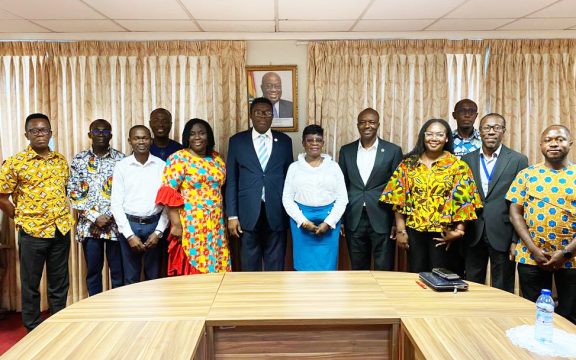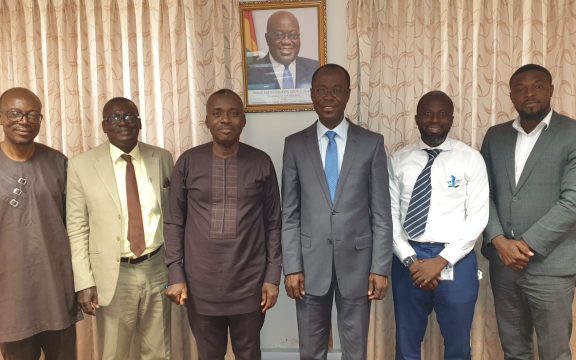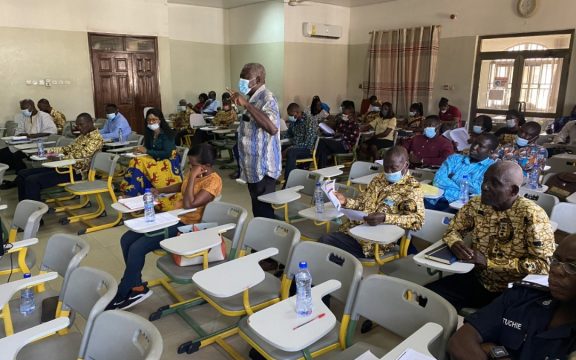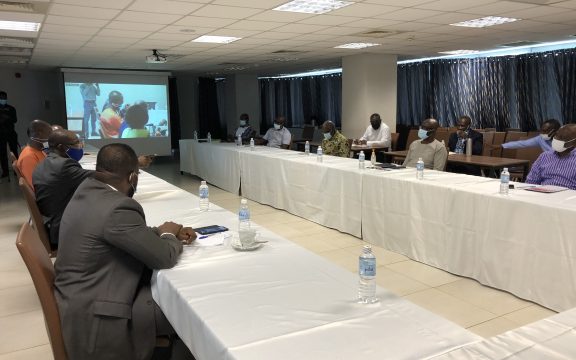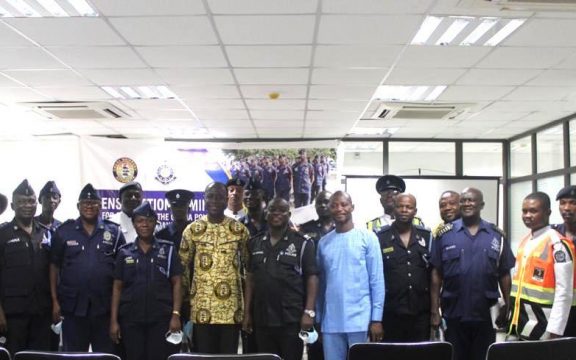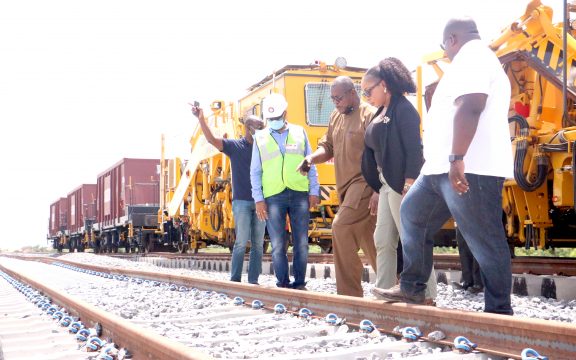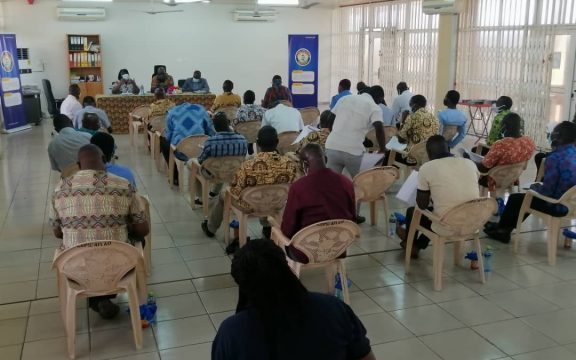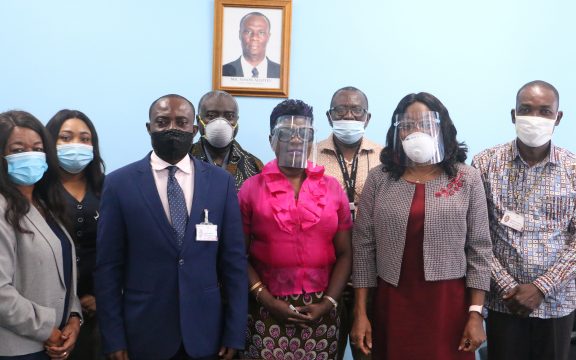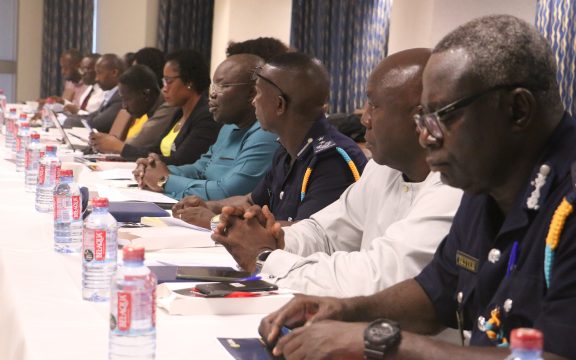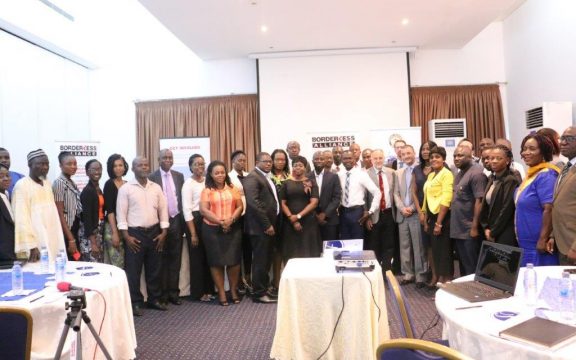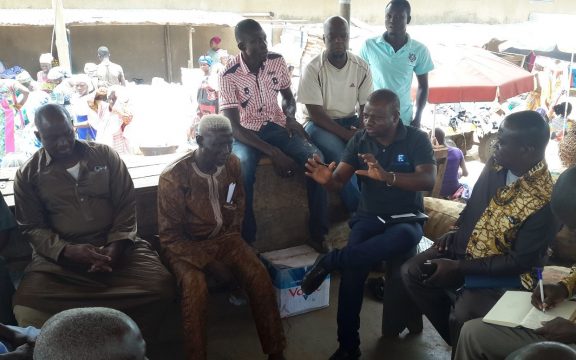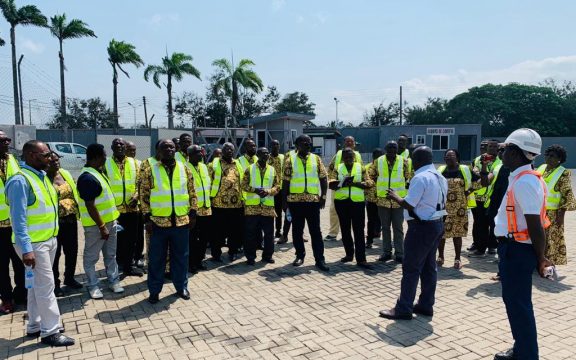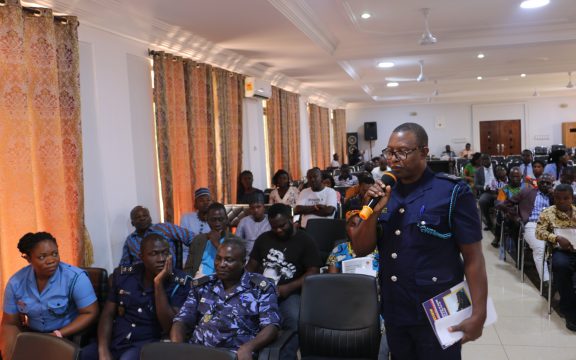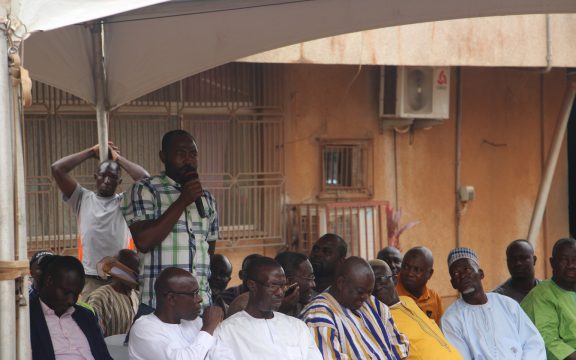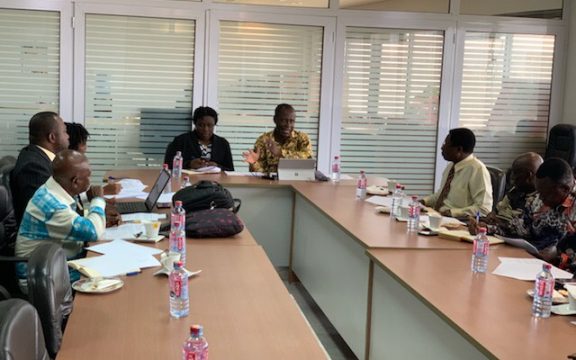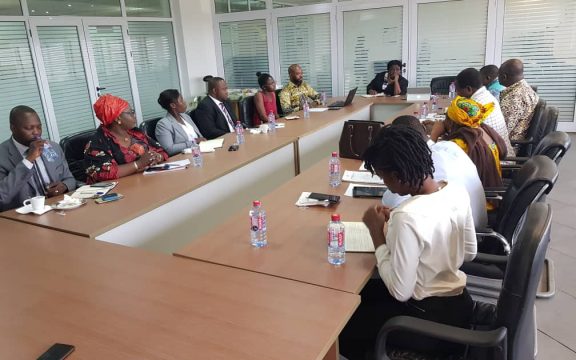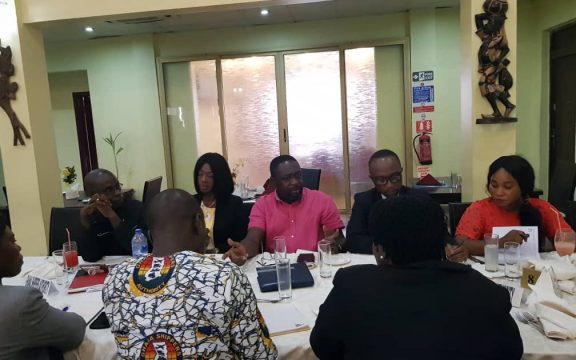

The Ashanti Regional Minister, Dr. Frank Amoakohene, on 30 September 2026 led the Regional Security Council (REGSEC) on a working visit to the Boankra Integrated Logistics Terminal (BILT) to assess progress on the project and gain firsthand insight into the challenges affecting its completion and operationalisation.
The visit, undertaken in collaboration with the Ghana Shippers’ Authority (GSA), provided an opportunity for the delegation to observe ongoing construction works and assess the infrastructure developed to date. The delegation toured various sections of the terminal, including areas where extensive earthworks and terminal filling, internal roads and drainage systems, concrete platforms, warehouse structures, administrative and operational facilities, and other supporting infrastructure are being developed.
 Phase One of the project is currently estimated to be 65 per cent complete.
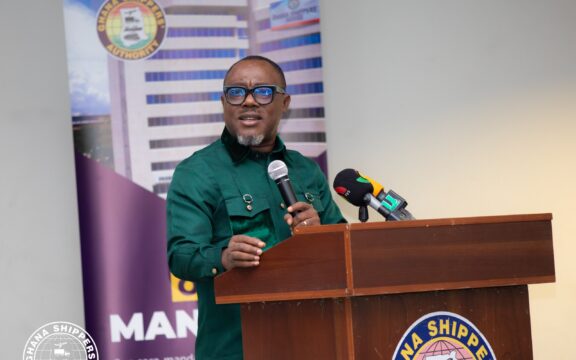
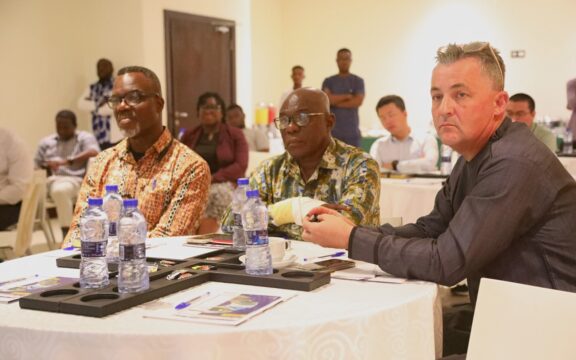
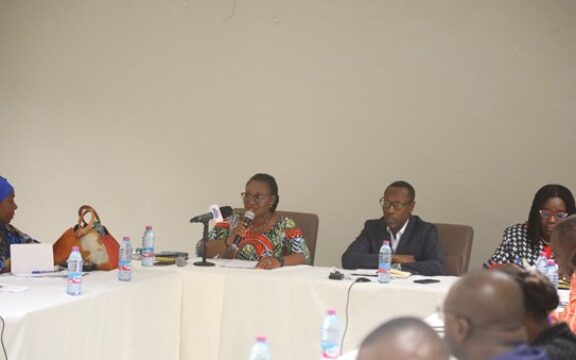
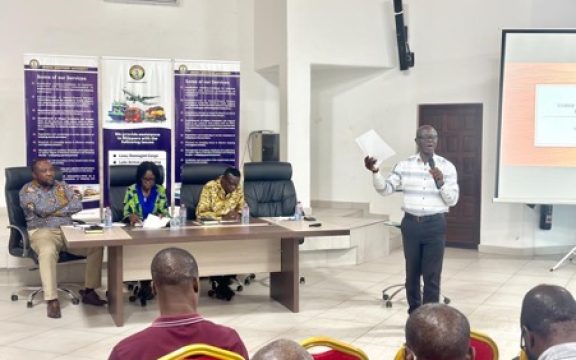
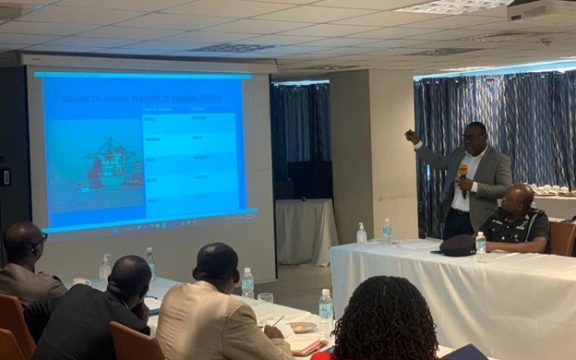
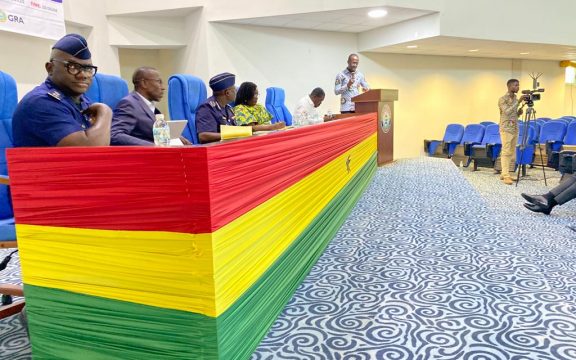
Briefing the delegation, the Chief Executive Officer of the GSA, Prof. Ransford Gyampo, provided an update on the project’s progress and outlined some of the factors that have influenced its completion over the years.
He explained that macroeconomic conditions and funding constraints had been the principal factors affecting the pace of completion, rather than technical limitations, with efforts continuing to address the outstanding requirements for the project’s completion and operationalisation.
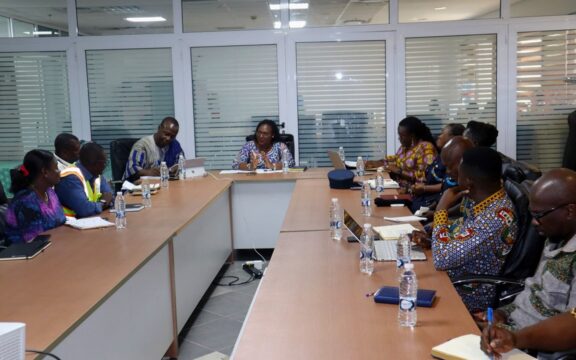
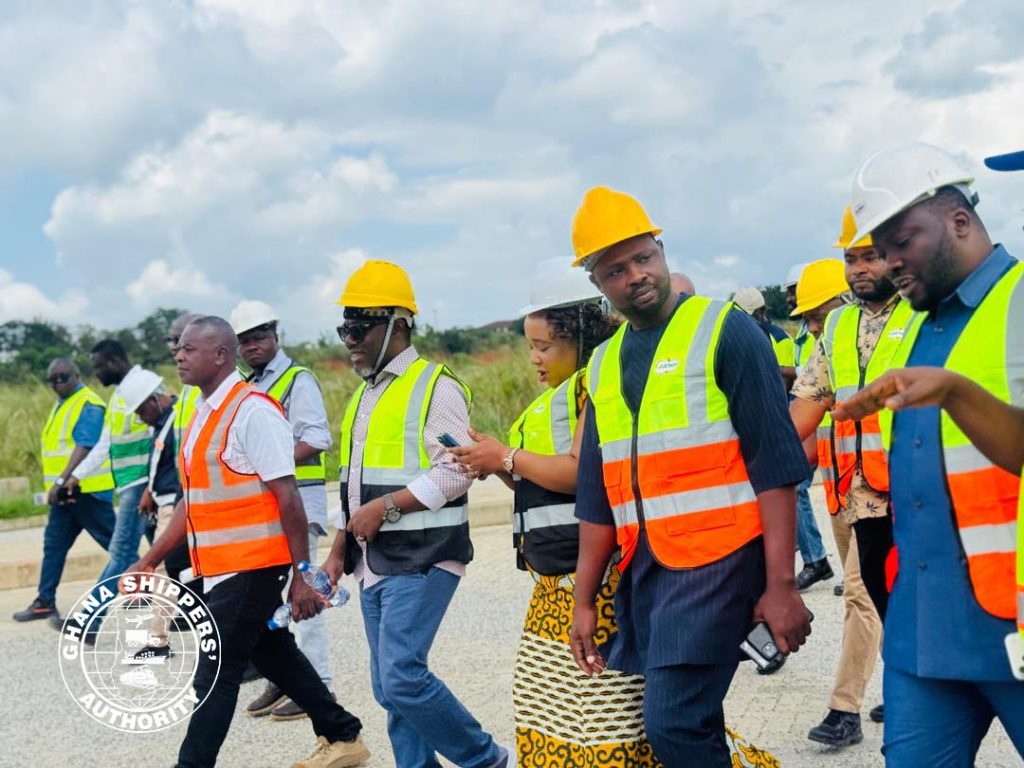 Dr. Amoakohene reaffirmed the Government’s commitment to the BILT project and indicated that his office is working with GSA to prepare a roadmap for the completion of Phase One. The roadmap is expected to be submitted to the Ministry of Finance for consideration and approval as part of efforts to secure the funding required to advance the project.
He noted that GSA had previously explored a Public-Private Partnership (PPP) arrangement as a possible financing option. However, the current approach under consideration is to secure full government funding, which would allow the Government of Ghana to retain ownership of the facility as a strategic national asset.
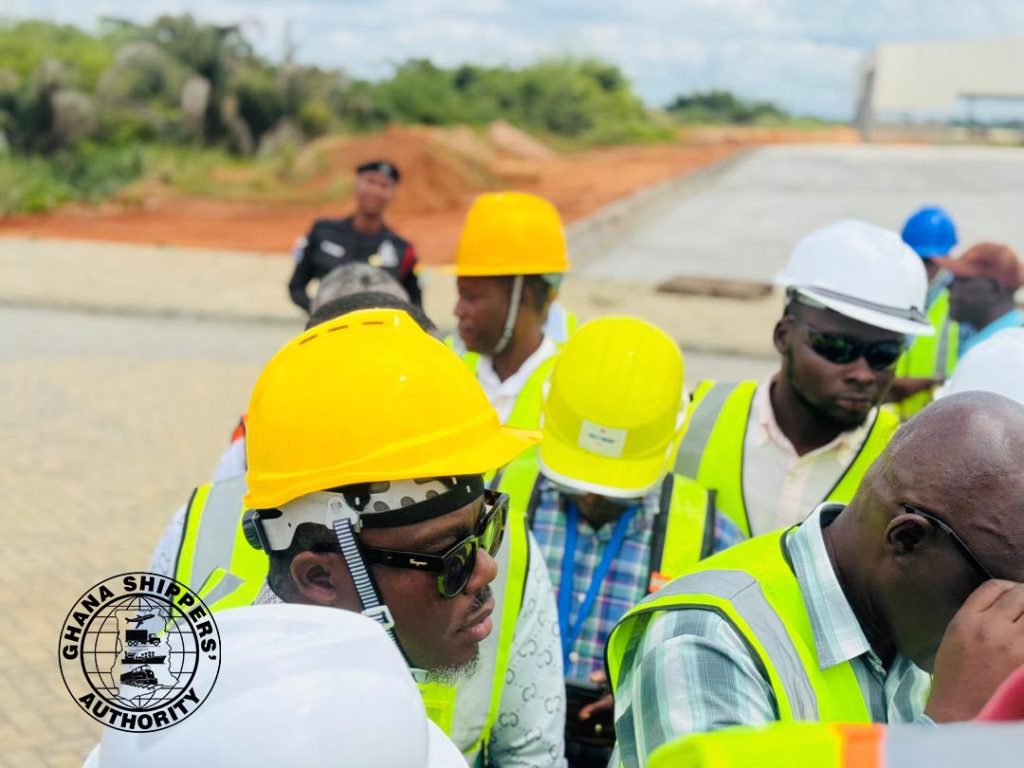 The Minister emphasised the importance of the terminal to trade and logistics development, particularly in the Ashanti Region and northern Ghana. He noted that its eventual operationalization could create business opportunities, improve cargo movement, facilitate transit trade and strengthen Ghana’s position as a logistics hub within the West African sub-region.
The proposed roadmap is expected to set out the financial and technical requirements for completing Phase One, while providing a clearer pathway towards the terminal’s eventual operationalisation.
 Against this backdrop, the working visit underscored the strategic importance of BILT and the need for sustained collaboration between GSA, Government and other relevant stakeholders to address the funding and implementation challenges affecting the project.
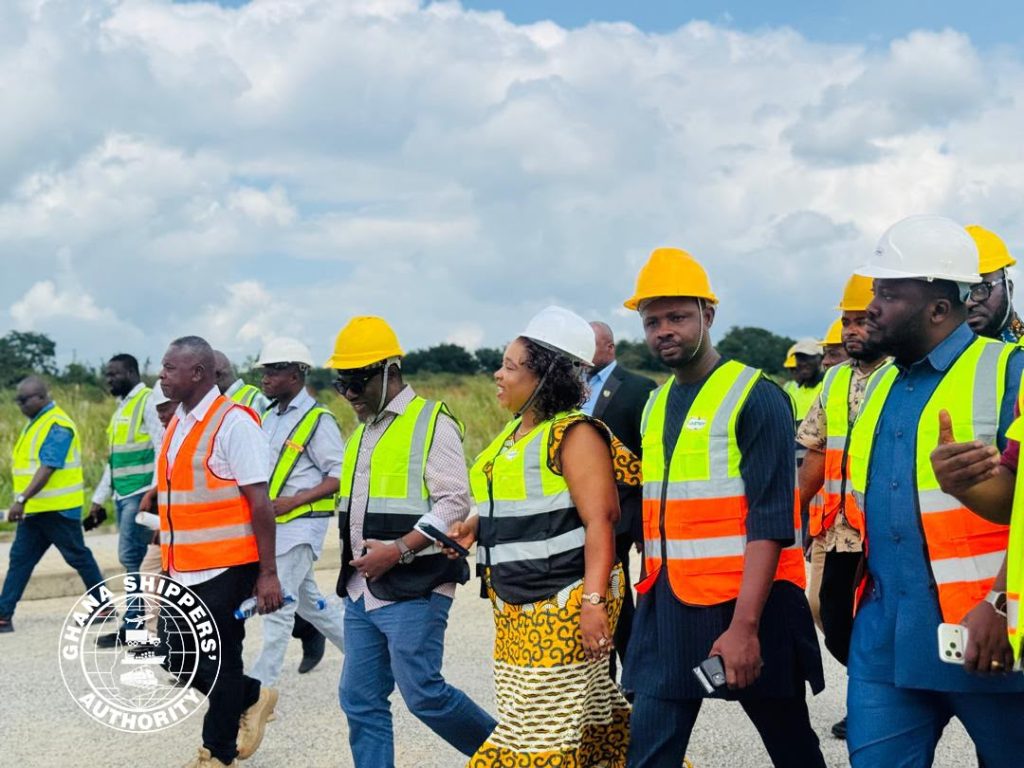 With its eventual operationalisation, BILT is expected to play a significant role in strengthening Ghana’s trade and logistics infrastructure by improving cargo handling, storage and movement along key trade corridors. Beyond enhancing trade facilitation and logistics efficiency, the terminal has the potential to expand opportunities for businesses, support regional economic activity and reinforce the Ashanti Region’s position as an important logistics and commercial hub.