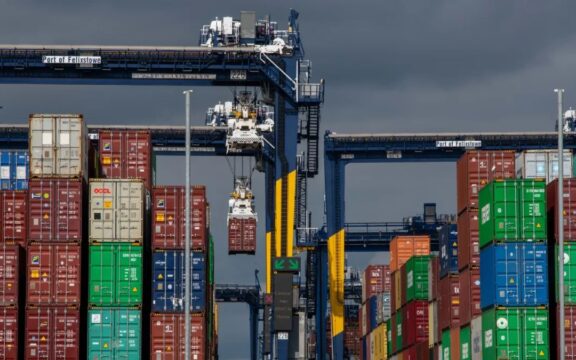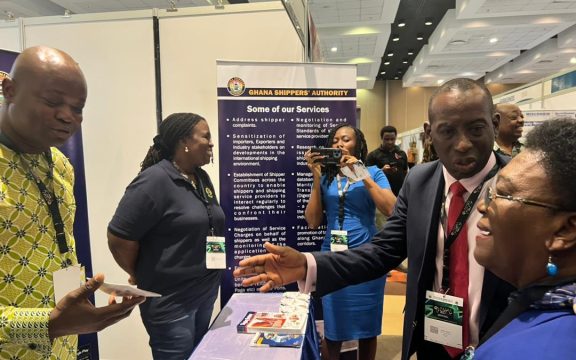


The Ghana Shippers’ Authority (GSA) has intensified its drive to sanitize the commercial shipping industry, pledging to leverage the new Ghana Shippers’ Authority Act, 2024 (Act 1122) to eliminate operational inefficiencies and arbitrary costs.
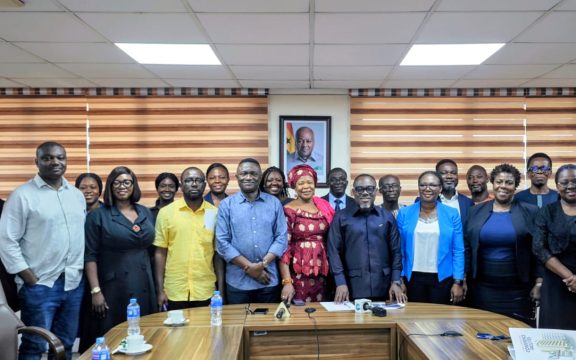
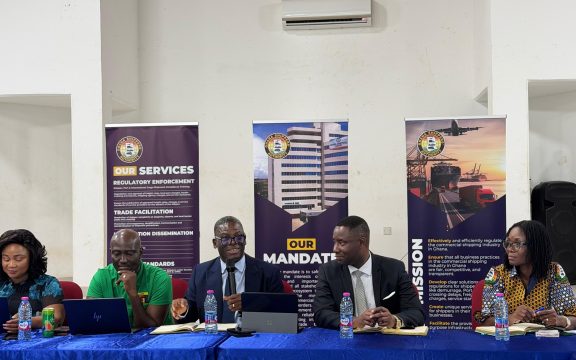
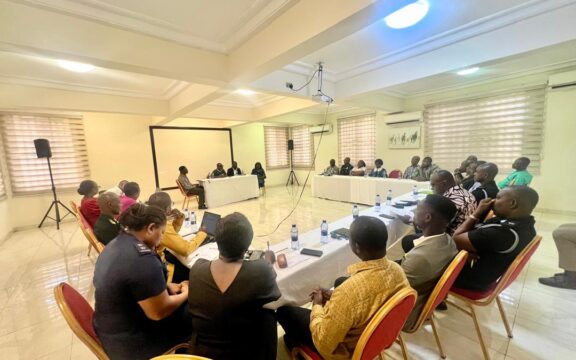
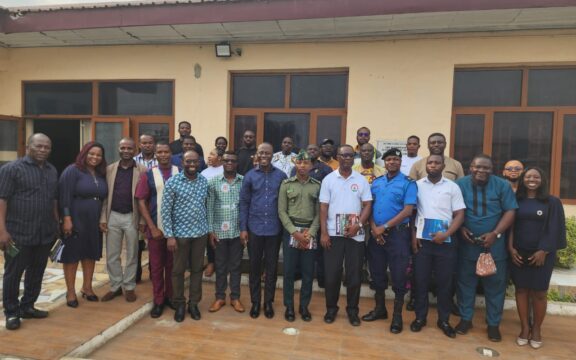
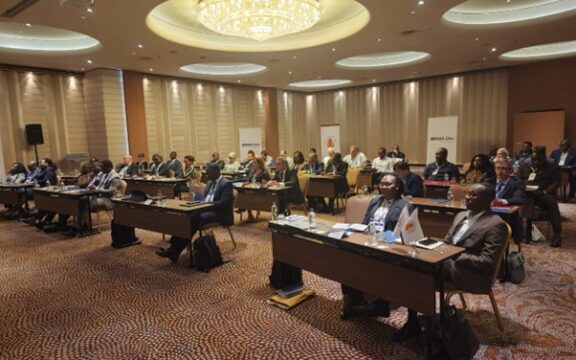
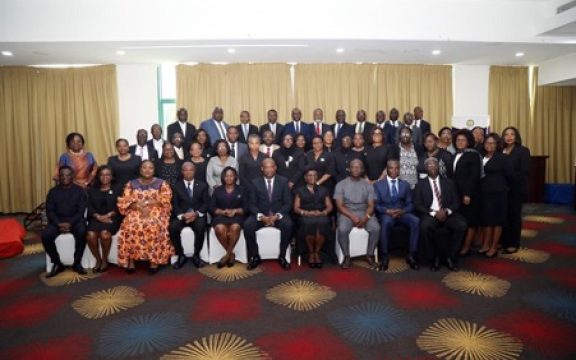
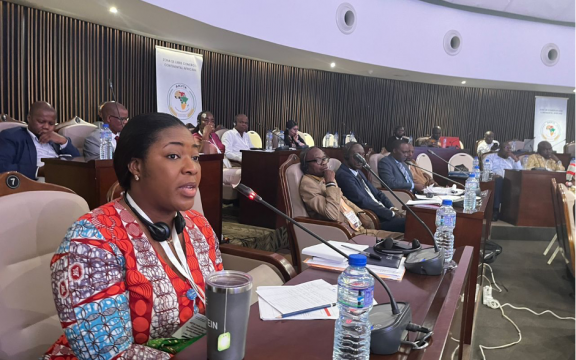
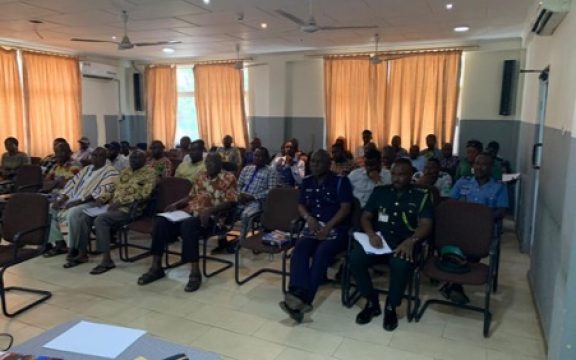
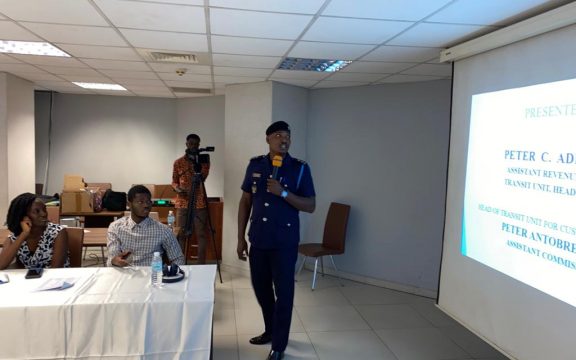
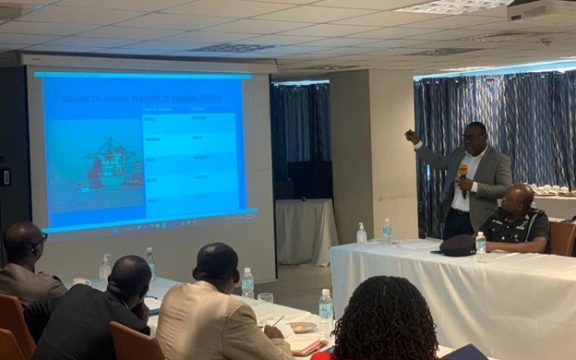
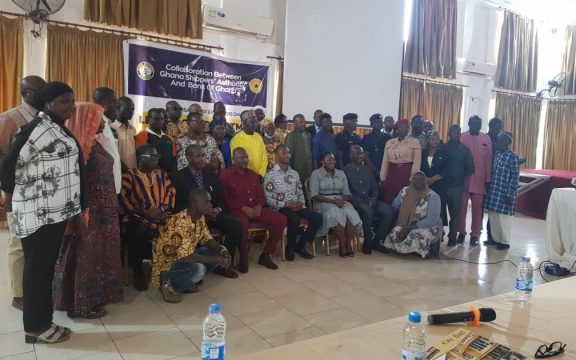
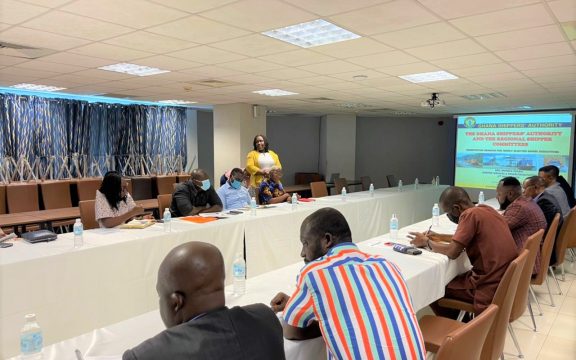
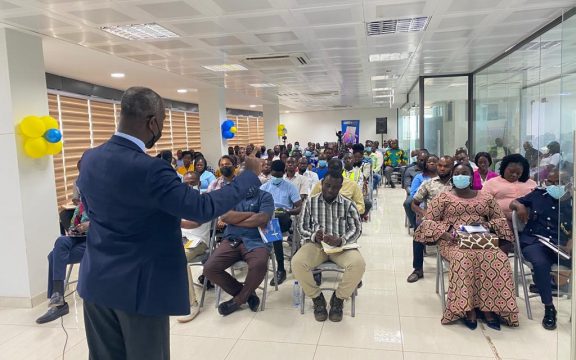
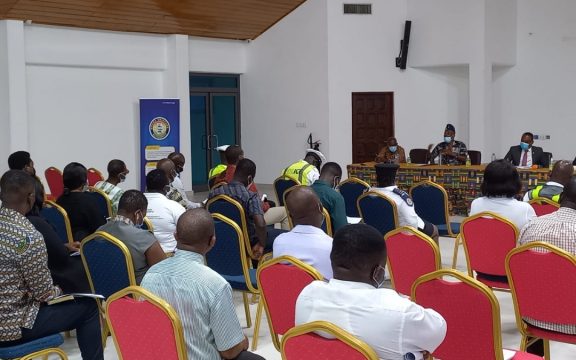
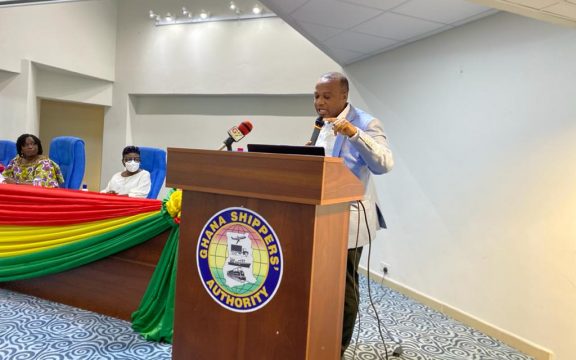
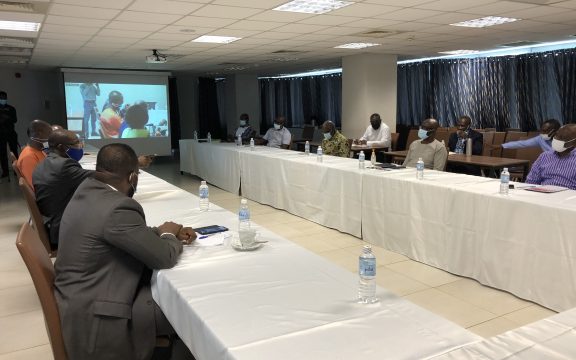
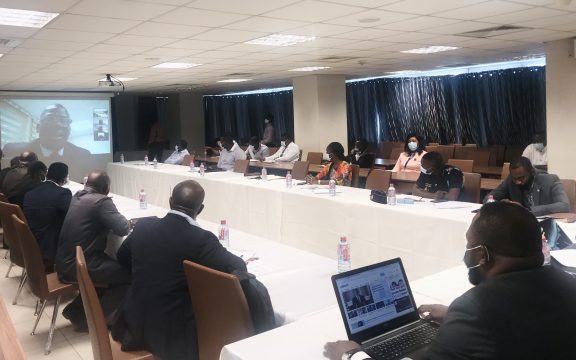
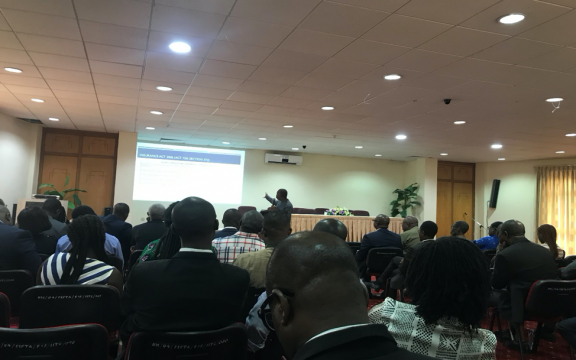
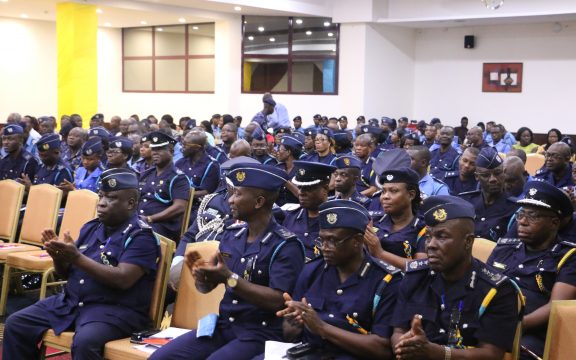
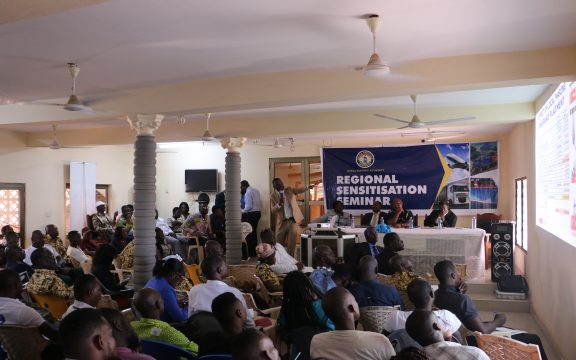
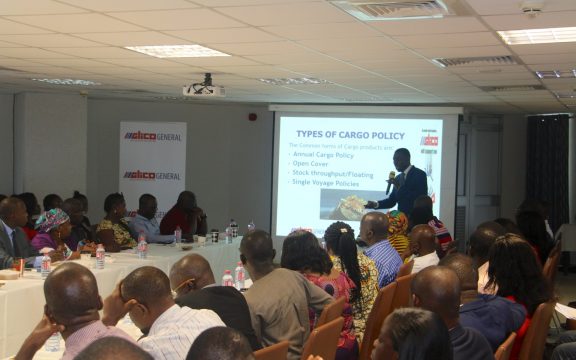
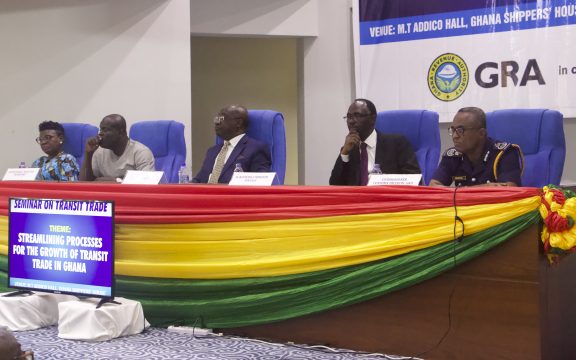
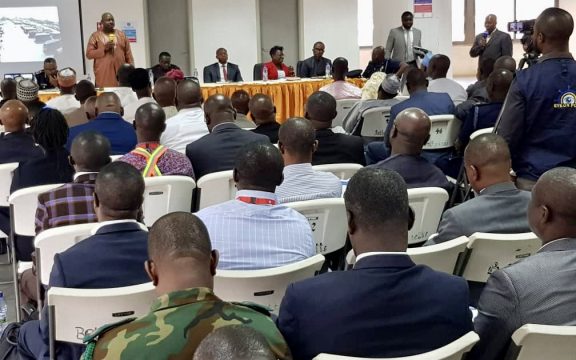
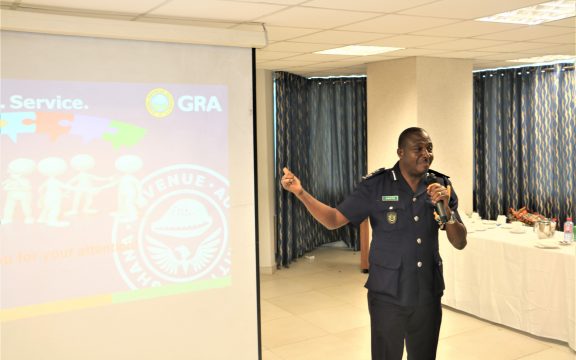
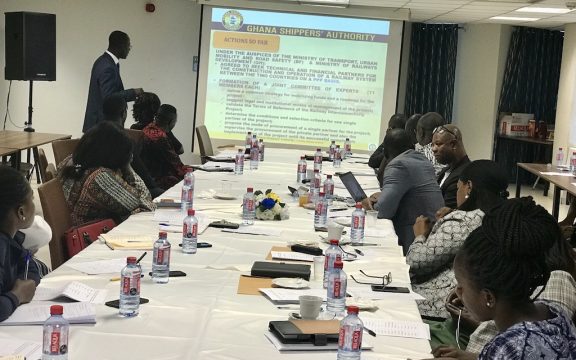
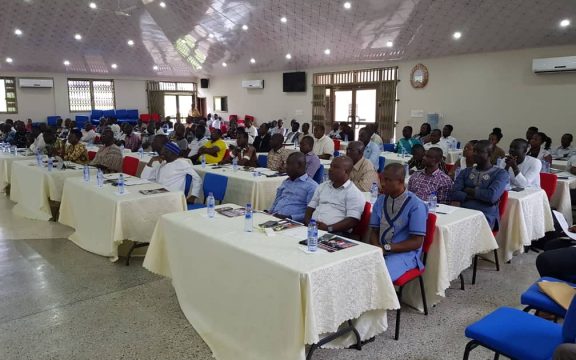
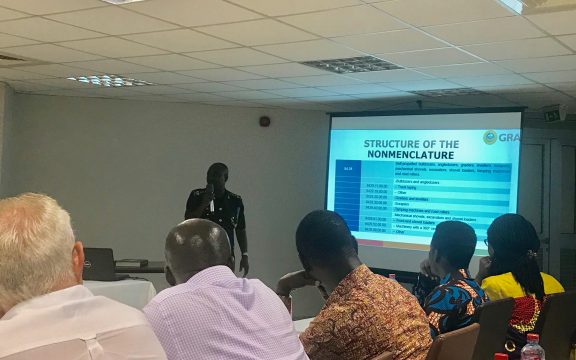
The GSA’s renewed commitment was the central theme at the Shipper–Stakeholders’ Committee Meeting held on Tuesday, 16 December 2025, at the M.T. Addico Conference Hall, Ghana Shippers’ House.
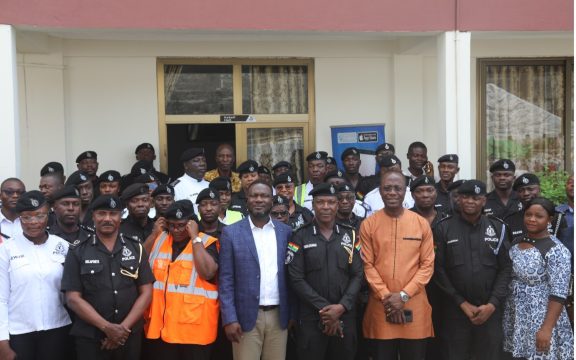
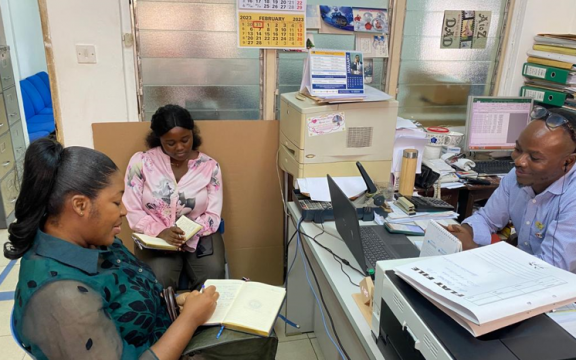
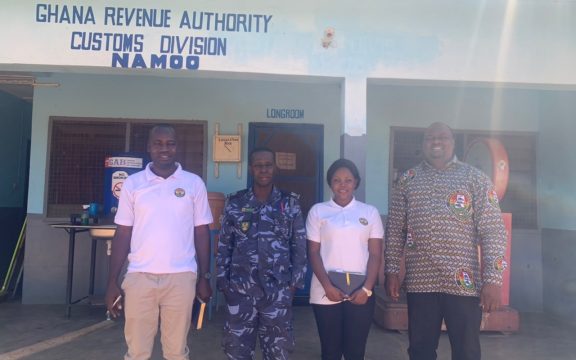
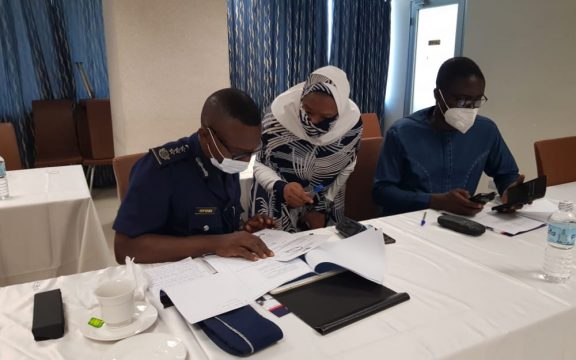
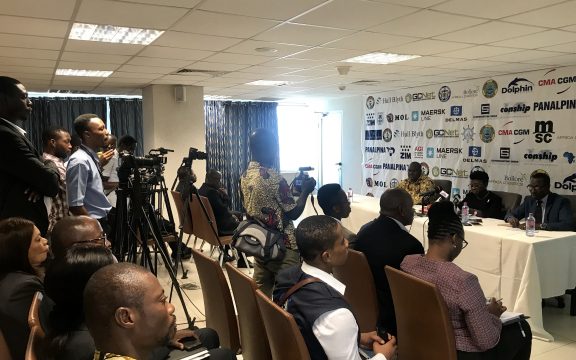
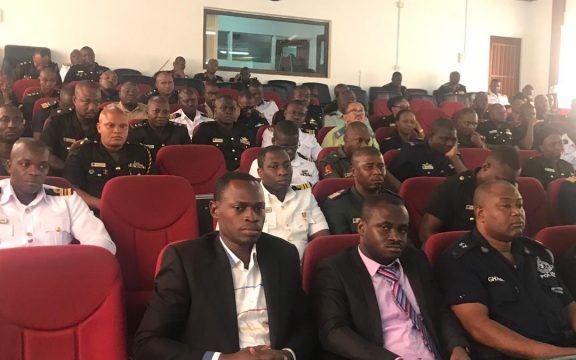
 The forum served as a high-level melting pot for the industry’s most influential players. It brought together key state Regulators and Security Agencies, including the Ghana Revenue Authority (GRA), ICUMS, National Security, the Ghana Police Service, and the Ghana Immigration Service. The presence of the Food and Drugs Authority (FDA), Ghana Standards Authority, Narcotics Control Commission (NACOC), and Port Health underscored the meeting’s focus on streamlining the inspection and clearing value chain.
The private sector was equally well-represented, with logistics giants such as DHL, FedEx, Swissport, and Aviance joining forces with the Joint Association of Port Transport Unions (JAPTU) and various Freight Forwarders Associations to review the performance of the sector in 2025 and also set a strategic agenda for the coming year.
 ●Bridging the Regulatory Gap
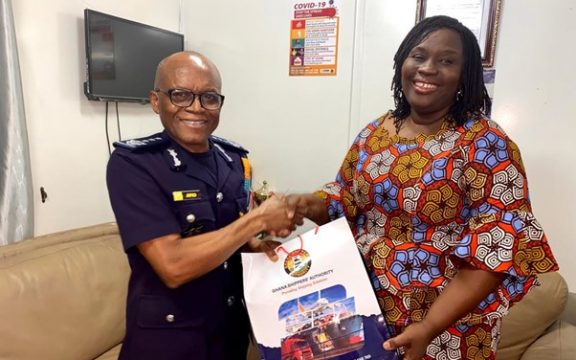
Opening the meeting on behalf of the Chief Executive Officer of the GSA, Prof. Ransford Gyampo, the Head of the Shipper Services and Trade Facilitation Department, Mrs. Monica Josiah, described the forum as a critical platform for reflection, dialogue, and collaboration.
“Today’s meeting provides an important platform for us to reflect on our collective performance, acknowledge existing challenges, and, most importantly, work together to identify practical and sustainable solutions that will advance Ghana’s shipping industry,” Mrs. Josiah stated.
She noted that shippers and shipper services providers continued to face several operational and regulatory challenges in 2025, including delays in inter-terminal container movements, frequent downtimes in the ICUMS system, screening- and inspection-related damages to air exports, inadequate trade-related infrastructure, extortion and harassment, as well as the imposition of arbitrary charges and exchange rates by some service providers.
While commending the Agencies for the interventions already undertaken to enhance the services provided to the sector, she stressed the need for collective responsibility.
“Every stakeholder has a role to play in proactively facilitating international trade through our ports and transit corridors,” she emphasized.
 ●Cracking Down on Arbitrary Charges
A major highlight of the meeting was the GSA’s progress in enforcing transparency in the cost of doing business. Mrs. Josiah announced a significant victory for the aviation sub-sector; the abolition of Airline Handling and Documentation Charges. She described those fees as “illegitimate,” assuring the Committee that, enforcement of the abolition remains a top priority, and full compliance would be ensured.
She further noted that GSA is monitoring the directive of the Bank of Ghana (BoG) with respect to the application of foreign exchange rates to ensure that the exchange rates applied by shipping Lines reflect approved commercial bank rates, to protect shippers from the volatility of arbitrary billing.
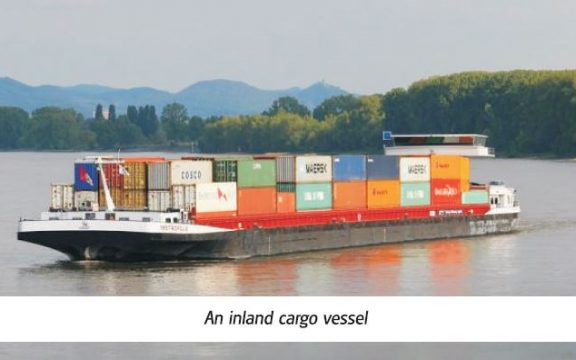
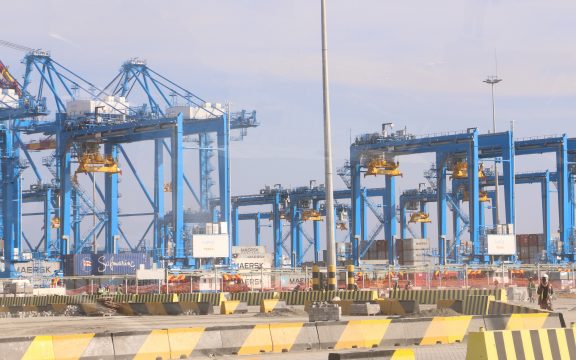
Mrs. Josiah also disclosed that operations at the Boankra Inland Logistics Terminal (BILT ) are expected to commence in 2026, describing the facility as “a game-changer for Ghana’s trade logistics architecture.”
The meeting further highlighted the shipping sector’s growing support for the Government’s 24-Hour Economy Initiative, with port operations being conducted round the clock. Mrs. Josiah revealed that GSA has established a 24-hour Helpline to provide continuous support to shippers and shipping service providers.
●Stakeholder Perspectives
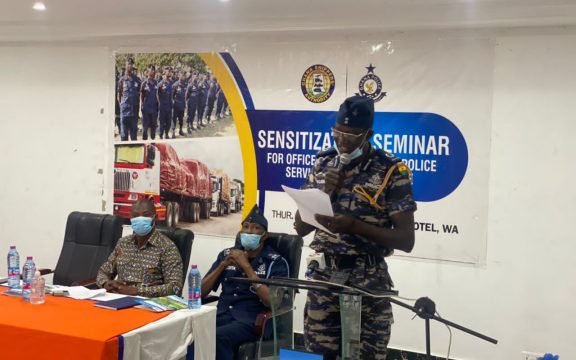
The session saw active participation from industry unions such as JAPTU, who acknowledged a noticeable reduction in road extortion but called for continuous training for officers of the Police MTTD.
Meanwhile, the Ghana Ports and Harbours Authority (GPHA) addressed concerns regarding cargo clearance delays, explaining that many bottlenecks stem from the late initiation of documentation by shippers.
 Concluding the meeting, Mrs. Josiah underscored the importance of sustained collaboration among stakeholders.
“Sustained collaboration remains critical to enhancing efficiency, safeguarding shipper interests, and positioning Ghana as a competitive logistics hub in the sub-region,” she said.
While GSA acknowledges the notable achievements chalked in its quest to ensure a sector that is fairly regulated for efficiency, effectiveness and sustainable viability, it reiterated its resolve not to rest on its oars until the surmountable challenges that plague the sector unduly are conclusively eliminated within the confines of Act 1122 (2024).