
The efficiency of Ghana’s air cargo sector is often determined by what happens long after an aircraft touches down. For shippers and freight forwarders, delay in approvals, scanning, endorsements and cargo handling can quickly turn a routine clearance process into a costly exercise, particularly when the goods involved are perishable or time sensitive.
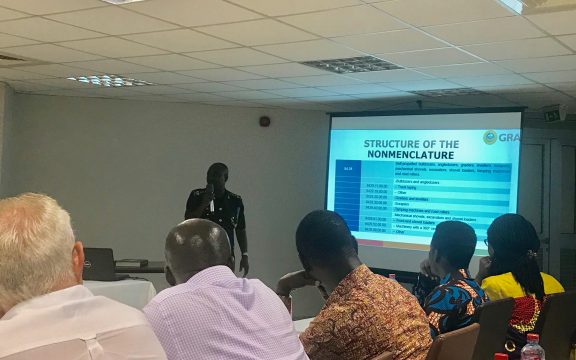
It was against this backdrop that the Ghana Shippers’ Authority (GSA) held a stakeholder meeting at the Accra International Airport (AIA) on Wednesday, 26th August, 2026, to and address operational challenges affecting shippers, freight forwarders and cargo operators.
 The meeting brought together key stakeholders, including the Food and Drugs Authority (FDA), National Security, Ghana Airports Company Limited (GACL), Ghana Civil Aviation Authority (GCAA), Environmental Protection Authority, Swissport and other service providers.
The meeting, s co-chaired by Rev. Alex Yeboah of the Ghana Civil Aviation Authority and Mr. Kingsley Fiakye Amporful of the Ghana Airports Company Limited, reflected the collaborative approach required to address operational challenges across the airport cargo value chain.
Among the concerns raised were delay in import and exemption approvals, high storage charges, delay in cargo scanning, National Security endorsements and challenges associated with the payment for Swissport invoices.
Stakeholders also called for improved handling of perishable export cargo, clearer guidance on the Ghana Standards Authority’s Easypass platform and more efficient payment options for Swissport invoices.

Addressing the meeting, the Head of Shipper Services and Trade Facilitation at the GSA, Mrs. Monica Josiah said that the stakeholder engagement had been instituted at the Accra International Airport as part of the Authority’s effort to address recurring challenges that confront users of the air cargo facilities.
She explained that such periodic engagements would be organised to monitor outstanding issues, strengthen collaboration among relevant institutions and service providers, and to develop practical solutions to operational bottlenecks.
Mrs. Josiah noted that resolving the challenges was critical, not only to improving trade facilitation, but also to enhancing the competitiveness of air cargo transportation in Ghana. She emphasised that efficient and predictable cargo handling processes were essential to supporting businesses engaged in international trade, particularly exporters dealing in time sensitive and perishable commodities where delay can directly affect the value and marketability of goods.
 The stakeholder meeting forms part of GSA’s broader mandate to protect the interests of shippers and shipping service providers to promote an efficient, competitive and business friendly trading environment.
Through sustained engagement with government agencies, regulators and ground handlers, GSA seeks to ensure that challenges within the cargo clearance and handling process are identified early and addressed through coordinated interventions that translate into tangible improvements in cargo operations and service delivery in good time.