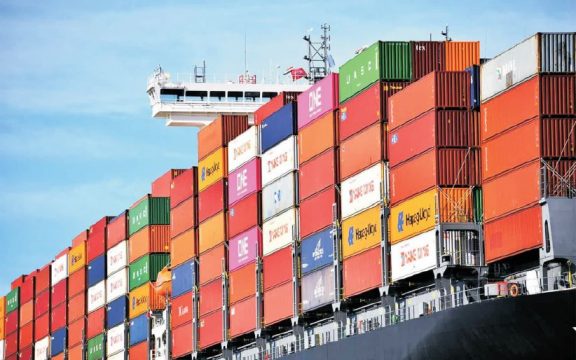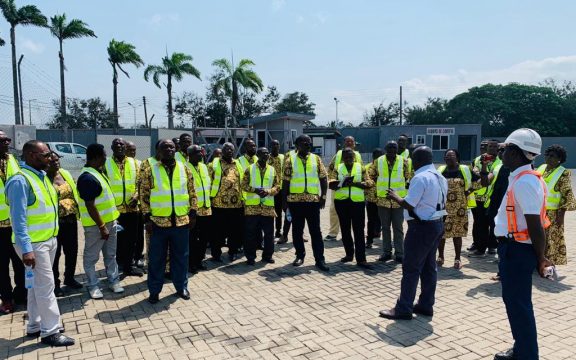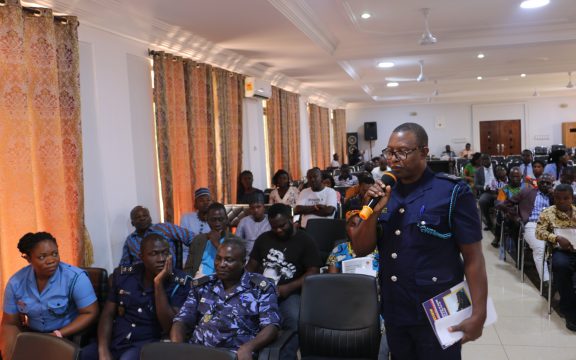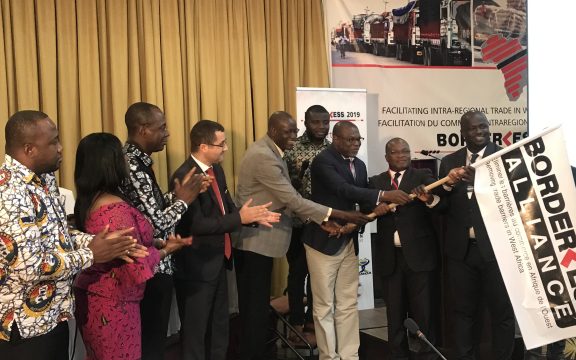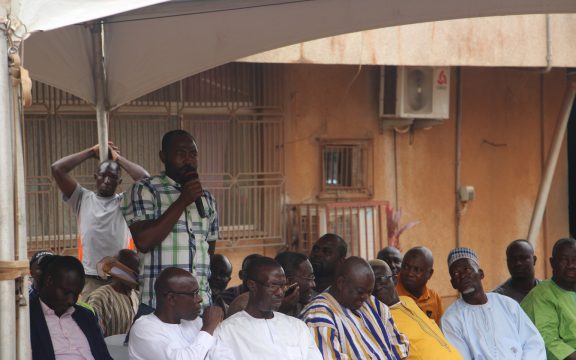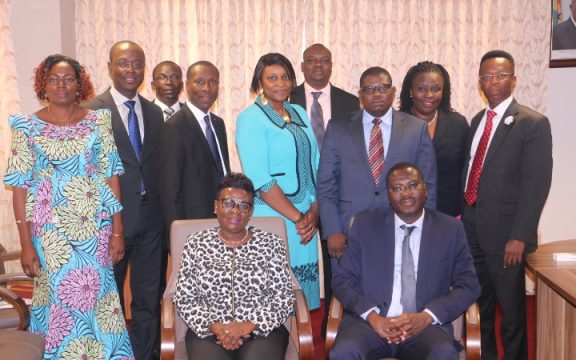


The Ghana Shippers’ Authority (GSA) is intensifying efforts to identify and address Non-Tariff Barriers (NTBs) affecting the movement of transit cargo along Ghana’s major trade corridors, as part of broader measures to improve trade facilitation and strengthen the efficiency of the country’s transit system.
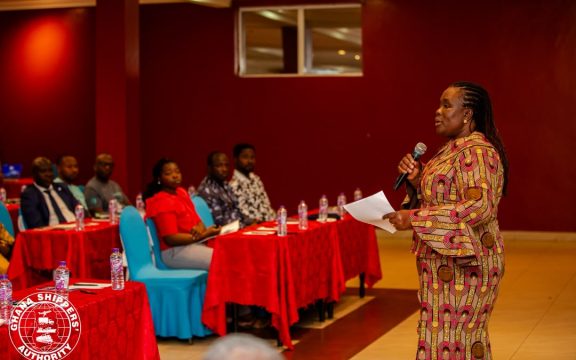
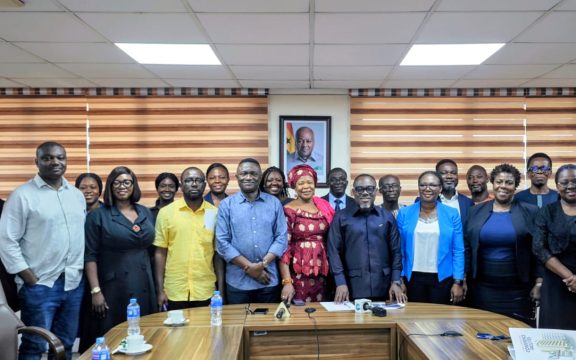
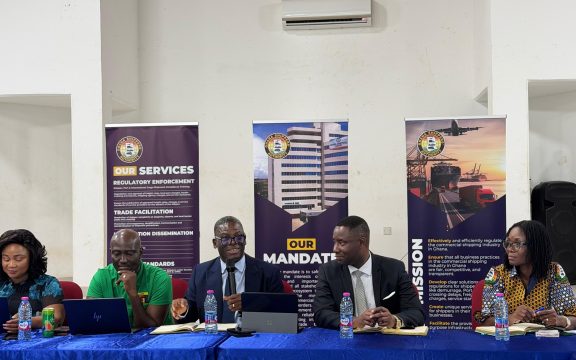
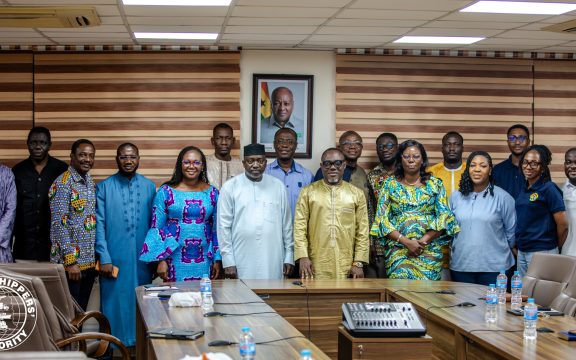
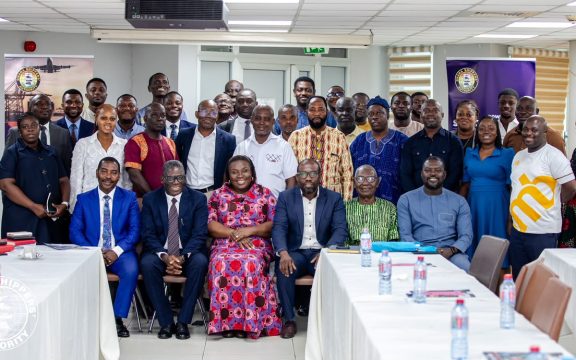
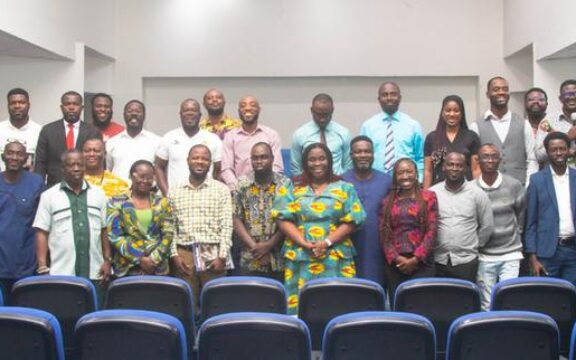
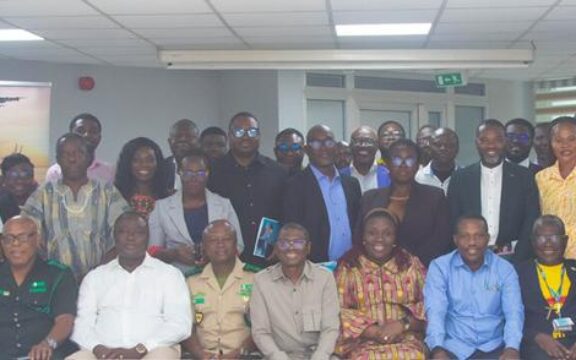
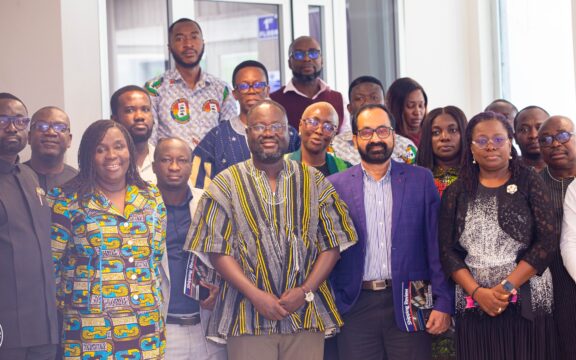
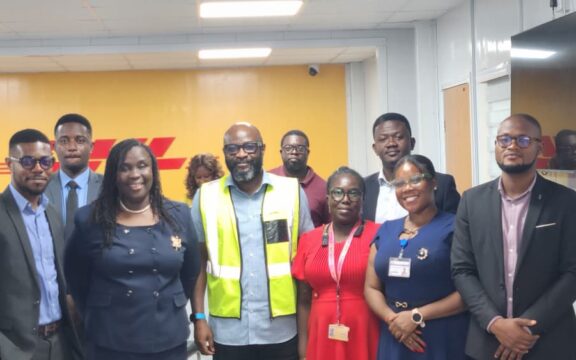
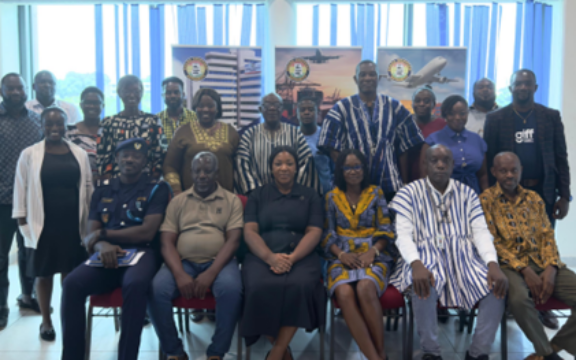
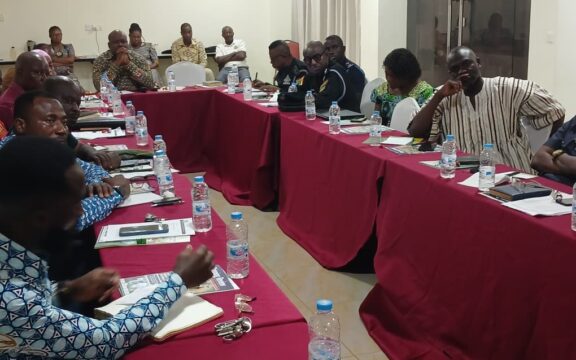
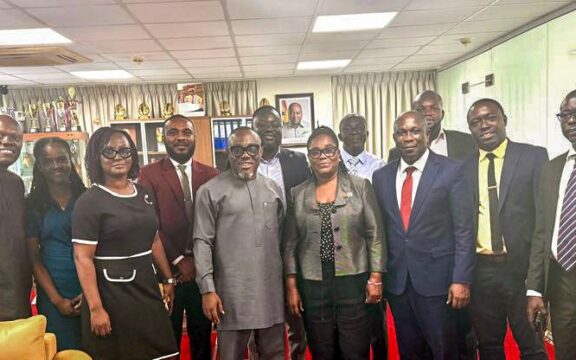
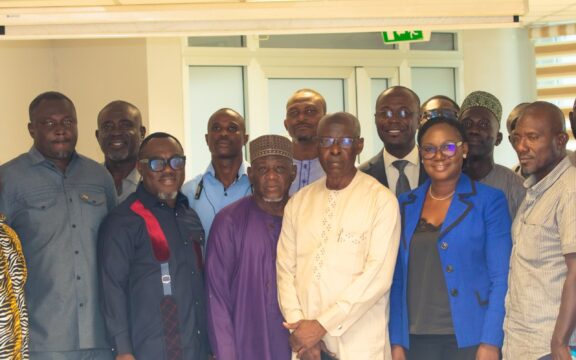
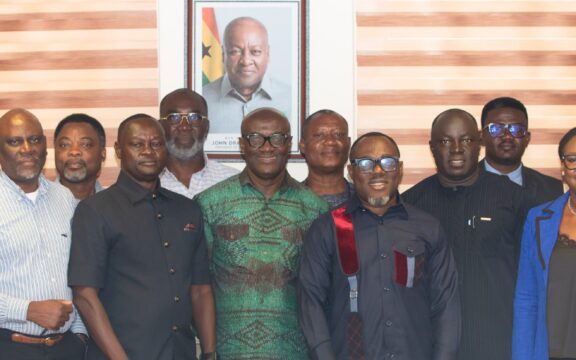
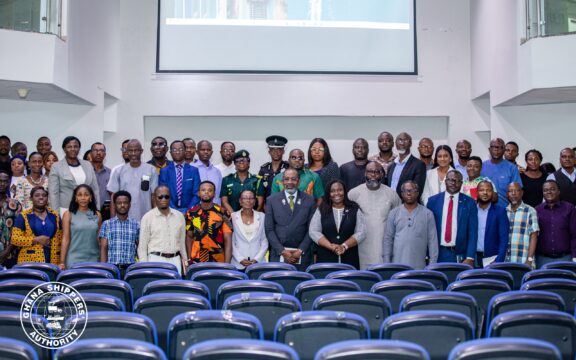
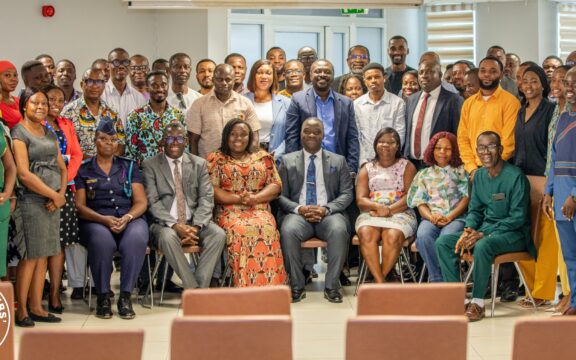
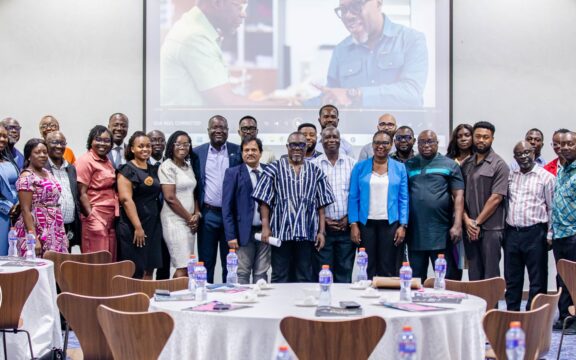
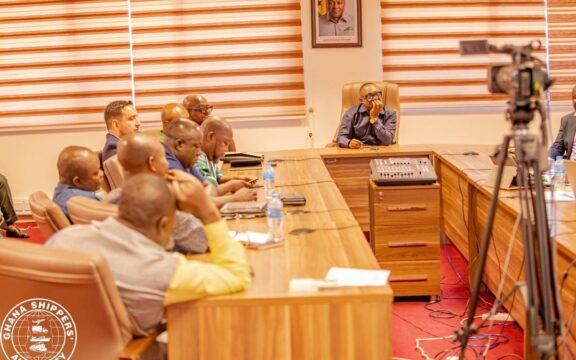
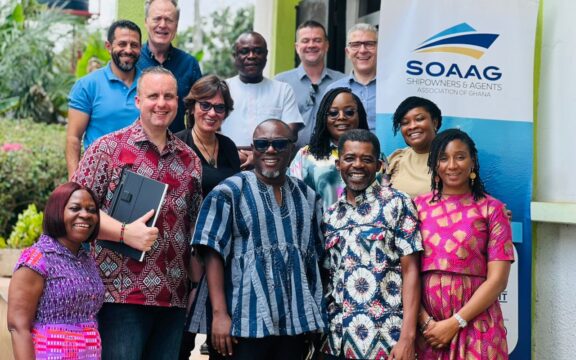
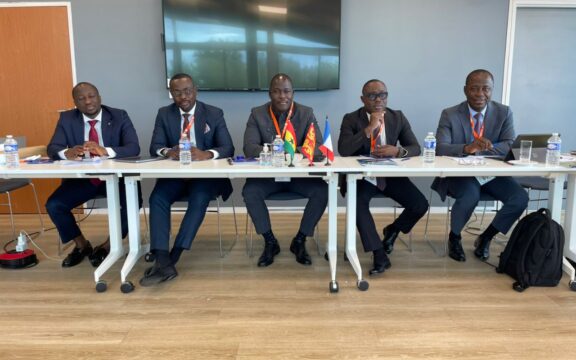
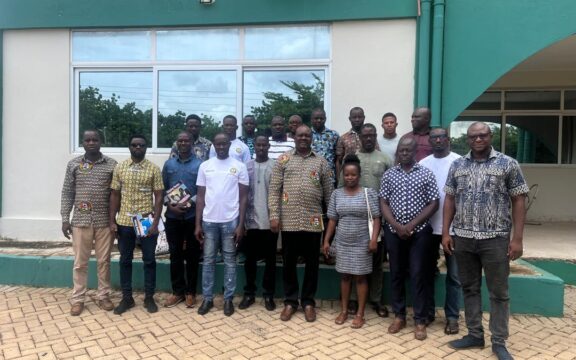
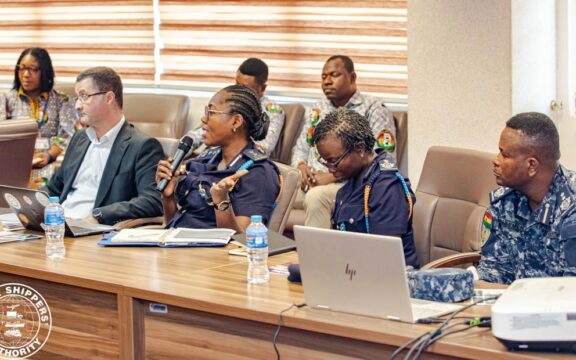
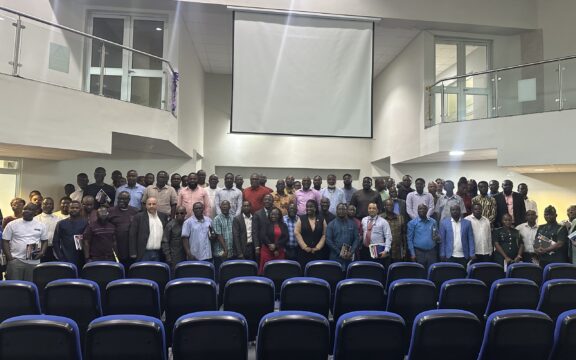
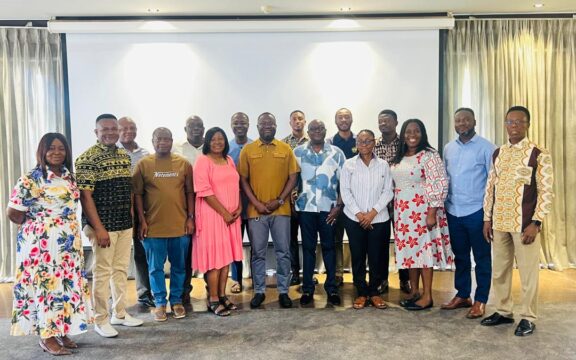
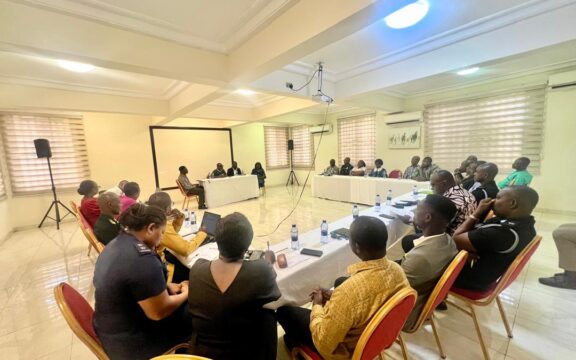
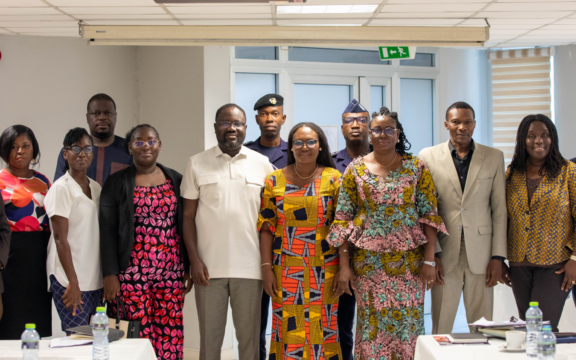
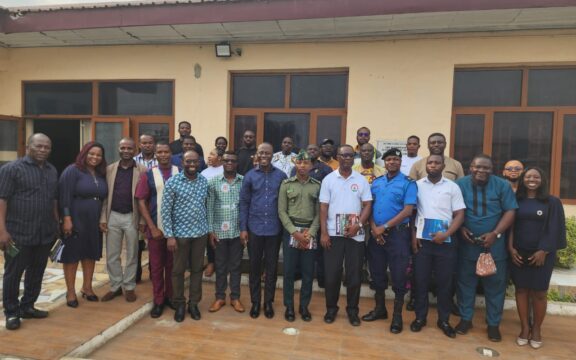
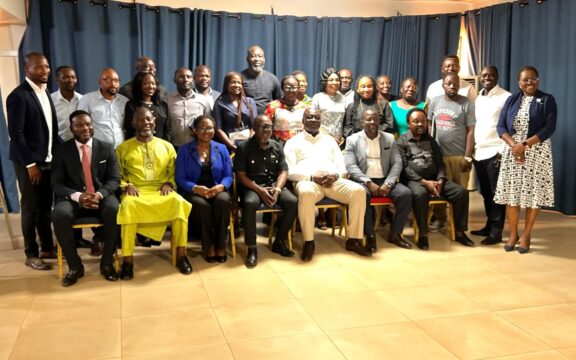
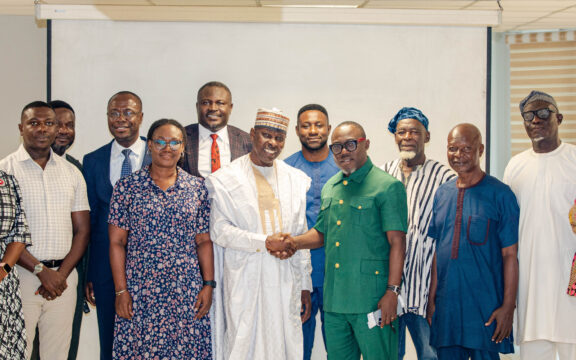
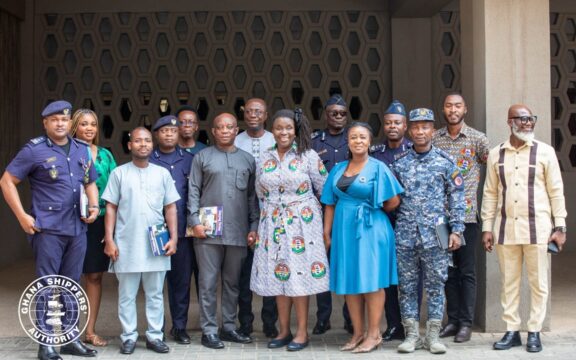
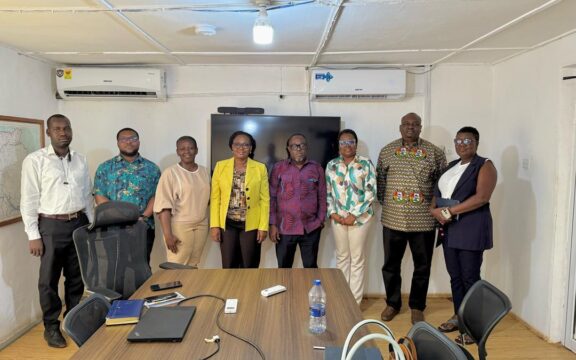
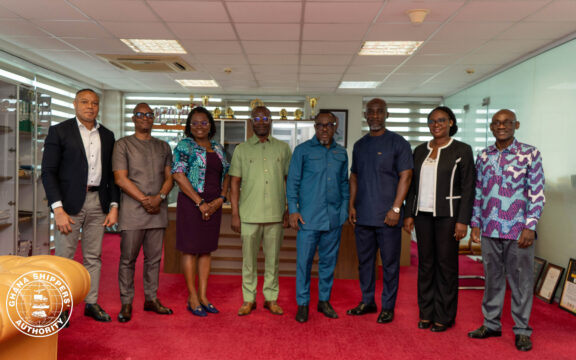
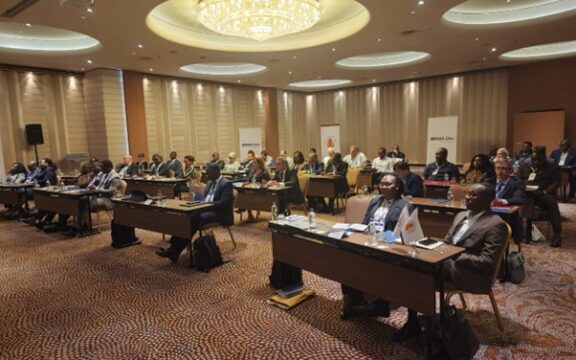
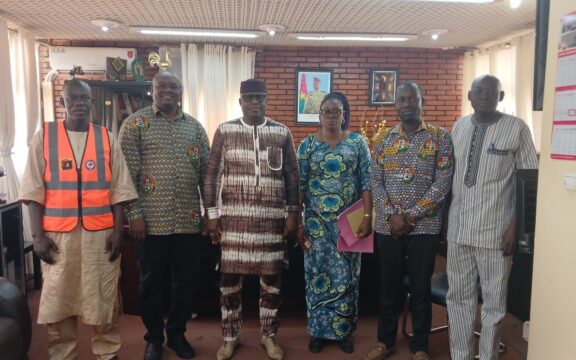
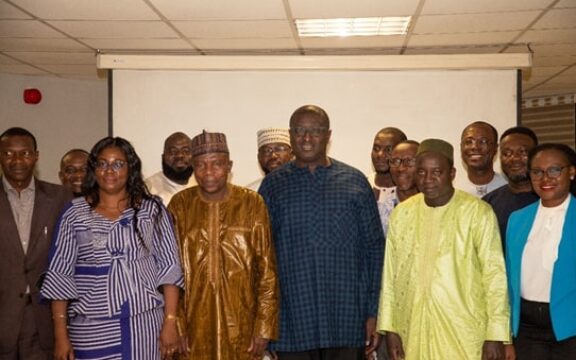
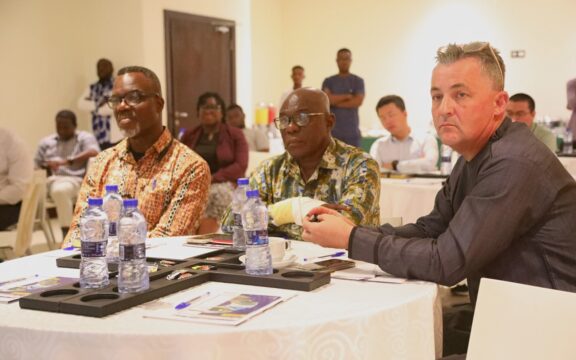
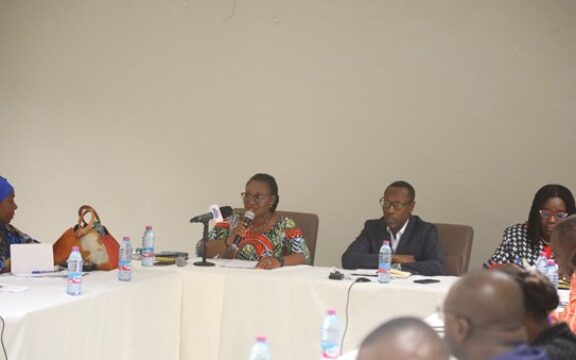
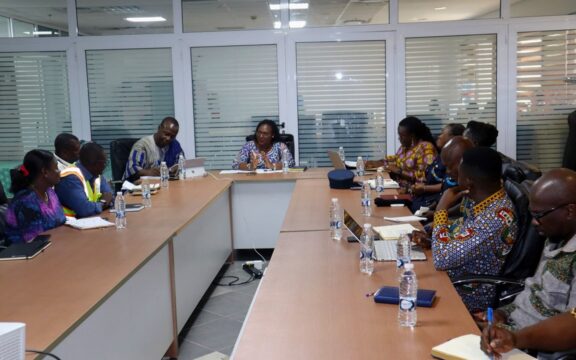
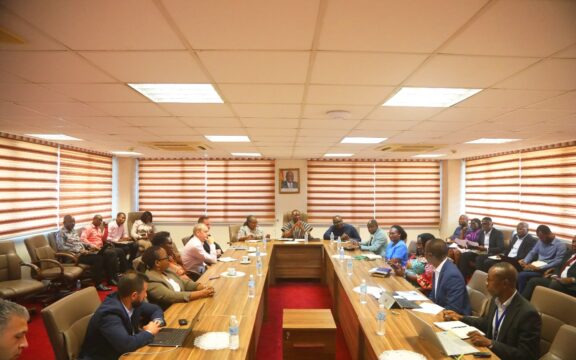
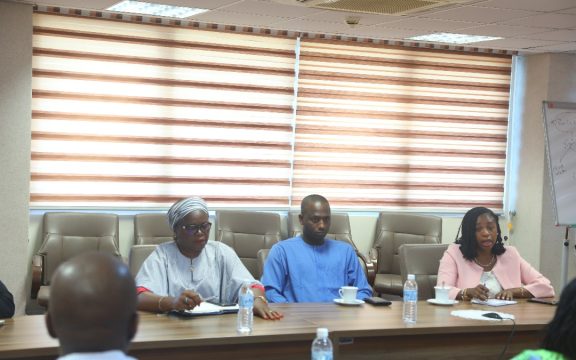
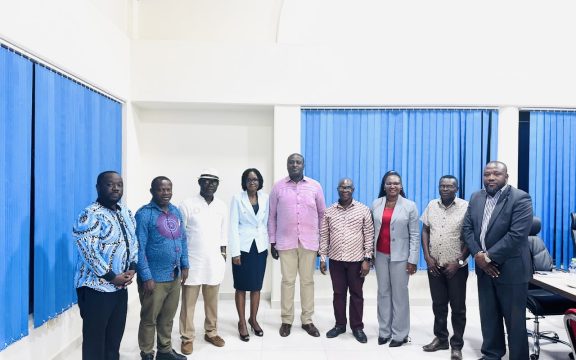
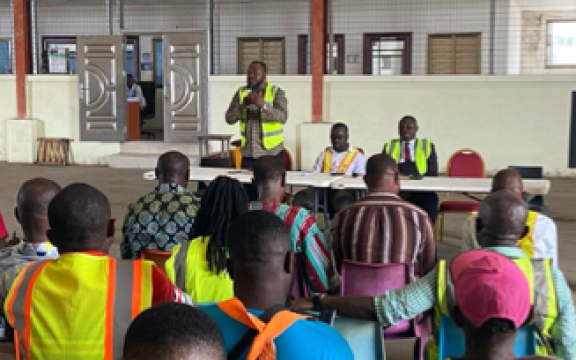
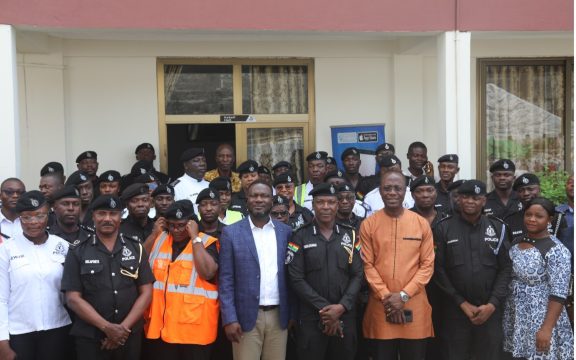
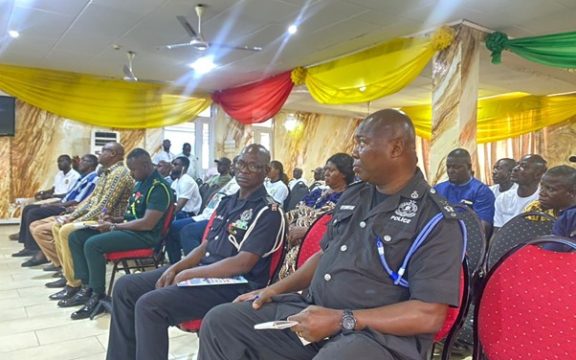
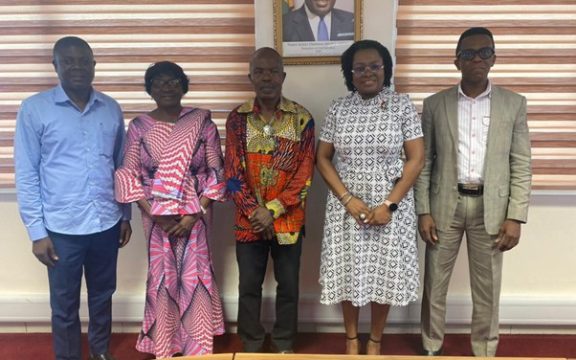
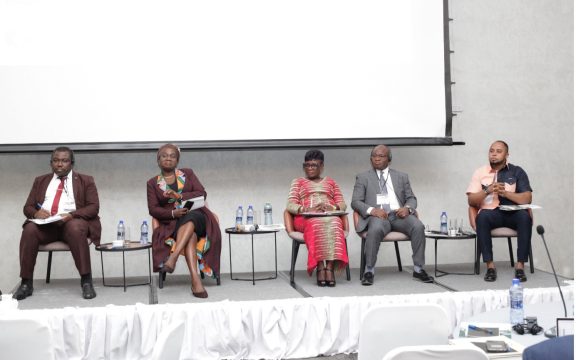
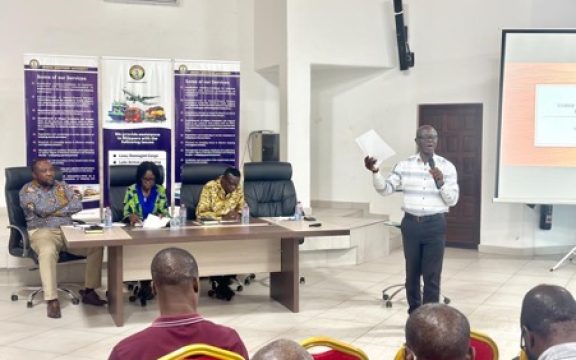
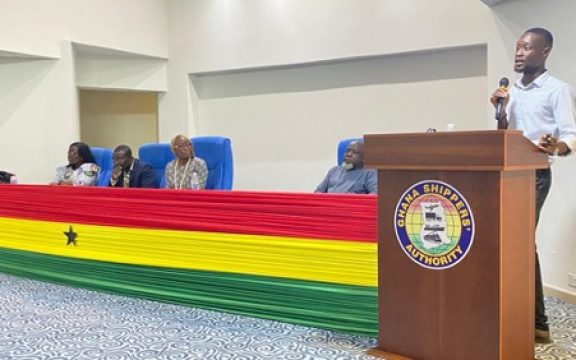
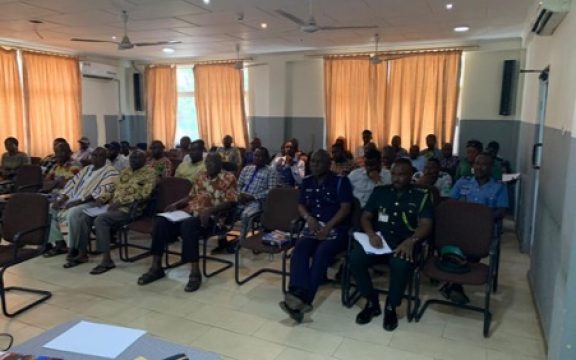
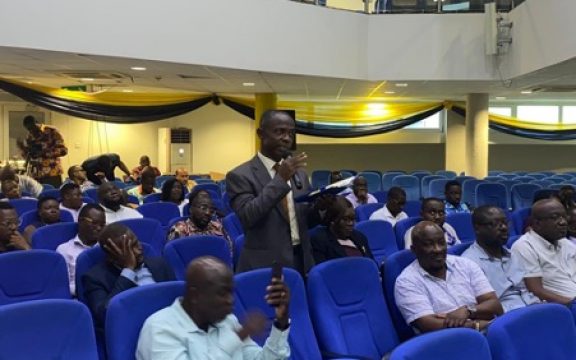
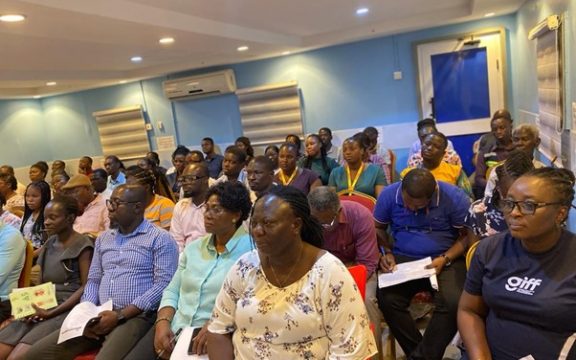
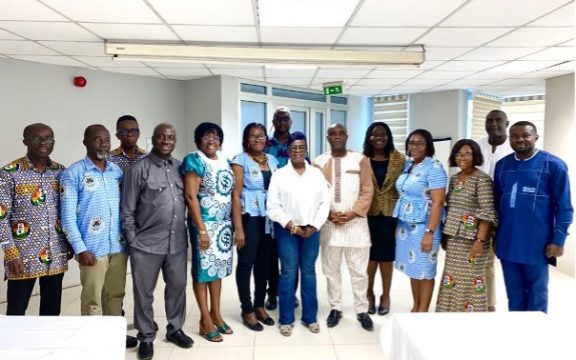
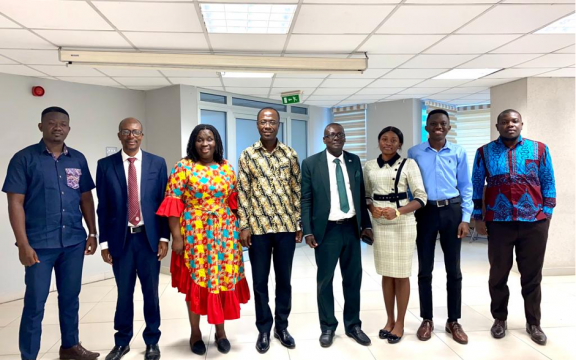
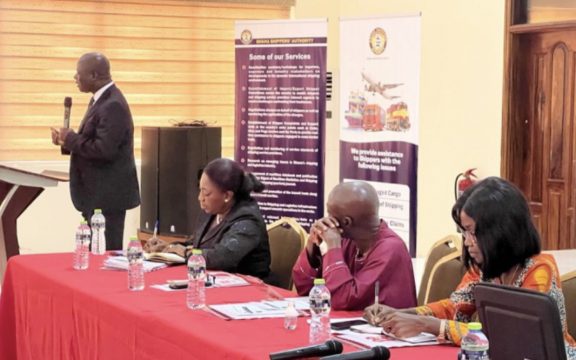
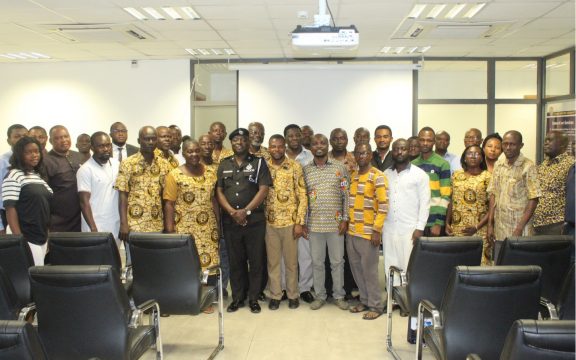
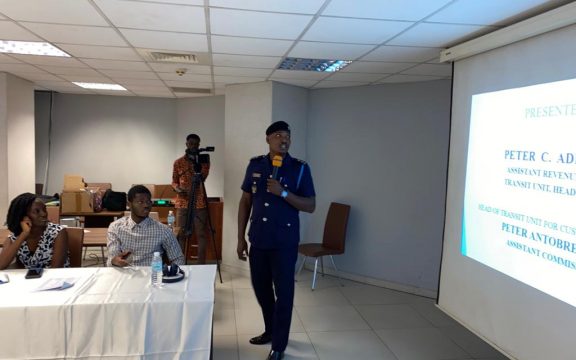
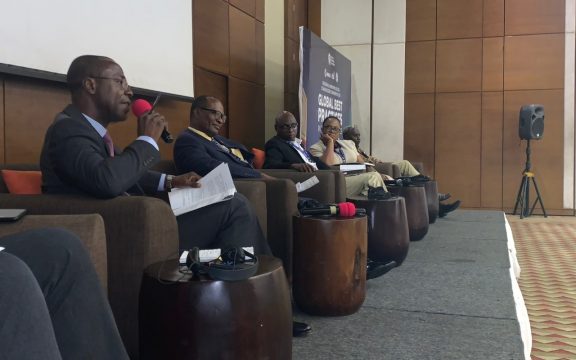
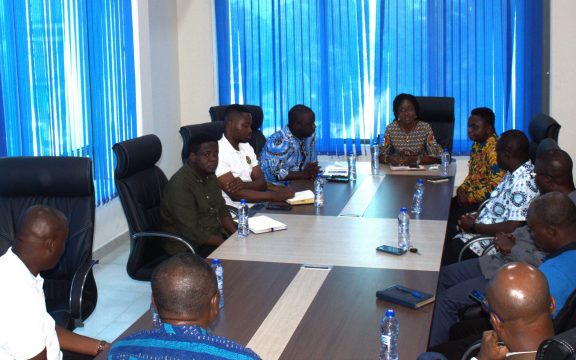
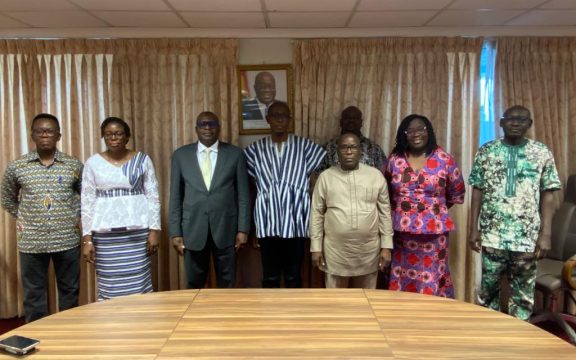
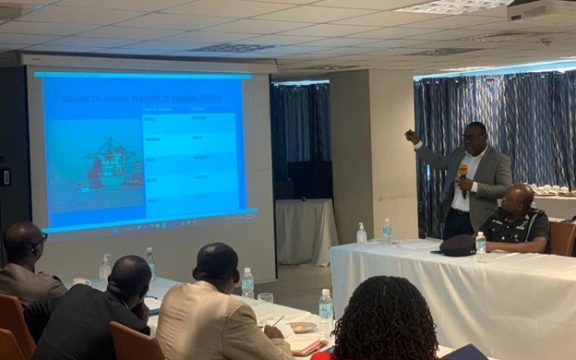
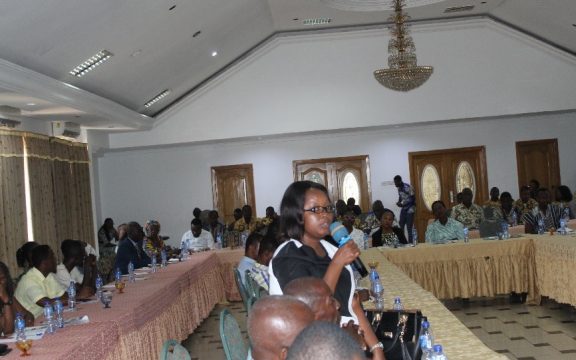
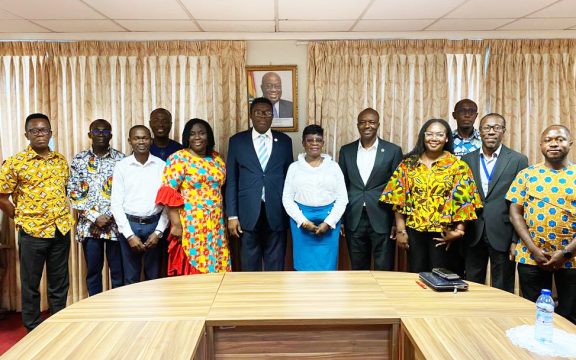
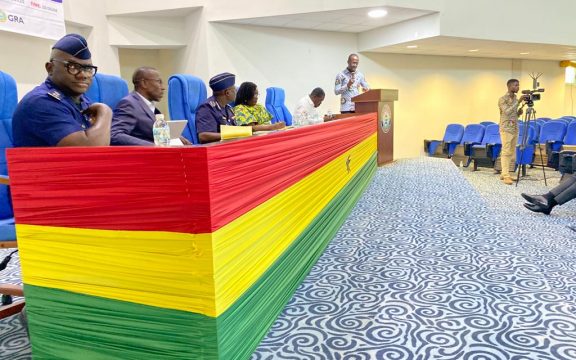
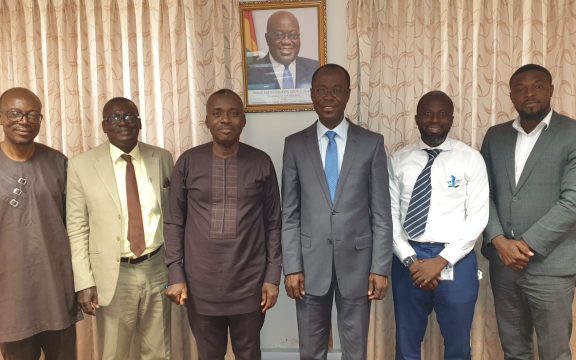
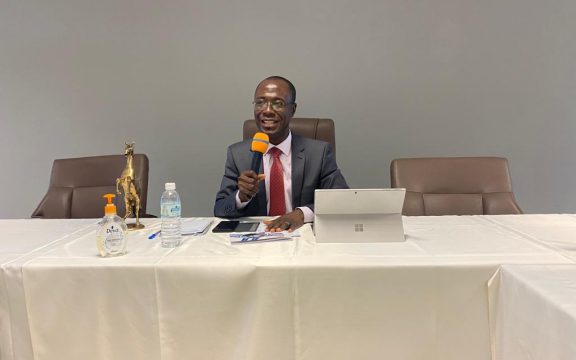
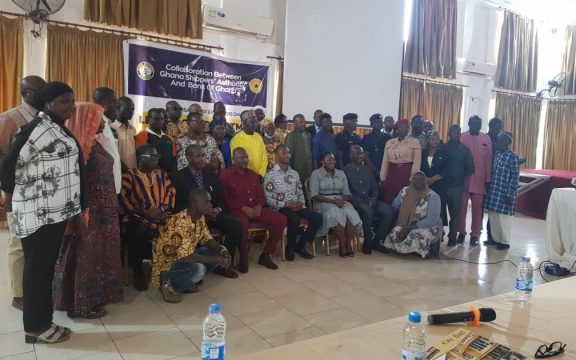
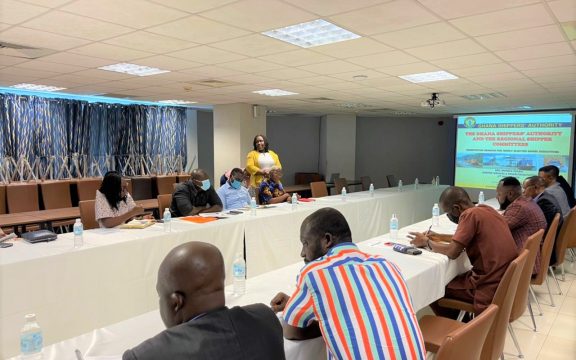
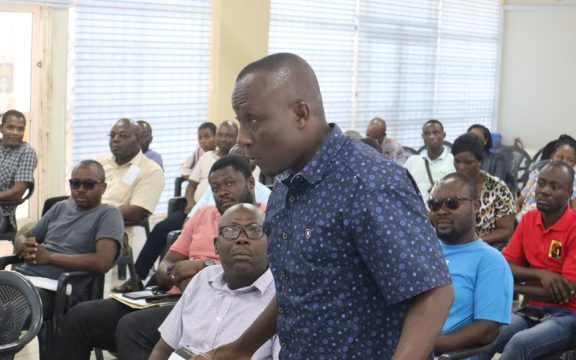
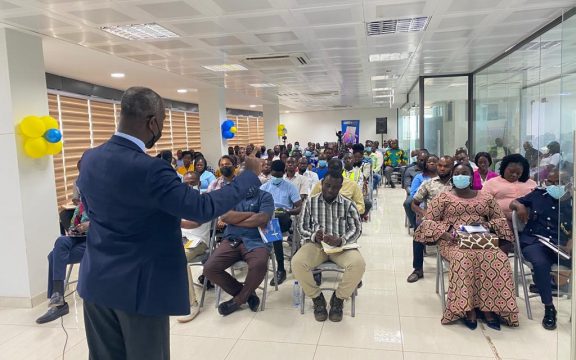
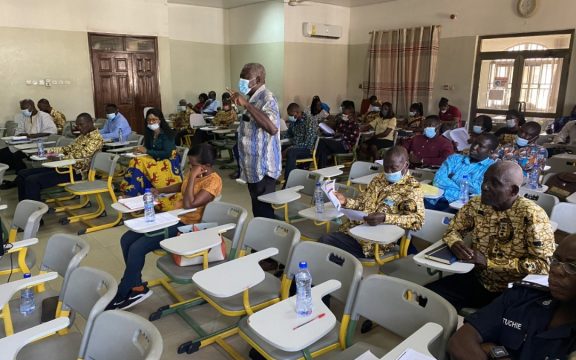
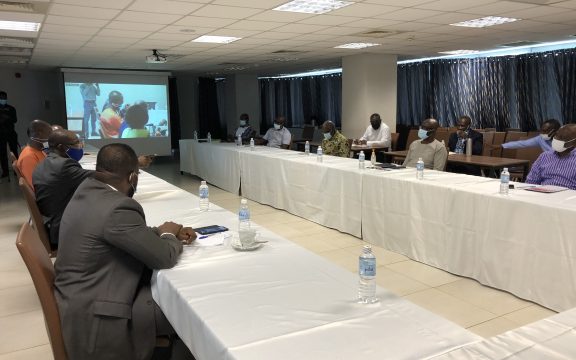
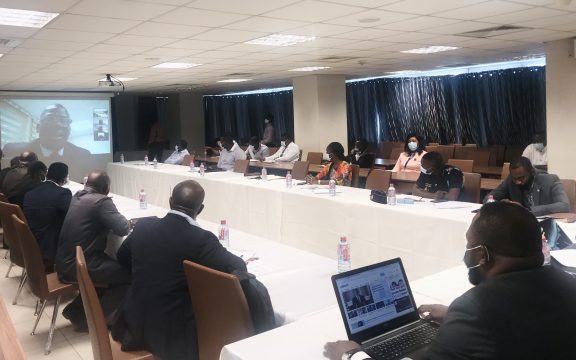
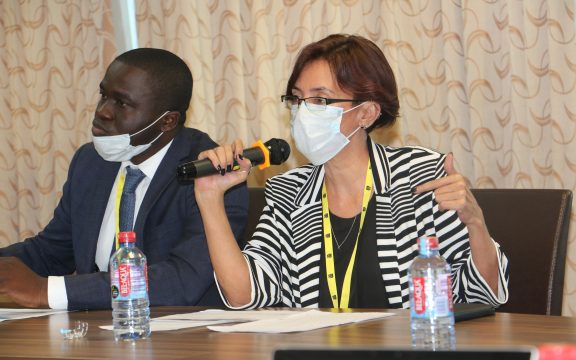
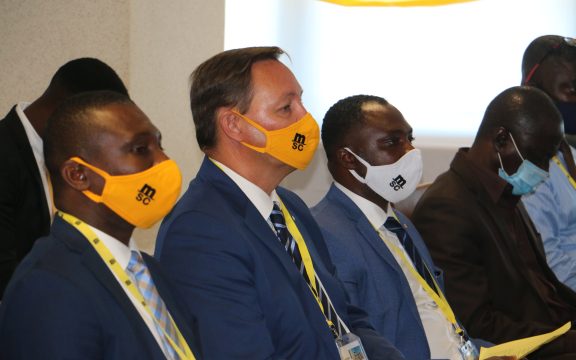
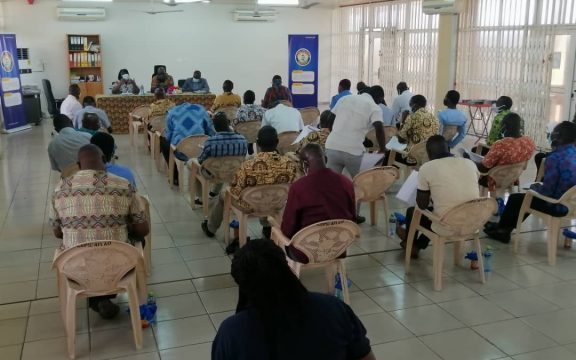
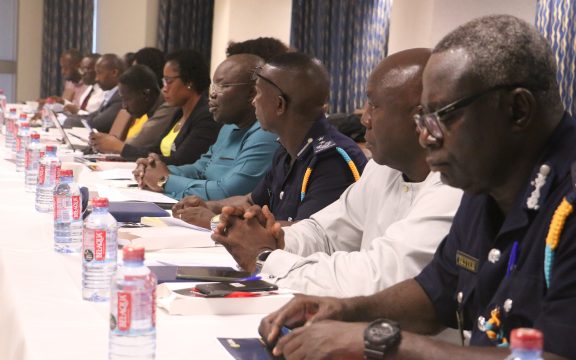
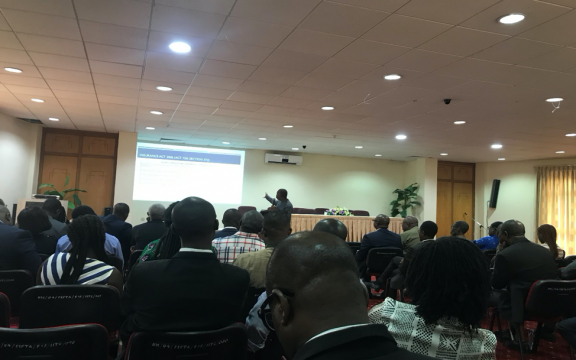
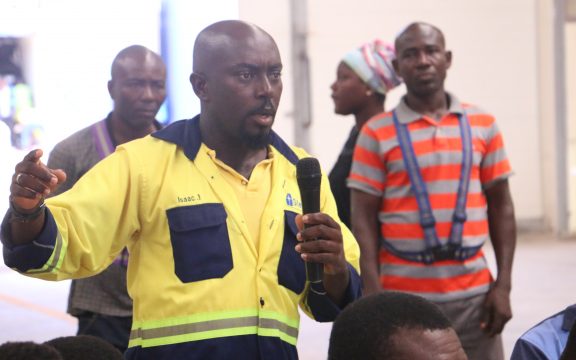
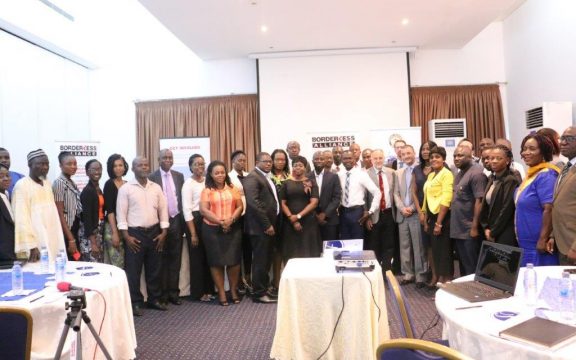
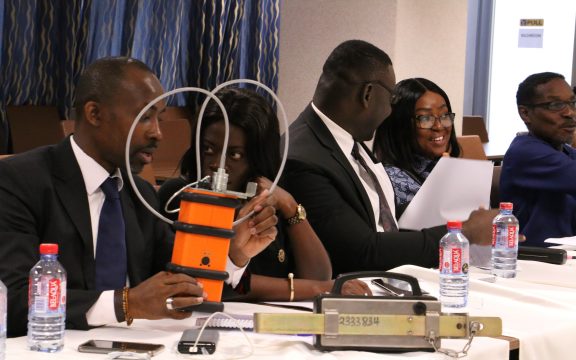
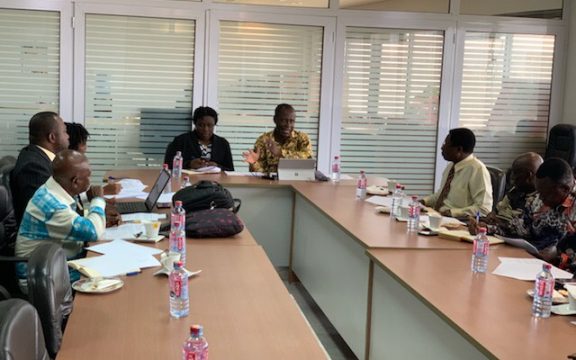
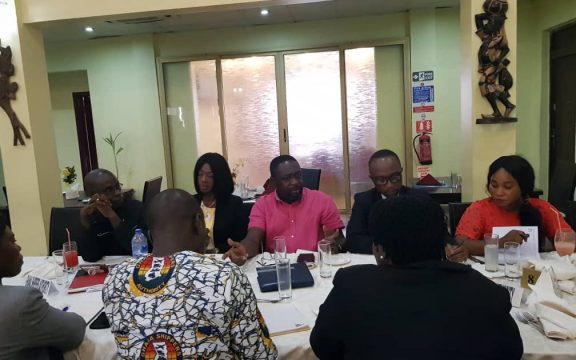
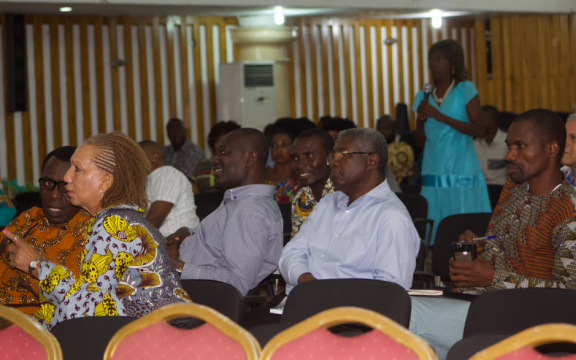
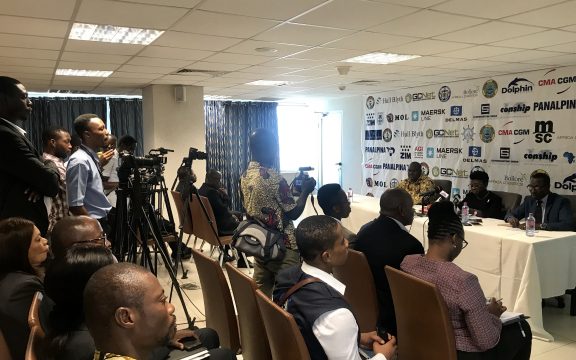
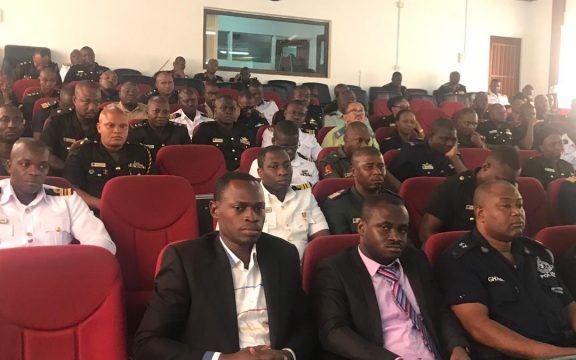
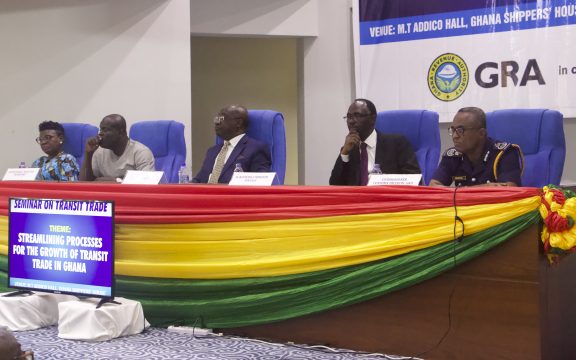
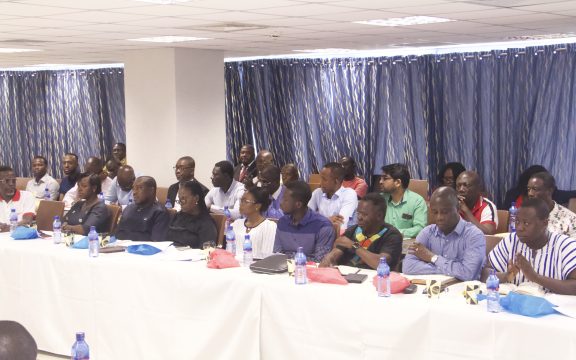
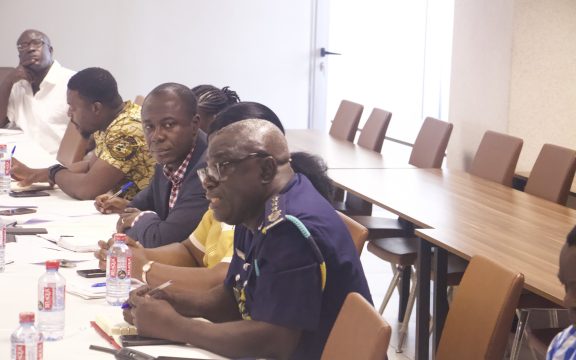
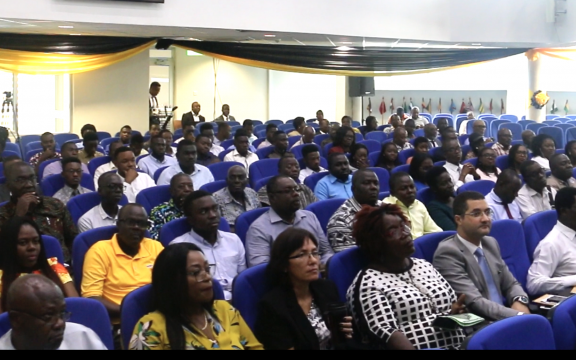
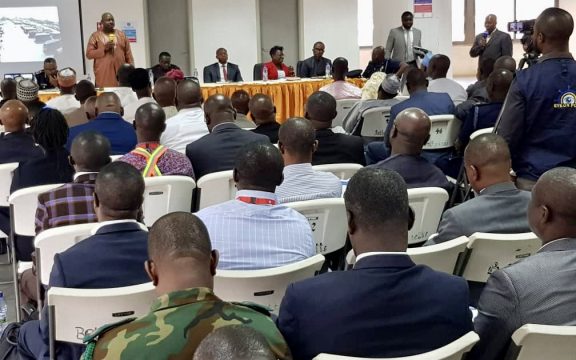
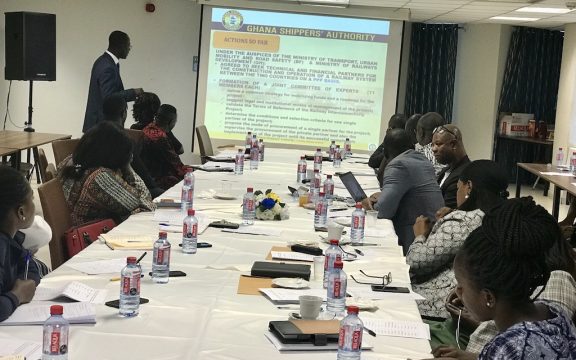
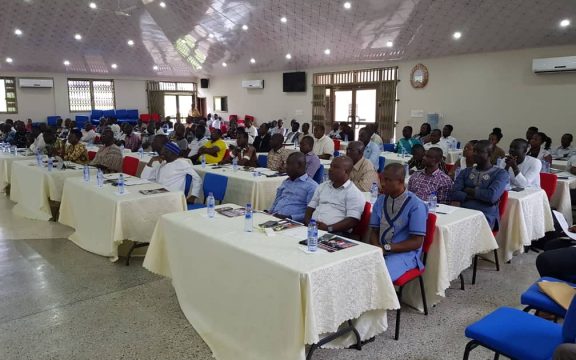
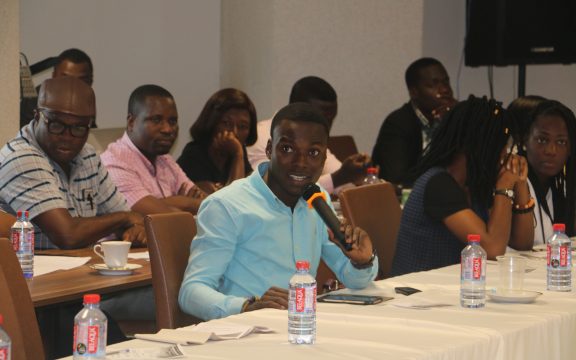
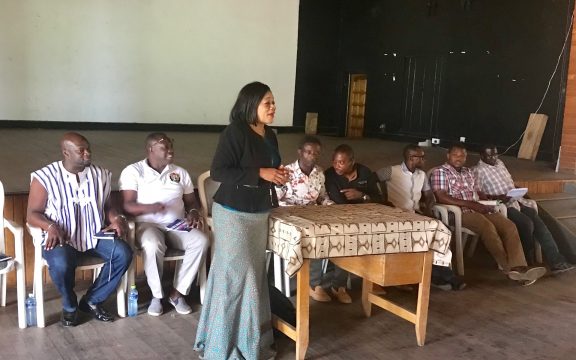
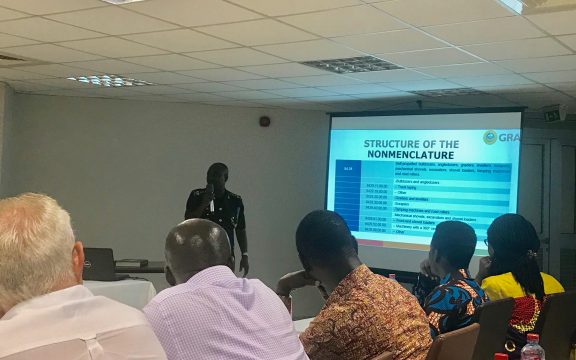
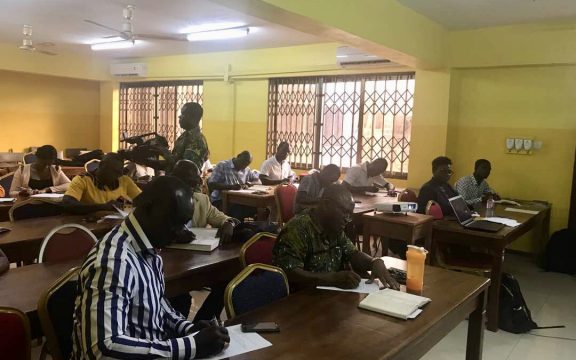
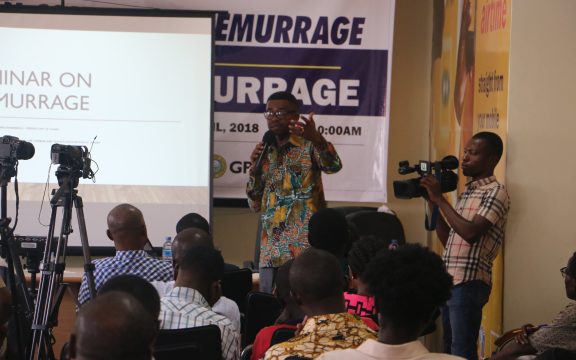
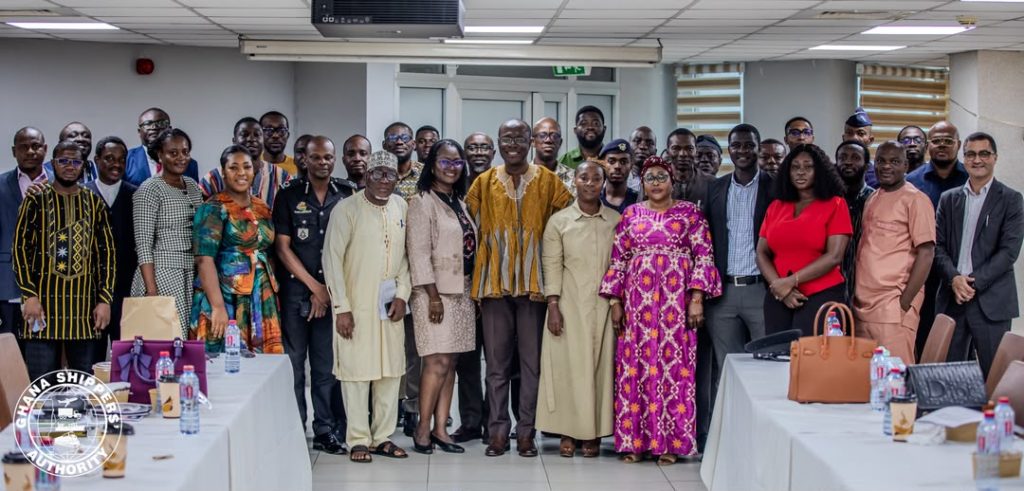
The issue featured prominently at the third Transit Shipper Committee meeting for 2026, held at GSA’s Head Office on Wednesday, 30th September 2026. The meeting provided an opportunity for stakeholders to consider findings from recent fact-finding missions conducted along the Tema–Paga, Tema–Elubo and Tema–Hamile corridors and to discuss measures for addressing the challenges identified.
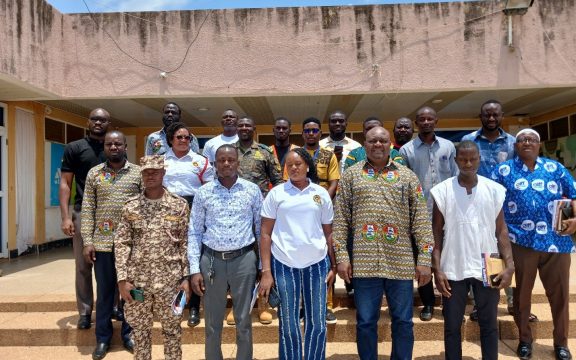
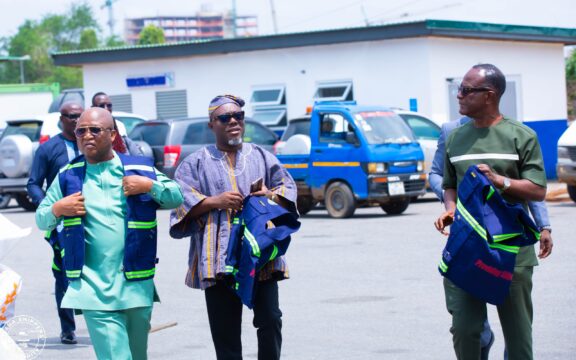
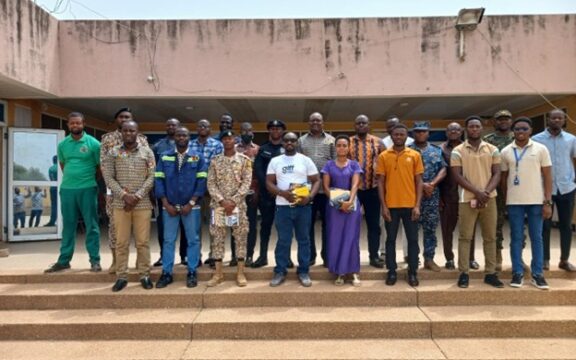
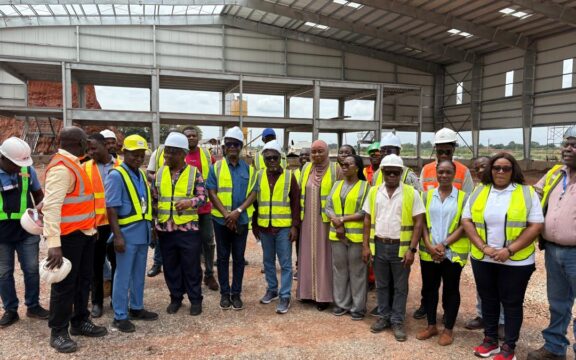
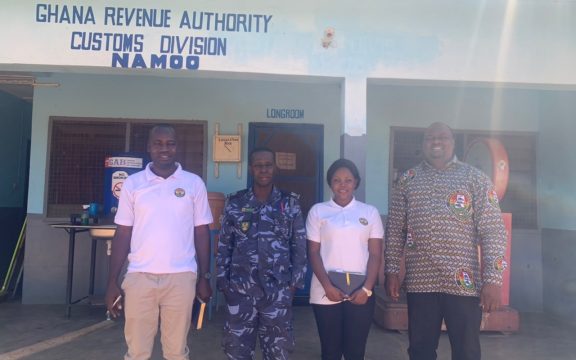
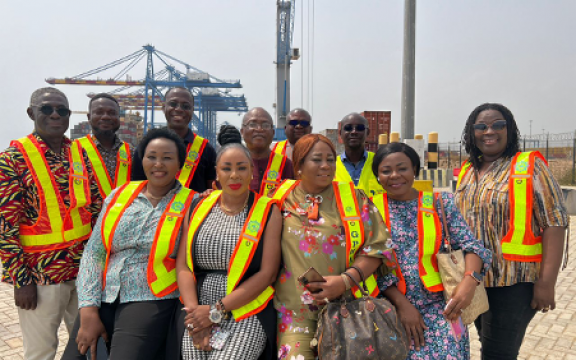
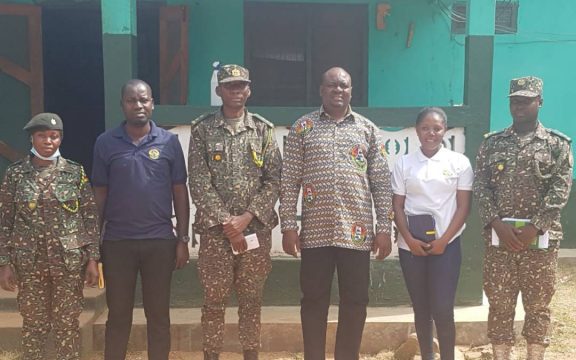
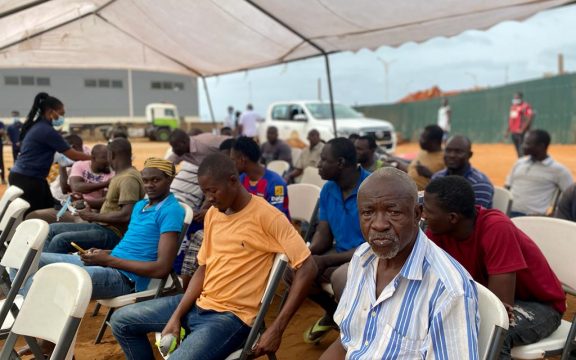
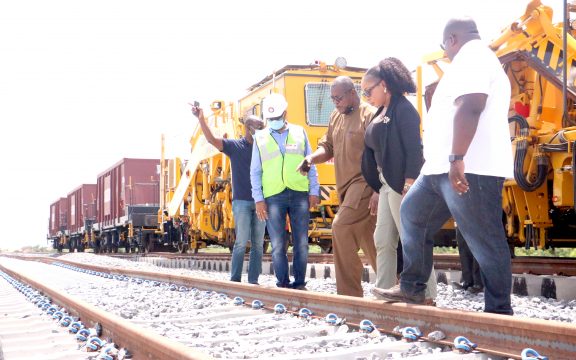
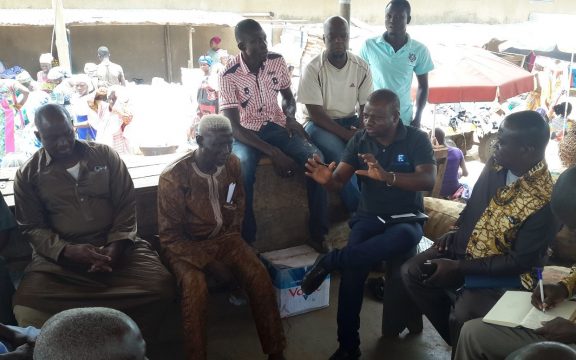
 The fact-finding missions involved GSA officers accompanying selected transit trucks from their points of departure to the land frontiers. The exercise was undertaken to document NTBs and other operational challenges affecting the movement of cargo to Ghana’s neighbouring landlocked countries. It forms part of
GSA’s mandate under the Ghana Shippers’ Authority Act, 2024 (Act 1122), to facilitate transit trade through Ghana’s transport corridors.
Presenting the findings, Mr. Jude Boateng Fobi of the Freight and Logistics Department noted that the number of recorded checkpoints had declined from 196 in 2025 to 187 in 2026. He, however, cautioned that a reduction in the number of checkpoints did not necessarily translate into greater corridor efficiency.
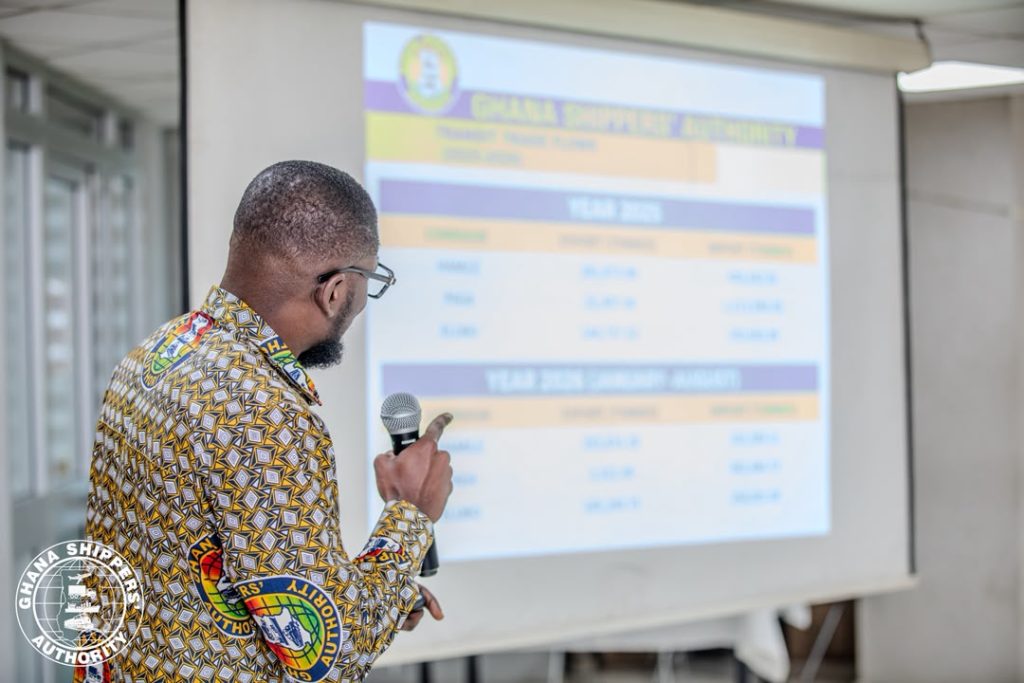 He explained that the time spent at checkpoints, additional documentation requirements, informal monetary demands, congestion and other delays could continue to increase the cost and unpredictability of transit operations.
A similar mixed picture emerged from the assessment of axle load stations. On the Tema–Hamile corridor, delay at the Tema Motorway axle load station declined from 40 minutes in 2025 to 32 minutes in 2026. On the Tema–Paga corridor, however, the average delay increased from 29 minutes to 37 minutes.
Beyond delays, the missions identified inconsistencies in axle load readings at some weighing stations, raising concerns about the consistency and reliability of the weighing process. During the second quarter of 2026, for instance, one truck recorded 75,880kg at the Tema Transit Yard, 71,840kg at Tema Motorway and 72,100kg at Akom. Non-functional display units were also observed at some locations.
 Such inconsistencies have implications for transit operators, as variations in readings can affect compliance decisions, create additional delays and introduce uncertainty into cargo movements. The findings consequently highlighted the need for regular maintenance and calibration of weighbridges, as well as greater consistency in weighing procedures.
Among the challenges observed were long queues at axle load stations, congestion around the Hamile exit border, road construction at Amasaman and inadequate lighting along some sections of the corridors.
The absence of designated truck rest stops along the Tema–Paga and Tema–Hamile corridors were also identified as a concern, contributing to roadside parking, particularly around Nkawkaw. The availability of safe and designated stopping areas remains important to both the efficiency of transit operations and the welfare of drivers undertaking long-distance journeys.
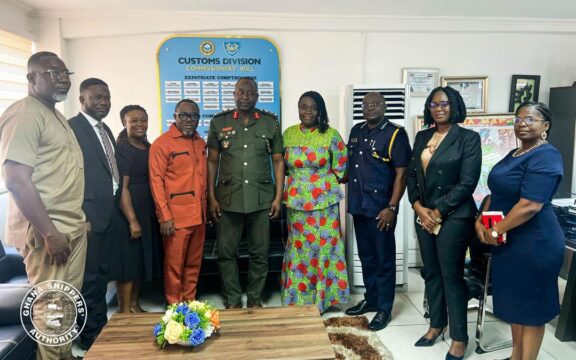
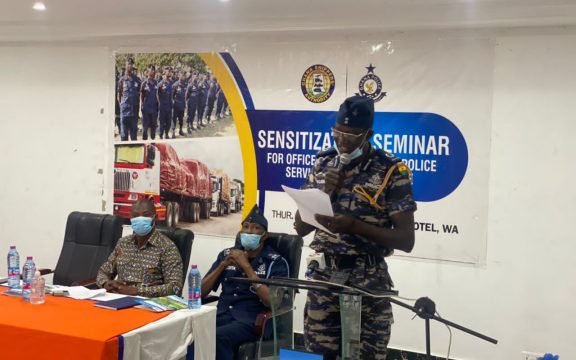
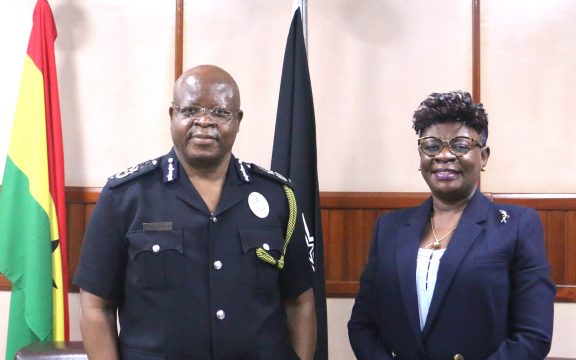
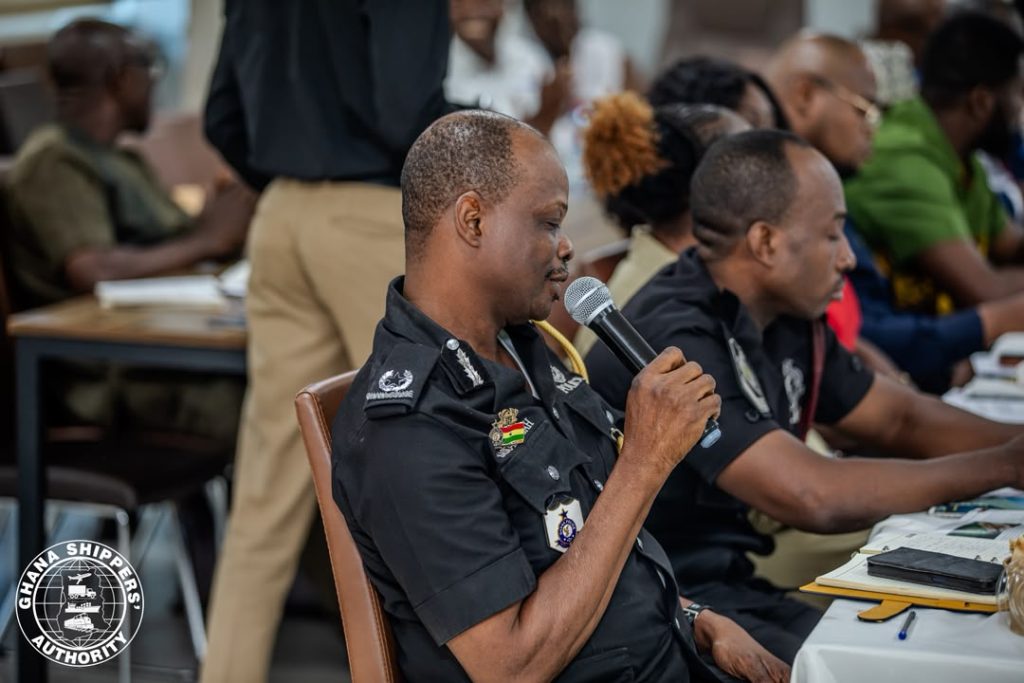
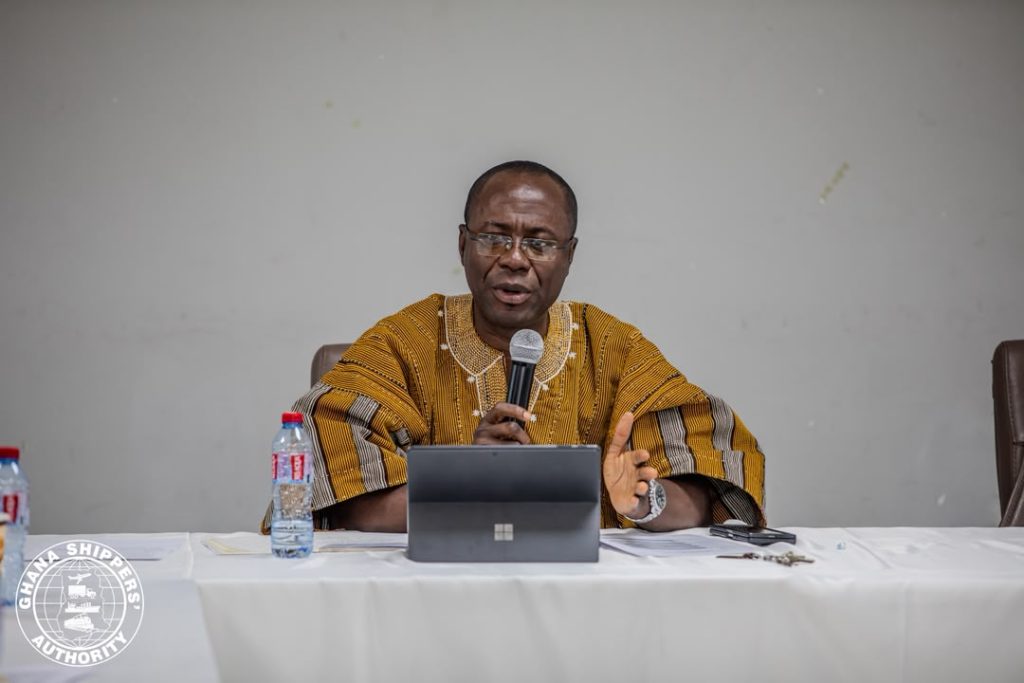 The human and institutional dimensions of transit facilitation also featured prominently in the discussions. The meeting called for sustained engagement with security agencies and Customs officials operating along the corridors, particularly on the need to deepen understanding of how enforcement activities can affect the movement of transit cargo.
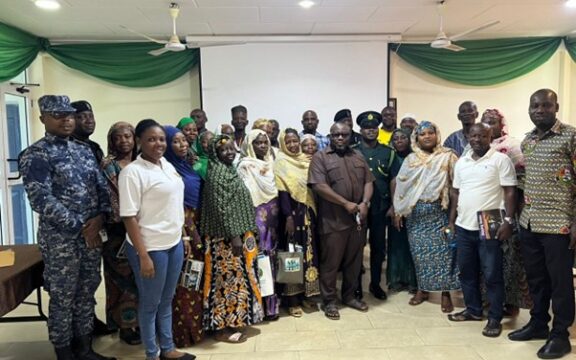
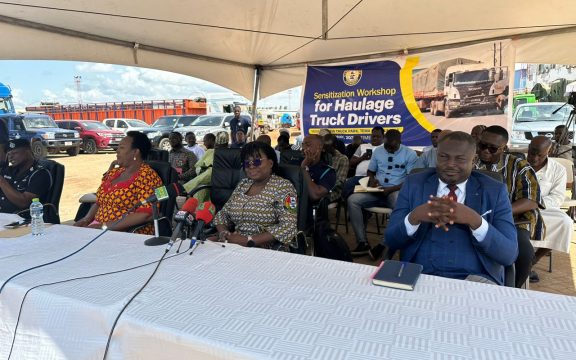
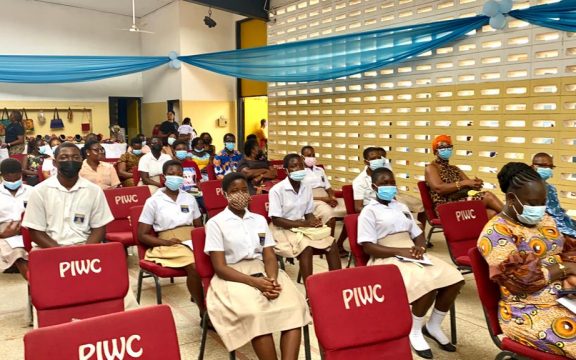
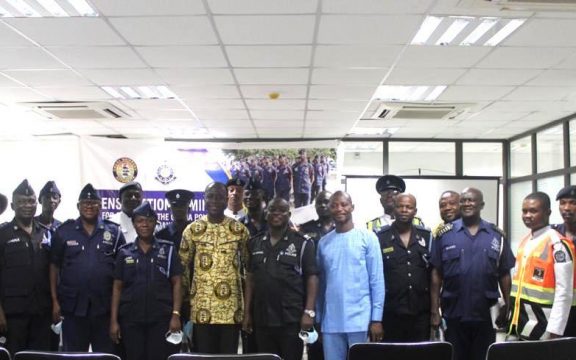
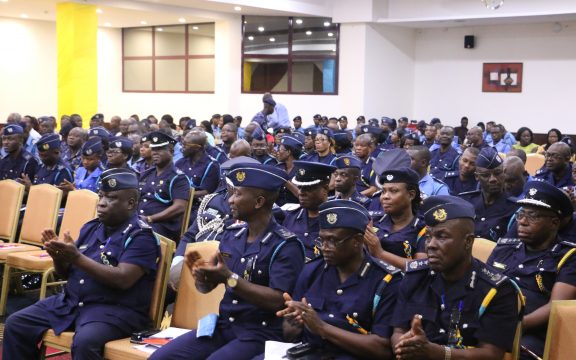
Participants noted that previous sensitisation programmes for Police personnel had contributed to improved understanding of transit trade. They nevertheless stressed the need for continuous engagement, particularly as personnel are transferred and new officers are assigned to the various routes.
Truck drivers were similarly identified as an important stakeholder group requiring continuous education on the ECOWAS Supplementary Act, particularly its provisions relating to axle load requirements and compliance.
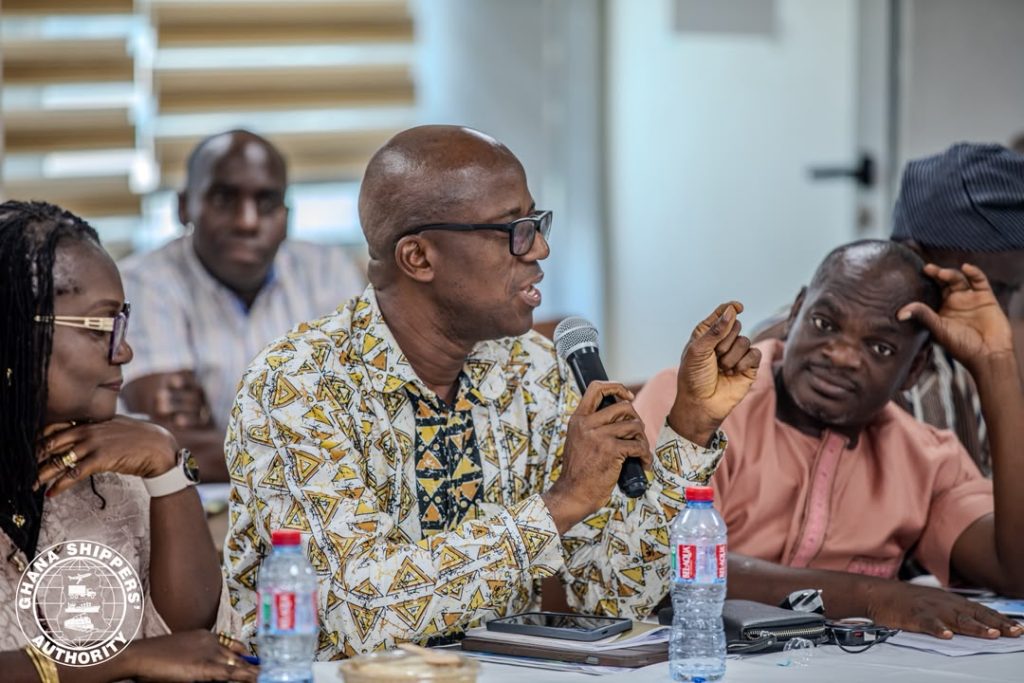 While identifying NTBs remains important, the meeting also focused on strengthening the mechanisms for reporting and resolving such barriers. A digital platform developed in collaboration with relevant stakeholders, including TradeMark Africa and the Ministry of Trade, provides traders, shippers, freight forwarders and transport operators with a channel to report challenges and route complaints to the appropriate institutions.
The platform is expected to move NTB reporting beyond traditional manual processes while generating data that can help identify recurring challenges and support more targeted interventions along Ghana’s trade corridors.
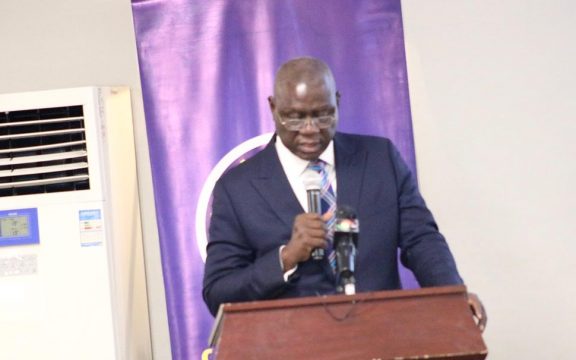
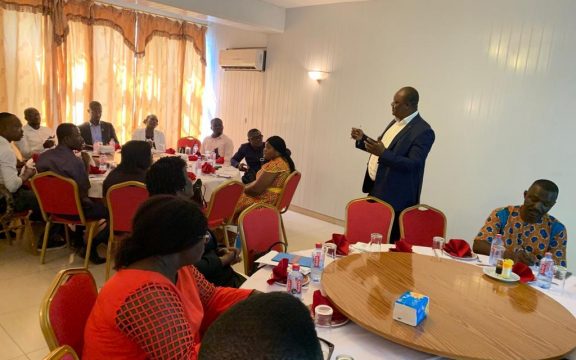
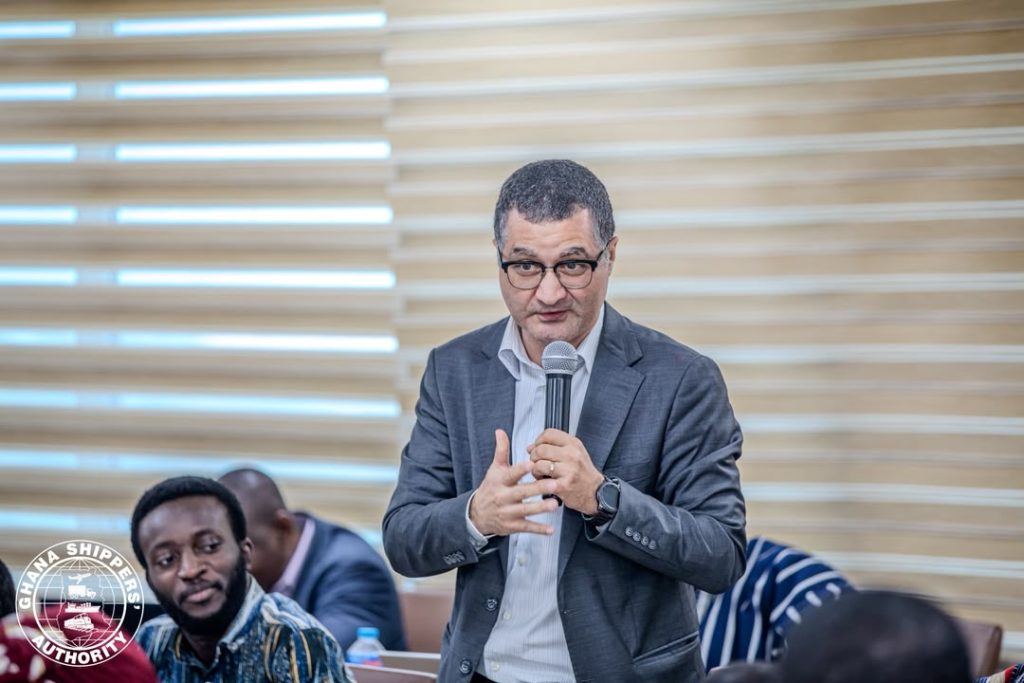 Chairing the meeting, the Head of Freight and Logistics at GSA, Mr. Fred Asiedu- Dartey, encouraged participants to become “ambassadors and agents of trade facilitation”, urging them to share the knowledge gained, support the implementation of agreed measures and educate other stakeholders on initiatives aimed at improving Ghana’s trade corridors.
The outcomes from the fact-finding missions underscore the need for a coordinated approach to addressing the operational, infrastructural and regulatory challenges affecting transit trade. Improving Ghana’s competitiveness as a transit route will therefore require not only reducing delay and unnecessary checkpoints, but also ensuring reliable weighing systems, safer stopping facilities, responsive enforcement, continuous stakeholder education and effective mechanisms for reporting and resolving trade barriers.
 For GSA, the findings provide an important basis for continued engagement with relevant institutions and stakeholders to translate identified challenges into practical interventions that enhance the predictability, efficiency and competitiveness of Ghana’s transit corridors and support the uninterrupted movement of regional trade.