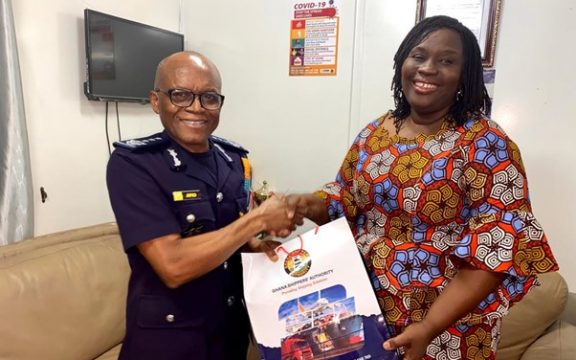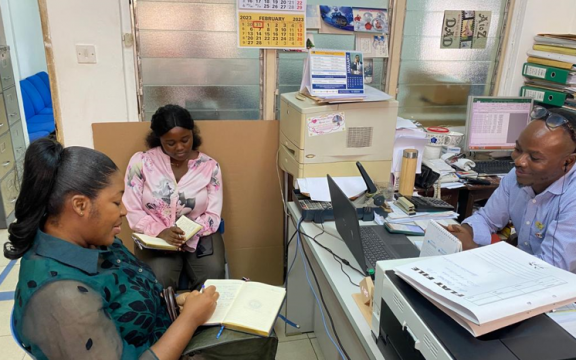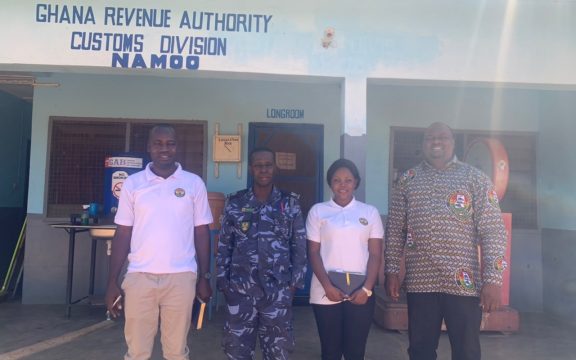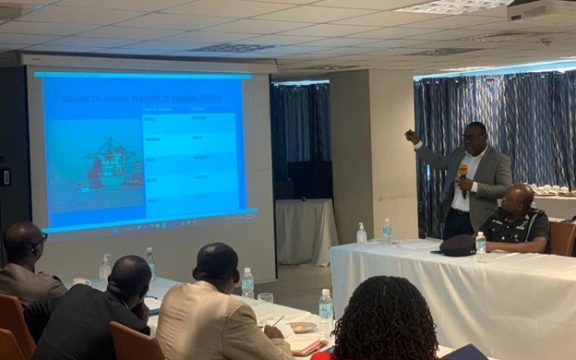

Ghana’s effort to strengthen oversight of export proceeds have entered a new phase of implementation, as the Bank of Ghana (BoG), in collaboration with the Ghana Shippers’ Authority (GSA), takes the revised Letter of Commitment (LOC) guidelines to key institutions and businesses across the export value chain. The initiative reflects a coordinated approach to ensuring that the revised requirements are clearly understood and effectively integrated into export-related operations nationwide.
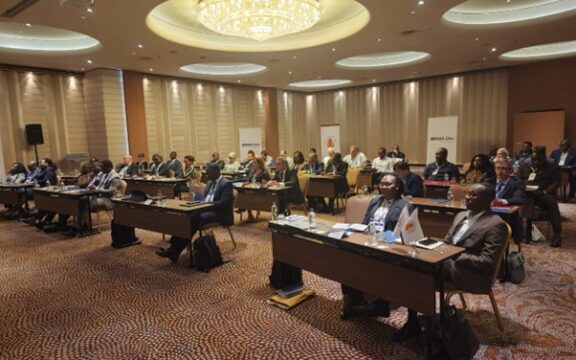
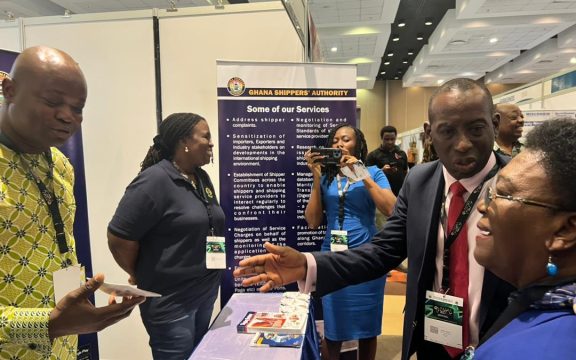
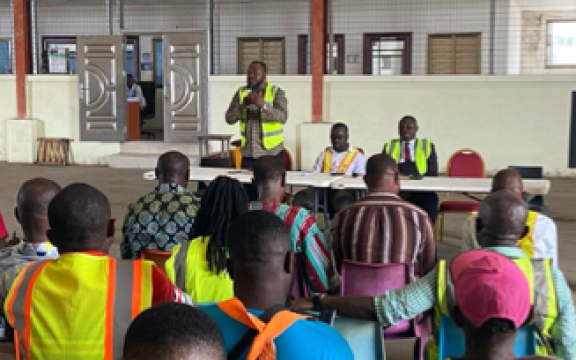
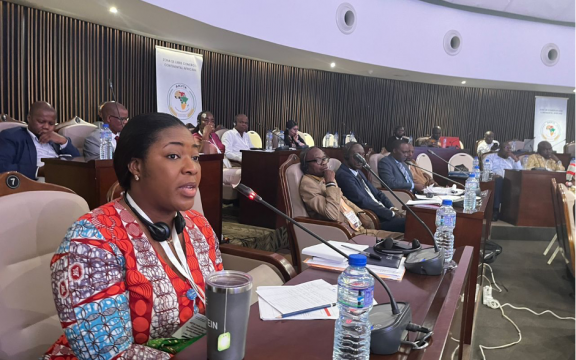
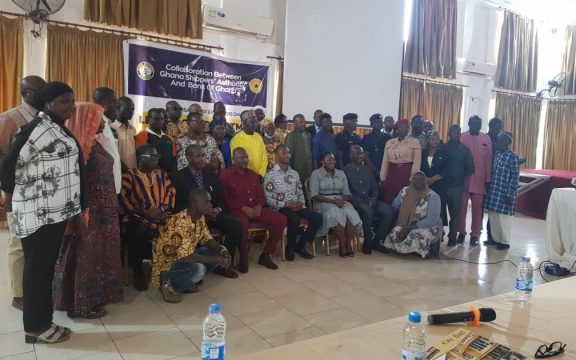
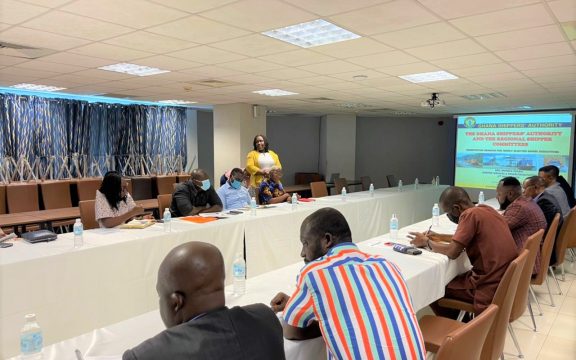
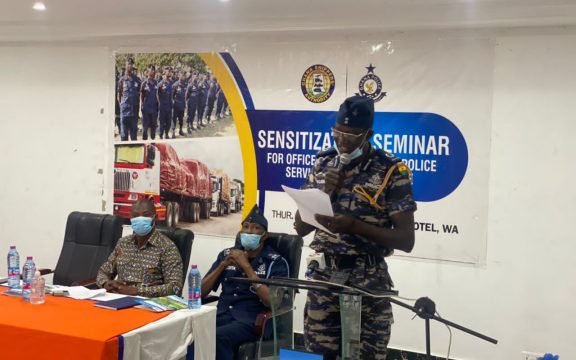
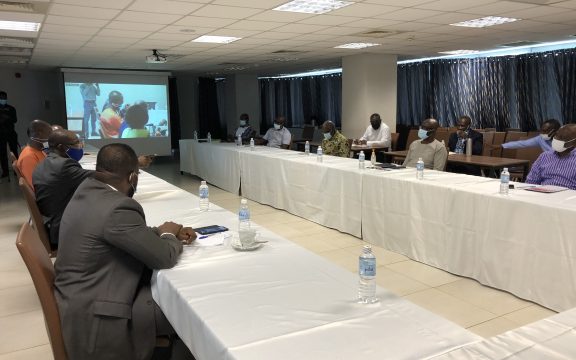
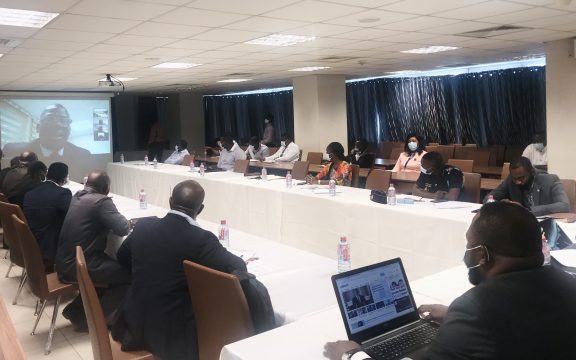
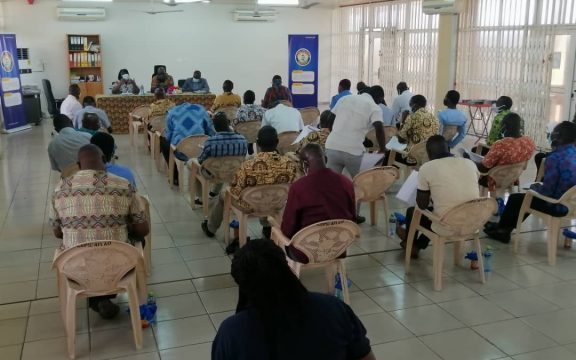
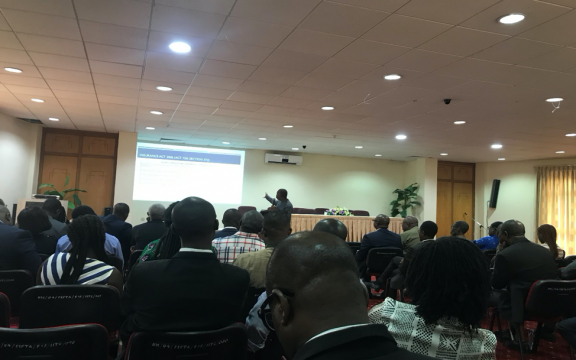
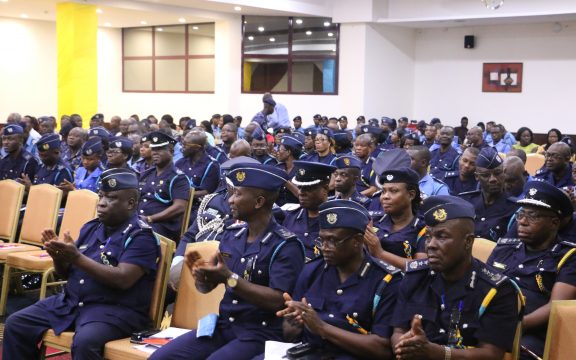
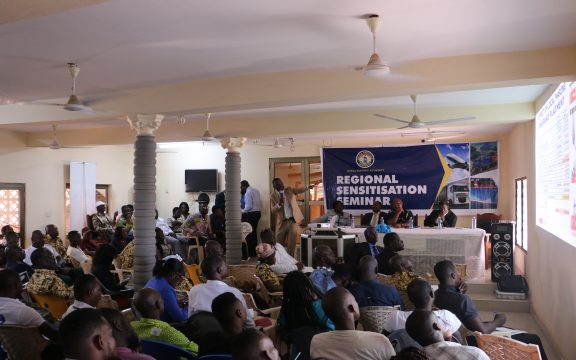
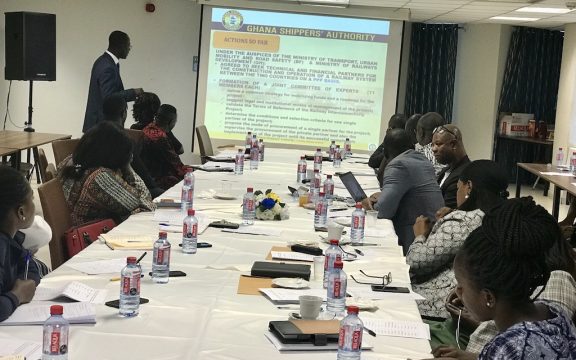
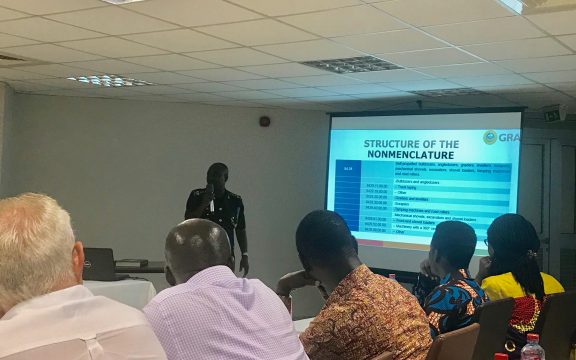
 From 8th to 11th September 2026, the two institutions undertook a sensitisation campaign involving government agencies, commercial banks, freight forwarder associations and Free Zone enterprises. The engagements focused on clarifying the revised LOC requirements, addressing implementation concerns and promoting compliance among stakeholders whose activities are central to the monitoring and repatriation of export proceeds.
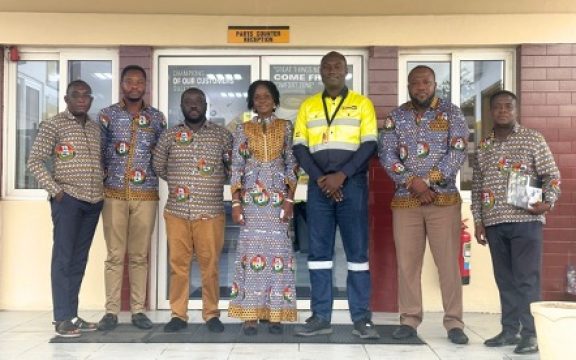
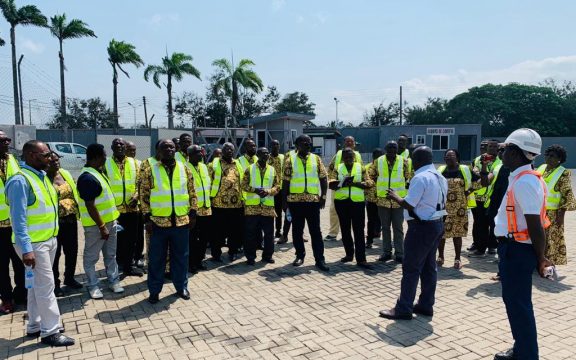
The first three sessions were held at Shippers’ House in Accra, while the final engagement, organised in collaboration with the Ghana Free Zones Authority (GFZA), was held at the offices of the GFZA and focused on Free Zone enterprises.
The collaboration brought together the complementary roles of the two institutions. While the Bank of Ghana oversees the foreign exchange and regulatory framework underpinning the LOC regime, the Ghana Shippers’ Authority works directly with shippers, exporters, freight forwarders and other stakeholders across the trade and commercial shipping sector.
 The Letter of Commitment (LOC) is an export document generated through the Integrated Customs Management System (ICUMS) for formal exports of merchandise commodities from Ghana. Under the Bank of Ghana’s guidelines, the LOC applies to qualifying exporters who receive export proceeds in foreign exchange, are resident in Ghana, are registered and licensed by the relevant government agencies, and have valid Tax Identification Numbers for access to ICUMS. The framework is intended to strengthen the monitoring of exports and ensure the repatriation of export proceeds through the formal financial system.
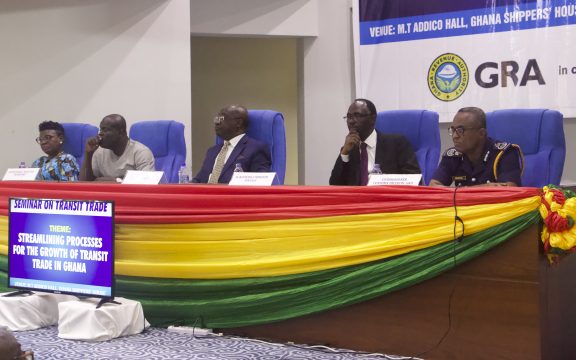
Against this background, the first sensitisation session, held on 8th September, 2026 brought together representatives from key Ministries, Departments and Agencies (MDAs) whose mandates are linked to trade, exports and revenue administration. Participants included representatives from the Ministry of Finance, Ministry of Transport, Ministry of Trade, Agribusiness and Industry, Ghana Export Promotion Authority, Ministry of Food and Agriculture, GRA Customs and the Ghana Free Zones Authority.
 Opening the engagement, the Head of Shipper Services and Trade Facilitation at the GSA, Mrs. Monica Josiah, welcomed participants and conveyed greetings from the Chief Executive Officer of the GSA, Prof. Ransford Gyampo. She underscored the importance of the sensitisation programme and the need for institutions involved in Ghana’s trade and export processes to clearly understand their respective responsibilities under the revised LOC guidelines.
Providing context for the revised framework, the Advisor to the Governor of the Bank of Ghana, Mr. Eric Kwaku Hammond, explained that concerns surrounding foreign exchange and the repatriation of export proceeds had prompted broader stakeholder consultations and the subsequent refinement of the LOC regime.
 He noted that the sensitisation programme has become necessary because the stability of Ghana’s foreign exchange market depends significantly on the inflows generated from exports. He stressed that compliance would be critical to the success of the regime, particularly as export proceeds contribute to the country’s foreign exchange reserves and support stability in the value of the cedi.
“We must all own the LOC regime, because if the forex does not come in, we shall all bear the brunt,” he said.
The discussion also highlighted the need to balance effective enforcement with the continued facilitation of legitimate export activity. The Head of Revenue Assurance at the Ministry of Finance, Mr. Kofi Baidoo, called for a collective national effort to strengthen compliance, while cautioning against measures that could unnecessarily constrain genuine exporters.
 He disclosed that approximately three billion dollars in export proceeds had been lost through the Free Zones, noting that such resources were needed to support the country’s debt-servicing obligations.
“It is imperative that we all get involved. We must fix our country,” Mr. Baidoo said.
He indicated that the Ministry would enforce the revised requirements but stressed the need to distinguish between genuine cases where exporters are unable to repatriate proceeds and deliberate defaults. In such cases, he said, appropriate remedial measures should be available for legitimate difficulties, alongside effective sanctions for non-compliance.
Beyond the issue of repatriation, the session also examined the integrity of trade data captured through ICUMS. Participants raised concerns about the abuse of invoicing platforms and the misclassification of goods, practices that could compromise the accuracy of trade records, weaken oversight and result in revenue losses to the country.
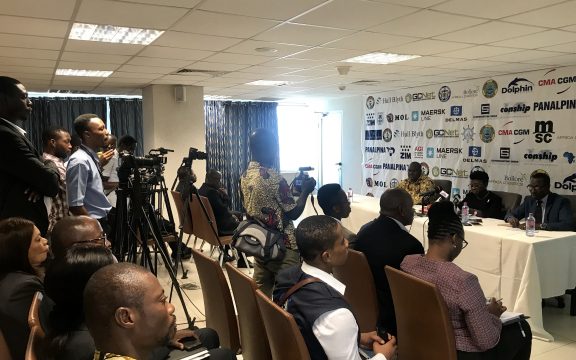
 The sensitisation continued on 9 September with a focus on commercial banks, bringing together representatives from Zenith Bank, Consolidated Bank Ghana, Absa Bank, GCB Bank, Republic Bank, Access Bank, First Bank, National Investment Bank and GT Bank, among others. Officials from the Bank of Ghana, GSA, GRA and ICUMS also participated in the discussions on the implementation of the LOC regime.
The banking session provided an opportunity to address practical challenges arising from the implementation of the revised guidelines. Key issues raised included delay in restoring suspended accounts, the misuse of LOC identification numbers by service providers, challenges associated with the SWIFT payment system, and the need for stronger coordination among the agencies involved in the process.
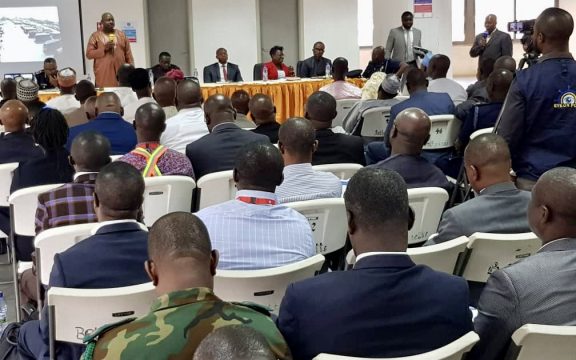
 The engagement moved to freight forwarder associations on 10th September, 2026 extending the sensitisation to another key link in Ghana’s export chain. The Bank of Ghana’s guidelines cautioned freight forwarders and customs house agents against using clients’ credentials without their consent to generate LOCs for traders who do not meet the requirements. The session therefore provided a platform to clarify the responsibilities of service providers, address operational concerns and strengthen understanding of the revised requirements.
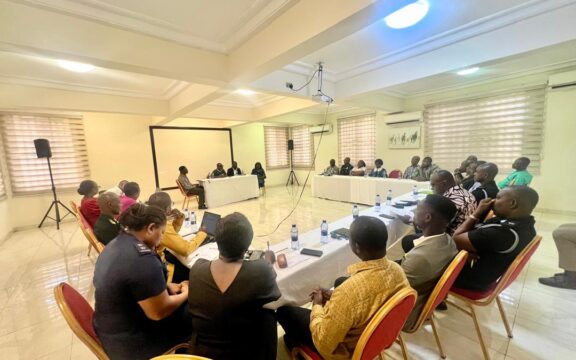
The final session, held on 11 September at the offices of the Ghana Free Zones Authority (GFZA), was organised in collaboration with the GFZA and focused on Free Zone enterprises. The engagement provided companies operating within the Free Zone enclave with an opportunity to discuss their obligations under the LOC regime and seek clarification on issues affecting their operations.
 Across the four sessions, similar issues emerged, including compliance, the practical application of the revised guidelines, data integrity, the respective roles of the agencies involved, and the need to ensure that the regime does not create unnecessary difficulties for legitimate trade.
For the GSA, the sensitisation campaign forms part of its broader trade facilitation mandate, expected to provide a direct channel between the institutions responsible for shaping and implementing the regulatory framework and the businesses and service providers whose operations will determine its effectiveness in practice.
 The four-day engagement also demonstrated that the success of the LOC regime depends on coordinated action across the export value chain. While the Bank of Ghana provides the foreign exchange and regulatory framework, effective implementation requires accurate and timely information to flow among exporters, banks, Customs, freight forwarders and the systems through which Ghana’s trade is documented and monitored.
Ultimately, the effectiveness of the LOC regime will be measured by the strength of the guidelines and how well they work in practice; from the documentation and clearance of goods to their shipment and the receipt and repatriation of export proceeds. The nationwide sensitisation therefore is expected to provide an important platform for aligning stakeholders around these shared responsibilities and strengthening the foundation for effective implementation.