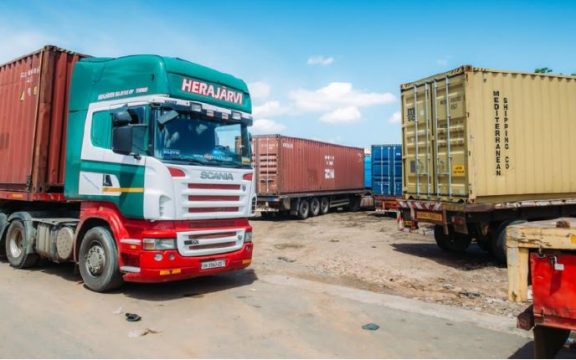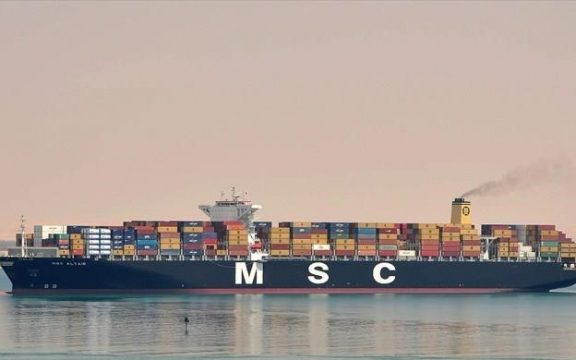


The concerns have now extended beyond Ghana, with Burkina Faso, Mali and Niger seeking urgent engagement with Ghanaian port stakeholders over containers destined for their markets that have been affected by the congestion.
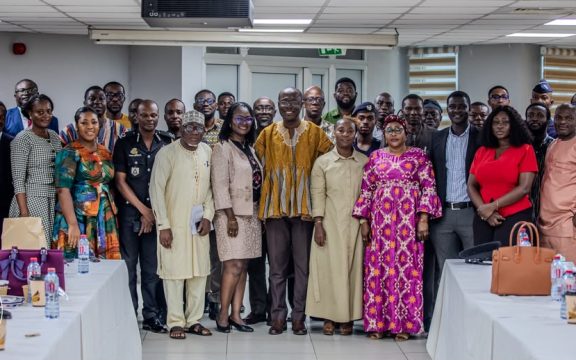
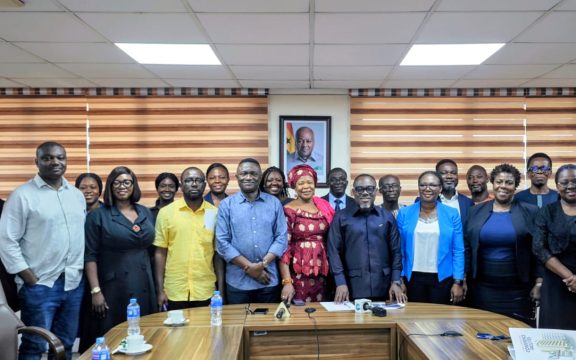
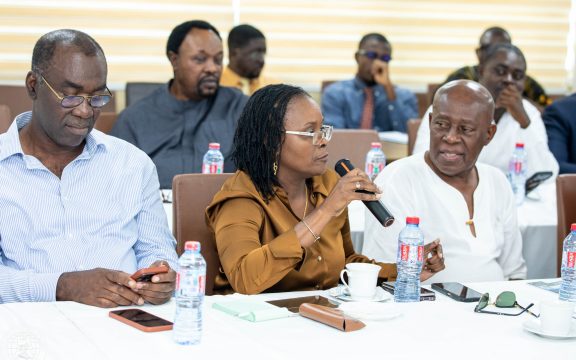
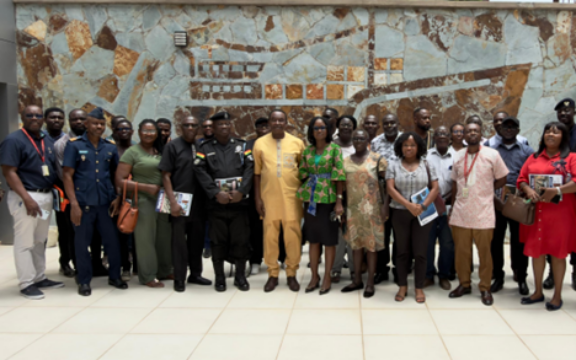
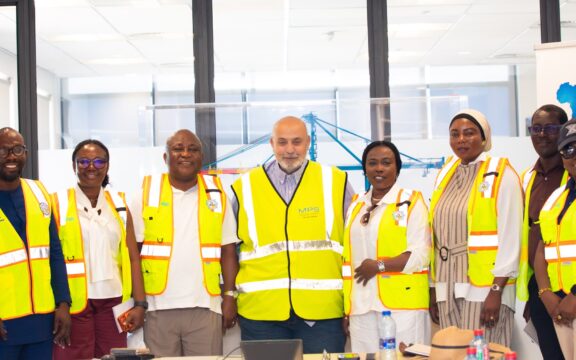
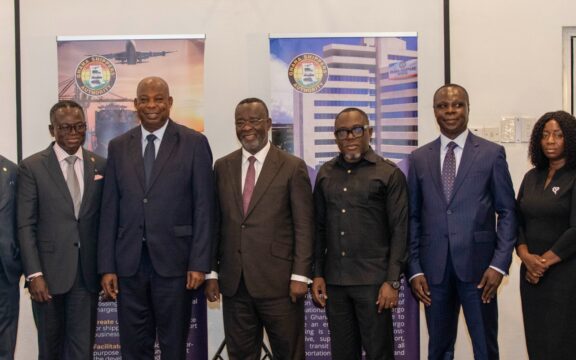
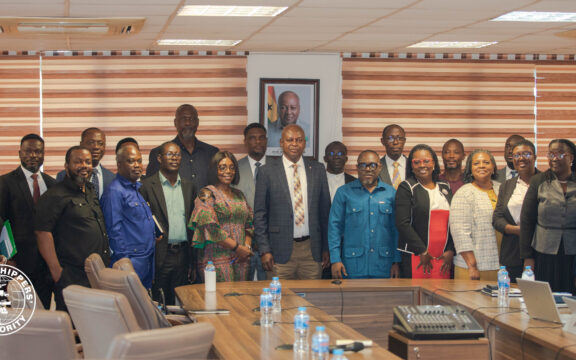
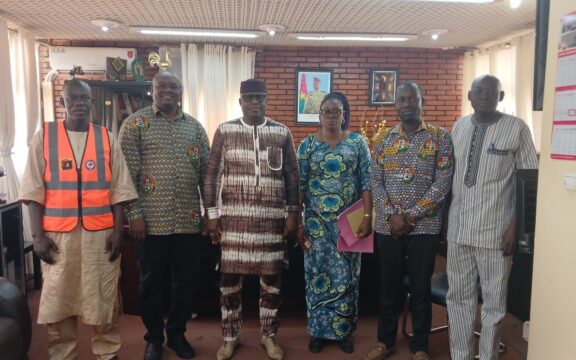
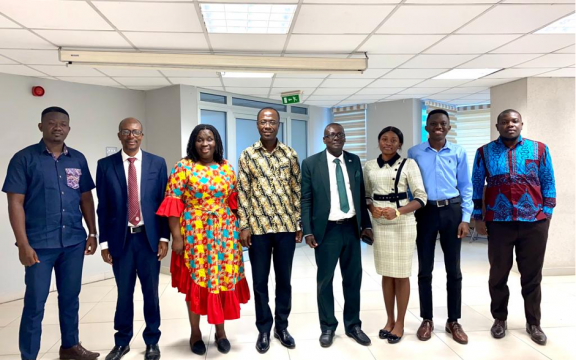
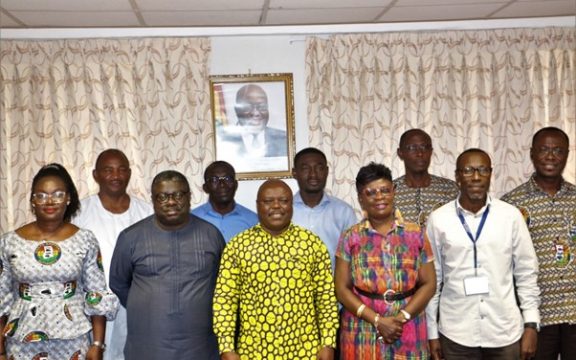
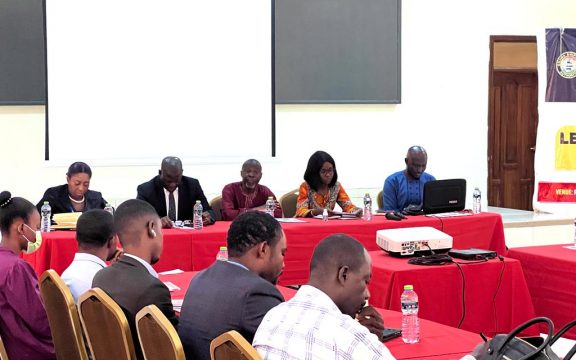
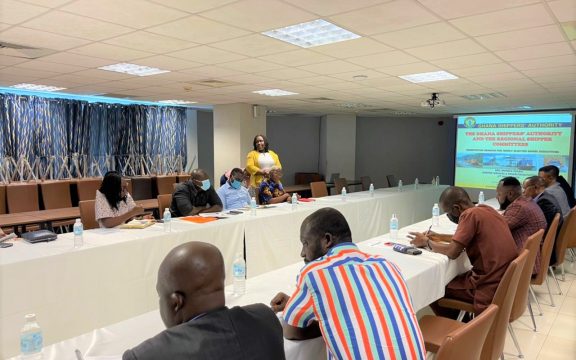
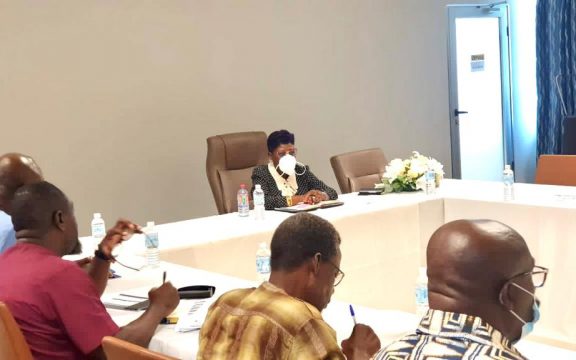
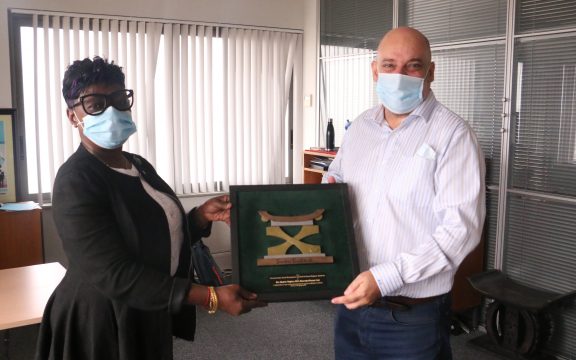
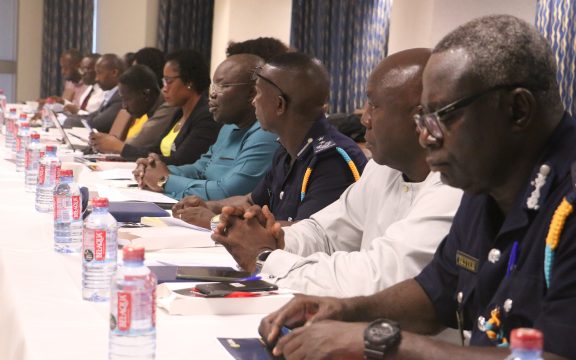
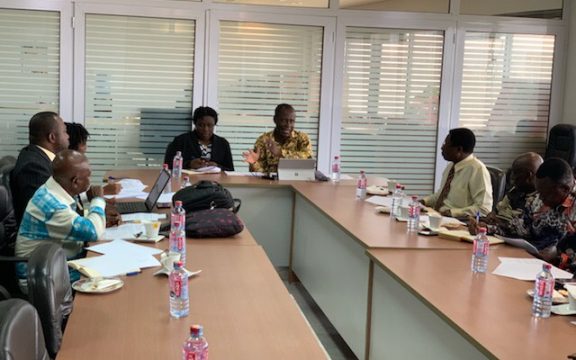
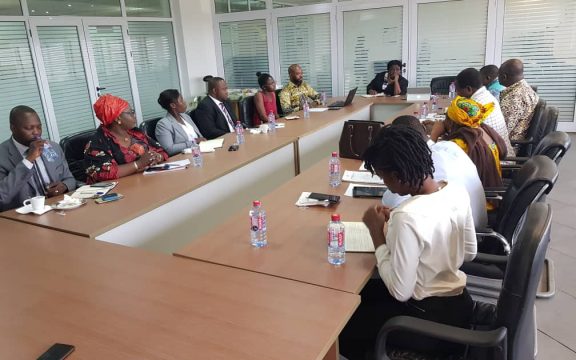
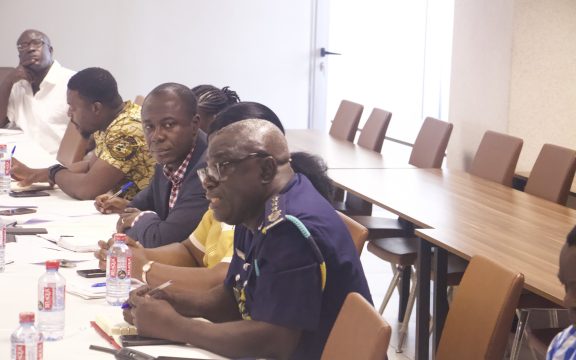
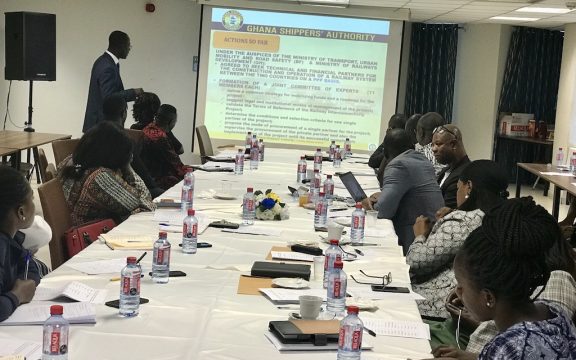
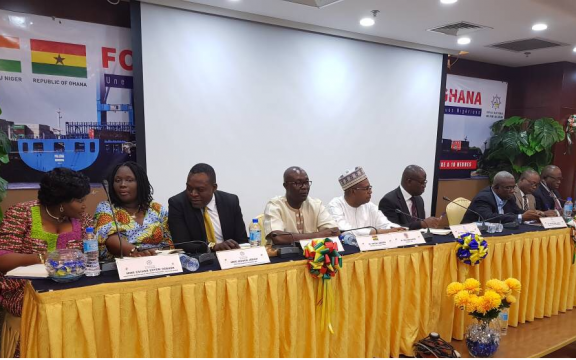
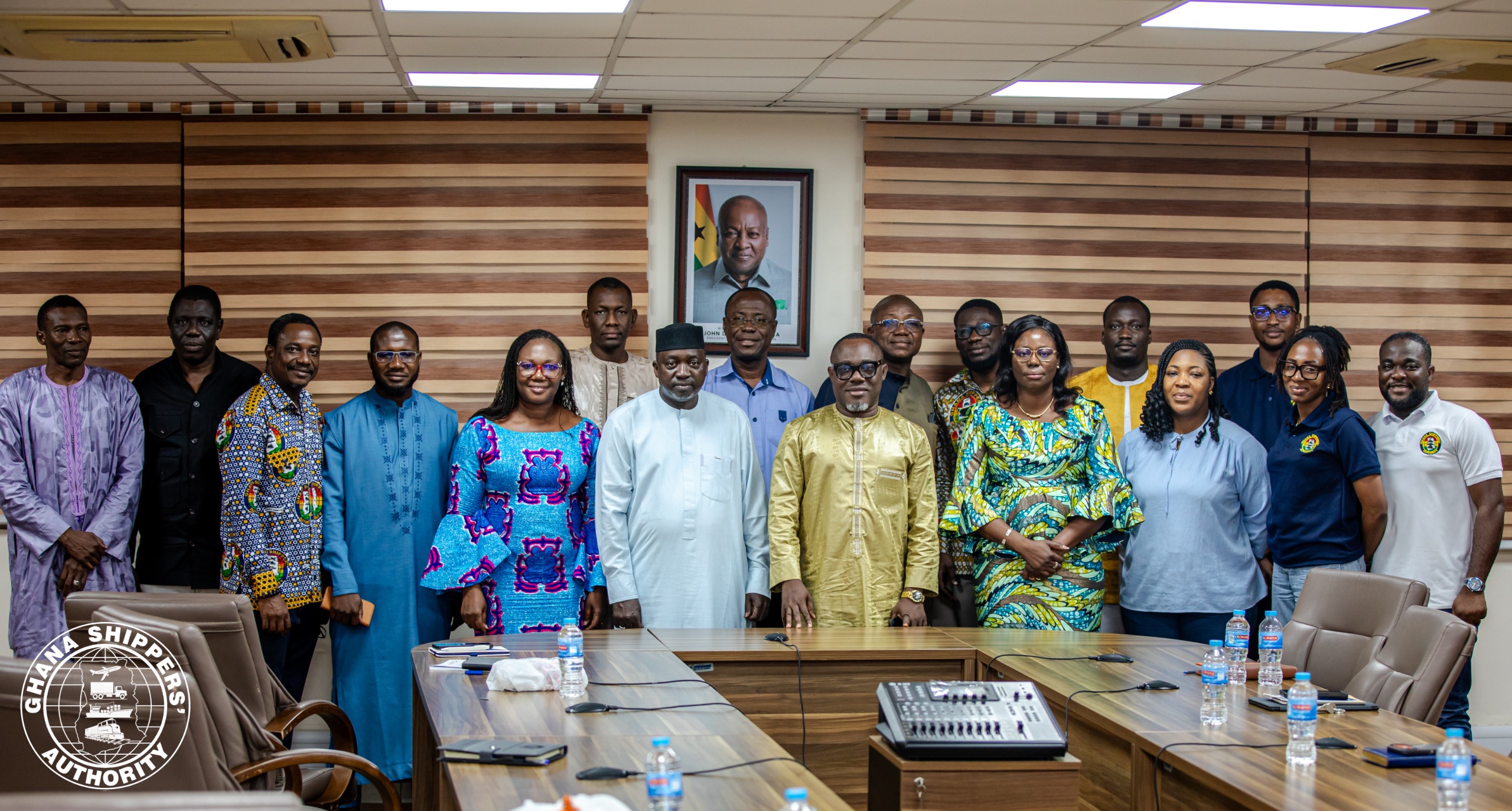
 During a courtesy call on the Chief Executive Officer of the Ghana Shippers’ Authority (GSA), Prof Ransford Gyampo, on Friday, 11th September 2026, the Director General of the Burkina Shippers’ Council, Mrs Denise Bado Bonda, who led a Joint Mission of Sahelian States, raised concerns about the effect of the congestion on cargo destined for the three countries.
She explained that delays at Tema were slowing manufacturing activities and affecting other sectors, including education.
“At the centre of the concern were about 100 containers carrying essential school supplies stranded at the port, with the delay affecting Burkina Faso’s education system,” she said.
 Mrs Bado Bonda disclosed that the situation had prompted the governments of Burkina Faso, Niger and Mali to form a joint committee to engage critical Ghanaian port stakeholders and agencies and address the challenges before they deteriorated further.
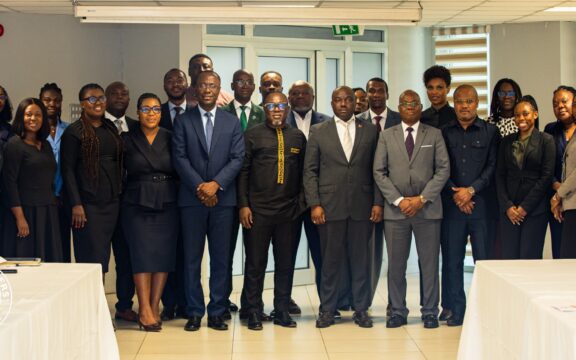
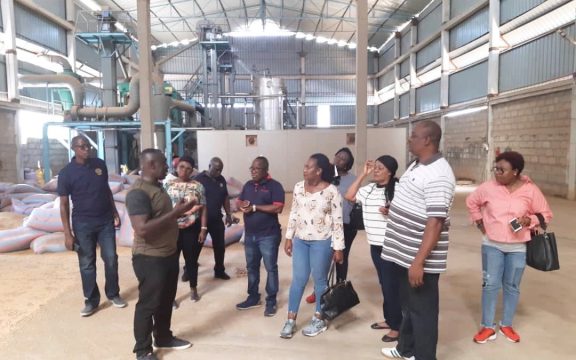
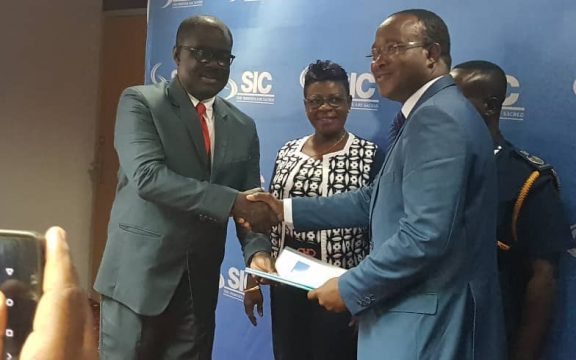
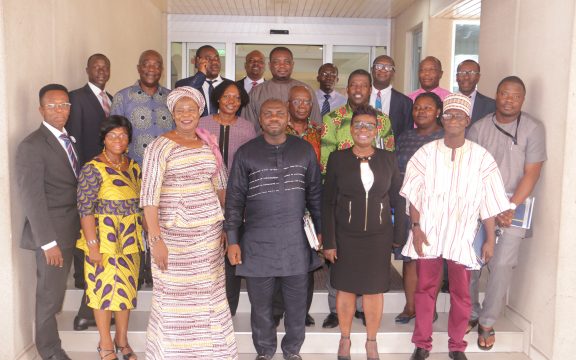
The delegation included the Chairman of the Mali Shippers’ Council, Mr Kissima dit Bakissima Sylla, alongside officials from the Mali and Niger Shippers’ Councils. They were received by Prof Gyampo, accompanied by the Deputy Chief Executive Officer, Technical, Ms Sylvia Asana Dauda Owu, the Head of Freight and Logistics, Mr Fred Asiedu-Dartey, and other GSA officials.
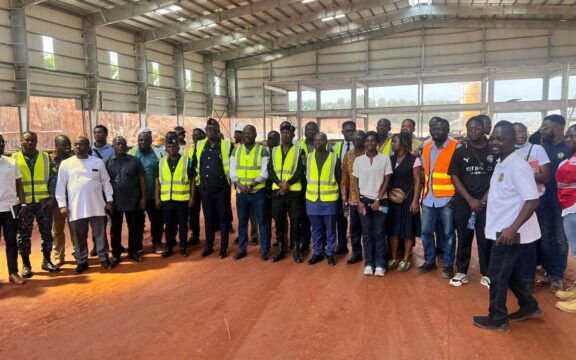
The concerns come as congestion at Tema Port has attracted growing attention from importers, freight forwarders and other industry players, with recent reports pointing to rising cargo volumes, clearance delays and pressure on available port and road capacity. The GSA has also undertaken a fact finding visit to the port to assess the situation and engage stakeholders on measures to improve cargo clearance and vessel turnaround.
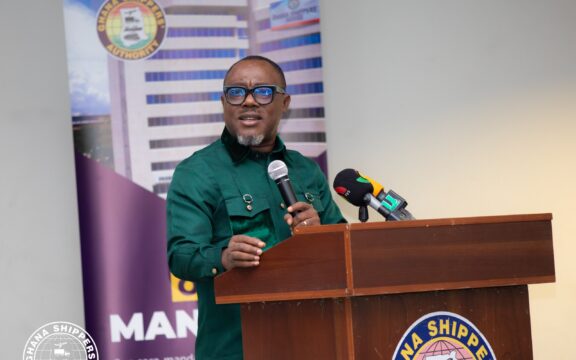
 In his remarks, Prof. Gyampo assured the delegation that the government was conscious of the importance of trade facilitation and would do everything possible to ensure that recent developments did not derail the gains made in the commercial shipping sector.
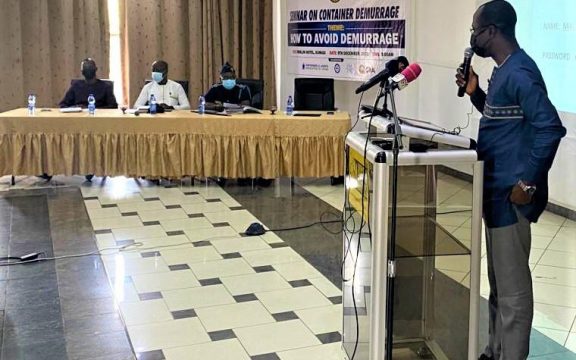
“Together, we will work to address the issues so that they do not degenerate into demurrage, the fee shippers pay for overstayed cargo at the port, and other avoidable costs that could lead to an increase in the cost of goods,” he said.
He also stressed the importance of adequate truck parking facilities in easing pressure on port operations and improving conditions for truck drivers. He disclosed that plans were underway for a befitting truck park in Tema.
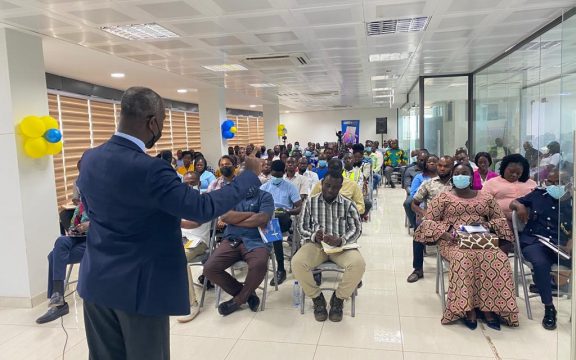
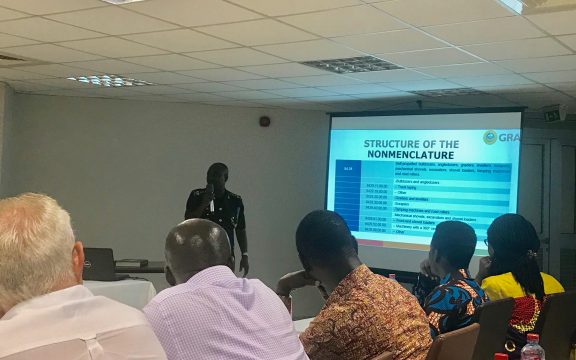
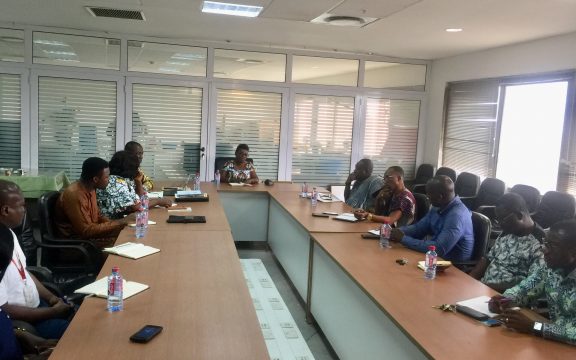
Mr Asiedu-Dartey outlined some of the measures being pursued, including closer collaboration among Customs, port operators, regulatory agencies and other institutions involved in the clearance chain to eliminate unnecessary delays and bottlenecks.
 He indicated that GSA and the Ghana Ports and Harbours Authority (GPHA) are also working with shipping lines and terminal operators to increase vessel calls and accelerate the evacuation of empty containers to free up valuable yard space.
Mr Asiedu-Dartey noted that the engagement was consistent with the mandate of GSA to protect and promote the interests of shippers and facilitate an efficient, fair and competitive commercial shipping environment.
For Burkina Faso, Mali and Niger, the importance of resolving the congestion is heightened by their dependence on coastal ports to access international markets. Delays at Tema can therefore extend along the transit corridor, affecting delivery schedules and increasing costs for businesses and consumers in destination markets.
 The engagement has consequently placed the Tema Port congestion issue in a wider regional context. While immediate efforts are focused on easing pressure within the port, sustained efficiency along the corridor will be critical to maintaining Ghana’s position as a gateway to the Sahel.
With the Sahelian states now directly engaging Ghana over the impact of the congestion, the issue has moved beyond an operational challenge at Tema Port to a broader regional trade concern. For Ghana, the stakes are particularly high as competing ports along the West African coast continue to position themselves as alternative gateways for cargo destined for the landlocked Sahelian economies.
 Any prolonged congestion, rising costs and delays in cargo clearance could therefore undermine the competitiveness of Ghana’s trade corridor and weaken the confidence that has been built among shippers and businesses that rely on Tema Port. It is imperative that the current challenges are addressed with urgency and sustained coordination to ensure that Ghana remains a reliable, efficient and competitive gateway to the Sahel.