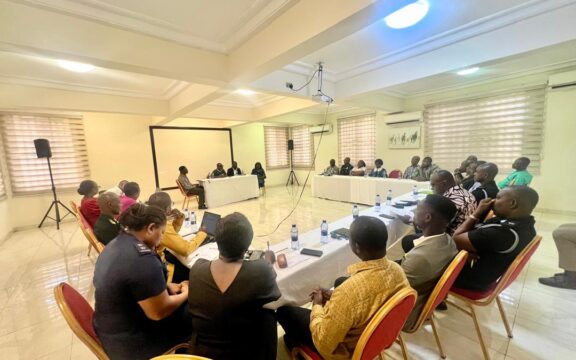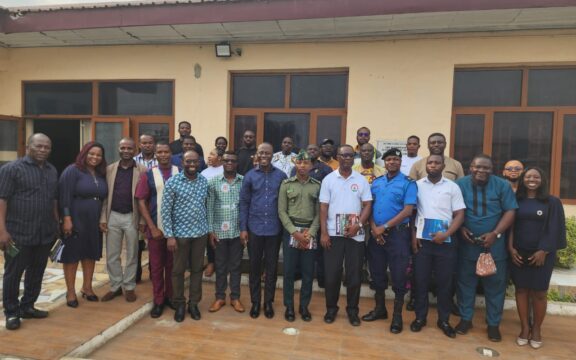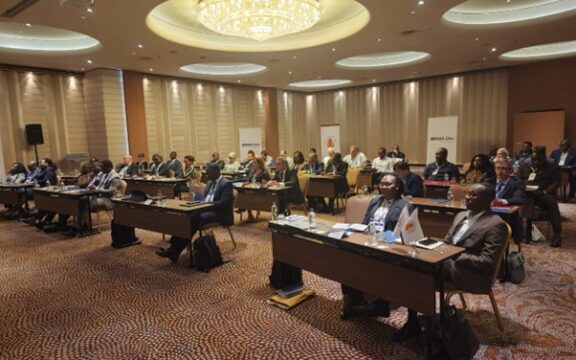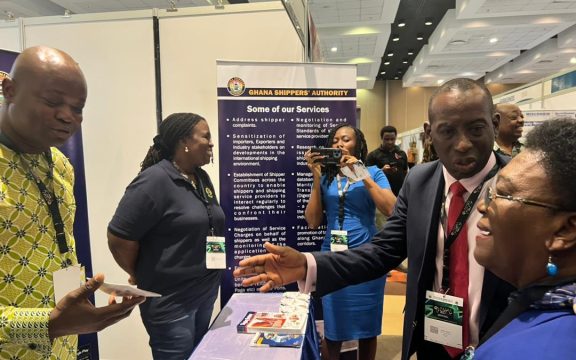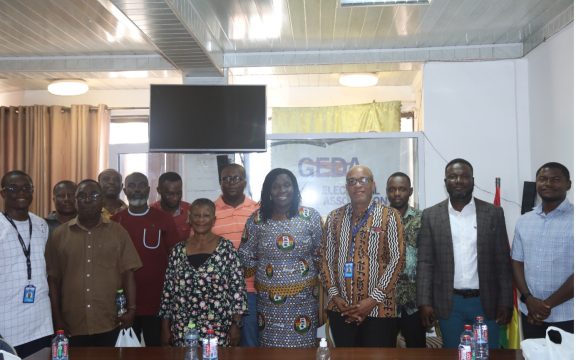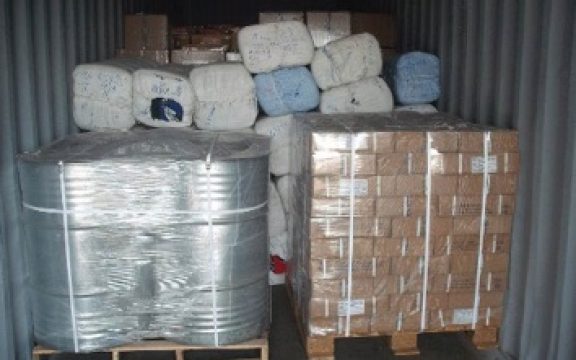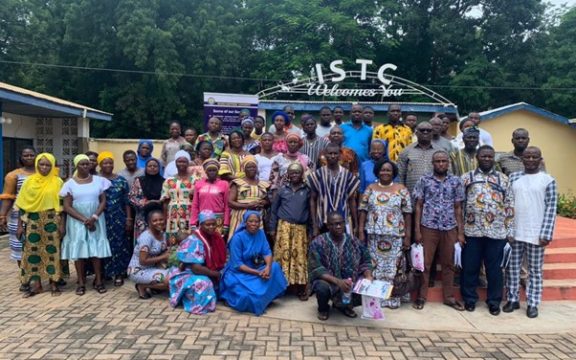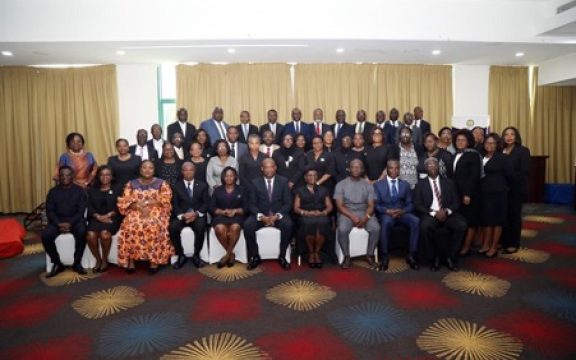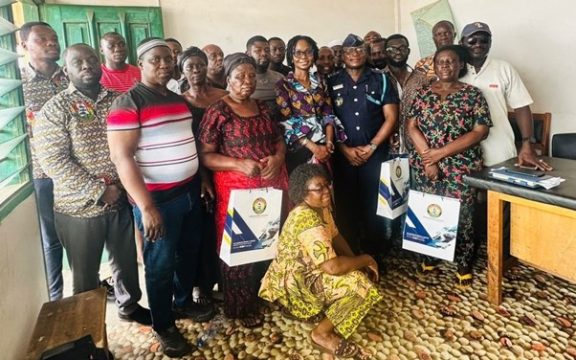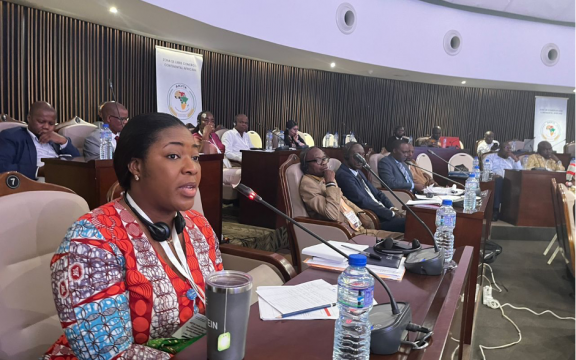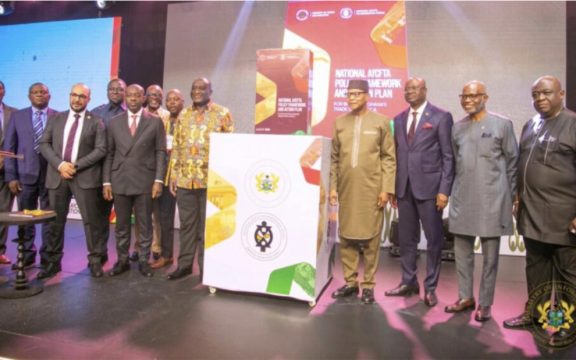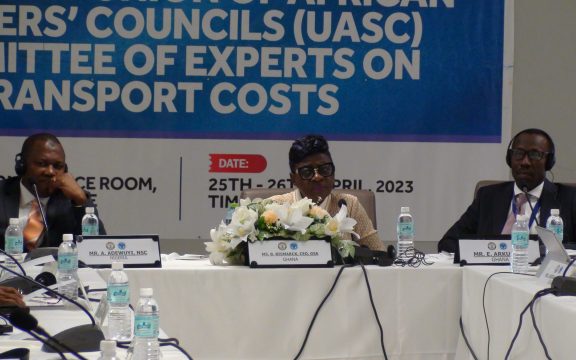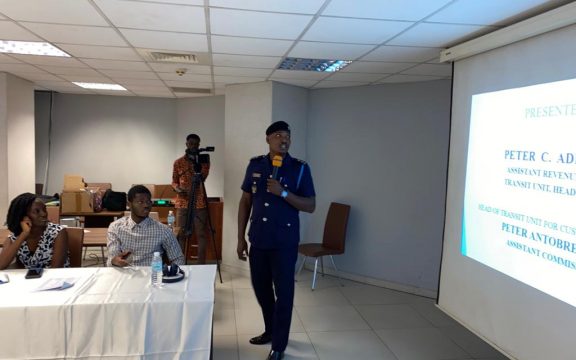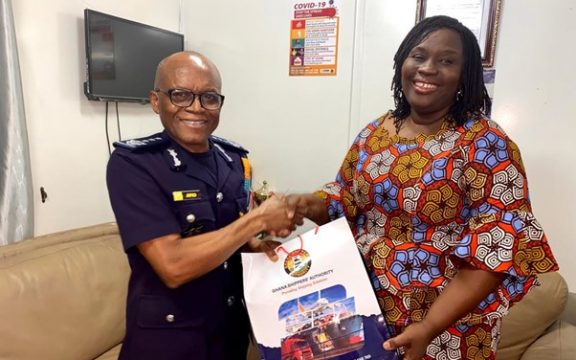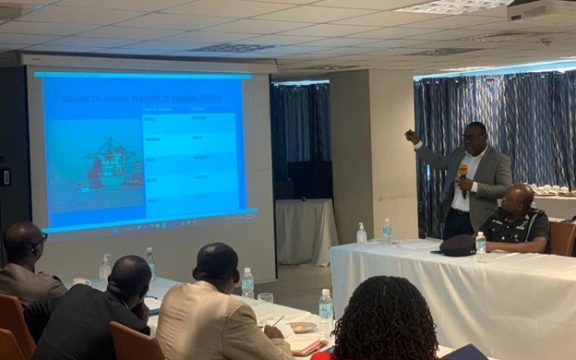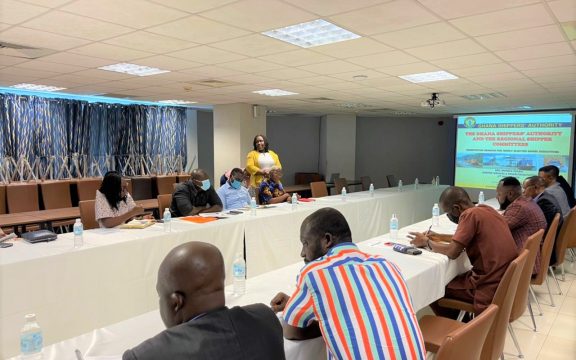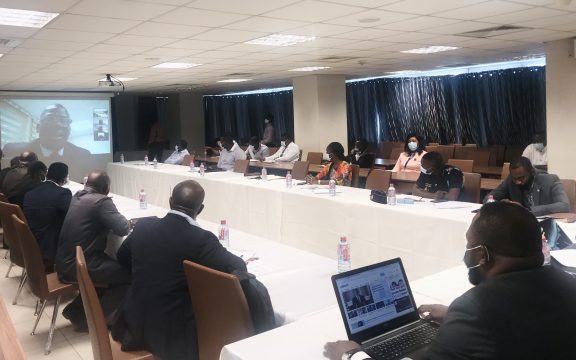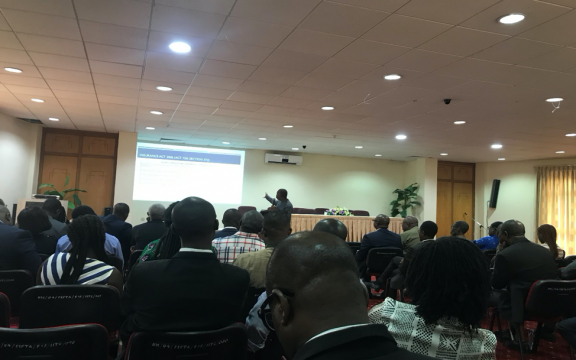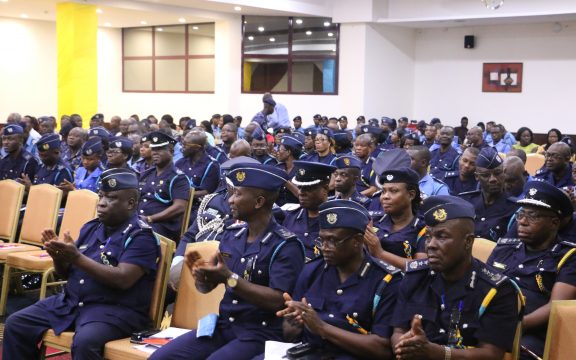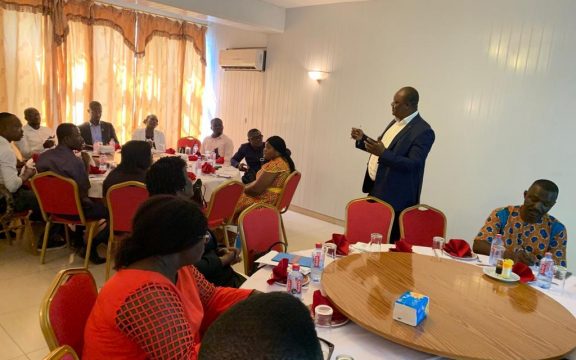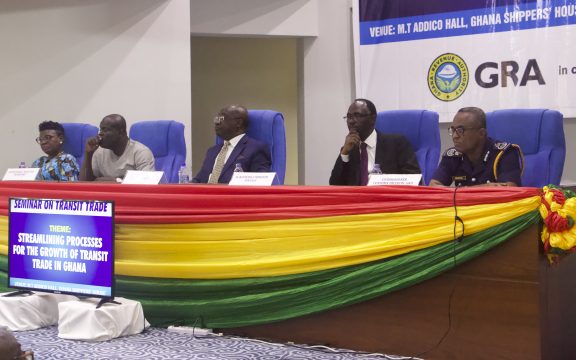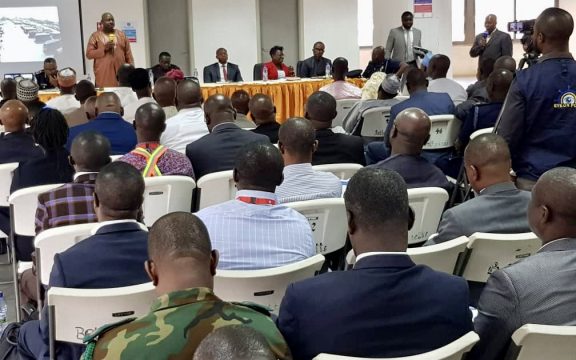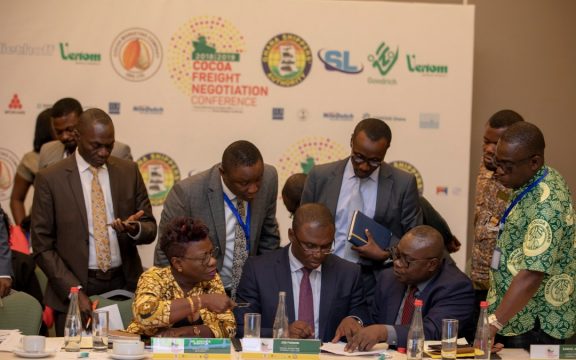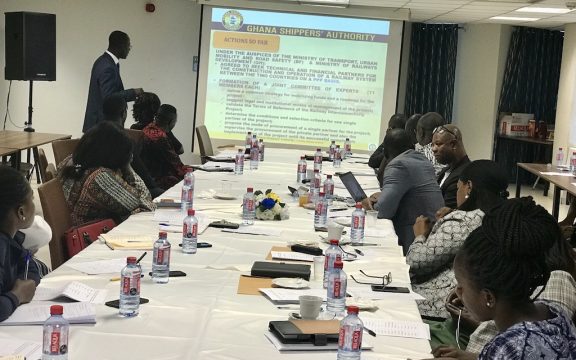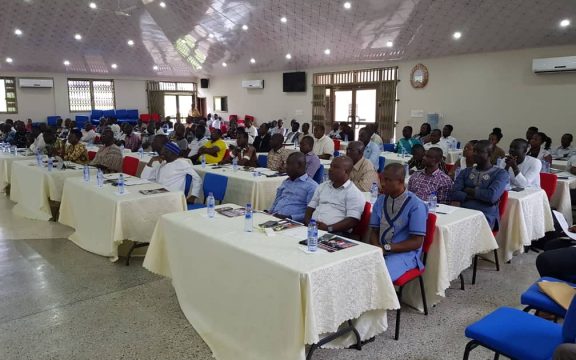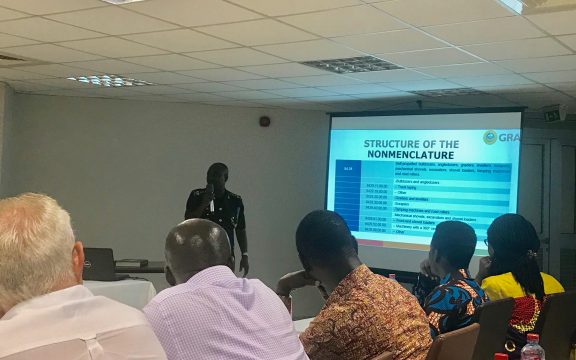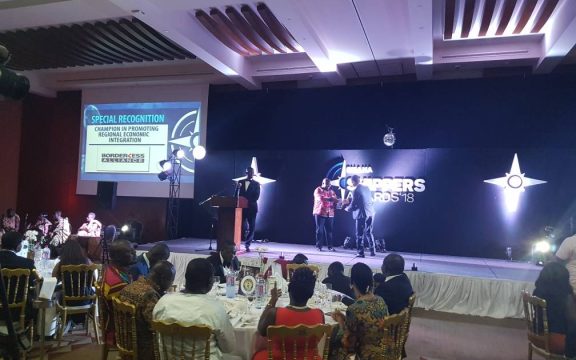


The Ghana Shippers’ Authority (GSA) has held a high-level Exporters’ Forum aimed at strengthening collaboration among exporters, regulators, and key stakeholders within the logistics and trade ecosystem. The forum brought together representatives from government agencies, industry associations, and exporters to discuss regulatory issues, operational challenges, and emerging developments across the export value chain to collectively find practical solutions to improve Ghana’s export competitiveness.

In her welcome address, Madam Monica Josiah, Head of Shipper Services and Trade Facilitation at GSA, emphasized the critical role of exports in national development and highlighted the significant contribution of exports to Ghana’s GDP growth, employment creation, and currency stability priorities aligned with the President’s vision to expand and deepen Ghana’s traditional export base.
Madam Josiah stressed that shipping constitutes a critical link in the export chain and emphasized that a seamless and efficient shipping process is indispensable to the success of every export transaction. She underscored the need for enhanced stakeholder collaboration to tackle persistent challenges, including regulatory and compliance barriers, inadequate infrastructure, cargo screening inefficiencies, and institutional capacity gaps.

A detailed presentation was delivered by the Bank of Ghana (BoG), specifically its International Trade Department represented by Mr. Eric Hammond, who highlighted the need for exporters to ensure conformity with the Letter of Commitment (LOC) requirements and strict adherence to the repatriation of export proceeds through their commercial banks.
“Compliance with LOC requirements is essential for maintaining the integrity of Ghana’s export regime,” Mr. Hammond stressed. “Export proceeds must be repatriated fully and on time, not only because it is a legal obligation but because it supports currency stability and strengthens our national reserves.”
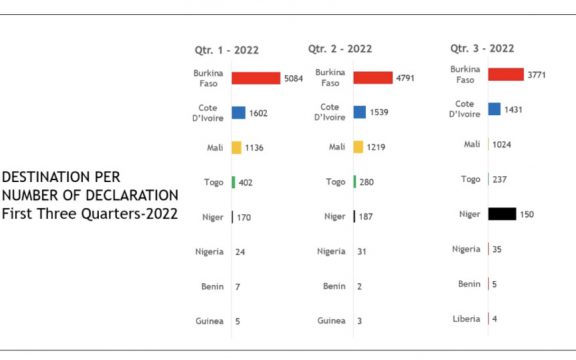
He also clarified widespread misconceptions surrounding Ghana’s trade patterns, emphasizing that the country is not as import dependent as commonly perceived.
“The data shows a more balanced trade structure than many assume,” he noted. Following concerns about the brevity of the former 60-day repatriation period, Mr. Hammond announced that the Bank had extended the deadline to 120 days after shipment. He further disclosed that the Bank of Ghana was in the process of developing a comprehensive manual on LOC requirements and a set of frequently asked questions to support exporters.

The second presentation was delivered by Mr. Alexander Twum-Barimah, Deputy Director General of the Narcotics Control Commission (NACOC) in charge of Enforcement, Control and Elimination. He urged exporters to steer clear of illicit drug trafficking and reiterated NACOC’s heightened vigilance within the export chain.
“We will not hesitate to act against anyone who attempts to use legitimate export channels for illicit drug activities,” Mr. Twum-Barimah stated. He revealed that the Chief Justice had assured NACOC of plans to establish a dedicated court for the swift prosecution of drug-related offenses.
He also reminded exporters that NACOC officers are empowered under Section 33 of the NACOC Act to profile individuals at seaports and airports, cautioning that “any person found facilitating drug-related operations will face the full force of the law.”
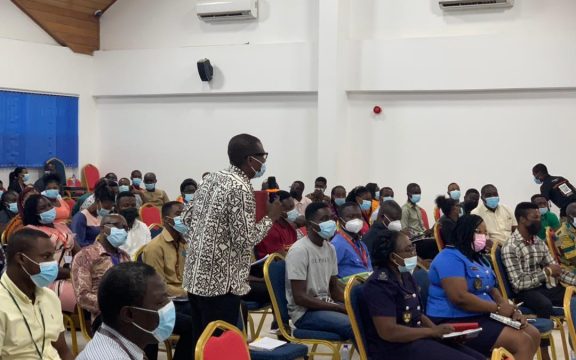
During the open forum, exporters expressed concerns regarding damage and quality defects resulting from scanning and handling of export goods at Kotoka International Airport. In response, NACOC assured participants of its commitment to collaborate with relevant institutions to improve cargo handling procedures and reduce avoidable damage to export items. Other concerns raised included ICUMS downtimes, cumbersome permit procedures, the need for Ghana to acquire a dedicated cargo aircraft, and the disinfection of export cargo.

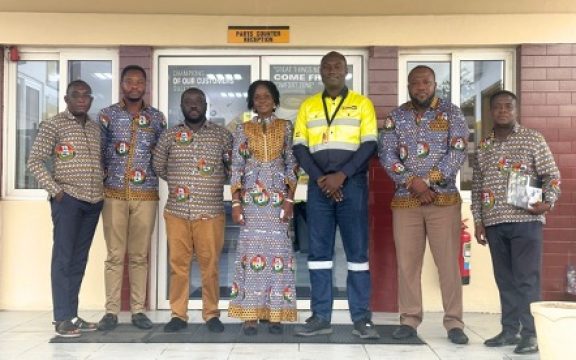
The forum saw strong participation from key institutions including the Environmental Protection Agency (EPA), Narcotics Control Commission, Ghana Energy Commission, Veterinary Services, Ghana Airports Company Limited, Ghana Export Promotion Authority (GEPA), Customs (CEPS), Bank of Ghana (International Trade Department), Ghana International Trade Commission, Aviance Ghana, Ghana Plastics Association, Pioneer Food Company, among others.
The Exporters’ Forum reaffirmed the commitment of GSA and its partner institutions to ongoing stakeholder engagement, coordinated problem-solving, and the creation of an efficient, transparent, and globally competitive export environment for Ghana.