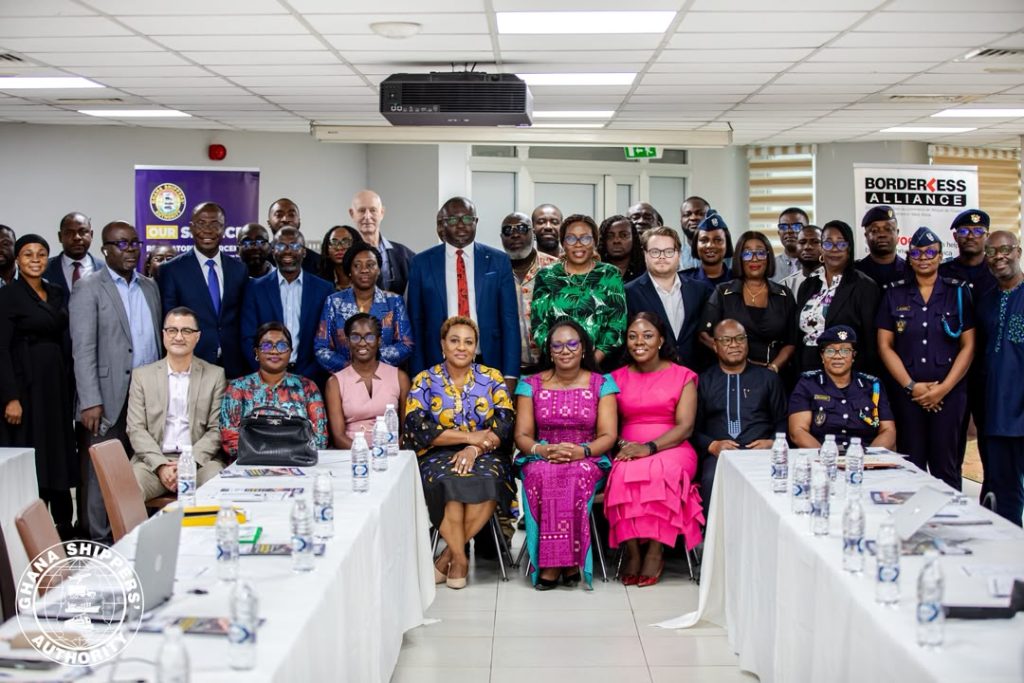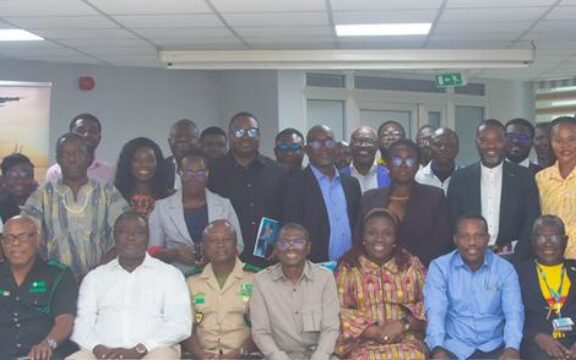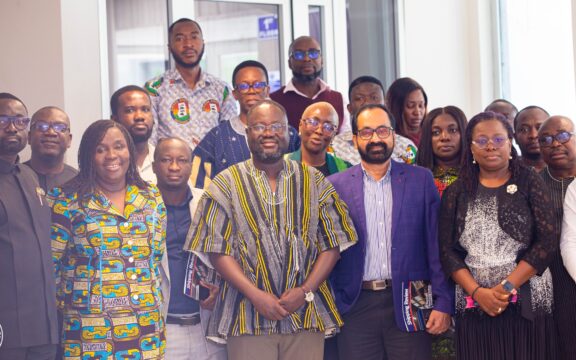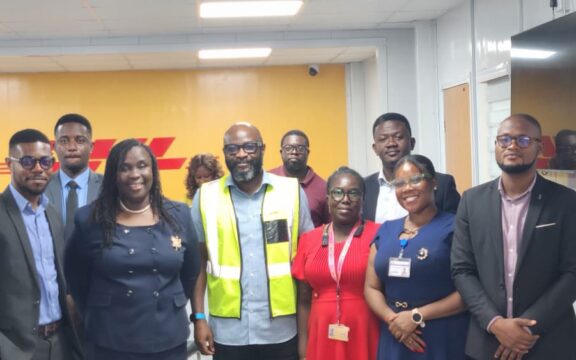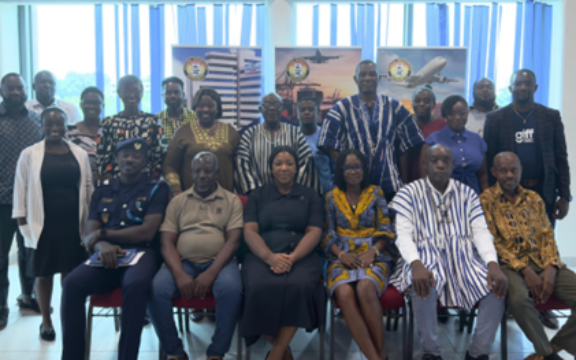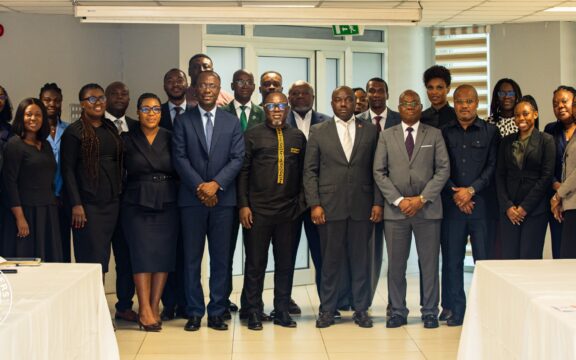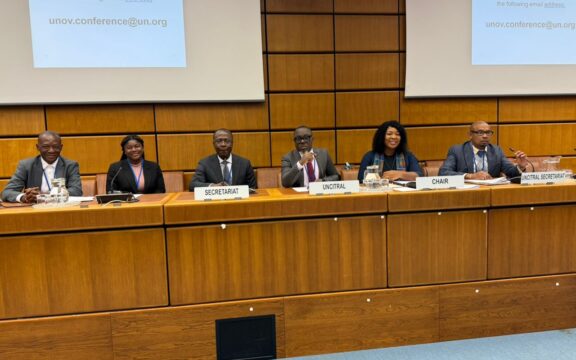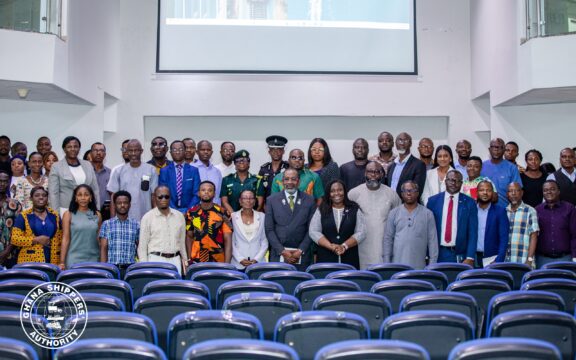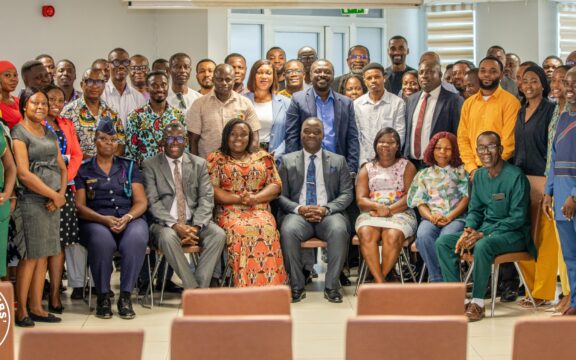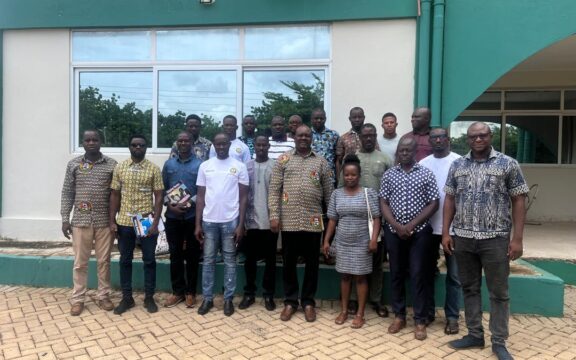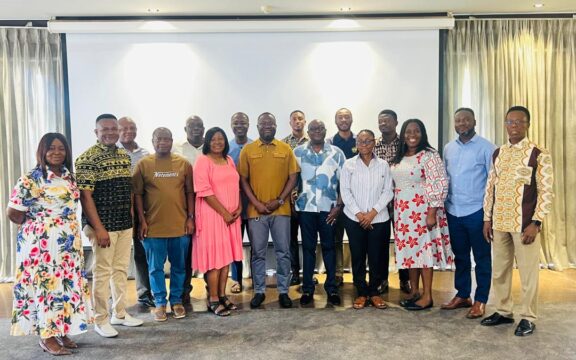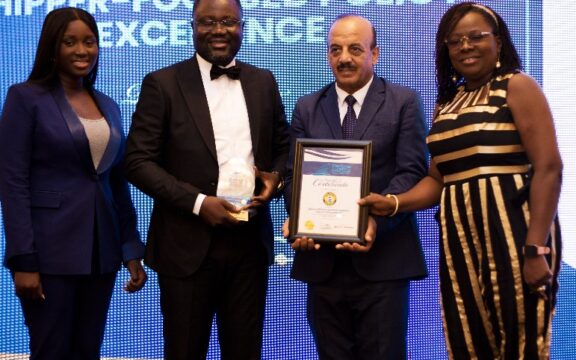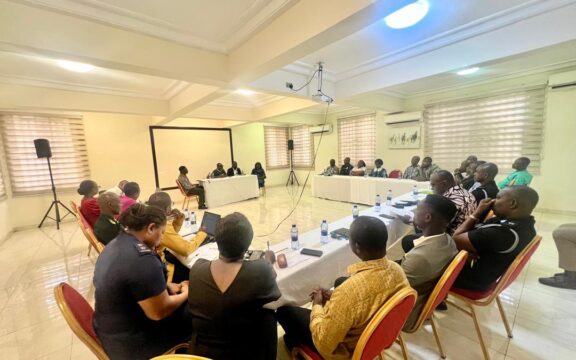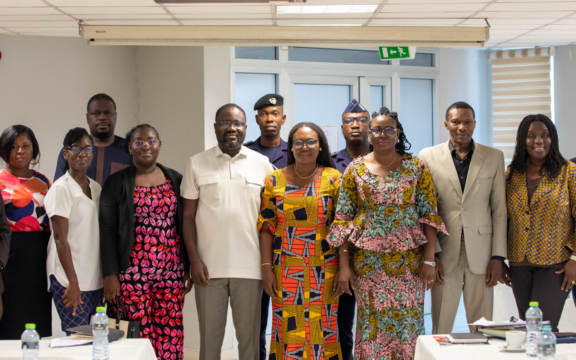

When goods are held up at borders, the promise of a single African market can feel distant to the traders who need it most. Fragmented procedures, untracked complaints and slow responses remain practical obstacles to trade. These challenges framed the 2026 Borderless Forum, where participants considered how digital systems and stronger cooperation could help goods to move more freely across the continent.
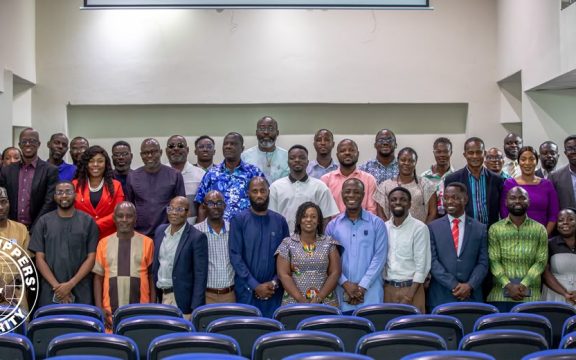
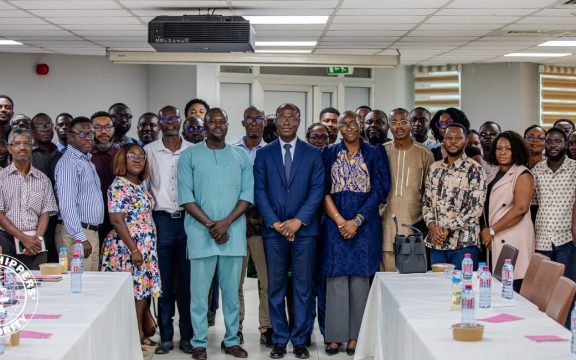
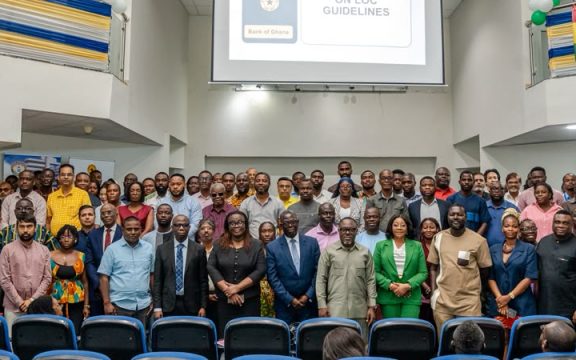
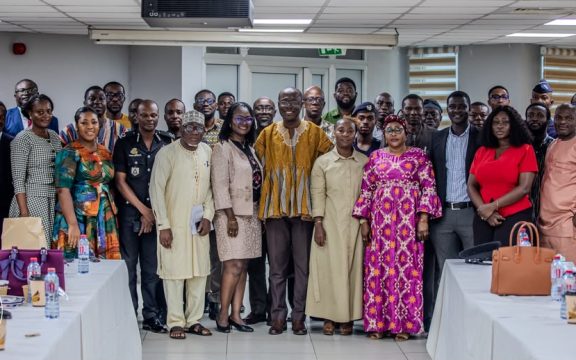
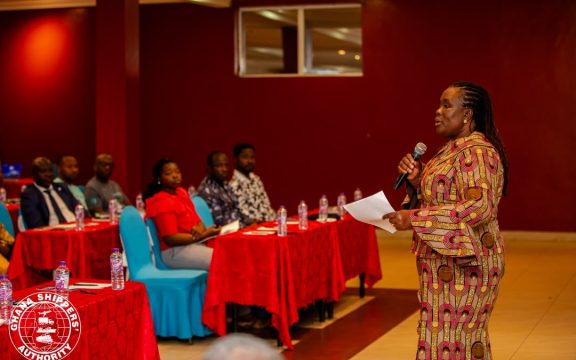
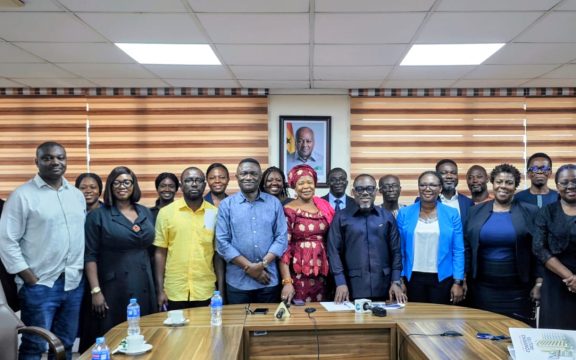
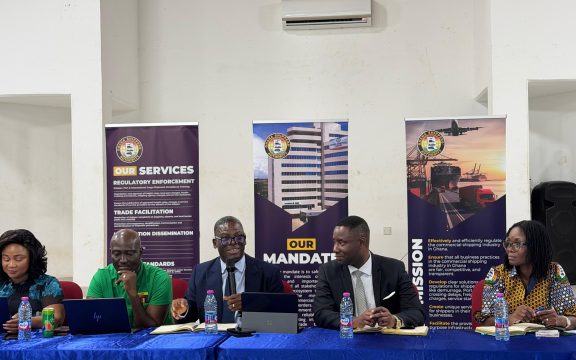
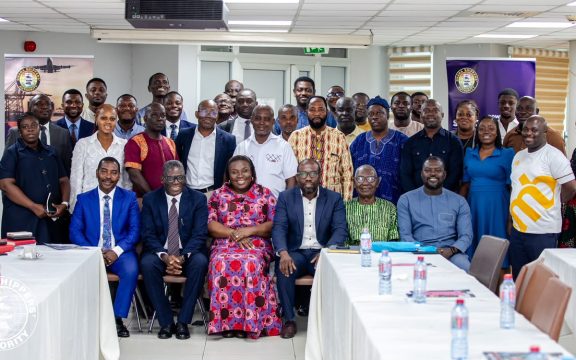
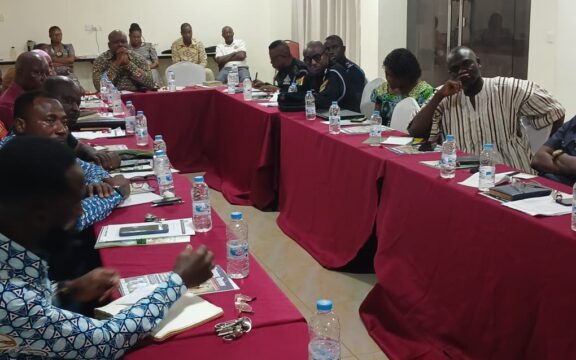
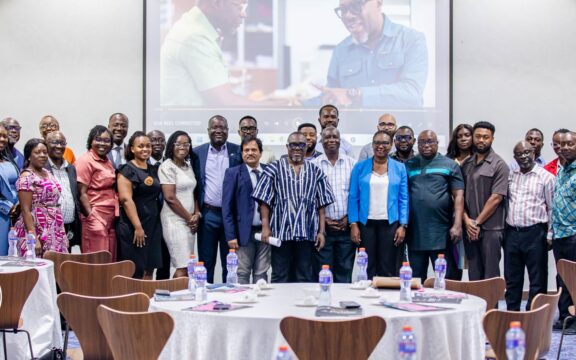
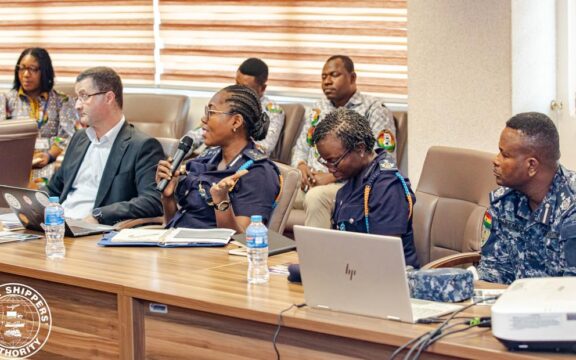
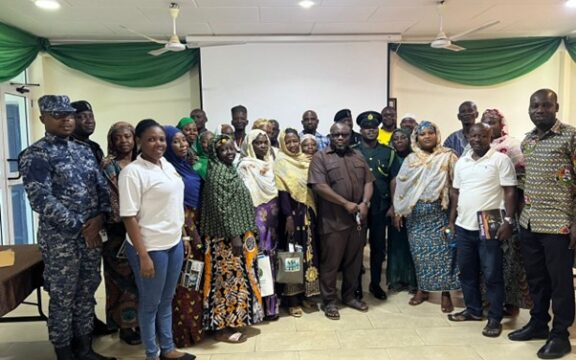
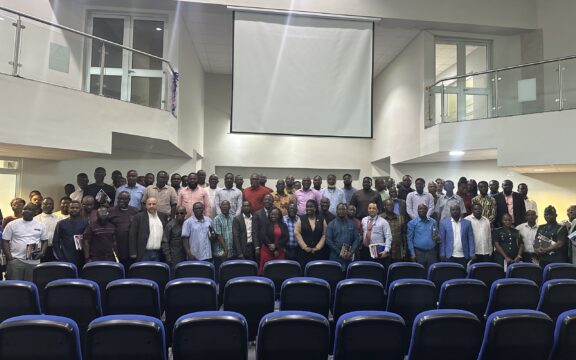
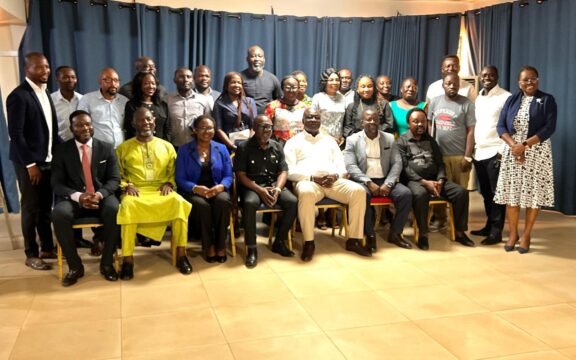
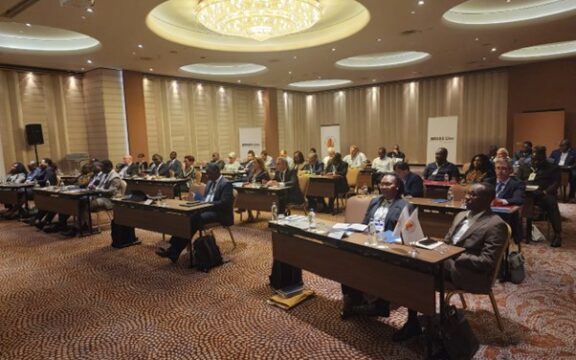
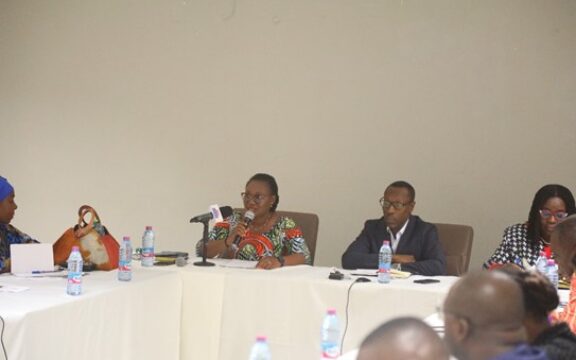
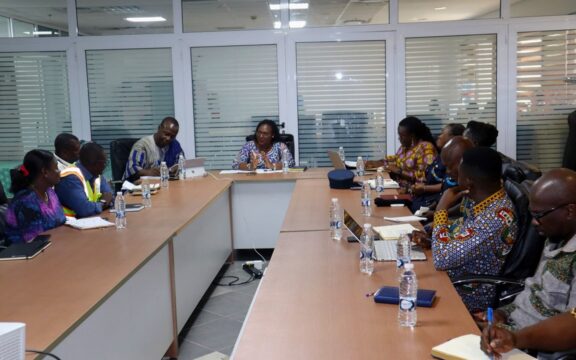
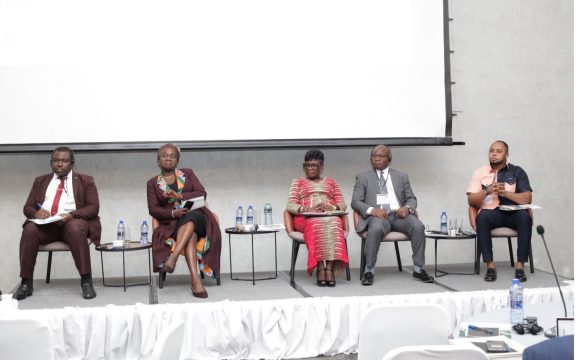
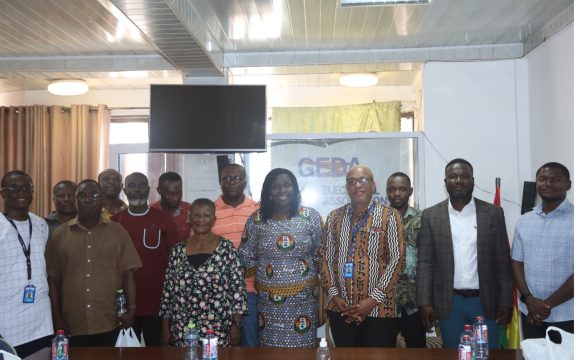
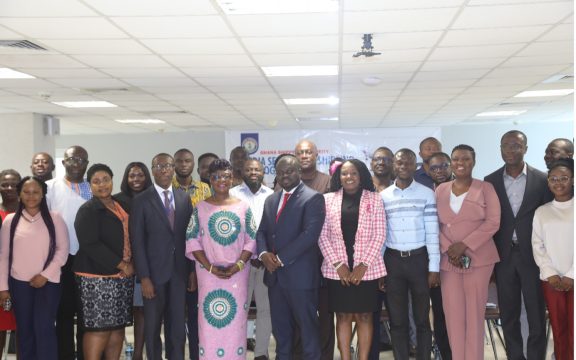
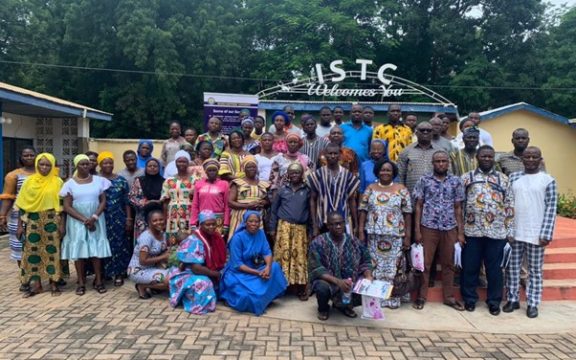
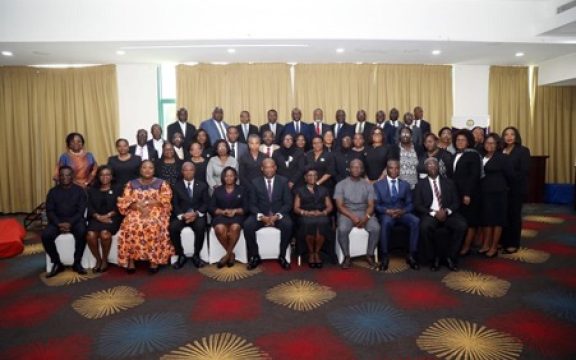
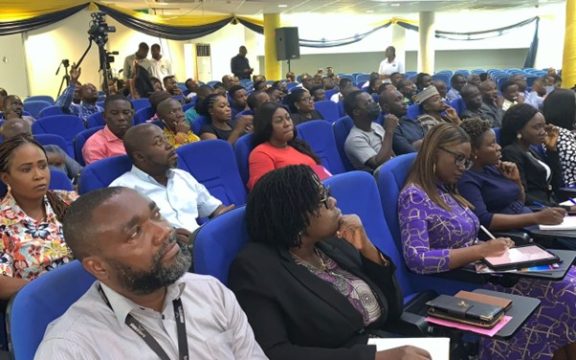
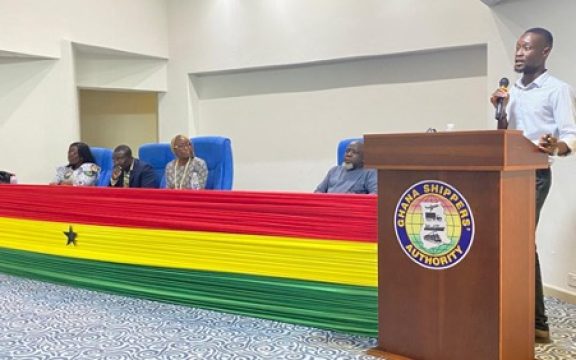
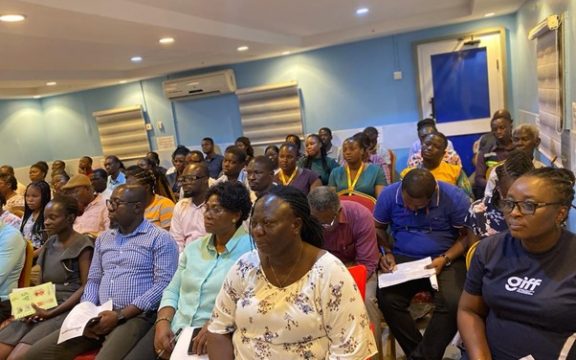
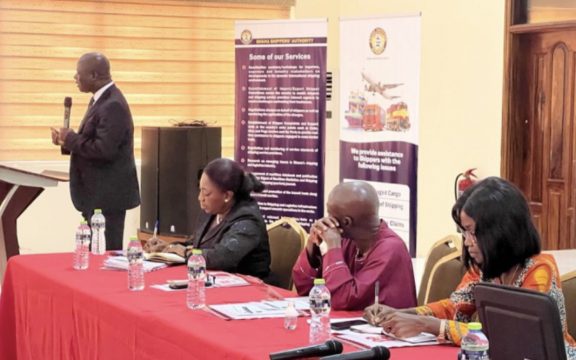
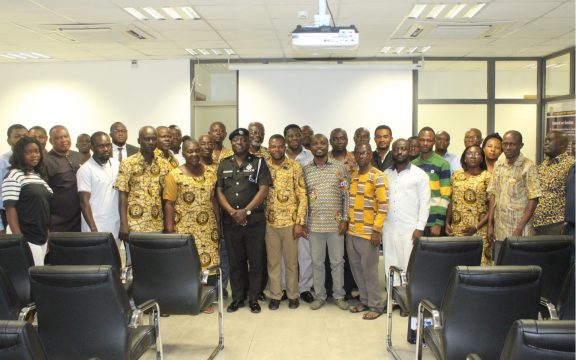
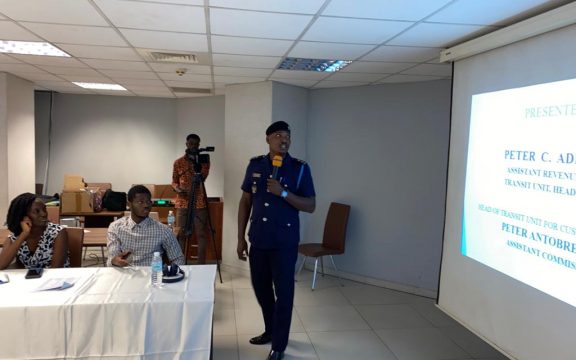
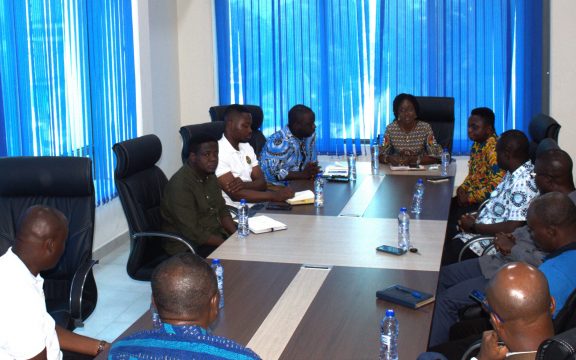
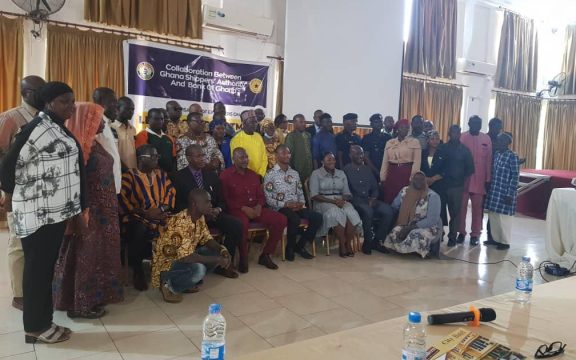
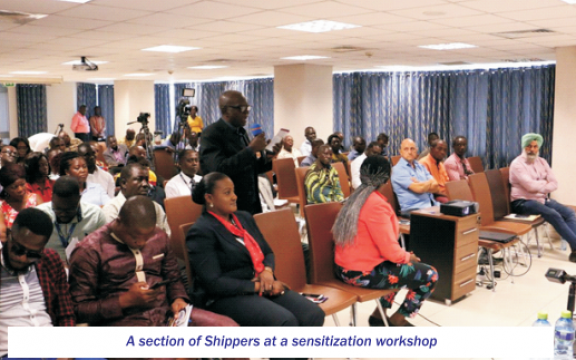
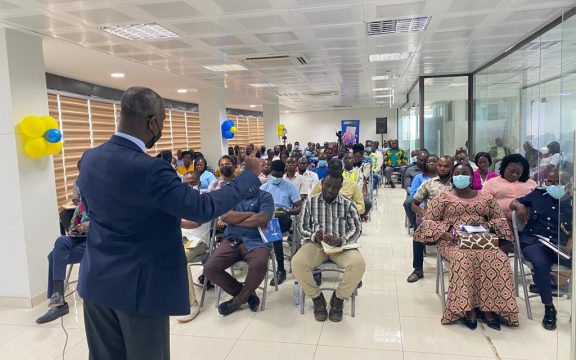
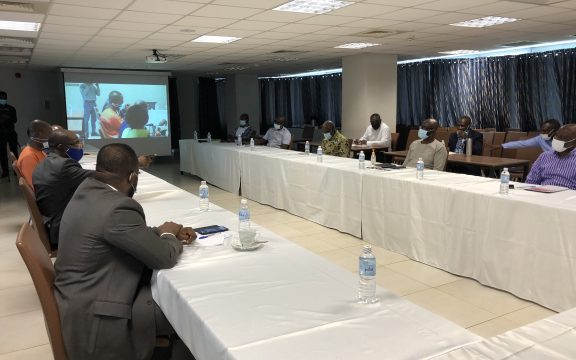
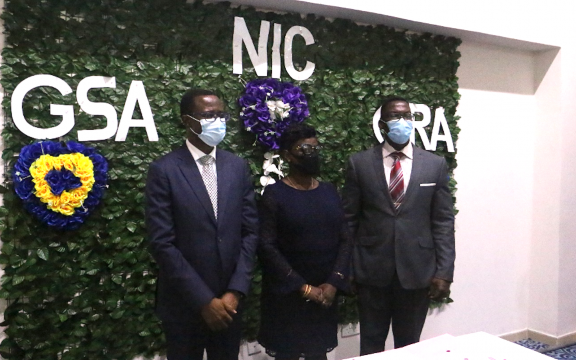
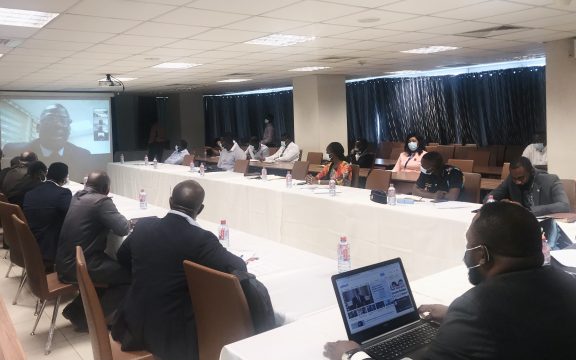
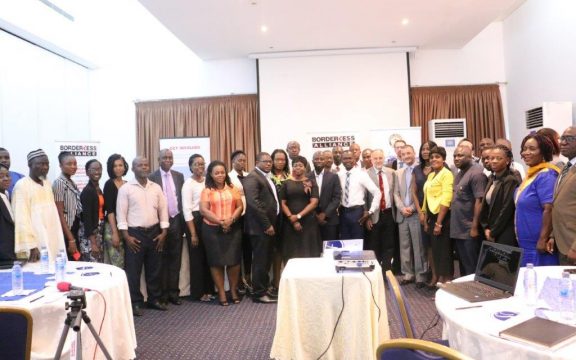
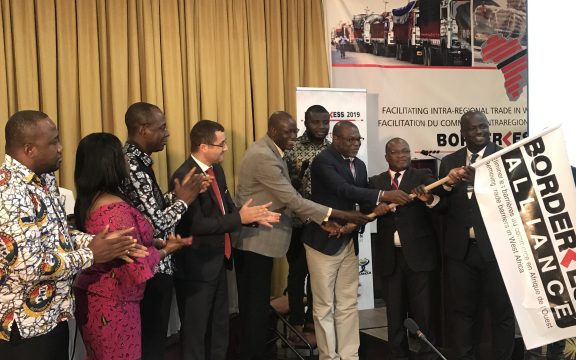
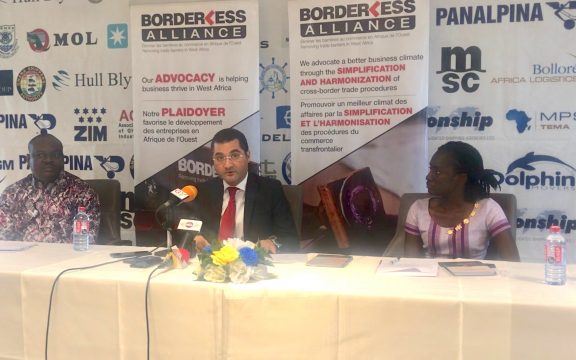
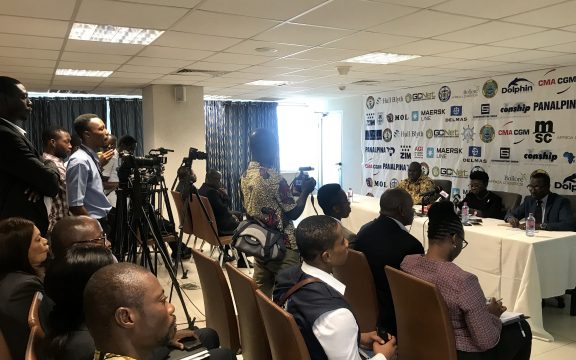
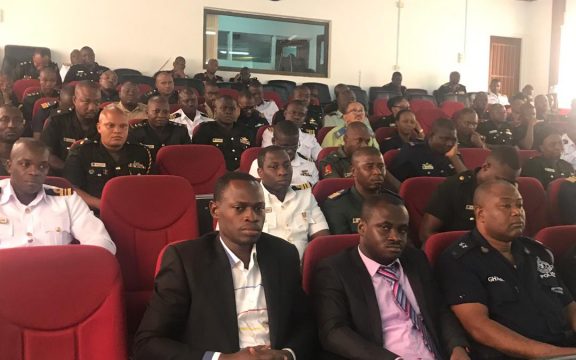
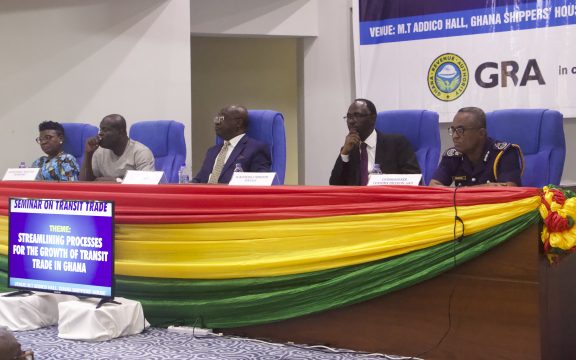
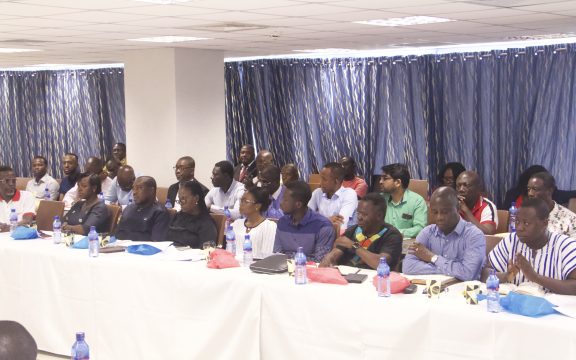
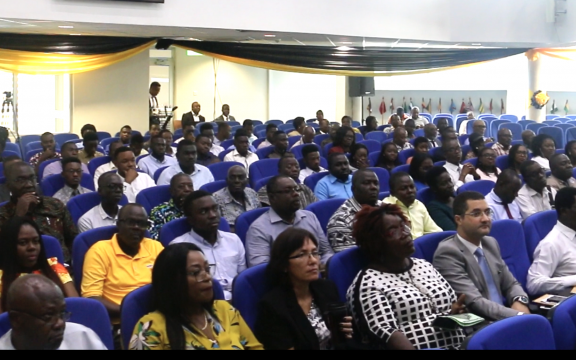
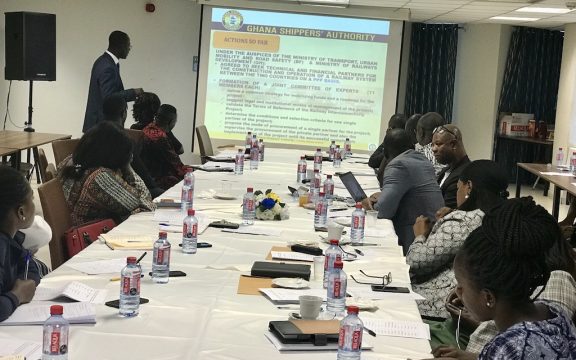
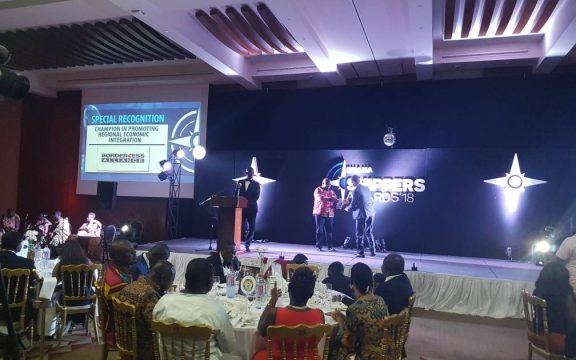
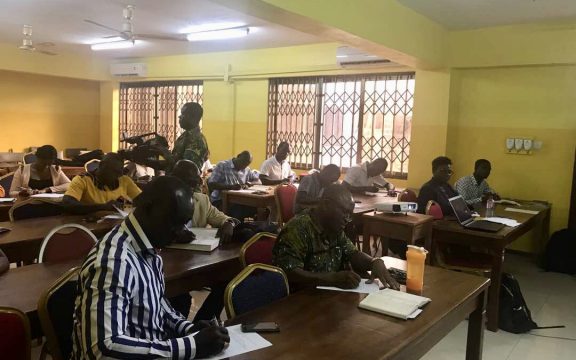
Held at the head office of the Ghana Shippers’ Authority (GSA), Shippers’ House, in Accra, the forum was organised on the theme “Pioneering Digital Trade Facilitation and Regional Integration”. It featured presentations and a panel discussion on “Accelerating Intra-African Trade: Harmonising Policy Advocacy, Digital Systems and Corridor Oversight”.
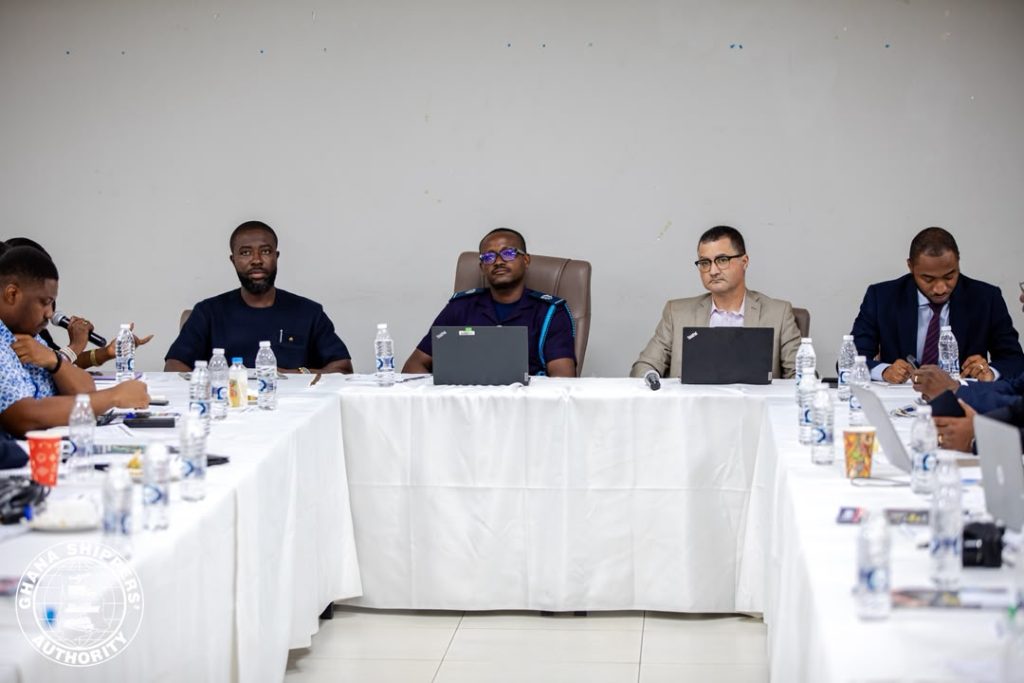 In his welcome address, Mr Jonas Lago of the Borderless Alliance thanked GSA for hosting the forum and supporting the effort to advance the free movement of goods and people. He said that after 15 years, the Alliance was beginning a new phase guided by its 2025–2030 Strategic Plan, which would strengthen its operations and partnerships with regional economic communities, private sector stakeholders and donors.
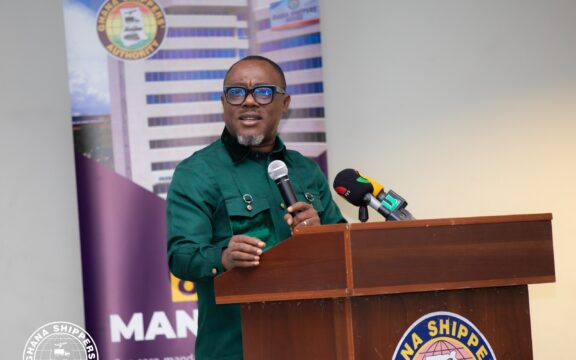
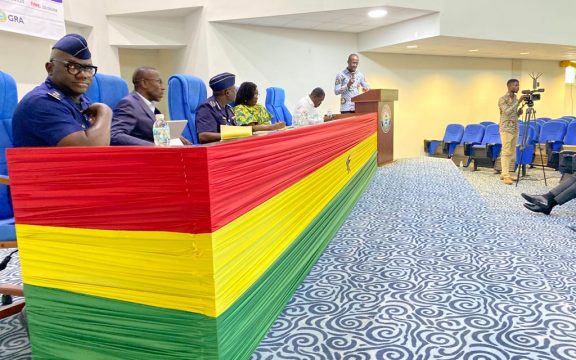
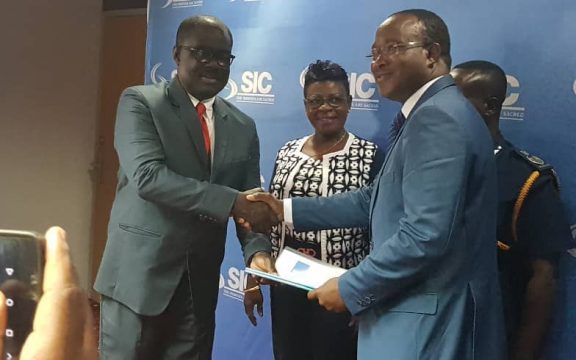
Delivering the opening address on behalf of the Chief Executive Officer (CEO) of GSA, Prof. Ransford Gyampo, the Deputy CEO, Technical Services, of GSA, Madam Sylvia Asana Dauda-Owu welcomed participants and commended the Alliance for helping to shape the trade and logistics sector. She highlighted their role in bringing state actors, private operators, regional institutions and development partners together to discuss the movement of goods and people across borders.
“The African Continental Free Trade Area offers enormous opportunities for expanding intra-African trade, developing regional value chains and strengthening business competitiveness,” Madam Owu said. “These benefits can only be realised if goods move across borders with minimal delays, predictable procedures and reasonable costs.”
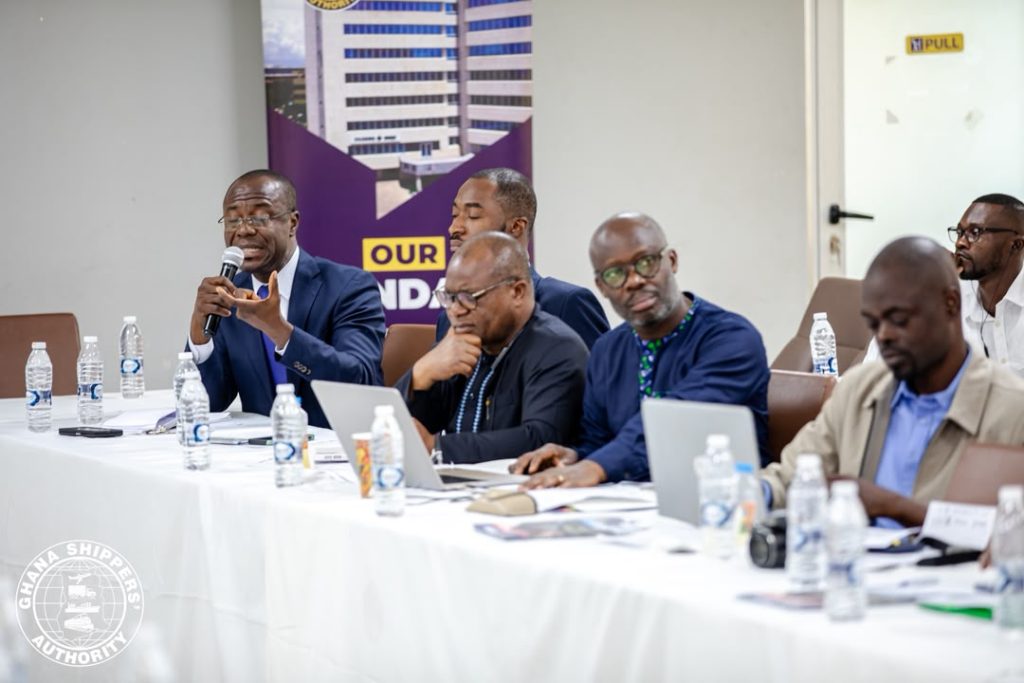 She further said that, the timing of the Alliance’s relaunch and strategic repositioning was significant, given the developments within ECOWAS and the wider African trade integration agenda. She also acknowledged TradeMark Africa, the ECOWAS Trade Liberalisation Scheme (ETLS) Task Force and other partners for their support in advancing trade facilitation.
Madam Owu identified the ETLS and the Interconnected System for the Management of Goods in Transit (SIGMAT) as important initiatives for facilitating the movement of eligible goods and digitalising transit operations within ECOWAS.
Her Excellency, Josephine Nkrumah (Resident Representative of the ETLS Task Force in Ghana ) spoke about simplifying tariff regimes and making digitalisation a focus of the ETLS. She said the aim was to remove inhibitions to trade and ensure fairness and ease of trade for small and large traders alike.
 The Deputy Chief Executive Officer of TradeMark Africa, Abigail Bondzie, described the Borderless Alliance as a dependable partner and added that, the partnership between the organization and TradeMark Africa was deeply valued. She stressed the need to advance digital solutions to support the free flow of trade and address Non-Tariff Barriers (NTBs).
“This platform must be grown to build trust and confidence in the system, and to ensure that digitalisation becomes a tool for advancing the free flow of trade,” Ms Bondzie said. She also highlighted the forum’s value as a space for stakeholders to work together on the regional trade agenda.
A presentation on the Alliance’s development traced its origins to March 2010, when it began as an advocacy campaign for the West Africa Trade Hub’s transport and road governance work. It evolved into a private sector-led advocacy group in May 2011 and was formally launched as the Borderless Alliance in May 2012.
 Based in Accra, it had more than 100 members from across West Africa at the end of 2025, including port authorities, financial institutions, transport companies, traders and producers.
The presentation outlined the Alliance’s work during 2017–2019, when it launched an electronic platform for reporting NTBs, developed its annual conferences into a regional policy forum and increased its focus on efficient trade corridors and ECOWAS protocols. Cross-border engagements included work on the removal of a statistics tax in Benin, provision of information brochures at border information centres and road caravans.
From 2023–2026, the presentation described a stronger focus on continental integration and impact. The Alliance held its 10th annual conference, increased attention to agricultural value chains and small and medium-sized enterprises, and expanded engagement from West African corridors towards the African Continental Free Trade Area (AfCFTA). It also contributed to advocacy involving the United Nations Economic Commission for Africa and the African Trade Policy Centre, while promoting regional and continental connectivity.
 The Alliance’s renewed mission is to provide an inclusive and independent private sector-led advocacy platform to advance the free movement of goods and people across West Africa. Its priorities include strengthening cross-border collaboration, addressing barriers to trade and transport, securing agreements with targeted partners, reaffirming the commitment of host institutions, and completing a five-year roadmap with partners and donors.
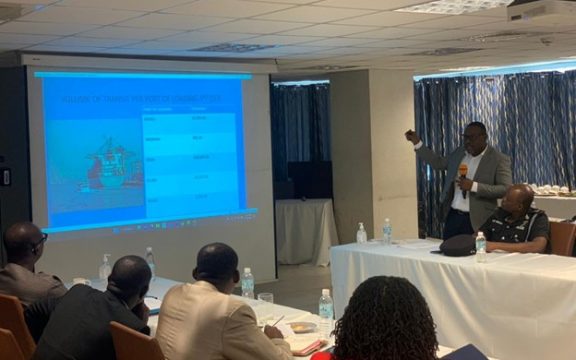
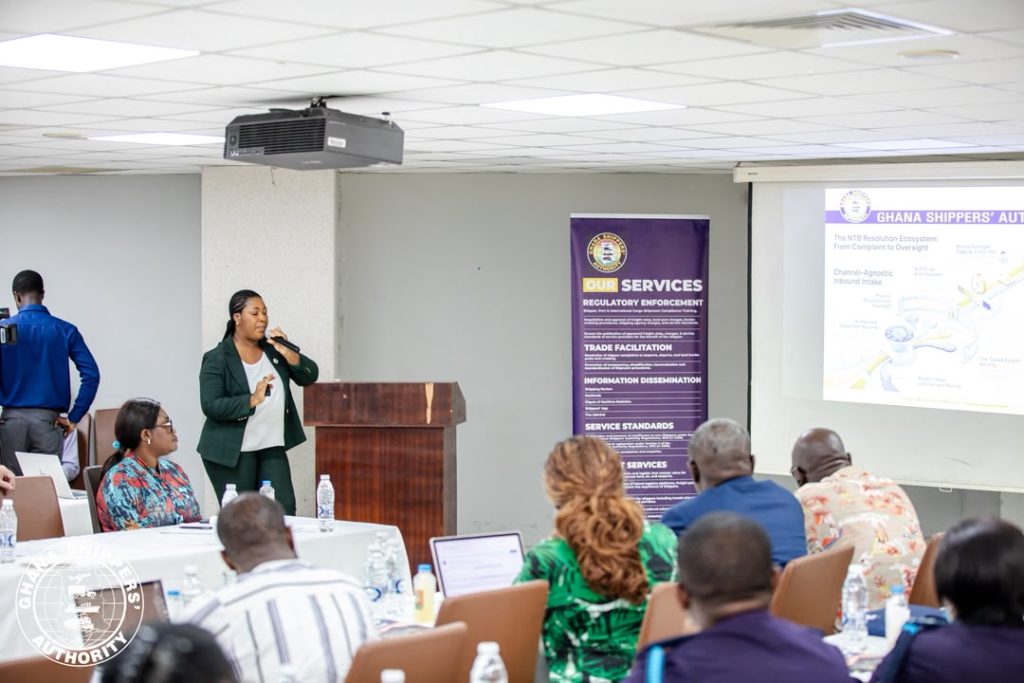
Mrs. Rhoda Djanitey of GSA’s Freight and Logistics Department presented an overview of the National Non-Tariff Barriers Reporting and Resolution Platform. She said the platform responded to fragmented reporting channels, difficulty in tracking complaints, delay in assigning and resolving cases, limited visibility on complaint status and the need for better coordination among responsible institutions.
Designed for traders, agencies and government bodies, the platform provides one digital channel for reporting NTBs. It is intended to help users to track complaints, generate data for monitoring and policy intervention, improve coordination and response times, and strengthen transparency and accountability.
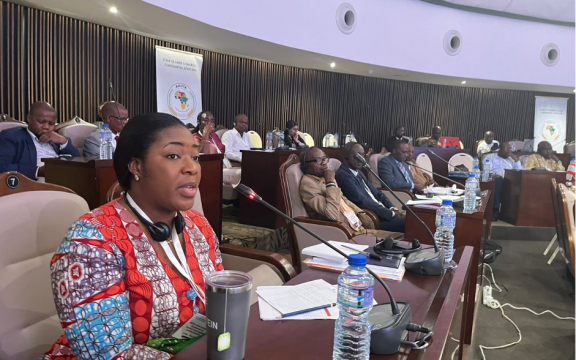
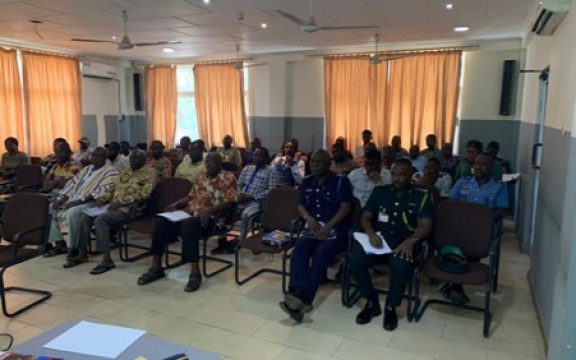
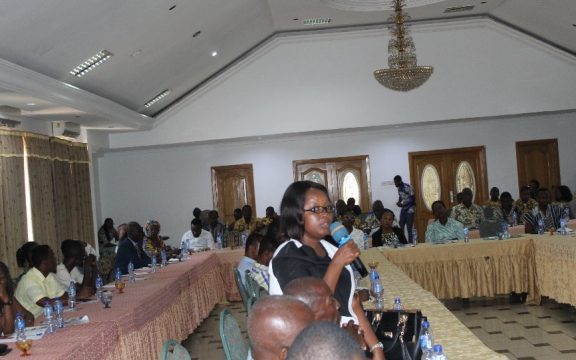
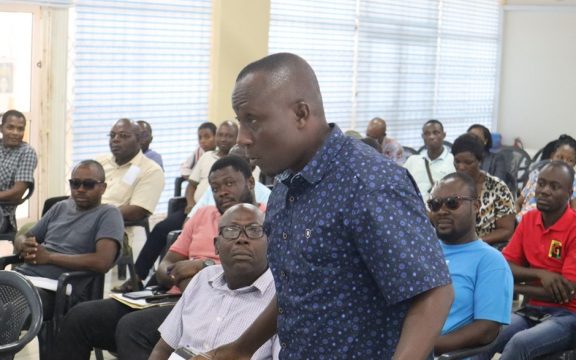
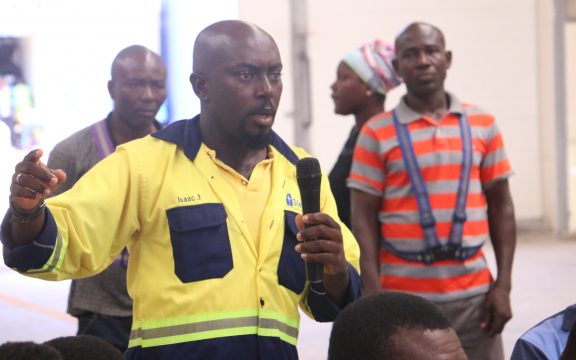
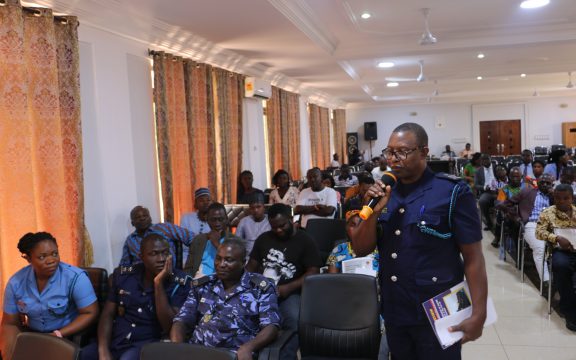
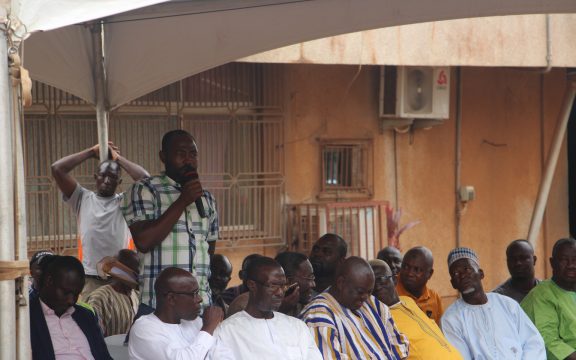
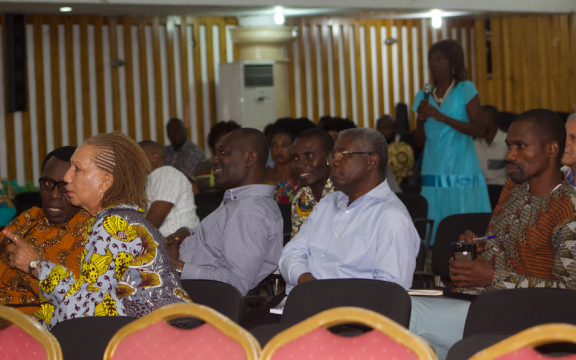
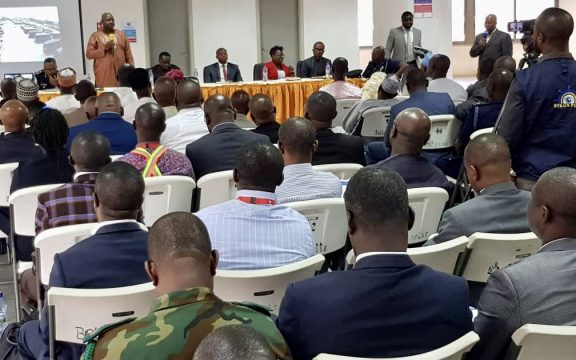
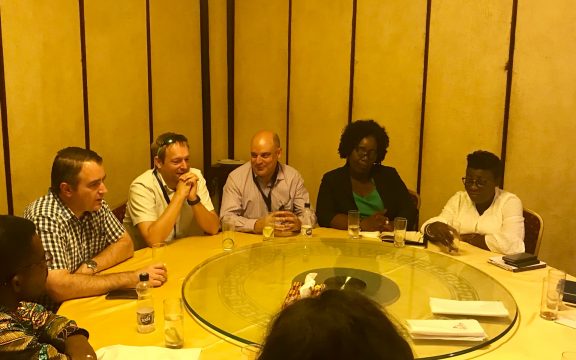
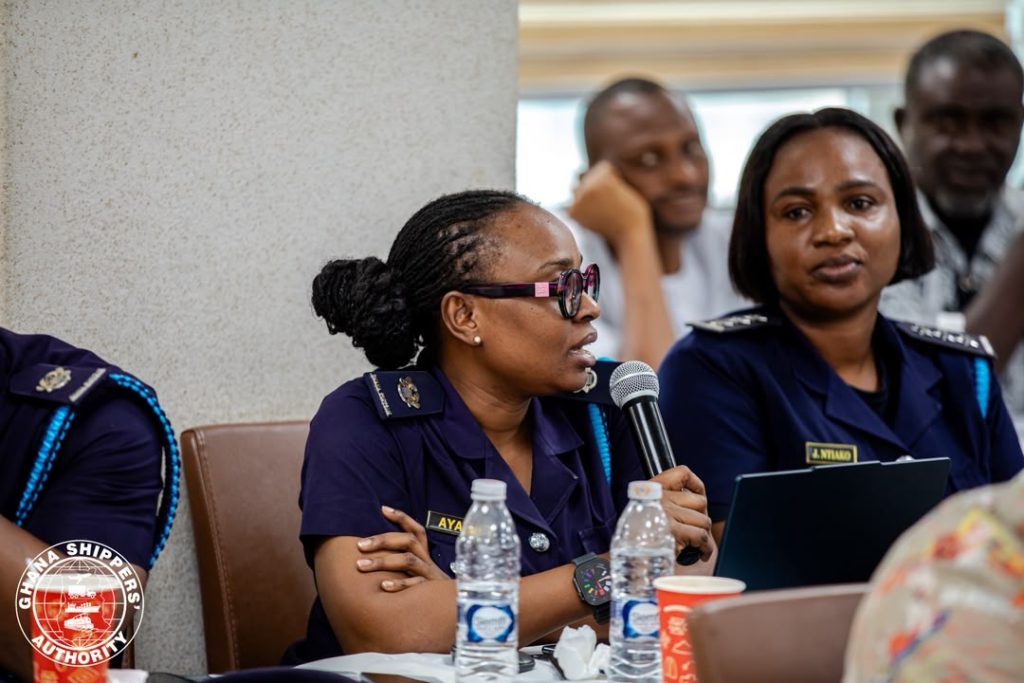
 During the question-and-answer session, participants raised concerns affecting intra-African trade and asked how Customs was using digital systems to support ETLS compliance and SIGMAT deployment. In response, Mr Fred Asiedu Dartey, Head of Freight and Logistics at GSA, said these concerns had informed the launch of the National Non-Tariff Barriers (NTB) Platform with partners. The platform will enable complaints to be filed directly in real time and allow regulators to address reported issues promptly. He urged members to support the platform’s success.
The forum underscored that regional integration will be judged by the experience of traders at the border. Digital platforms can make barriers visible, but progress will depend on institutions acting on complaints and applying clear, coordinated procedures. The test of the Borderless Alliance’s renewed agenda will be whether it helps to turn commitments made in conference rooms into goods moving with fewer obstacles across African borders.