

A subtle shift is unfolding at the Accra International Airport, where cargo movement, once driven largely by predictable commercial flows, is now being reshaped by changing consumer behaviour, operational pressures and growing security concerns within the air freight ecosystem.
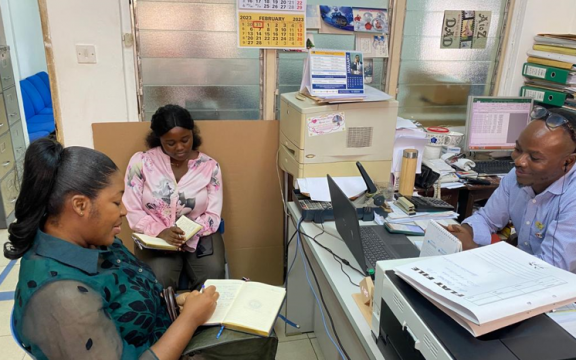
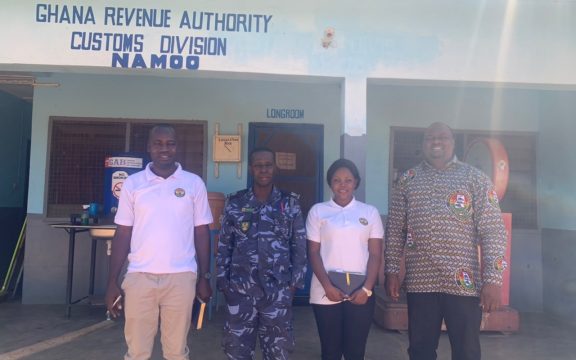
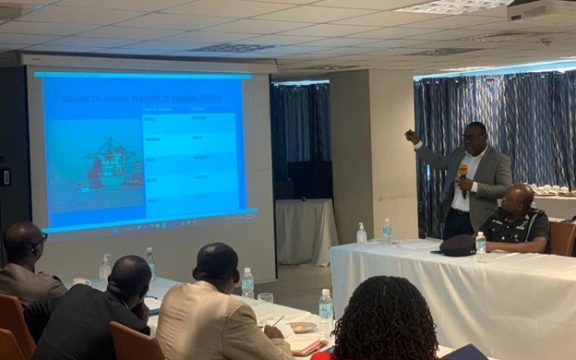
This concern came to the fore when officials of the Ghana Shippers’ Authority (GSA) paid a working visit to key operators at the Accra International Airport to gain firsthand insights into the operational challenges they face, and, also, reaffirm their commitment to deepening collaboration across the air cargo value chain to improve trade facilitation.
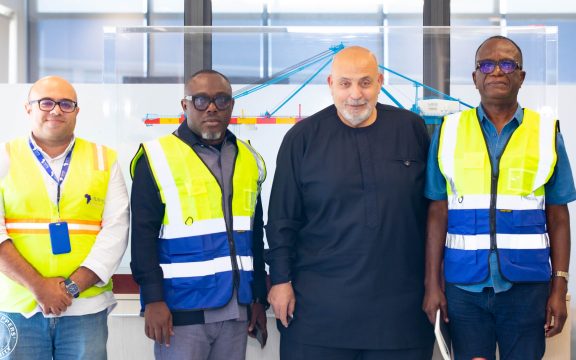
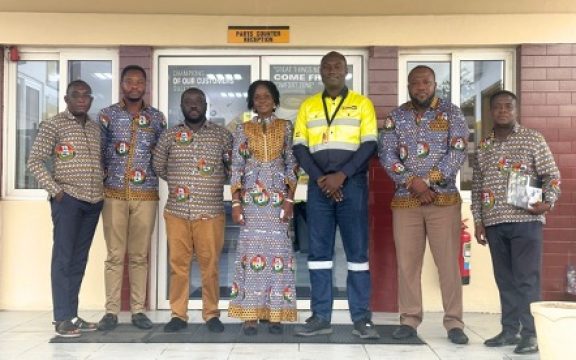
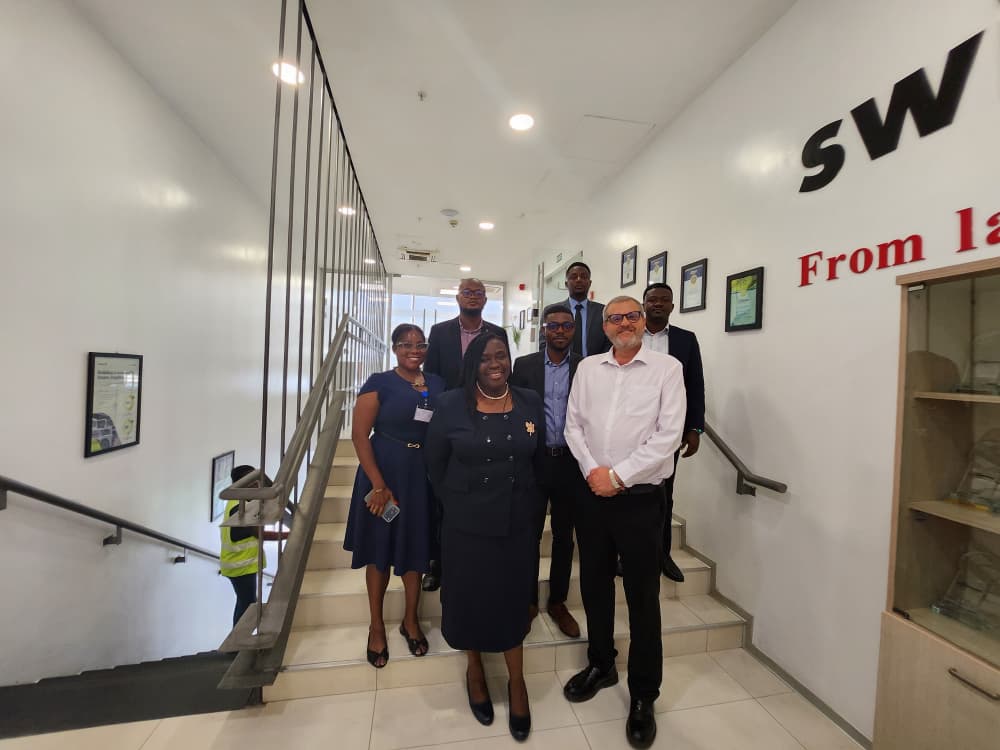 The engagement, led by the Head of the Shipper Services and Trade Facilitation Department, Monica Josiah, brought together key industry operators including Swissport Ghana, Aviance Ghana and DHL Ghana.
At Swissport Ghana, Managing Director, Maarten Klijnstra raised concern over a noticeable decline in freight volumes in the first quarter of 2026, describing it as a worrying trend for the industry’s outlook.
He pointed to an emerging behavioural shift among traders, noting that an increasing number are now travelling abroad with empty suitcases, purchasing goods directly and returning with them for resale instead of relying on traditional cargo channels. This shift, he indicated, is beginning to reflect in reduced freight volumes.
 Beyond volume concerns, attention turned sharply to safety risks within the air cargo chain. Mr Klijnstra identified undeclared dangerous cargo as one of the most pressing threats facing the sector.
He explained that improperly declared shipments, especially electronic devices containing batteries, pose significant safety risks during air transport. Even minor exposure or damage to a single battery in transit, he cautioned, could trigger incidents with serious consequences for cargo integrity, aircraft operations and personnel safety.
The engagement continued at Aviance Ghana, where the delegation was received by Director of Operations, Michaela Walker. Here, concern was raised about alleged instances of cargo tampering by some agents, a practice operators say is undermining confidence and operational efficiency within the sector.
 Aviance Ghana also drew attention to infrastructure constraints, particularly the reliance on a single scanner for import cargo processing, which they indicated continues to place significant pressure on operations and affects processing speed.
At DHL Ghana, similar concerns surfaced. Officials pointed to cases of impersonation and cargo theft, describing them as persistent challenges that demand stronger coordination between regulators and industry players to safeguard the integrity of the logistics chain.
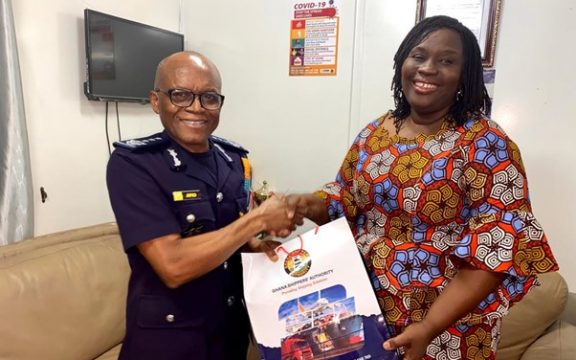
Responding to the concerns, Monica Josiah assured stakeholders that the Ghana Shippers’ Authority, in its regulatory capacity, would consider the issues raised and would confer with relevant partners to address them as speedily as possible.
She reiterated the GSA’s readiness to intensify engagement with industry actors to strengthen trade facilitation, improve operational efficiency and enhance the overall resilience of Ghana’s air cargo ecosystem.
 The engagements underscored a simple but pressing reality at the heart of the air cargo industry—Dialogue is no longer ceremonial. It is an operational necessity if the industry is to thrive sustainably, especially in the era of the 24-Hour Economy policy.