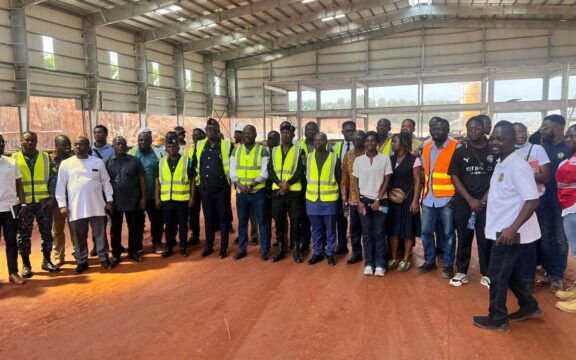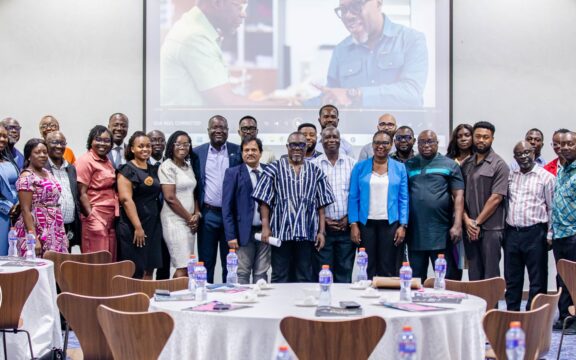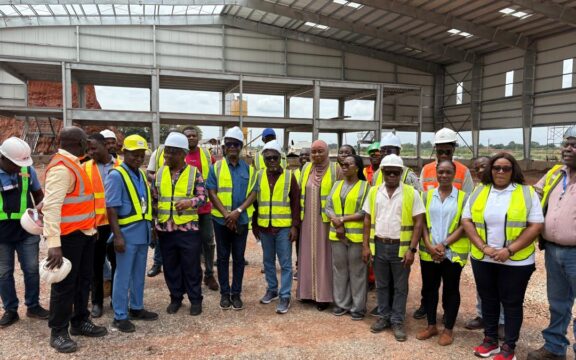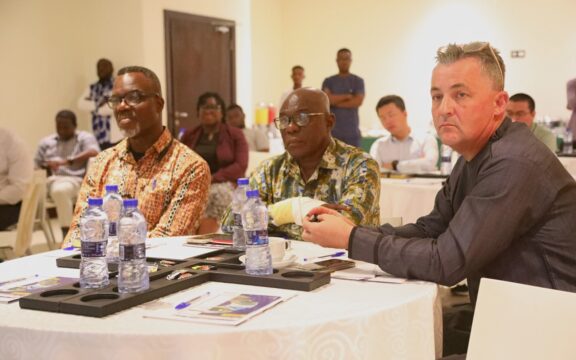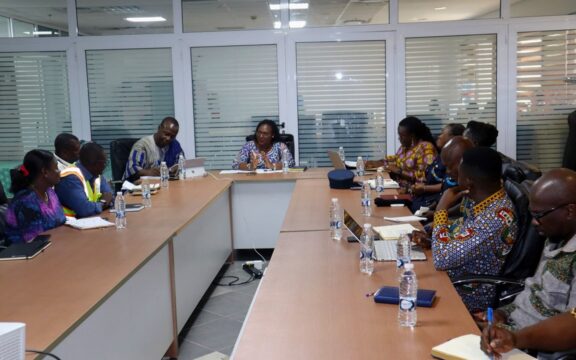


The long-discussed Boankra Integrated Logistics Terminal (BILT) may be edging closer to reality as officials from Global Ports and Container Terminals (YILPORT Holding) paid a working visit to Ghana to hold high-level discussions with the Ghana Shippers’ Authority (GSA) on the prospects of developing and operationalising the project.

For years, Boankra has existed more in plans than in practice. Yet this engagement points to renewed investor interest in an inland dry port project many see as key to easing pressure at Ghana’s seaports, lowering logistics costs, and opening up jobs, especially in the Ashanti Region and northern Ghana.
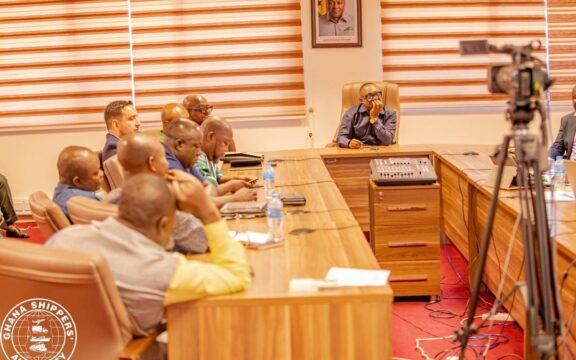
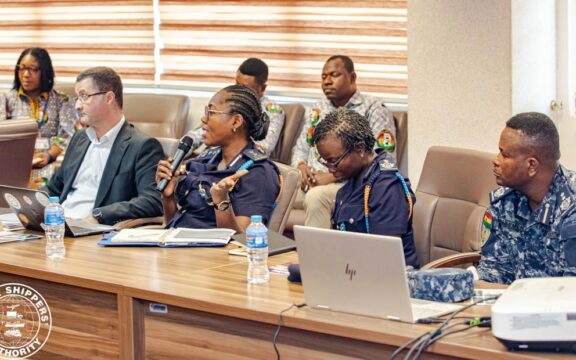
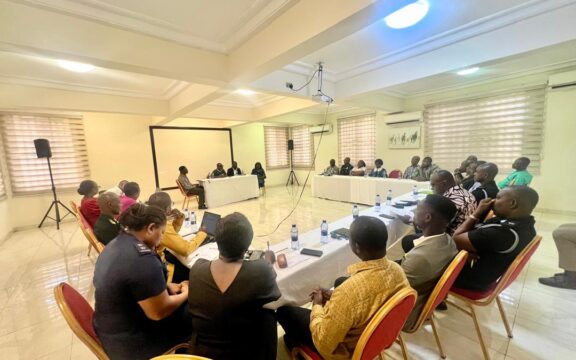
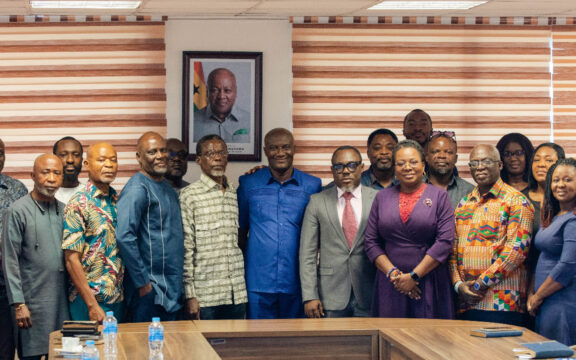
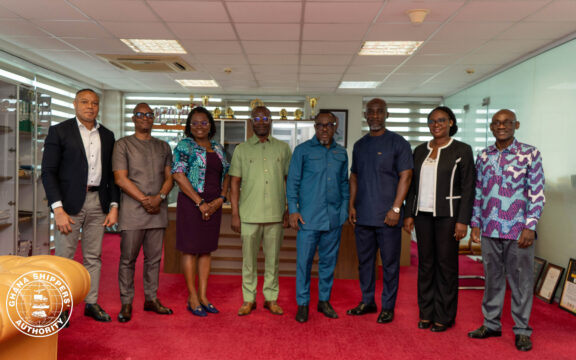
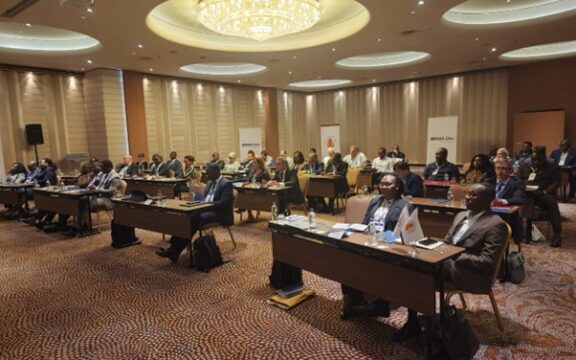
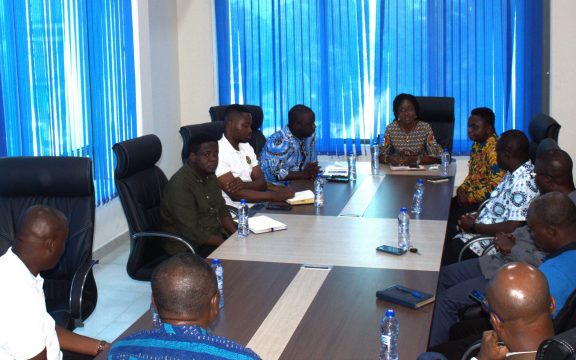
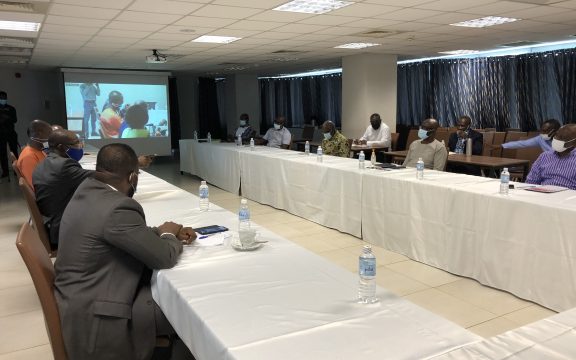
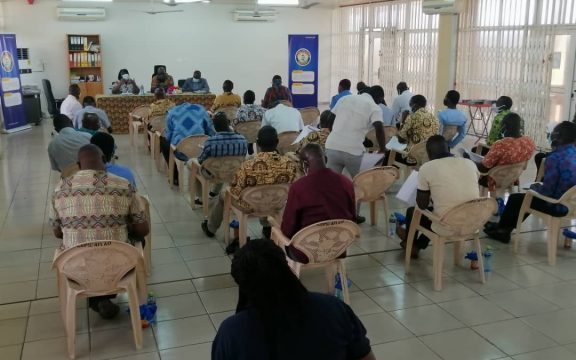
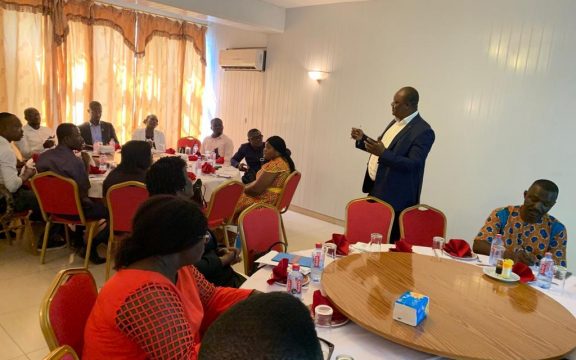
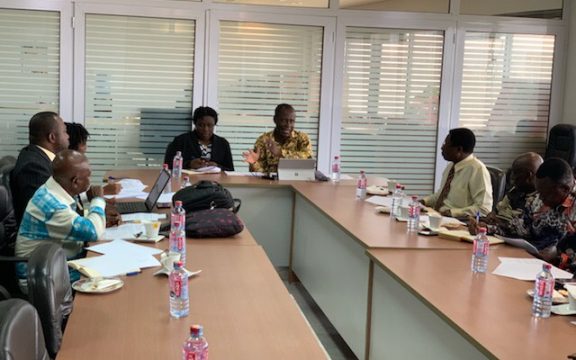
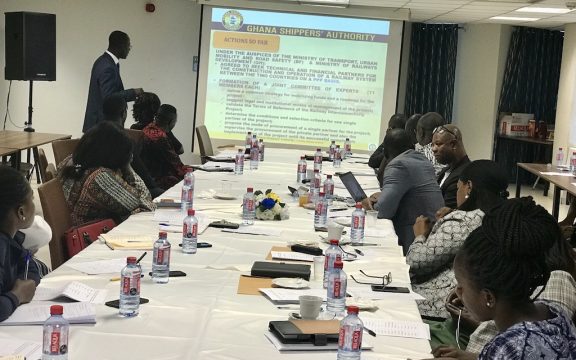
The meeting, which took place at the Ghana Shippers’ House in Accra on Monday, 26th January 2026, focused on exploring investment opportunities, public–private partnership frameworks and the strategic role of BILT in enhancing Ghana’s inland port and logistics ecosystem.
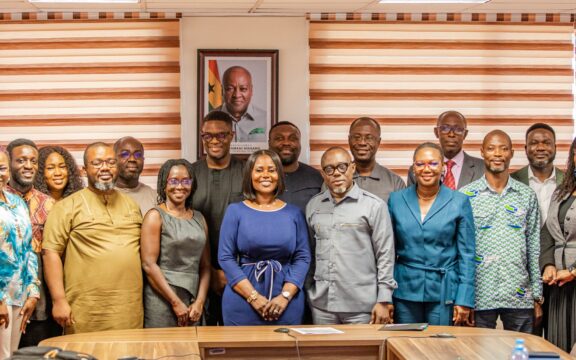
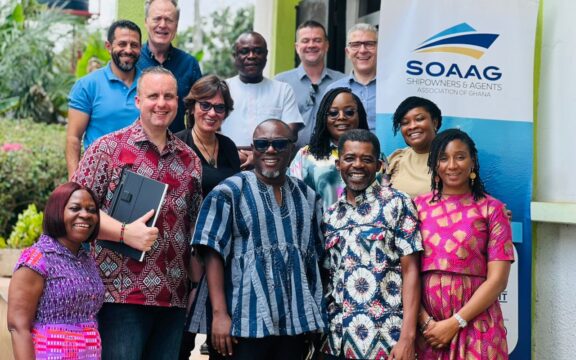
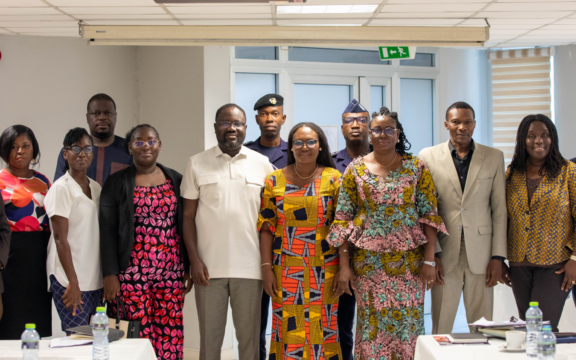
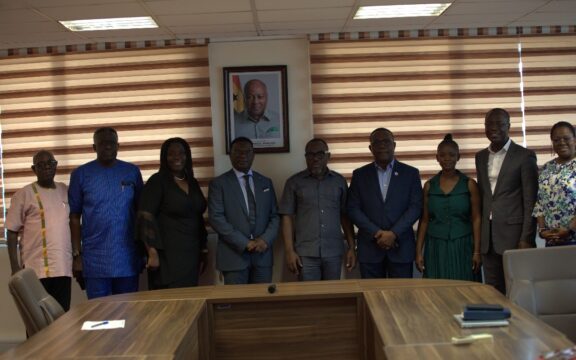
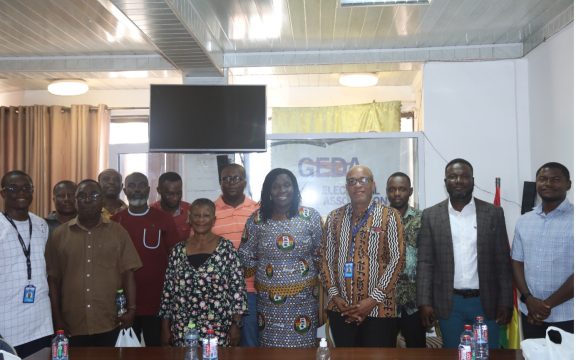
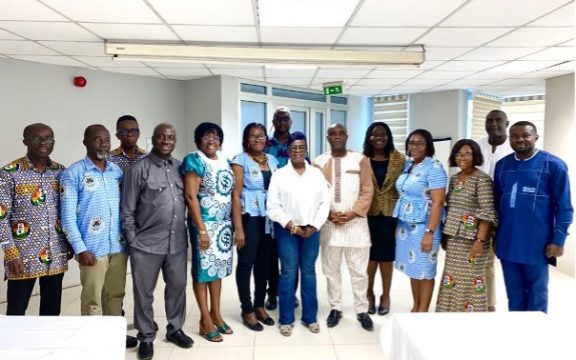
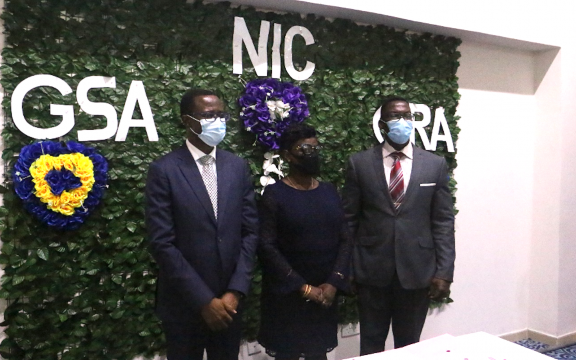
Present at the meeting were the Board Chairman of the GSA, Hon. Mike Allen Hammah, and the Chief Executive Officer of the GSA, Prof. Ransford Gyampo, together with senior management officials of the GSA, members of the Port Infrastructure Committee, consultants and members of the visiting YILPORT delegation.
 Hon. Hammah underscored the importance of the BILT to Ghana’s trade facilitation agenda. He noted that the project has been incorporated into the government’s Western Corridor Intermodal Transport Project, a flagship initiative aimed at improving multimodal connectivity and trade efficiency across the country.
He assured the investors of the government’s commitment to creating a conducive environment for private sector participation in strategic infrastructure. He added that the GSA remained ready to collaborate with credible partners to ensure the successful completion of the project.
 The project is expected to deliver significant benefits. These include the decongestion of the country’s seaports, the creation of direct and indirect employment opportunities, and the reduction of heavy truck traffic on major highways, a situation that often leads to rapid road deterioration.
In addition, the development of BILT is expected to promote more environmentally friendly transport solutions, particularly through increased use of rail and intermodal systems. This could also reduce overall logistics and transportation costs for shippers and cargo owners, a long-standing concern within Ghana’s trade community.
For his part, Prof. Gyampo highlighted the GSA’s mandate to protect the interests of shippers while promoting efficient, cost-effective and sustainable transport and logistics services. He said the engagement with YILPORT formed part of the Authority’s broader efforts to attract strategic investors with the technical and financial capacity to support the BILT project.
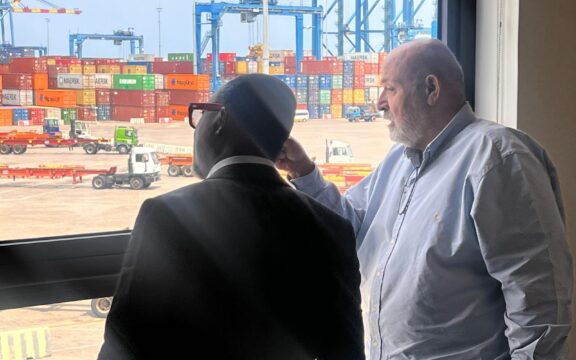
 Members of the YILPORT delegation included Mr Yuksel Yildırin and Mr Erhan Giloglu. They were joined by consultants from Bluestone Infrastructure Company Limited assigned to the project, namely Mr Charles Addo, Mr William Mould and Mr Ebenezer Quao, who provided technical and advisory support during the engagement.
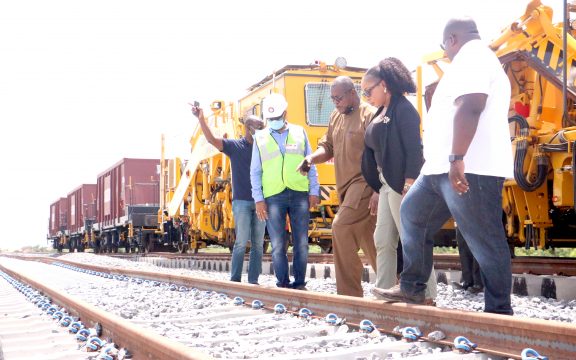
 The Boankra Integrated Logistics Terminal, located near Kumasi in the Ashanti Region, is envisioned as a strategic inland logistics hub. It is expected to serve as a major transit point for cargo destined for northern Ghana and neighbouring landlocked countries. These markets currently account for an estimated 40 per cent of cargo throughput at the Tema and Takoradi Ports, a reminder of why Boankra keeps returning to the centre of Ghana’s logistics conversation.