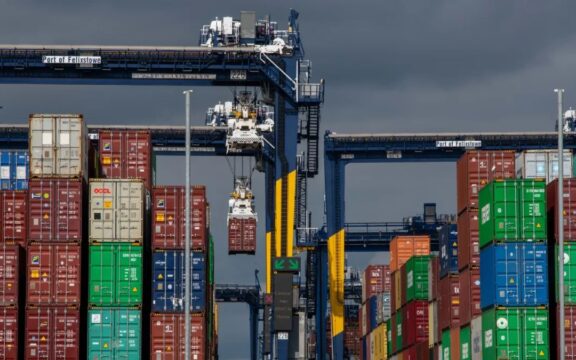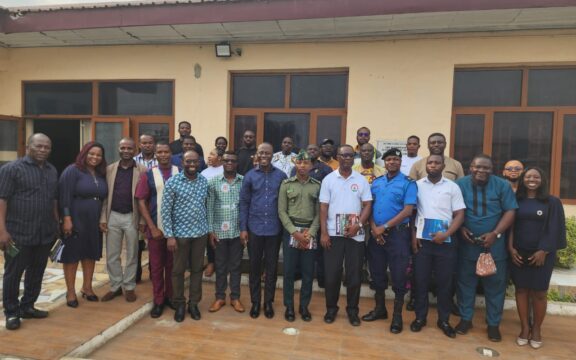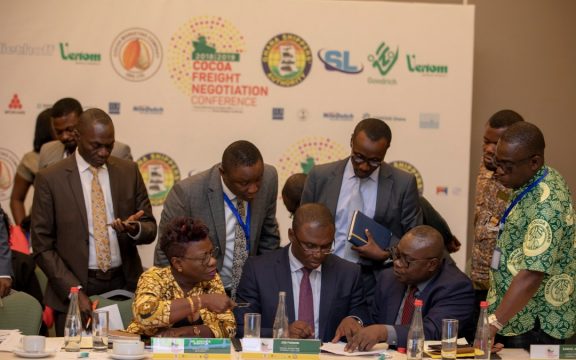

As Ghana prepares for the 2026/27 cocoa season, the Ghana Shippers’ Authority (GSA) and the Cocoa Marketing Company (CMC) have concluded negotiations with 18 carriers and shipping lines on freight rates for the shipment of Ghana’s cocoa to international markets.
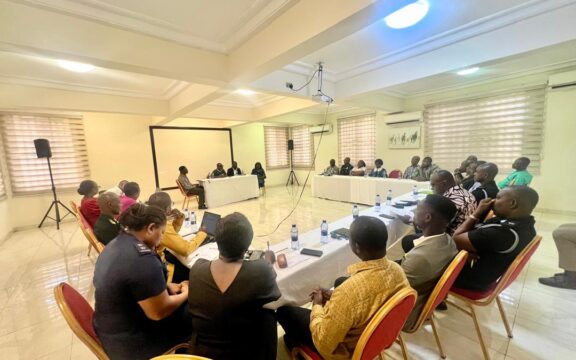
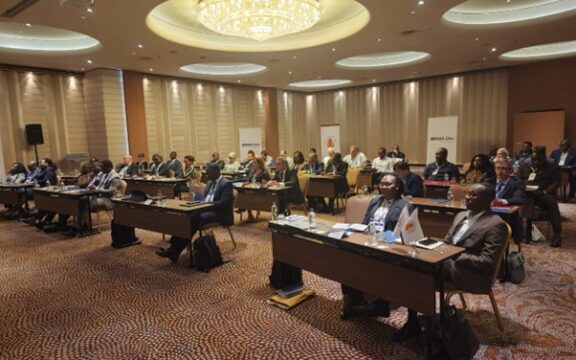
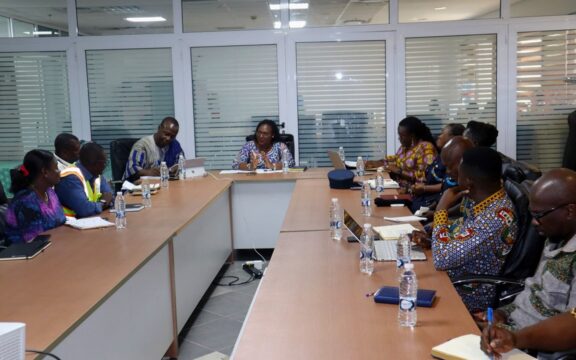
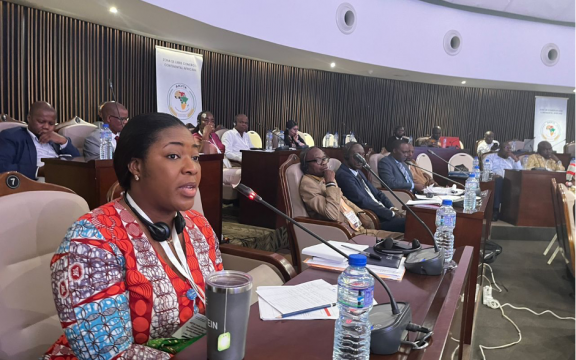
The negotiations, held on 17th September 2026 at the Marc Van Peel Event Hall in Antwerp, Belgium, resulted in agreed freight rates for key destinations across Europe, the Far East and South America, alongside the continuation of operational arrangements governing the handling and shipment of cocoa.
The negotiations considered developments in the global shipping market and the need to maintain competitive freight rates as the new cocoa season begins. The outcome provides an agreed freight and operational framework for cocoa shipments to major destination markets during the 2026/27 season.
 The conclusion of the negotiations comes at a time when movements in global cocoa prices are placing pressure on Ghana’s cocoa marketing and financing arrangements. The International Monetary Fund has called for comprehensive reforms to contain fiscal risks and sustain the long-term competitiveness of the cocoa sector, including improvements in producer pricing, financing, governance and financial oversight. Against this backdrop, the management of logistics costs assumes added importance as Ghana seeks to maintain the competitiveness of its cocoa exports in international markets.
Under the agreed arrangements, shipments to the United Kingdom will attract a freight rate of £32.00 per tonne, with a Bunker Adjustment Factor (BAF) of 35 per cent. The rate for the North Continent is €58.42 per tonne, while shipments to Estonia will attract €66.77 per tonne. For Mediterranean Europe, the agreed rate is €65.58 per tonne, with a BAF of 35 per cent applicable to these destinations.
 For the Far East, the negotiated freight rate stands at US$112.80 per tonne, while the rate for Japan is US$119.14 per tonne. Shipments to Brazil will attract US$130.54 per tonne. The rates for the Far East, Japan and Brazil are inclusive of the BAF.
The GSA’s participation in the negotiations provides a platform for shipper interests to be represented in discussions that directly influence the cost and operational conditions associated with moving one of Ghana’s major export commodities to international markets. The engagement is consistent with the Authority’s mandate to facilitate an efficient, fair and competitive commercial shipping environment while protecting and promoting the interests of shippers engaged in international trade.
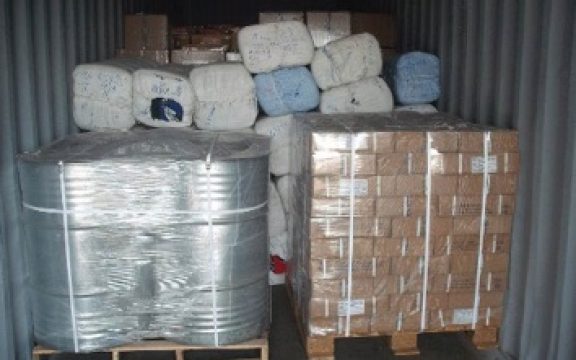
 Beyond the freight rates, the negotiations maintained the existing responsibilities of the shipping lines and CMC following the agreed change in shipment terms from Less than Container Load/Full Container Load (LCL/FCL) to Full Container Load/Full Container Load (FCL/FCL).
Under the arrangement, shipping lines will continue to provide dressing materials, position empty containers at the cocoa stuffing areas and bear the associated lift-on/lift-off costs.
CMC will remain responsible for the dressing and stuffing of containers, delivery of full boxes to the named place or terminal and fogging of both empty and laden containers.
The shipping lines will also quote an all-inclusive freight rate that considers their obligations, the Ghana Ports and Harbours Authority (GPHA) shore handling or Receipt and Delivery charges, as well as other incidental loading costs.
All freight payments will be made in United States Dollars. Where currency conversion is required, the exchange rate will be sourced from Reuters at the Bill of Lading date.
To support timely documentation and the smooth movement of shipments, carriers and shipping lines have also been entreated to release non-negotiable Bills of Lading to CMC within 24 hours of the sailing of a vessel.
CMC, meanwhile, has undertaken to ensure uniformity in the lift-on/lift-off charges applied by service providers during the season. It will also ensure that the prices of desiccants and other related materials are not increased within the 2026/27 season.
To further support export competitiveness the negotiated arrangements, established a defined freight and operational framework for the movement of Ghana’s cocoa during the new season. For a commodity operating within an international market where prices, production and financing conditions can change significantly, managing avoidable logistics costs remains an important component of maintaining export competitiveness.
For the GSA, continued engagement with CMC and international carriers provides an avenue to address shipping costs and operational conditions affecting the cocoa trade, while ensuring that the interests of shippers remain represented in discussions with service providers.
With the freight rates now concluded, attention will turn to the implementation of the agreed rates and operational conditions as the 2026/27 cocoa season progresses. Maintaining predictable and competitive shipping arrangements will remain important as Ghana seeks to strengthen the commercial position of its cocoa exports while responding to the broader pressures confronting the sector.