

In an era where a single mobile phone can function as a bank, camera, tracking device and communication hub all at once, the importation of telecommunications equipment is no longer a routine trade activity. Behind every gadget entering Ghana’s ports lies a complex web of technical checks, regulatory approvals and security considerations that many industry players still poorly understand. Increasingly, that gap in knowledge is beginning to worry regulators.
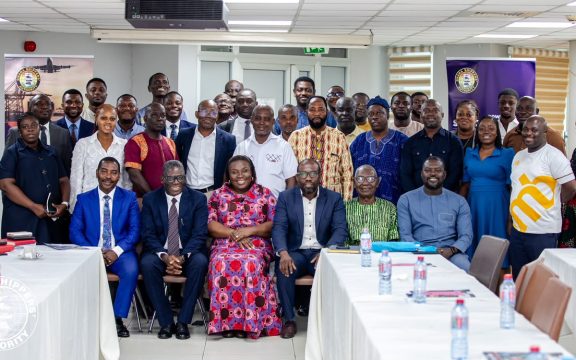
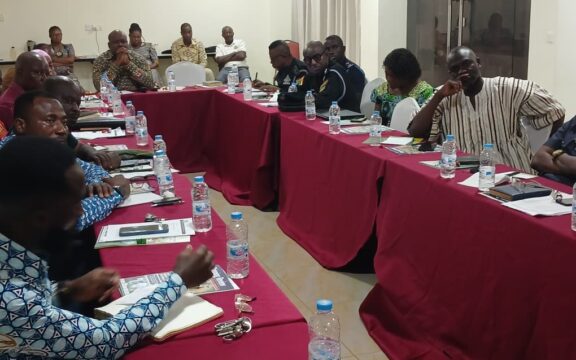
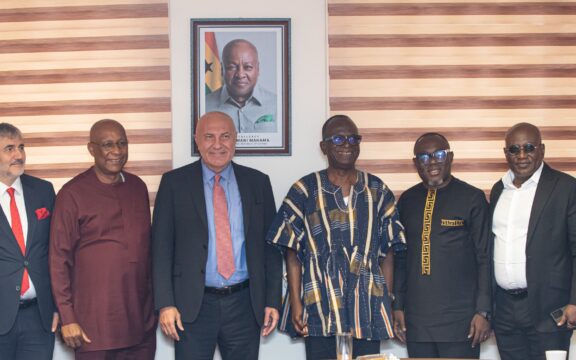
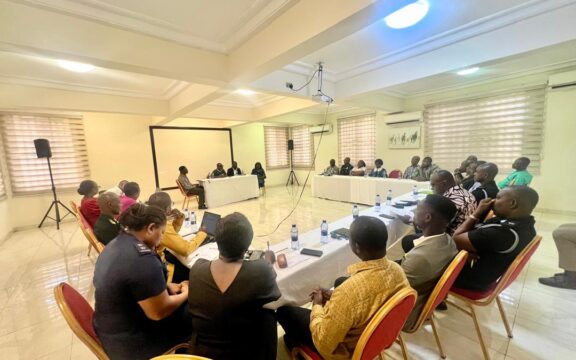
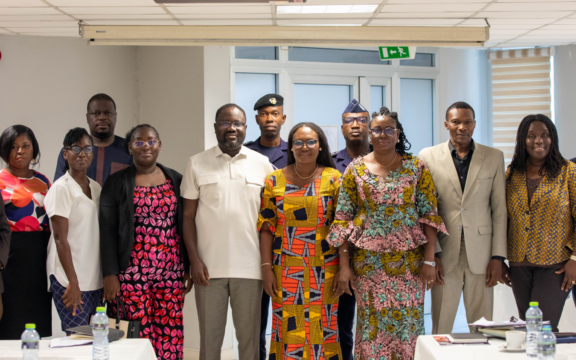
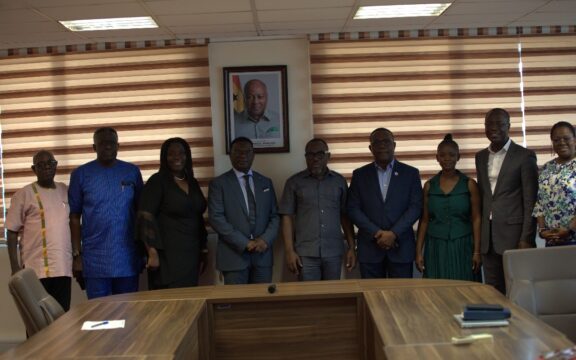
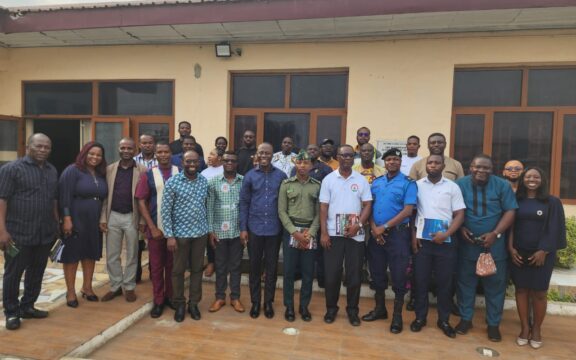
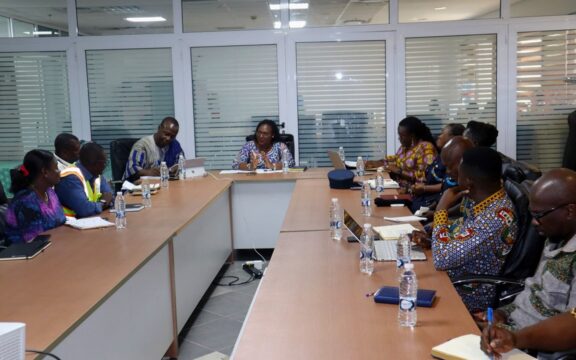
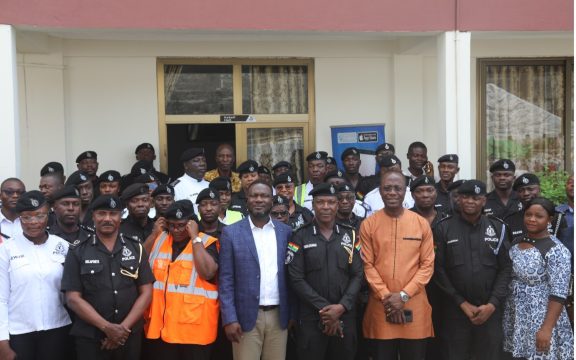
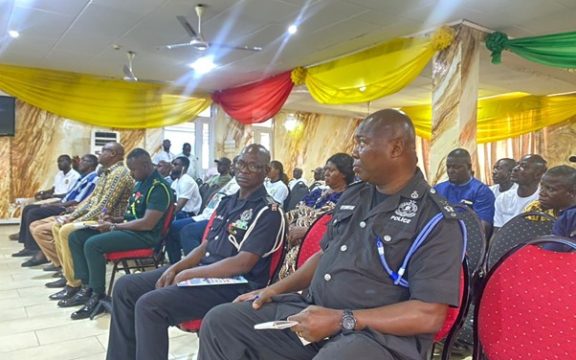
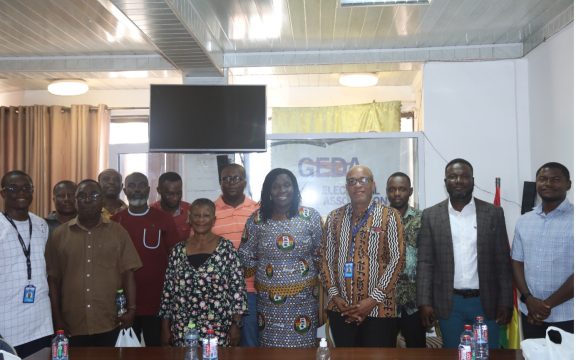
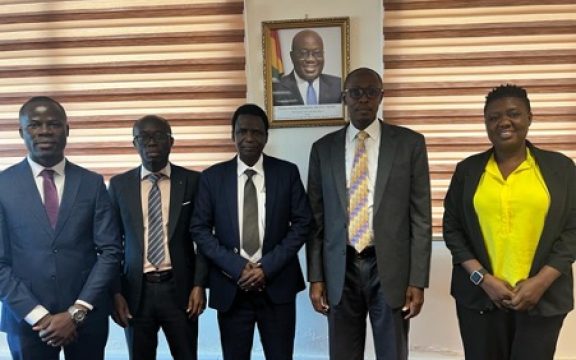
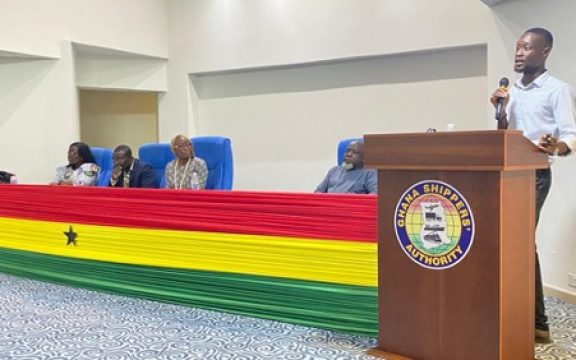
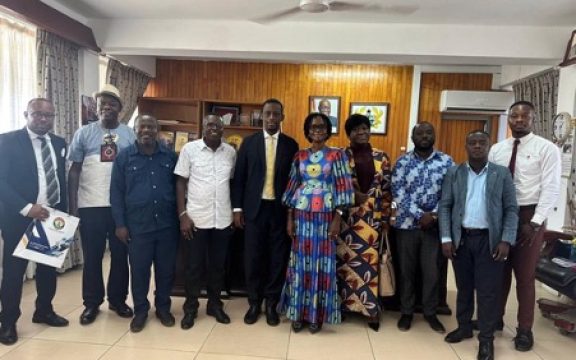
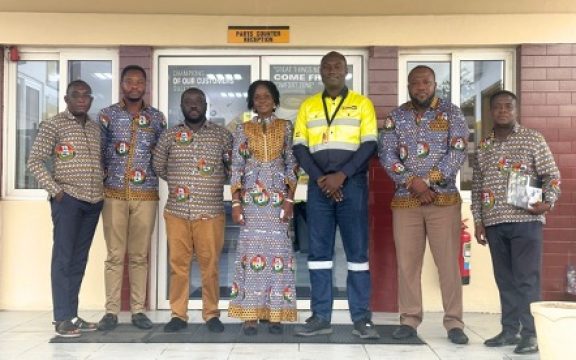
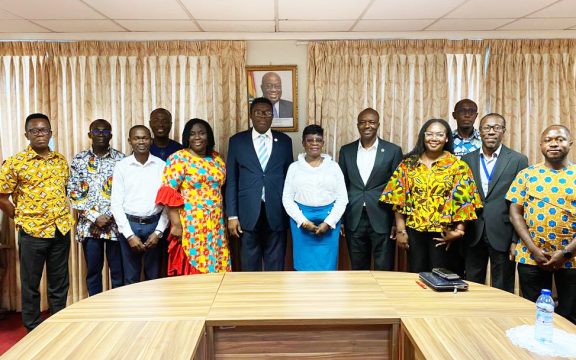
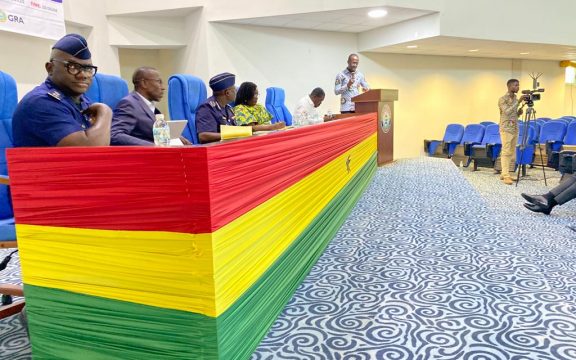
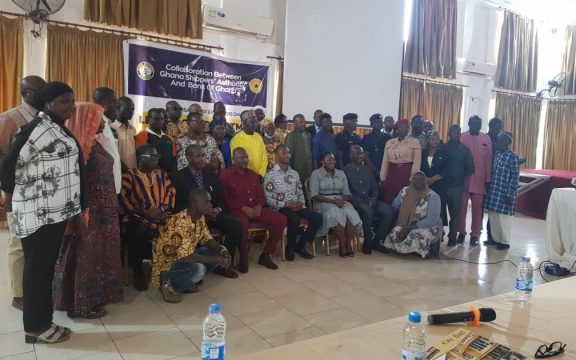
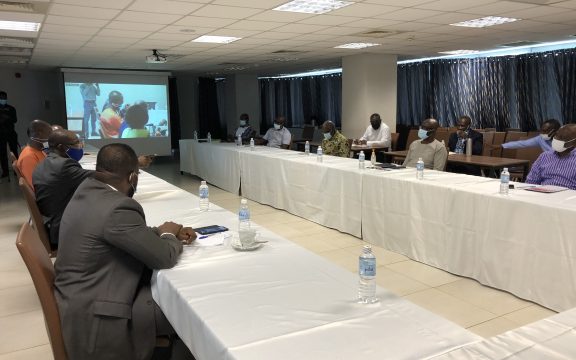
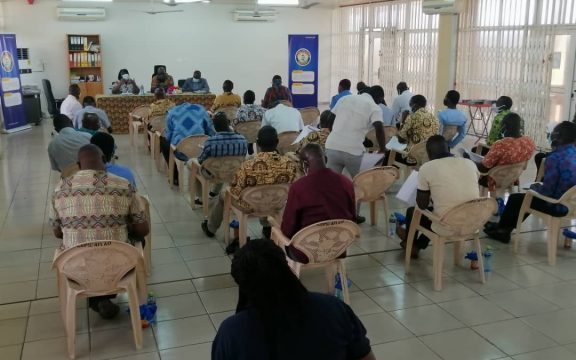
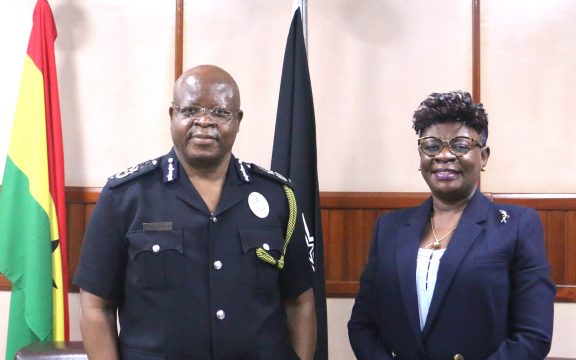
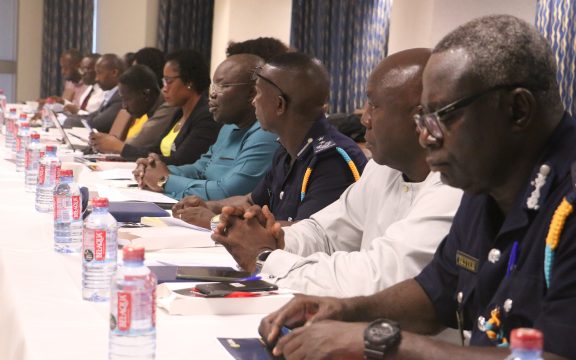
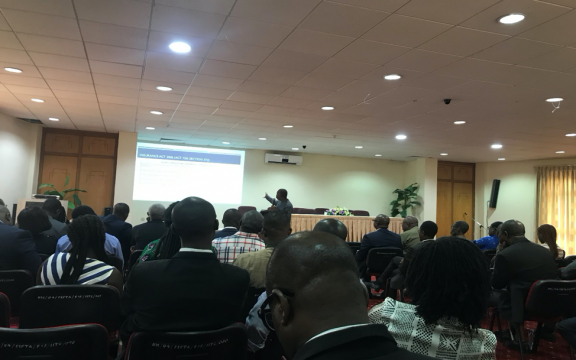
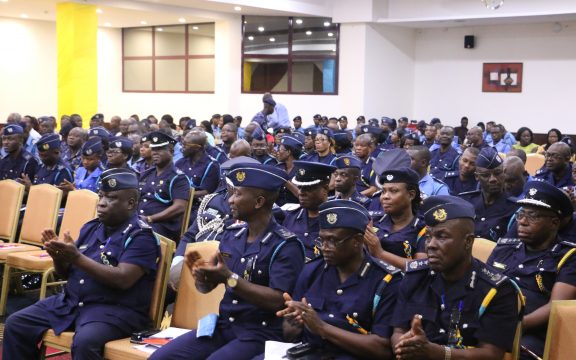
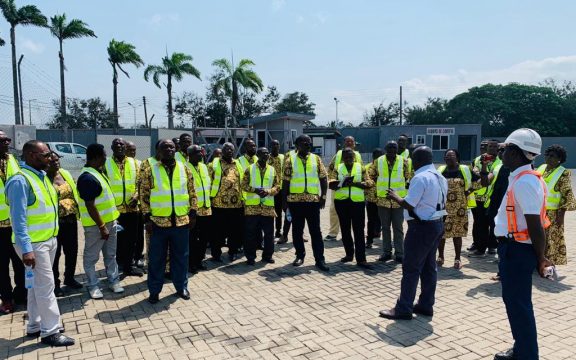
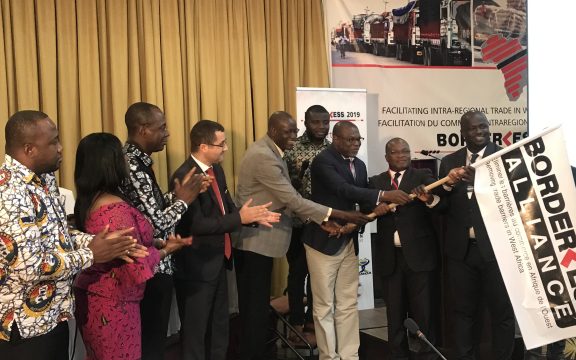
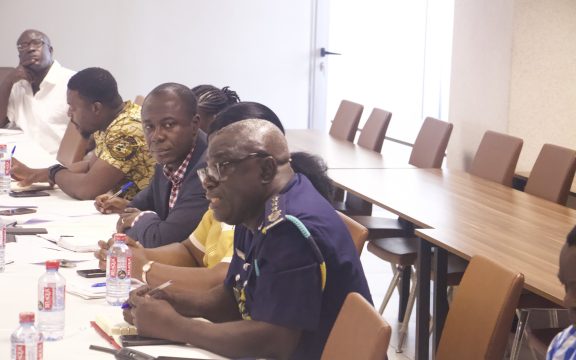
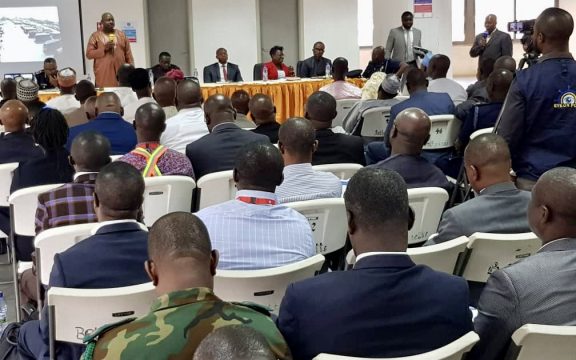
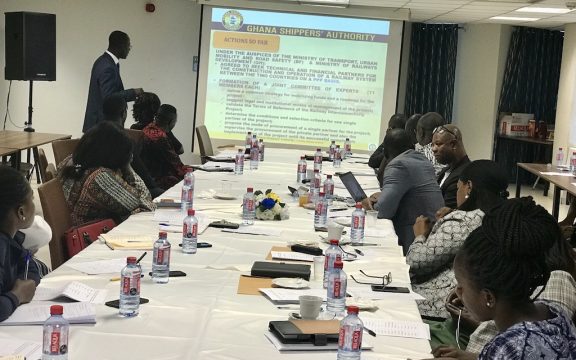
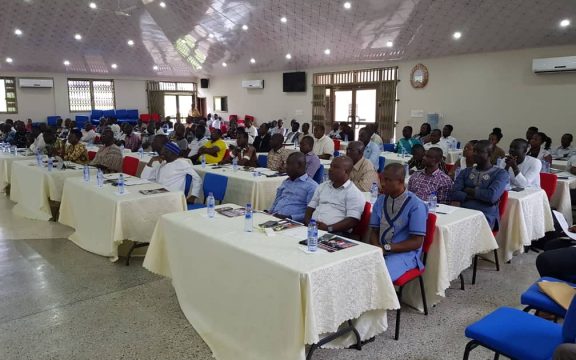
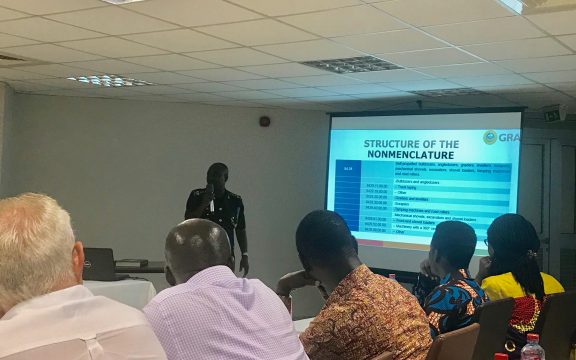
The growing concern took centre stage during a working visit between the Ghana Shippers’ Authority (GSA) and the National Communications Authority(NCA), as both institutions examined operational bottlenecks, documentation requirements and compliance challenges surrounding the importation of telecommunications equipment into the country.
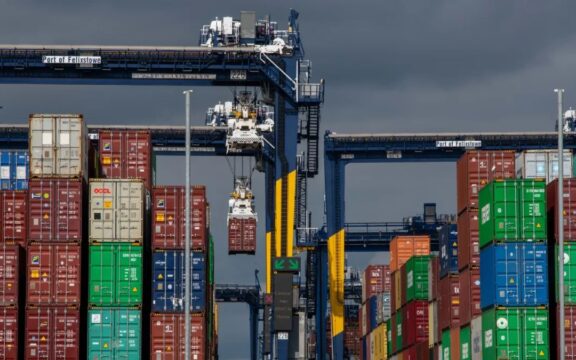
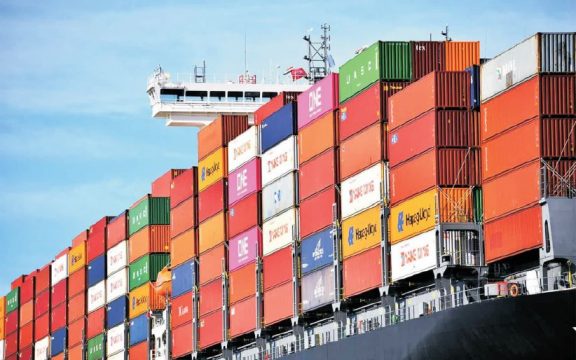
 A major issue that emerged from the discussions was the limited understanding among many Clearing Agents regarding the regulatory role of the NCA within the importation chain. The situation, officials indicated, continues to contribute to avoidable delays, cargo misclassification and compliance gaps at the ports.
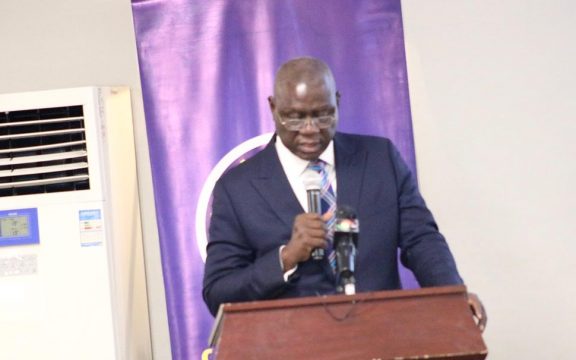
The Director-General of the NCA, Edmund Yirenkyi Fianko, explained that telecommunications equipment cannot be treated like ordinary cargo due to the technical and security implications associated with such devices. He noted that every telecommunications device carries a technical footprint capable of affecting spectrum usage, network stability and, in some instances, national security systems. However, much of this technical nuance, he observed, is often overlooked during the cargo clearing process.
Under Ghana’s regulatory framework, importers are required to secure prior approval from the NCA before telecommunications gadgets are shipped into the country. The Authority must also receive advance notification before the cargo arrives at the port, after which inspections must be conducted before Customs clearance is granted. A final clearance certificate from the NCA remains mandatory before the release of the goods.
 Ing. Fianko further clarified that the NCA engages strictly with authorized dealers as part of measures to strengthen traceability and accountability within the telecommunications import ecosystem.
Approval timelines, he explained, depend largely on the nature of the products involved. New devices undergoing type approval may take up to one month due to extensive technical evaluation processes. Products that already exist within the NCA’s approved database, however, are processed within shorter periods to facilitate smoother movement within the supply chain.
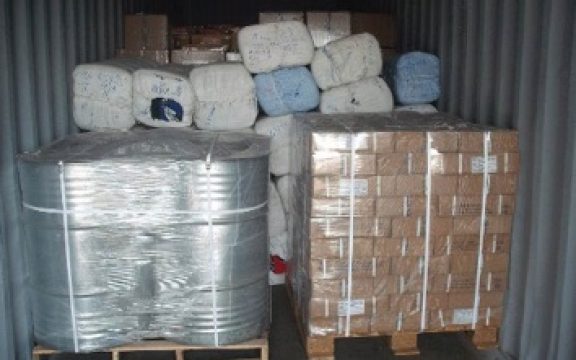
Importers bringing in commercial quantities of telecommunications equipment were also advised to ensure full compliance with NCA approval requirements before shipment. The NCA warned that bulk importation without prior approval significantly increases regulatory risk and could result in the detention of goods or their transfer into NCA custody until compliance concerns are resolved.
For individuals, the current threshold remains a maximum of 12 mobile phones per importation. Beyond that limit, or in cases involving devices capable of transmitting frequencies, prior approval becomes mandatory regardless of quantity.
The NCA further linked some of the service quality challenges within the telecommunications sector to weaknesses within the import control chain, particularly in situations where devices bypass full technical validation because of inadequate awareness or weak enforcement mechanisms.
 In response to the information shared by NCA, GSA pledged to facilitate further engagement with Customs and other stakeholders to strengthen coordination and improve operational alignment at the ports.
The leader of the GSA delegation, Mrs. Adelaide Nyamekye Addo further reaffirmed the GSA’s commitment to promoting collaboration and deepening institutional partnerships to create a more efficient and compliant trade facilitation environment.
The discussions revealed a challenge that extends beyond paperwork and procedures at the ports. In many ways, the real bottleneck lies in knowledge of the relevant protocols itself. Clearing Agents remain the human bridge between regulation and cargo movement, and until awareness improves across the chain, efficiency and compliance may continue to move in opposite directions at Ghana’s ports.