

As part of efforts by the Ghana Shippers’ Authority to complement the Government’s push to generate credible trade data to inform economic decisions and policy direction, the Authority has engaged shipping lines operating in the country on the implementation of the Smart Port Note (SPN).
The SPN is an advanced shipment information system being introduced pursuant to the mandate of the Ghana Shippers’ Authority under L.I. 2190. The system is designed to enhance trade facilitation, improve cargo monitoring, strengthen compliance enforcement, and ensure the availability of reliable shipping and logistics data.
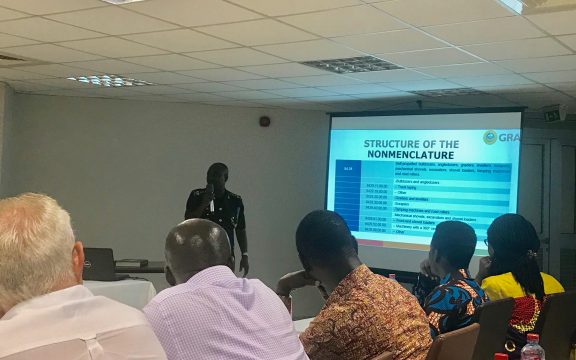
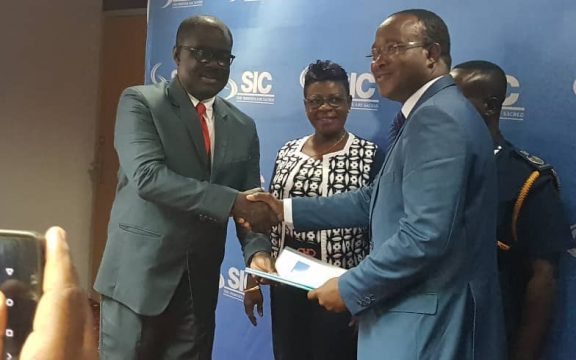
 The meeting, which took place at the Ghana Shippers’ House on Monday, 19 January 2026, was aimed at briefing shipping lines on their roles in supporting Government efforts to generate accurate trade data. It also provided an opportunity to address concerns surrounding the implementation of the SPN.
Effective 1 February 2026, every shipment destined for Ghana, including transit cargo, is required to have a valid Smart Port Note issued and validated at the port of loading. Each Bill of Lading and Shipping Manifest must carry a unique SPN code.
 Addressing participants, the Chief Executive Officer of the Ghana Shippers’ Authority, Professor Ransford Gyampo, explained that the Ministry of Trade, Agribusiness and Industry, together with the Ministry of Finance, are keen on resolving persistent challenges associated with unreliable trade data. He noted that addressing these challenges is critical to the development of sound policies aimed at reducing the cost of doing business in Ghana.
Professor Gyampo added that over the years, the country has lost significant revenue due to the misrepresentation of trade data. In some instances, he said, Ghana has had to rely on figures from international bodies for economic planning, a situation he described as unhealthy for national development.
 The Chief Executive Officer of Inter Ocean Maritime and Logistics Institute Limited, the implementation partners, Dr Jerry B. Doddu, noted that the implementation of the SPN would lead to faster vessel turnaround times, reduce shippers’ exposure to demurrage charges, and minimise manifest related disputes among stakeholders, among other benefits.
The Head of Freight and Logistics at the Ghana Shippers’ Authority, Mr Fred Asiedu Dartey, also stated that the SPN aligns with the World Trade Organisation and World Customs Organisation requirements for pre arrival information, a practice already adopted by many countries across the world.
 He further explained that the commencement date of 1 February 2026 would serve as a pilot phase to test the system and address any bottlenecks, in order to ensure smooth and effective implementation.
During the engagement, shipping lines sought clarification on several issues, including their specific responsibilities, the validation of SPN codes, the commencement date, penalties for non-compliance, transshipment procedures, and special dispensations for transit cargo.
 They also recommended an extension of the implementation timeline to allow more time for staff training and system adjustments to deal with potential operational challenges.
These concerns were addressed, and additional communication channels were provided to ensure continued engagement and clarity going forward.
In his closing remarks, Mr Asiedu Dartey urged shipping lines to support Government efforts to create an enabling ecosystem that strengthens trade policy and promotes efficient port operations.