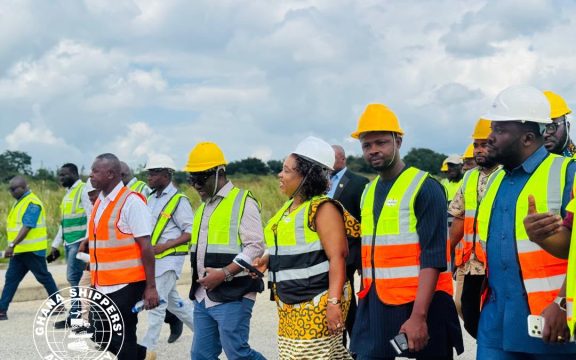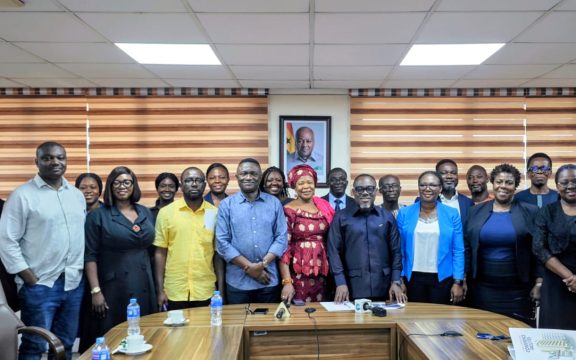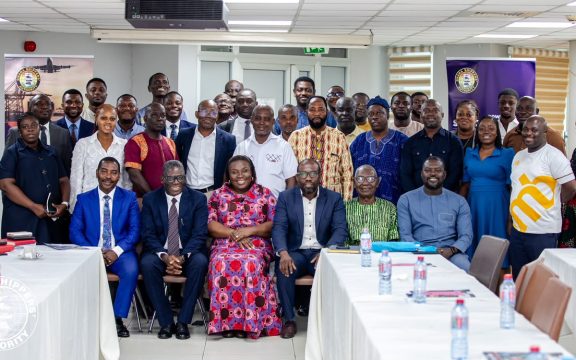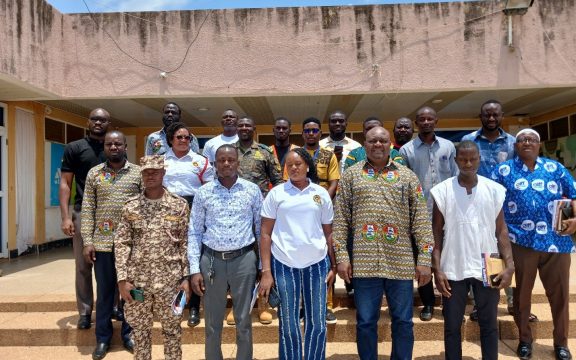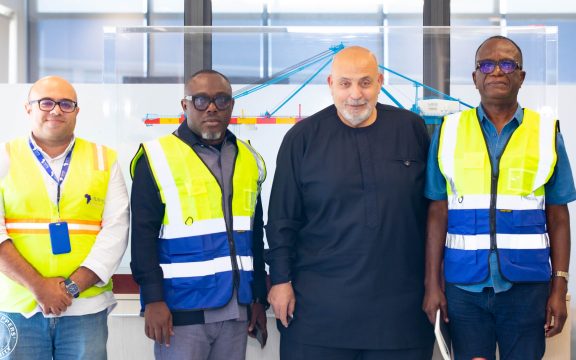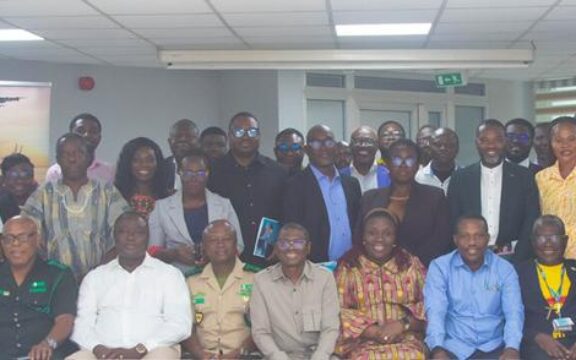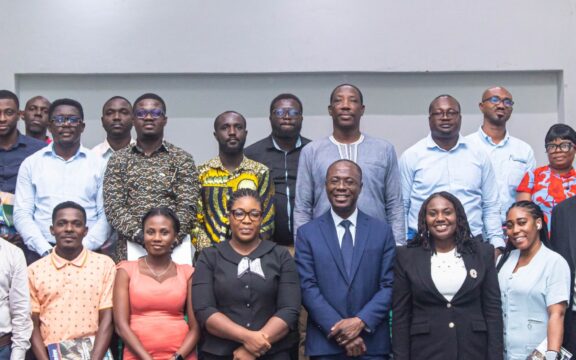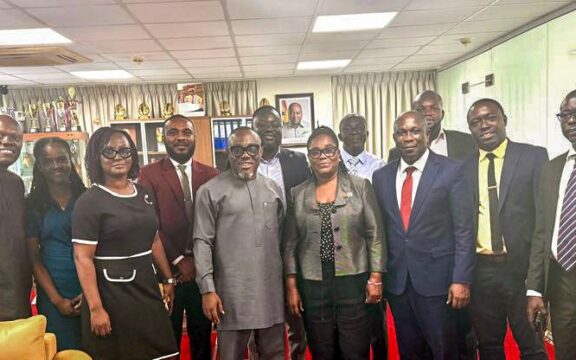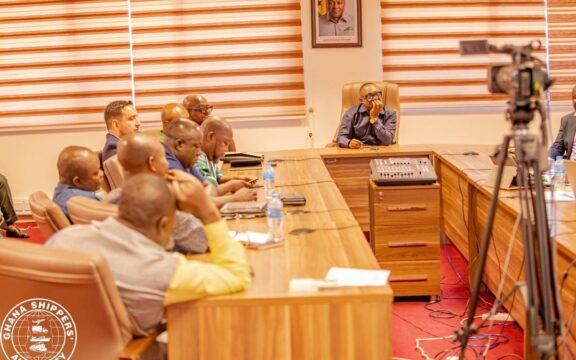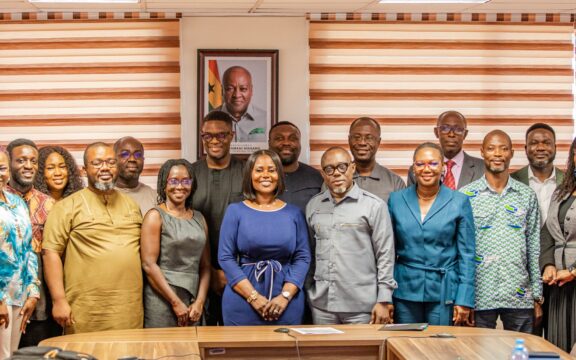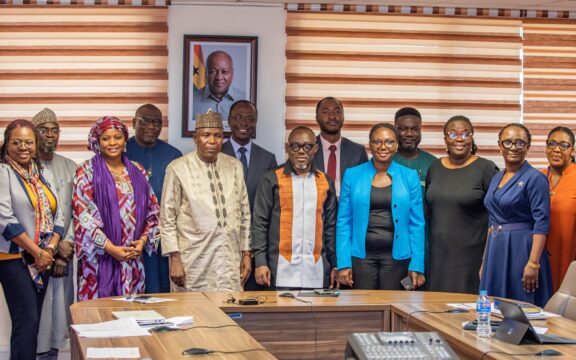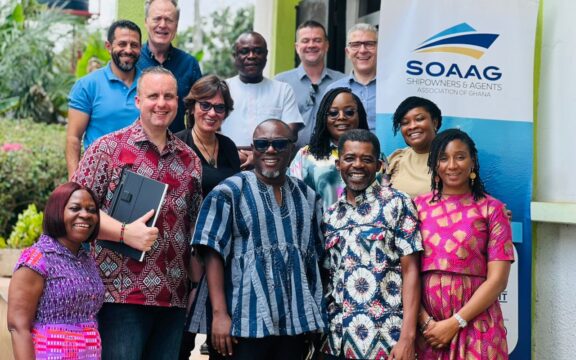

The long awaited Boankra Integrated Inland Port project has received renewed attention, with the Governing Board of the Ghana Shippers’ Authority (GSA) engaging the Asantehene, His Royal Majesty Otumfuo Osei Tutu II, on the need for sustained government commitment towards the completion and operationalisation of the project.
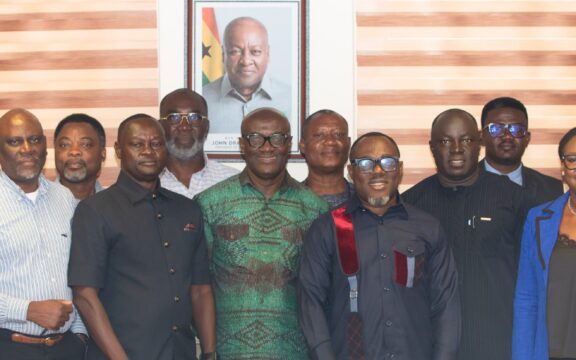
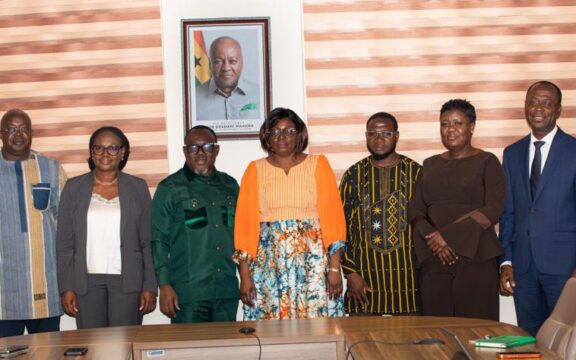
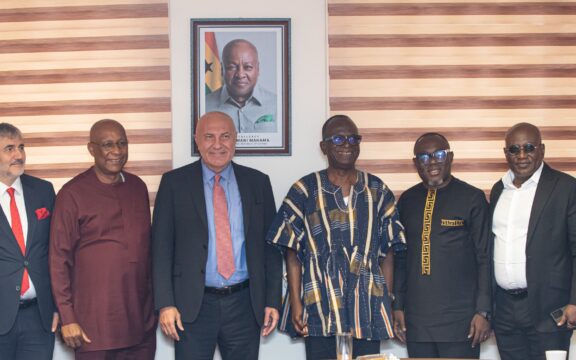
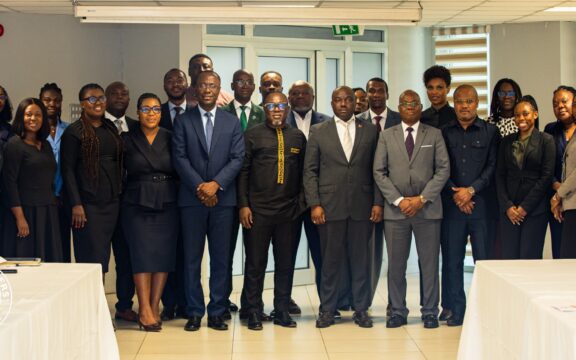
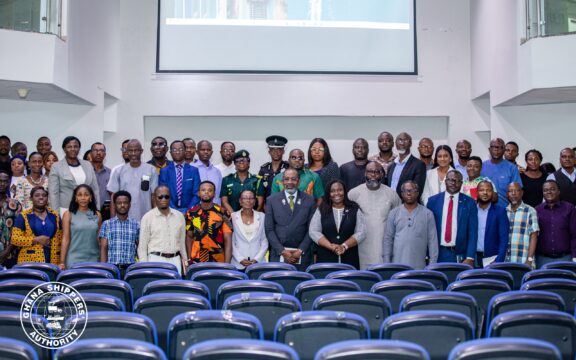
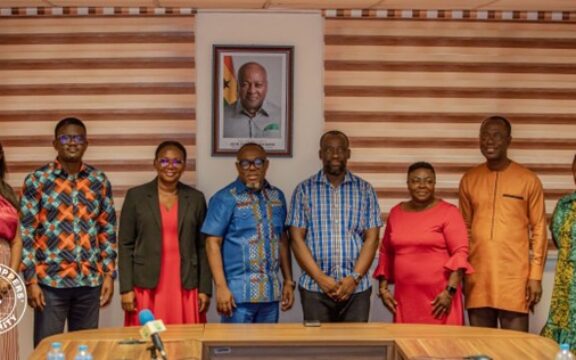
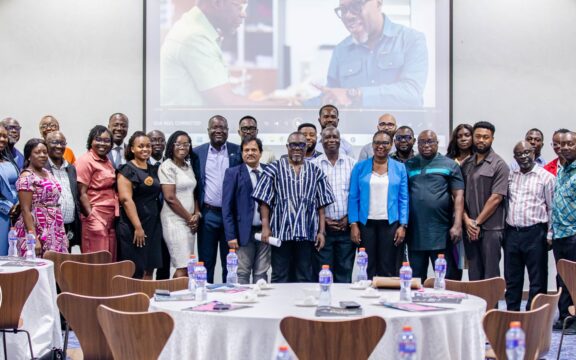
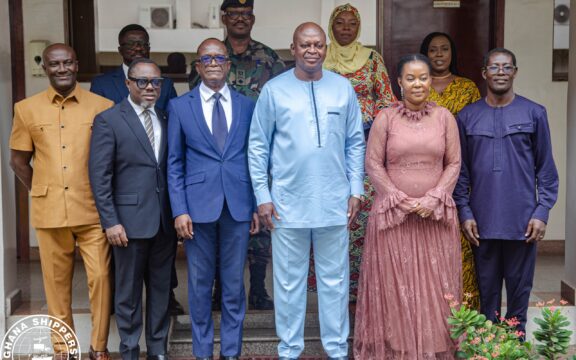
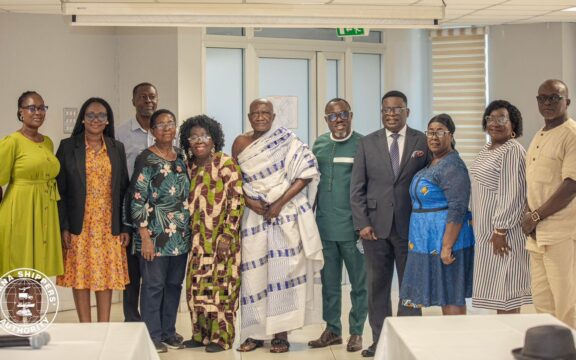
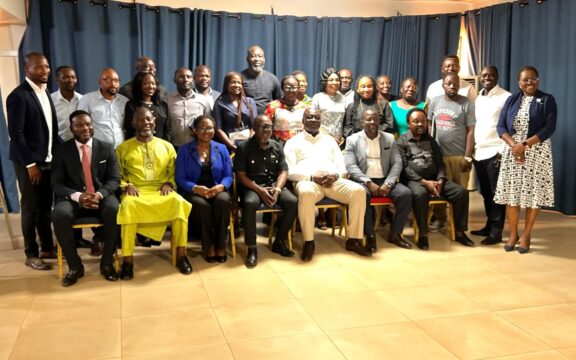
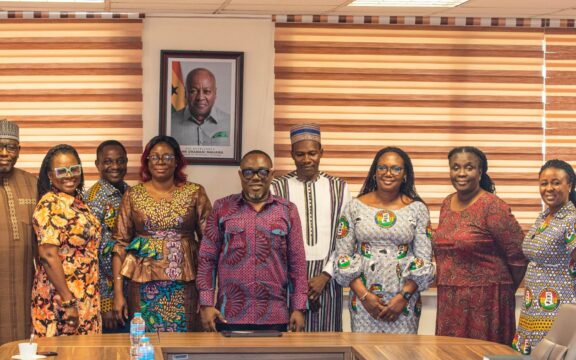
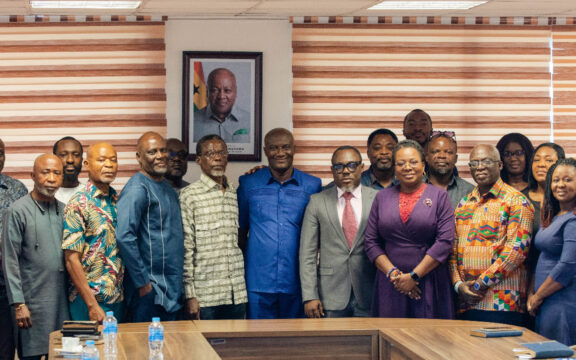
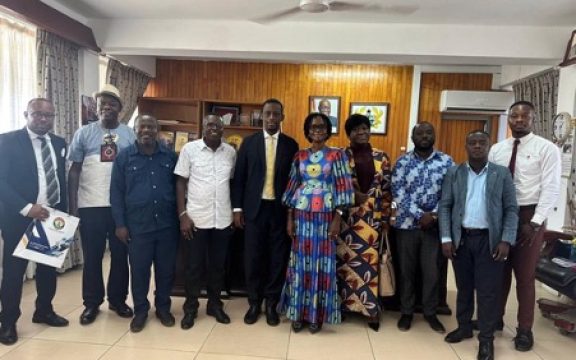
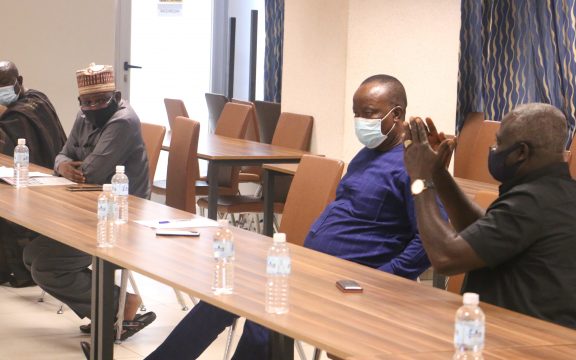
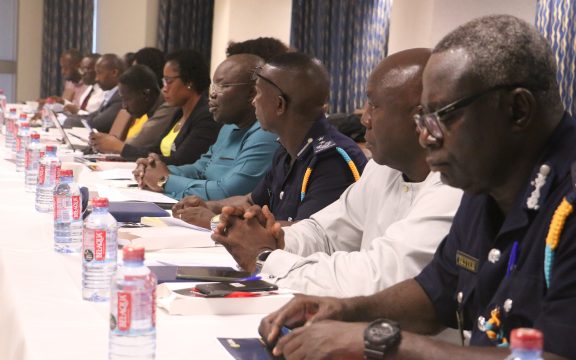
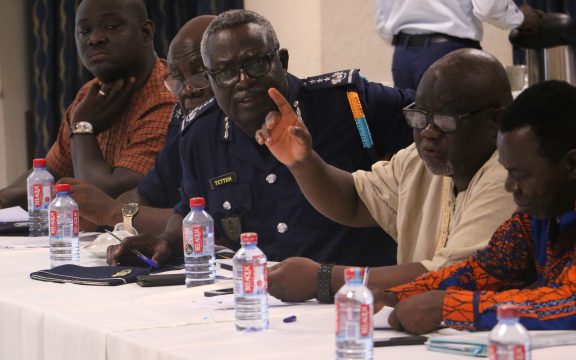
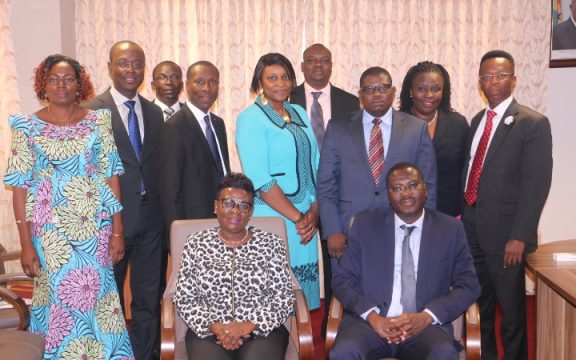
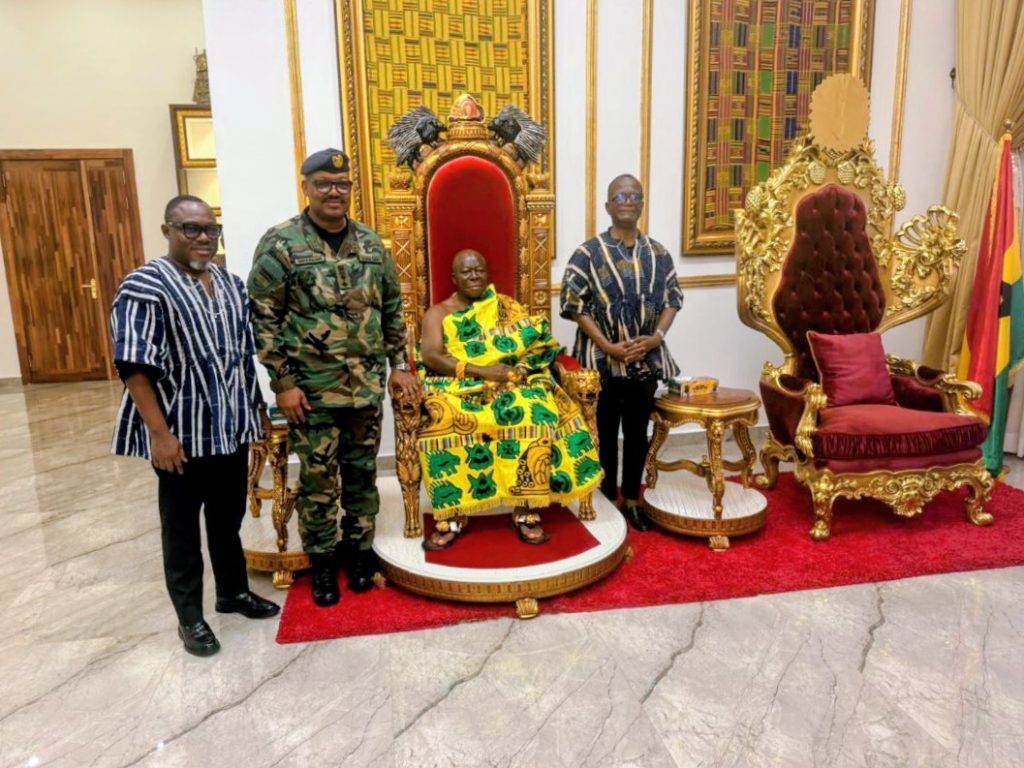
The call was made when the Governing Board of the Ghana Shippers’ Authority (GSA), led by its Chairman, Hon. Mike Hammah, paid a courtesy call on Otumfuo at the Manhyia Palace on Friday, August 14, 2025, as part of efforts to introduce the new Board to the Asantehene and discuss issues of strategic importance to the Authority and Ghana’s trade sector.
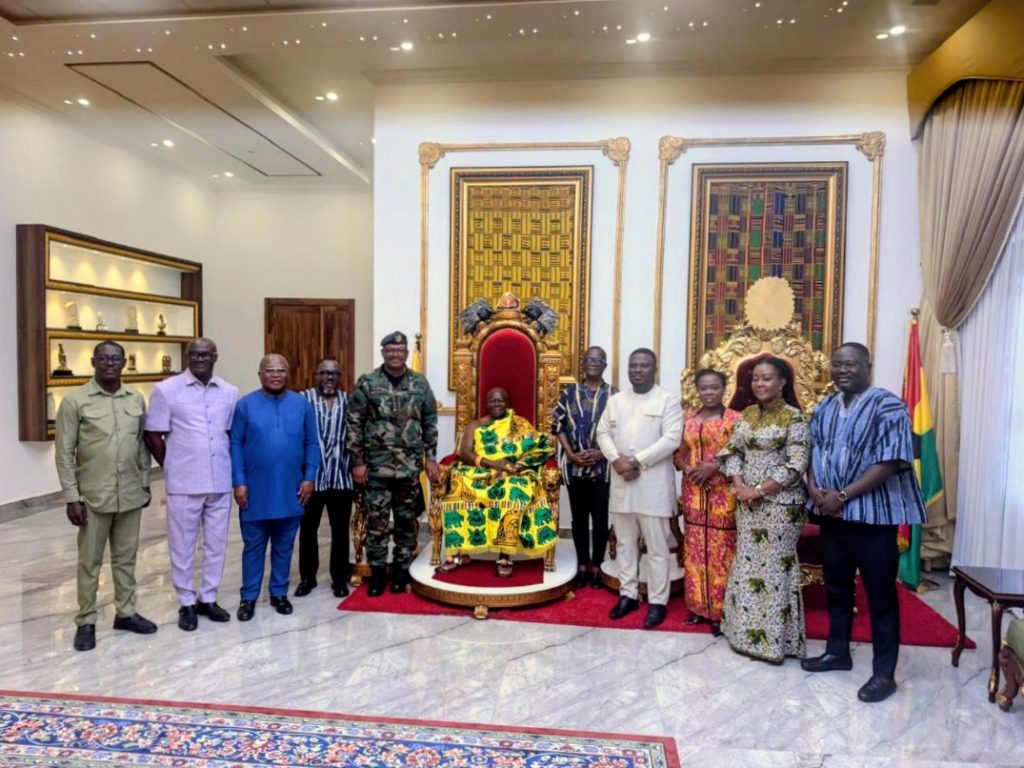 The delegation used the meeting to draw attention to the strategic importance of the project and appealed to Otumfuo to continue advocating for the necessary government support to ensure that at least the first phase of the project is completed and made operational.
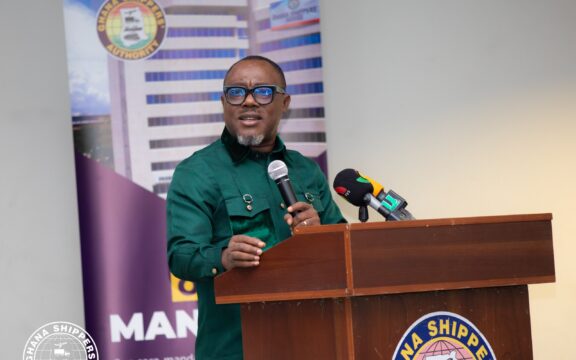
In his introductory remarks, the Chief Executive Officer of the Ghana Shippers’ Authority, Prof. Ransford Gyampo, introduced the Chairman and members of the Board and expressed appreciation to Otumfuo for granting the delegation an audience.
Prof. Gyampo appealed to the Asantehene to maintain his support for the project and continue pushing for the government to provide the necessary backing to bring the Boankra Project to fruition.
 He stressed the importance of completing at least the first phase of the project, which has long been regarded as a critical intervention for improving Ghana’s inland cargo movement and easing pressure on the country’s road transport network.
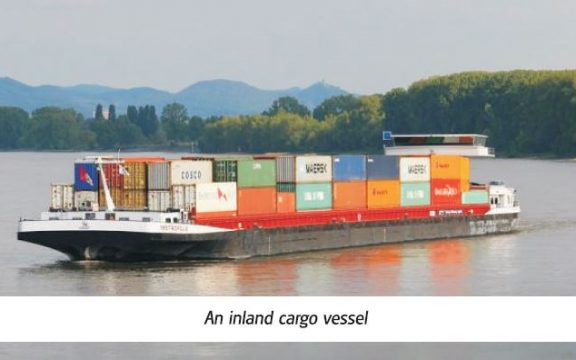
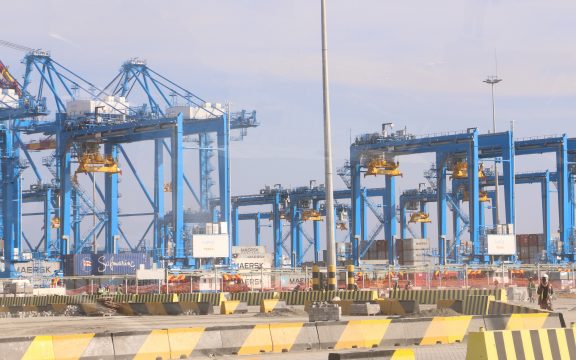
The Boankra Project, when fully operational, is expected to provide an important inland logistics platform for cargo movement, particularly for transit trade, while creating new opportunities for businesses along the logistics chain.
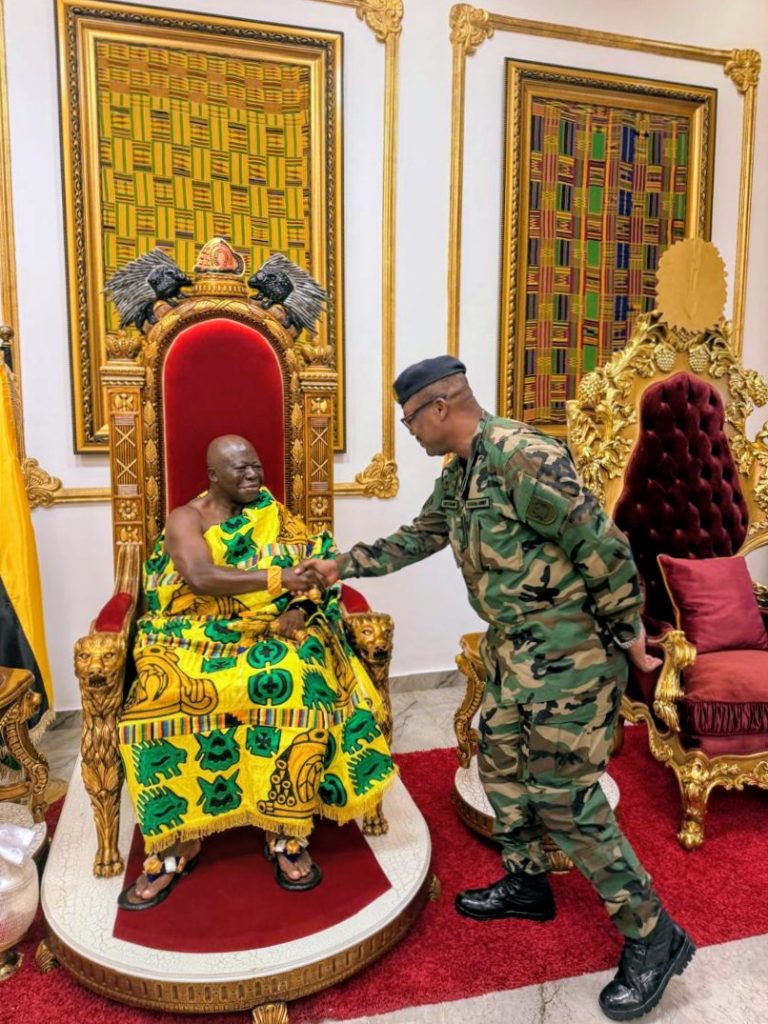
Responding to the appeal, Otumfuo Osei Tutu II welcomed the Governing Board and expressed appreciation for the visit. He called on the leadership and management of the Ghana Ports and Harbours Authority (GPHA) to revive earlier arrangements for supporting the Ghana Shippers’ Authority with critical funding for the completion of the project.
 The Asantehene warned that failure to provide the needed funding to complete the project could result in significant financial losses to the state, given the huge financial resources already committed to its development.
He proposed that the financial support from the GPHA could be structured into shares in the project and urged the leadership of the two institutions to engage and agree on an arrangement that would unlock the funding required to move the project forward.
Otumfuo also pledged to continue engaging the government on the project and advocate for the necessary clearance and directives to enable funds to be made available for its completion.
He expressed the hope that the project would be completed and commissioned sooner rather than later, stressing its potential to reduce pressure on Ghana’s road network, create employment and facilitate transit trade.
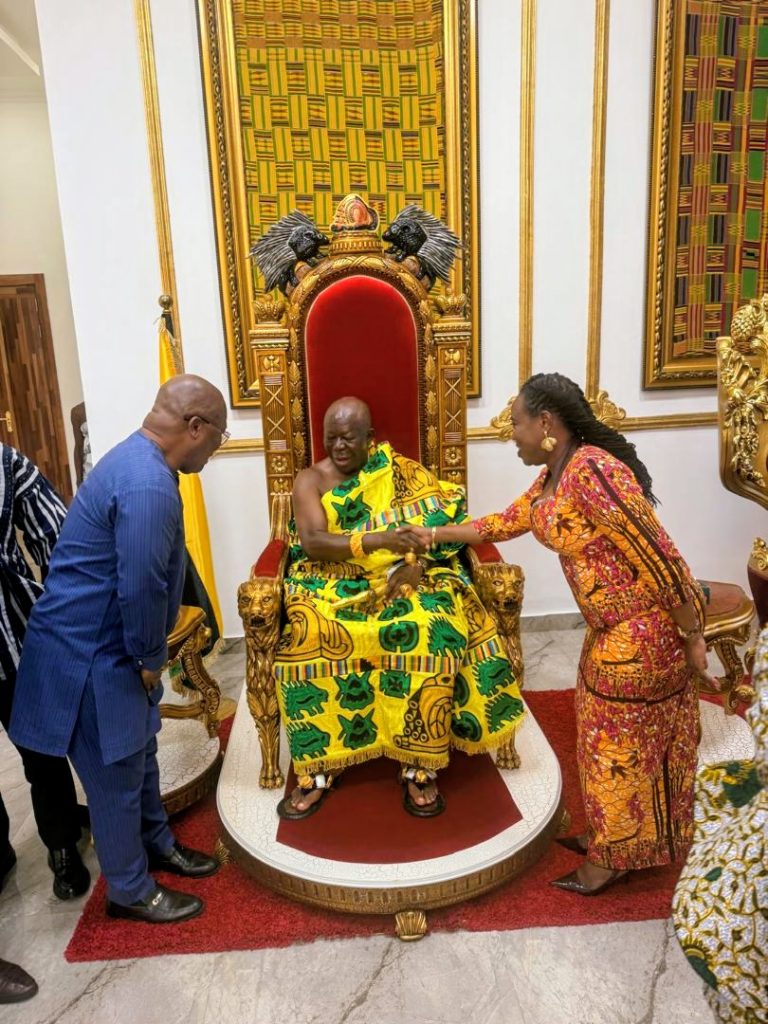 The Asantehene’s intervention brought into sharp focus the question that has followed the Boankra Project for years: how quickly can the infrastructure be moved from an ambitious logistics vision into an operating economic asset?
For the GSA, the answer lies not only in completing the physical infrastructure but also in securing the institutional and financial arrangements required to make the project commercially viable and fully operational.
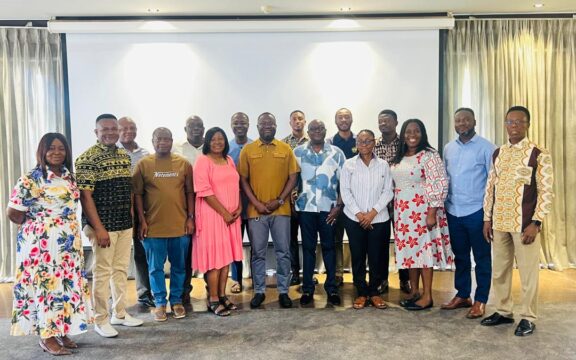
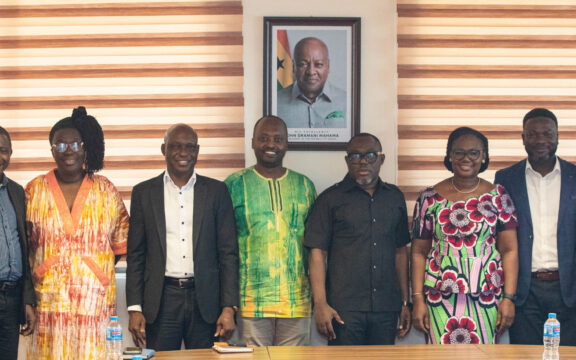
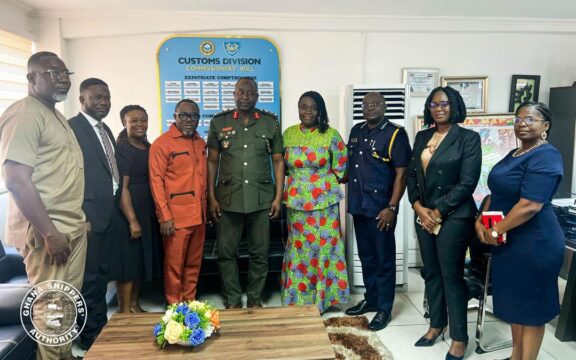
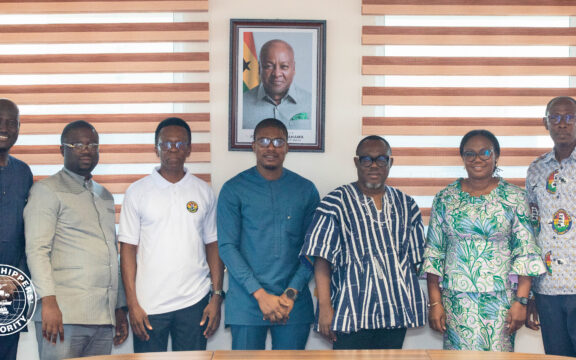
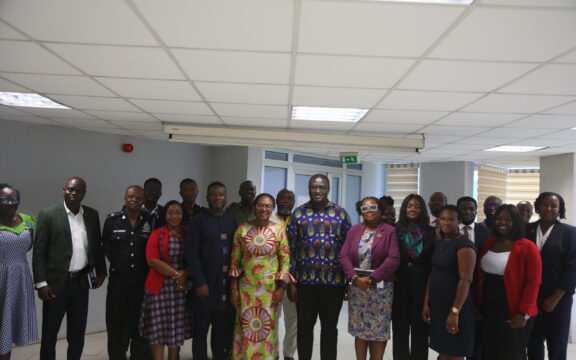
The Board’s delegation included Major General Paul Seidu Tanye Kulono, also Director General of the Ghana Ports and Harbours Authority; Hon. Awurabena Aubynn, Member of Parliament for Ablekuma North; Dr. Emelia Asiakwa, representing the Ghana Chamber of Commerce; Dr. Yaw Adu Gyamfi, representing the Association of Ghana Industries; Mr. Clement Boateng of the Ghana Union of Traders Association; Mr. Alex Mensah, representing the Ministry of Trade; and Mr. Nathaniel Wilson, representing the Ministry of Transport on the Board.
 Also present were members of GSA Management, including the Deputy Chief Executive in charge of Operations, Mr. Prince Henry Ankrah.
The engagement ended with a renewed commitment to pursue the partnerships, funding arrangements and government support required to advance the Boankra Project. For a project conceived to take cargo closer to the heart of the country, reduce pressure on roads and strengthen Ghana’s position as a transit trade hub, the expectation is clear: Boankra must move from promise to performance.