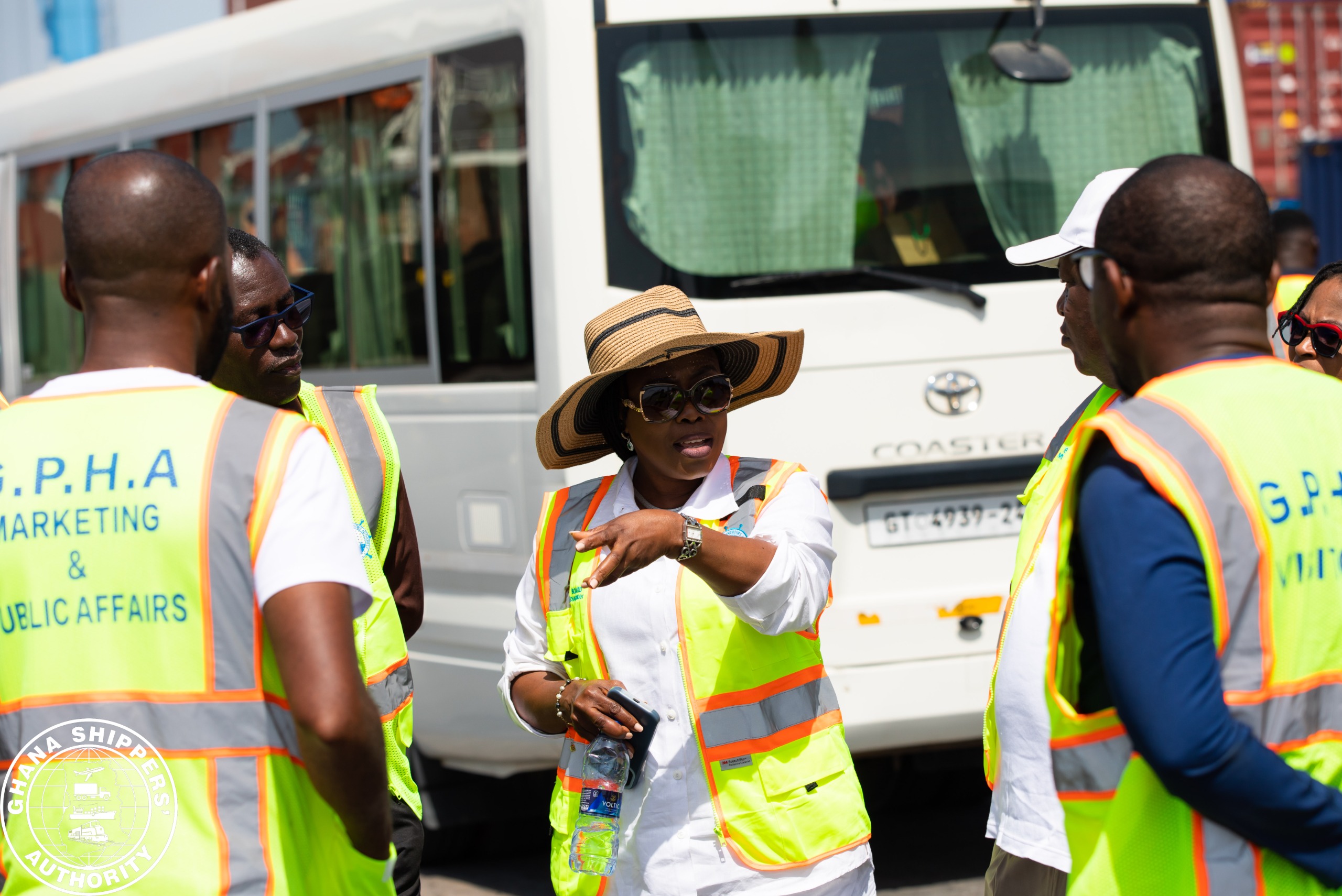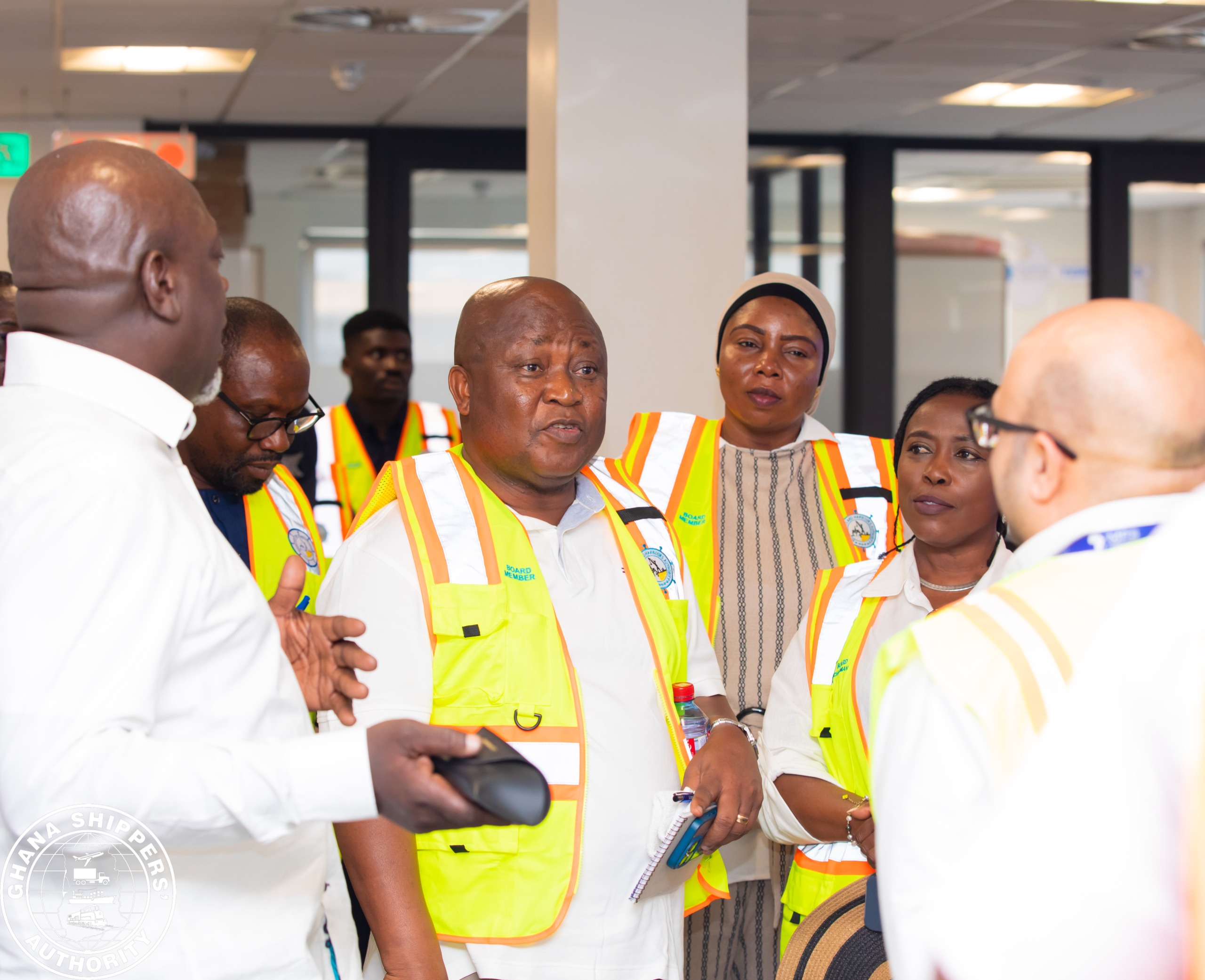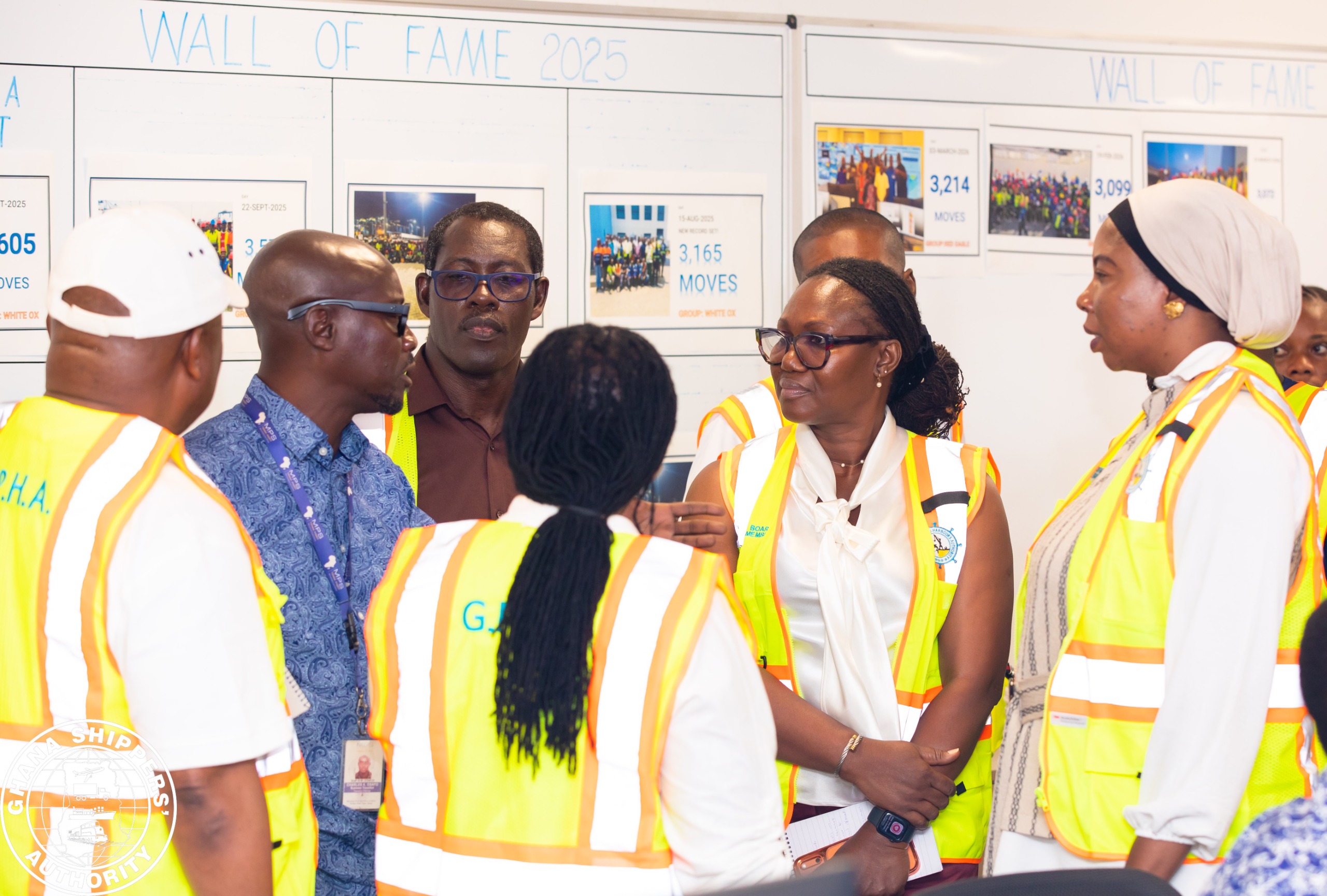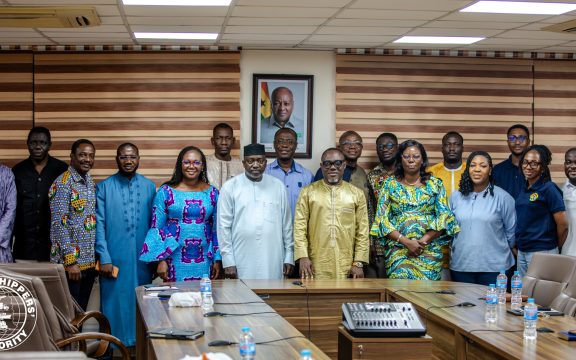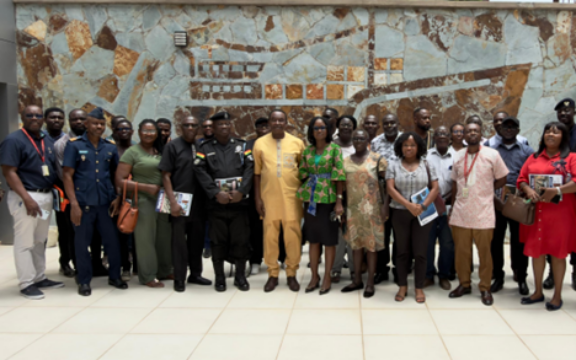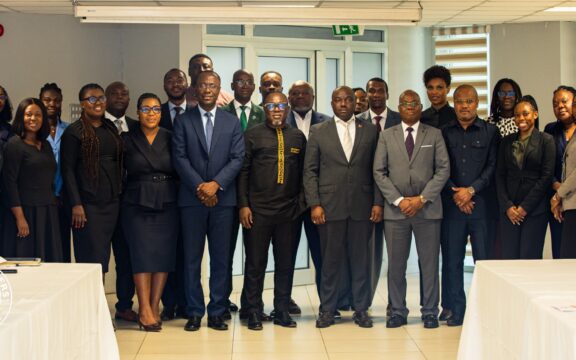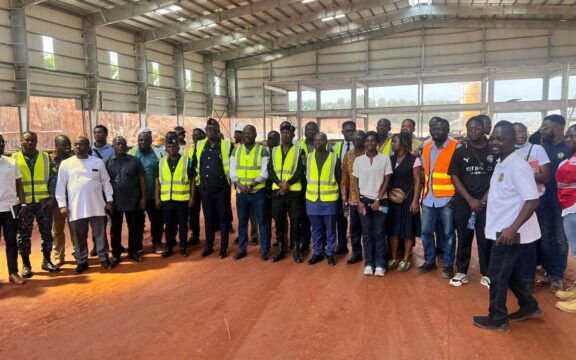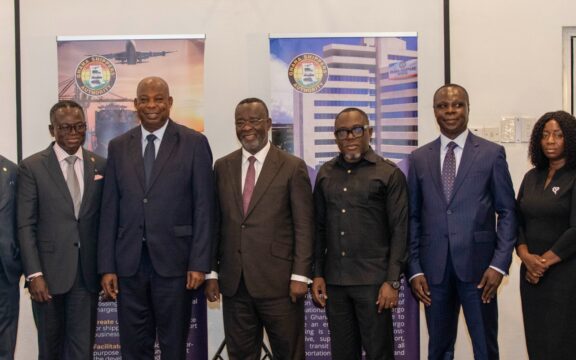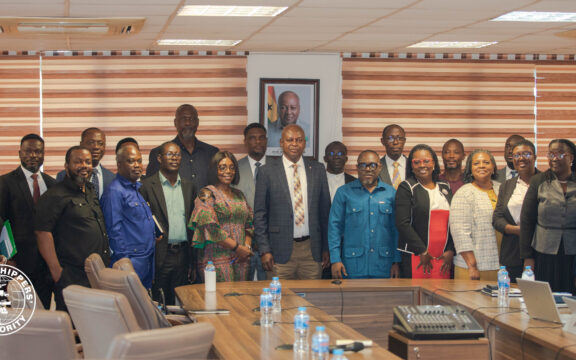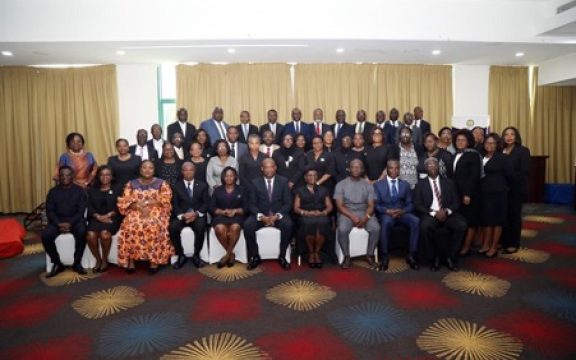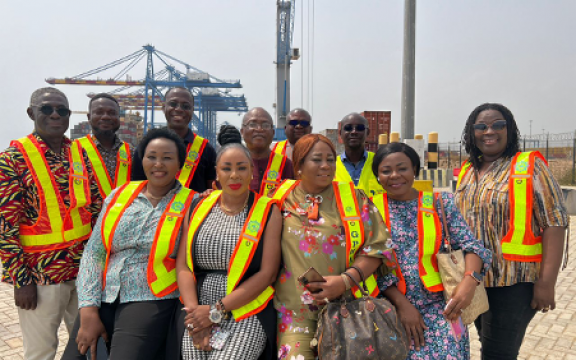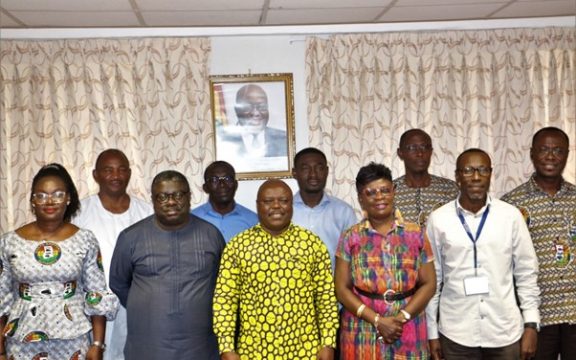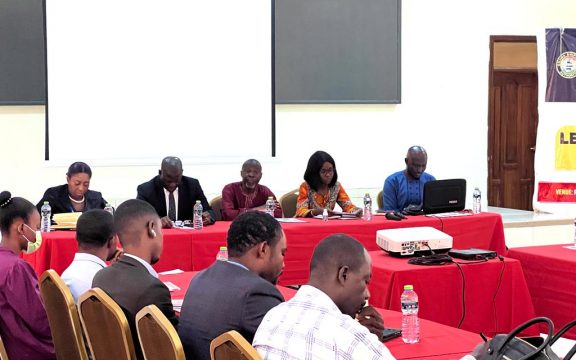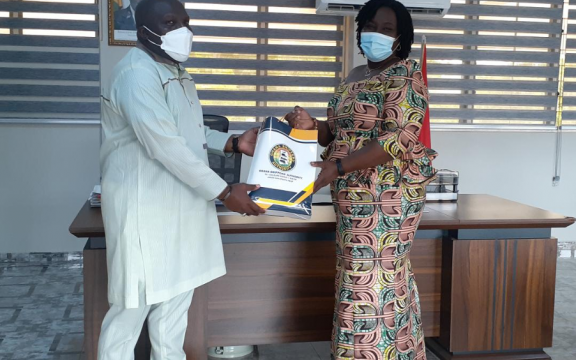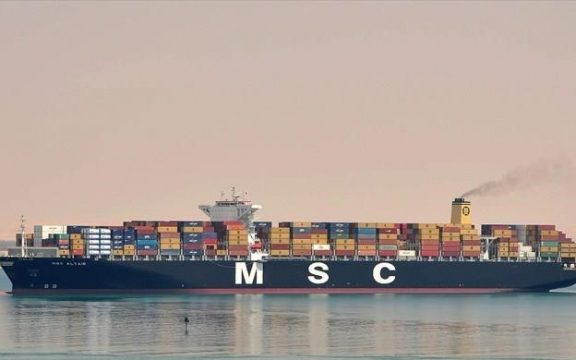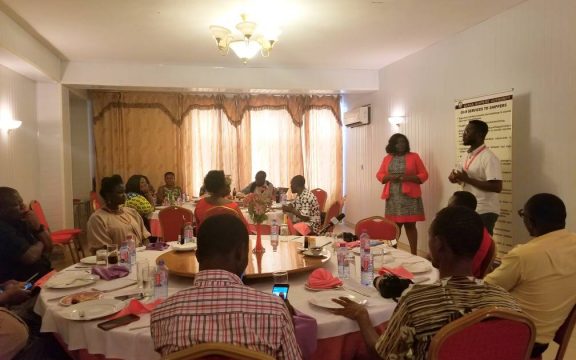

The Tema Port, Ghana’s main gateway for international trade, hosted members of the Governing Board of the Ghana Shippers’ Authority (GSA) on a study tour of the port to deepen their understanding of port operations and thereby strengthen policy oversight in the shipping and logistics sector.
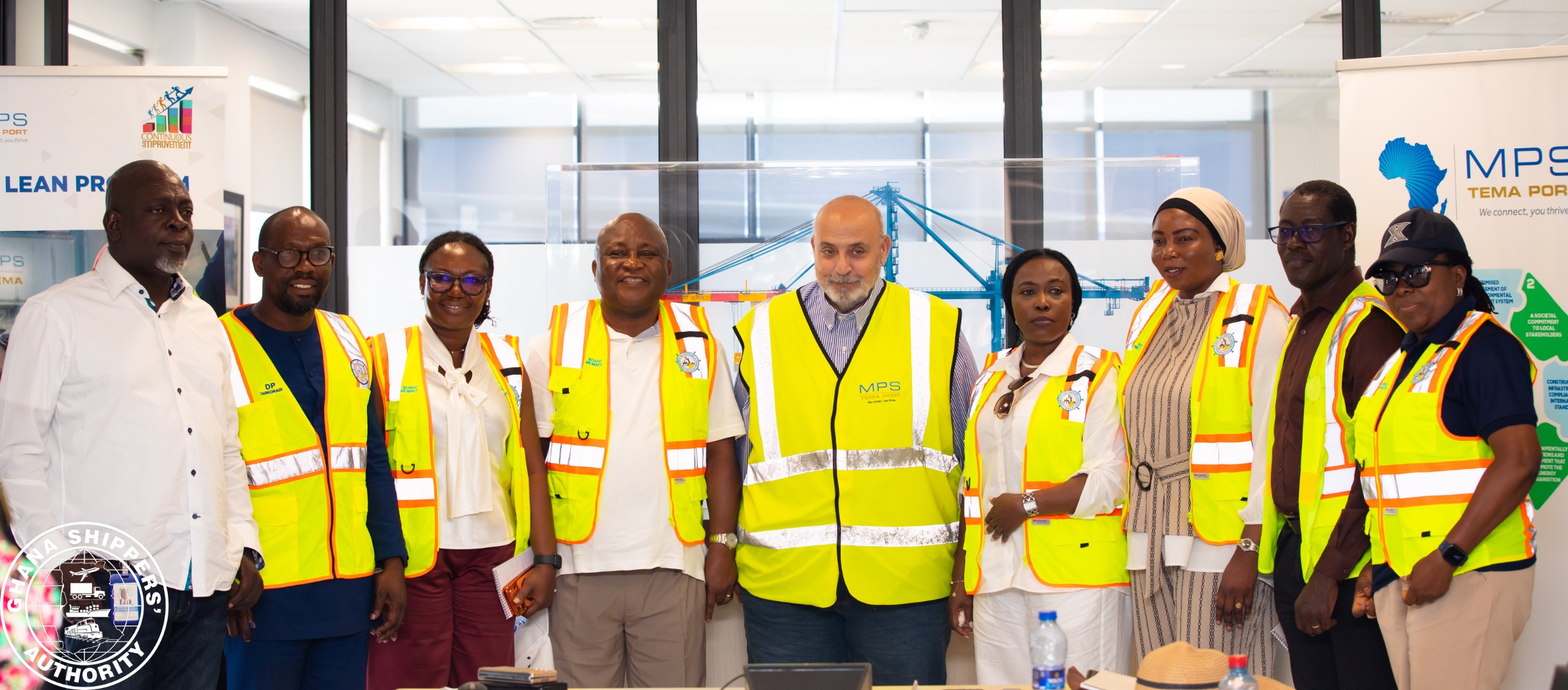 The visit, which took place on Thursday, 30th April 2026, formed part of the strategy to equip members of the Board with the practical workings of the country’s busiest seaport, where cargo movement, infrastructure and operational systems continue to shape the cost and pace of trade in Ghana.
Officials of the Port Authority led the members of the Board through key operational areas, including container terminals, bulk cargo handling zones and logistics support facilities. They were also taken through processes related to cargo handling, vessel turnaround and clearance procedures, as well as ongoing modernizationprojects aimed at improving efficiency in their 24-Hour operations.
 The Chief Executive Officer of Terminal 3, the Meridian Port Services (MPS), Mr Mohamed Samara, described the visit as timely, pointing to the recent arrival of three new cranes to further enhance operations at the Terminal. He explained that the additional equipment would strengthen cargo handling capacity and reduce turnaround time for vessels.
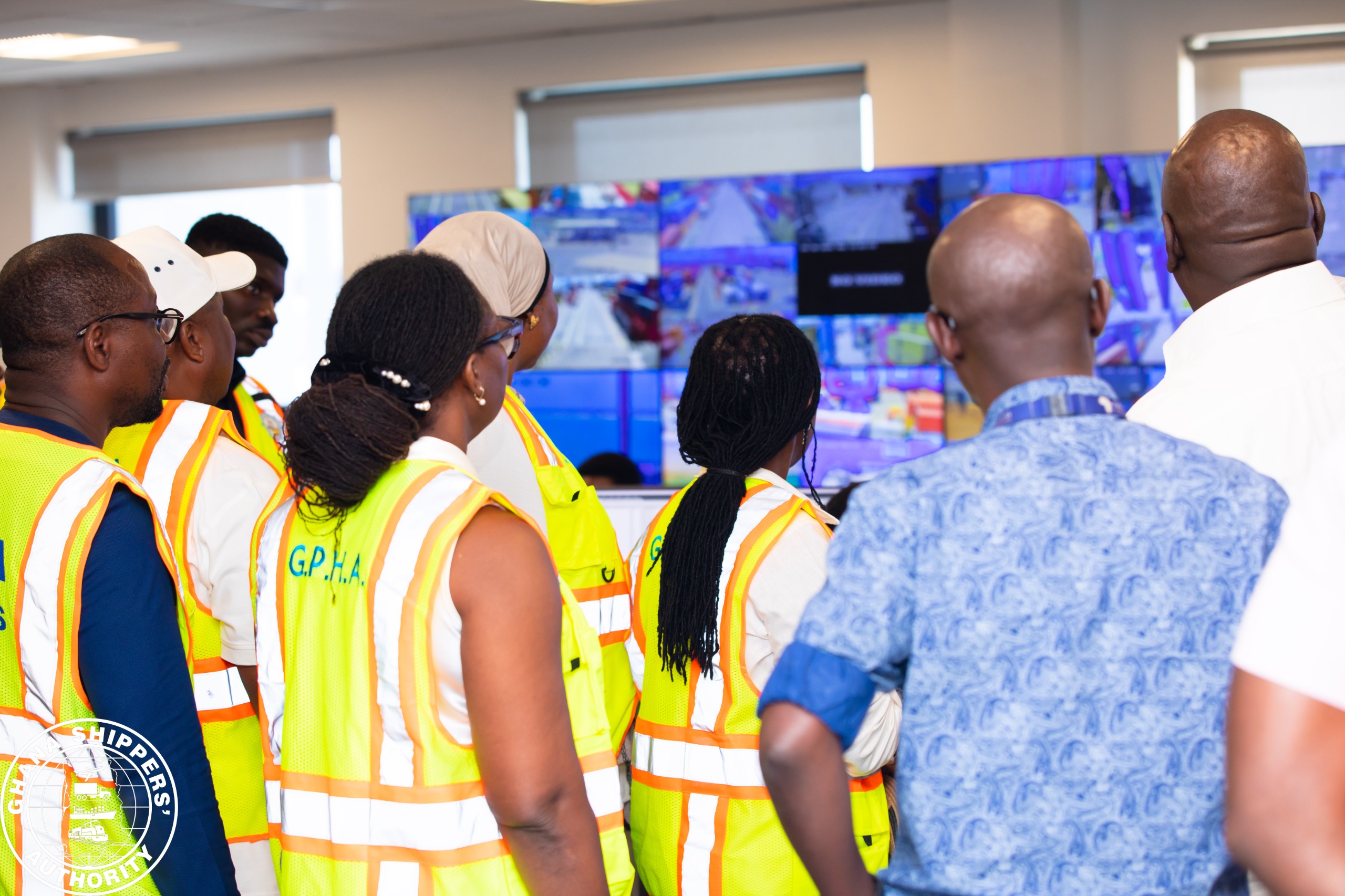 Mr. Samara traced the development of MPS, from inception till date and outlined measures being implemented to advance digital operations and expand transshipment activities. He noted that the company continues to invest in infrastructure, including an enhanced power plant and green initiatives to improve operational reliability.
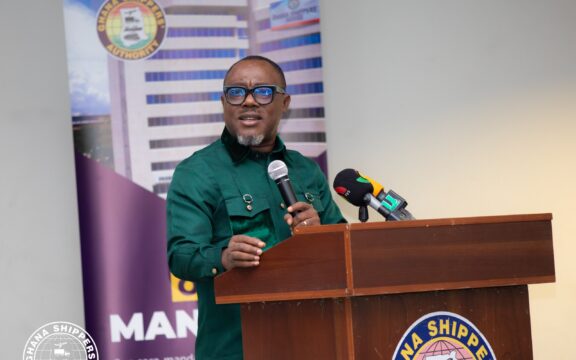
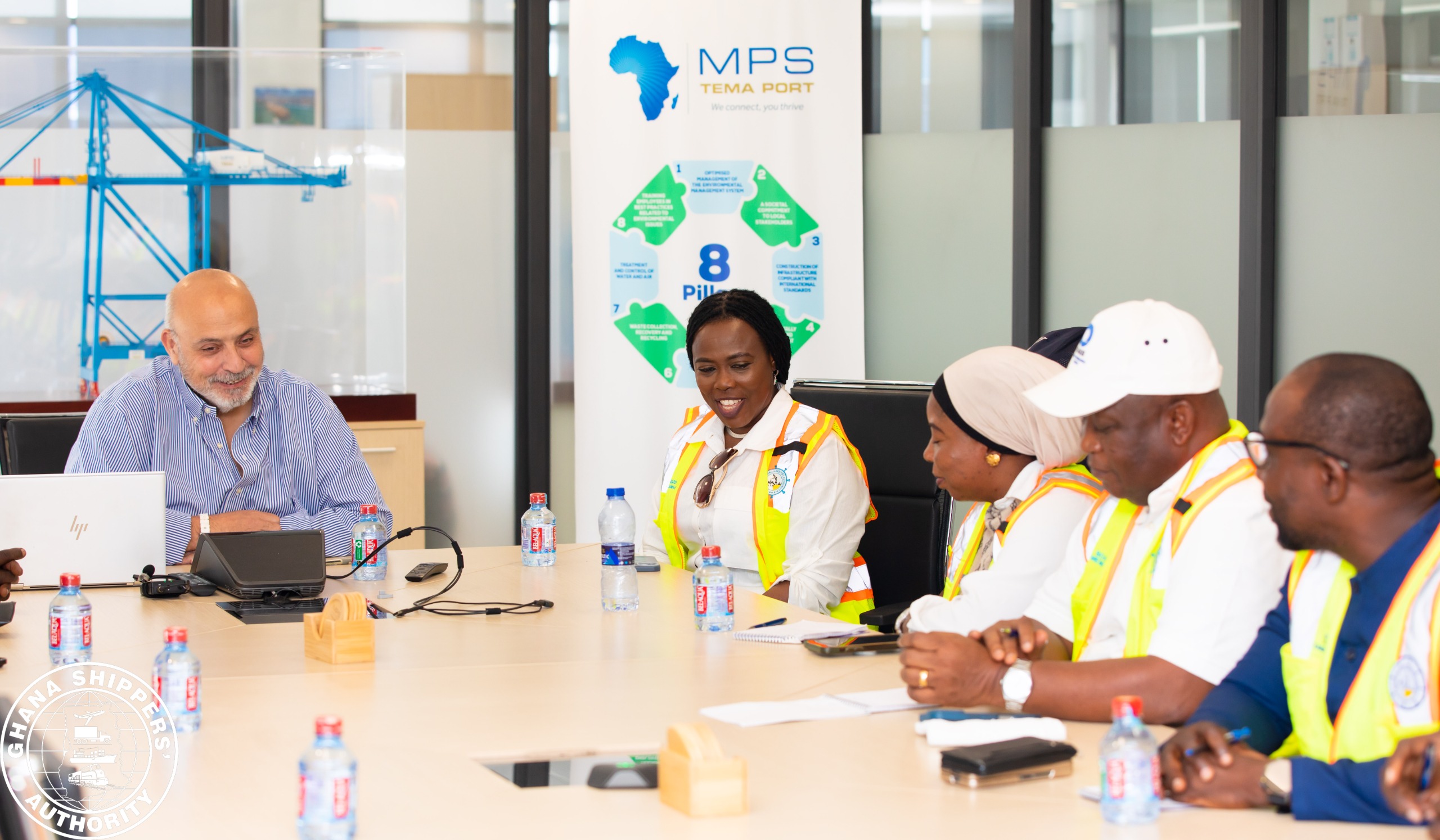
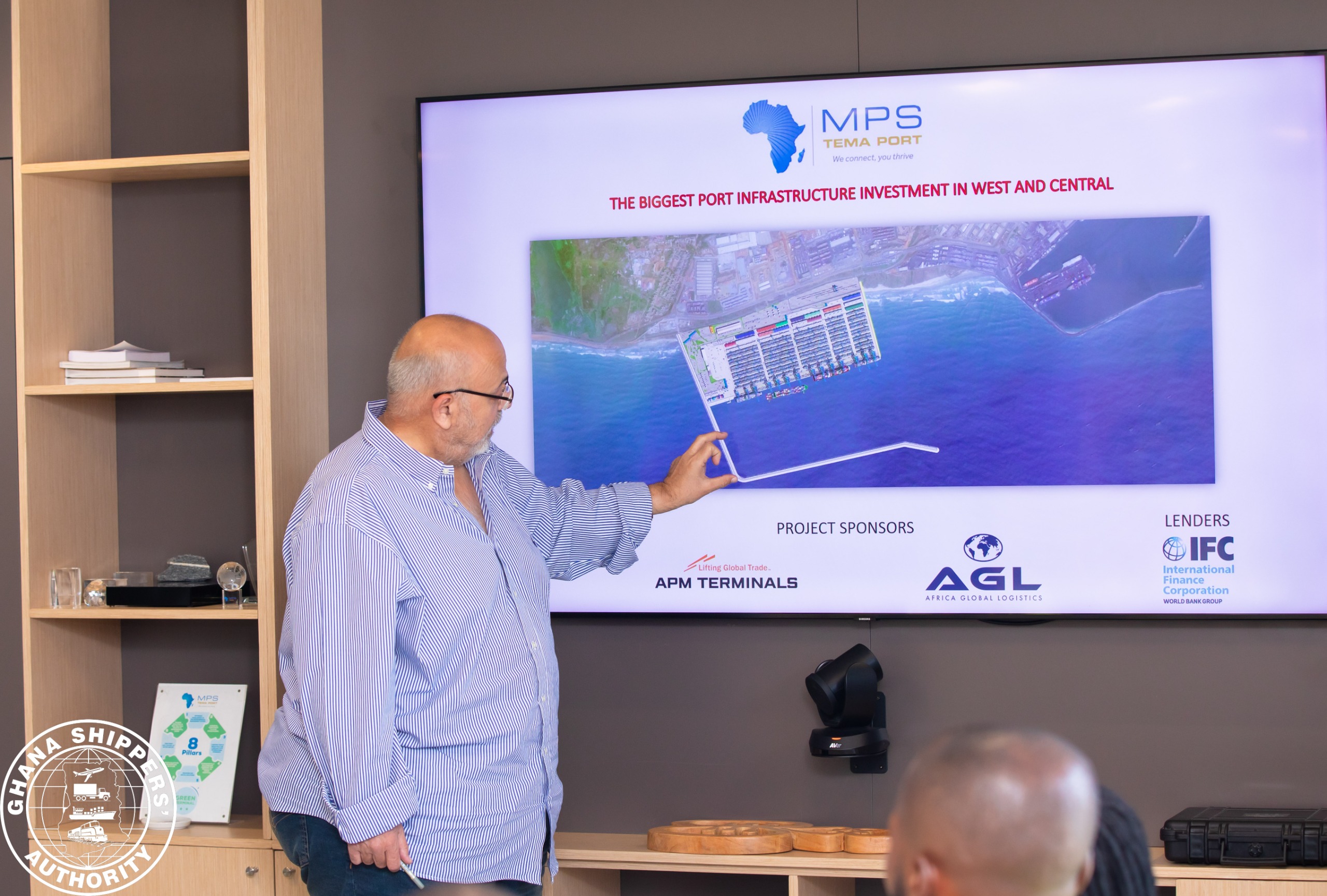 Mrs. Emelia Assiakwa, who led the GSA Board, stressed the importance of collaboration among stakeholders within the shipping sector. “A clear understanding of how the port operates is critical to improving efficiency and reducing the cost of doing business,” she said.
She added that strengthened cooperation among institutions would support Ghana’s ambition to position herself as a competitive trade hub within the West African subregion.
 Reacting to the firsthand experience of some of the everyday operational challenges that inform the concerns often raised by some stakeholders of the shipping and logistics sector, Mrs. Assiakwa assured that, “the insights gained from this visit will guide the Board in making decisions necessary for building a global standardinternational trade hub, while protecting the interests of all players in the sector.”
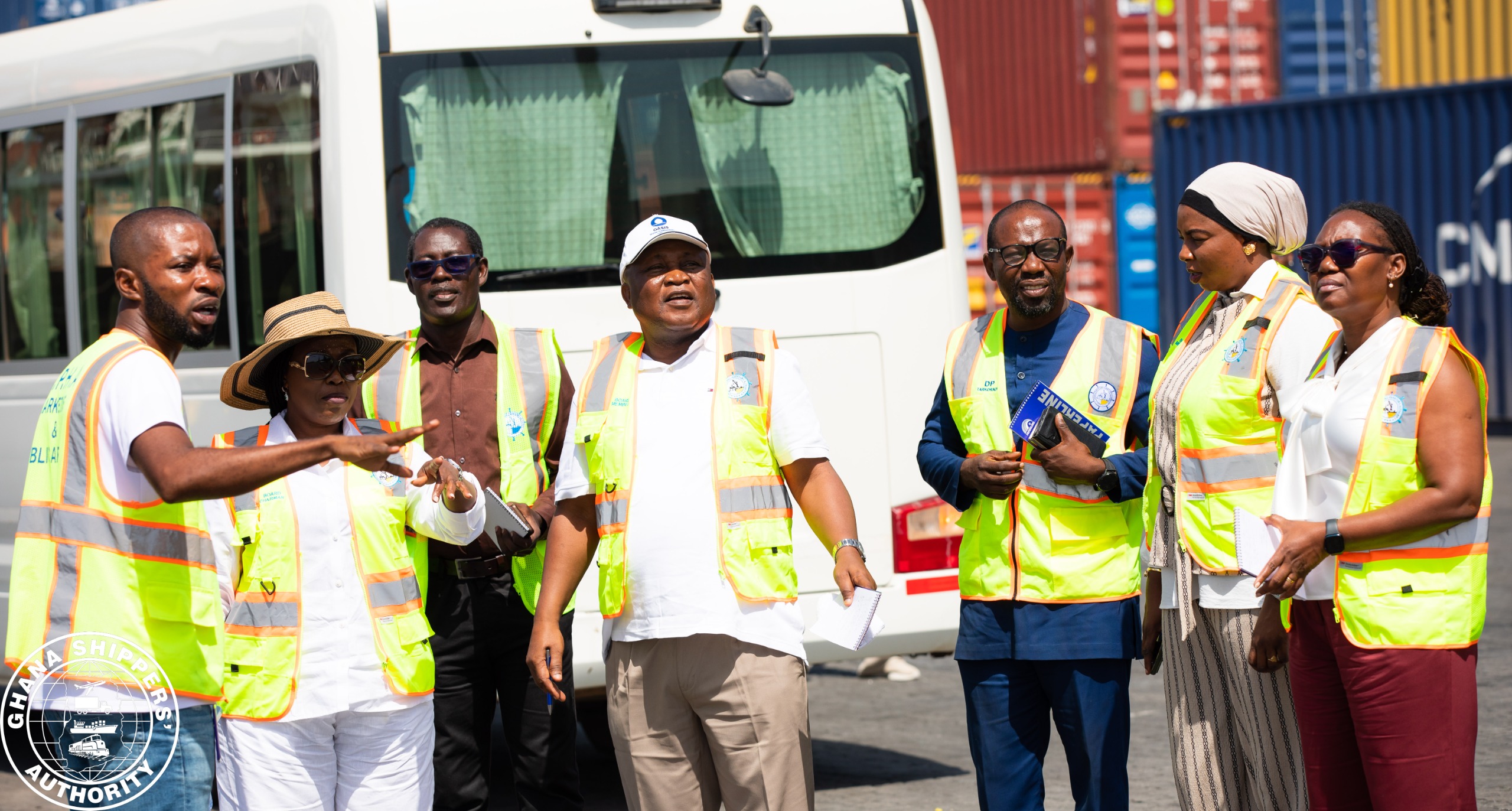 The study tour provided members of the Governing Board with a clearer appreciation of ongoing improvements and prevalent challenges within the Port system. The perspective gained is expected to informstrategies and consequent interventions that will enhance efficiency to strengthen Ghana’s role in international trade.