

The Eastern Zonal Office of the Ghana Shippers’ Authority (GSA) convened its First Quarter Stakeholder and Shipper Committee Meetings in Aflao and Koforidua on 17th and 26th March 2026, respectively, bringing together key actors within the trade and logistics value chain to deliberate on challenges affecting the Eastern Trade Corridor.
The meetings served as an important platform for dialogue, knowledge sharing, and the development of practical strategies aimed at improving trade facilitation and operational efficiency along the corridor. Participants included representatives from the Ghana Revenue Authority (GRA), Freight Forwarders, Transport Operators, the Ghana Police Service, and other regulatory bodies.
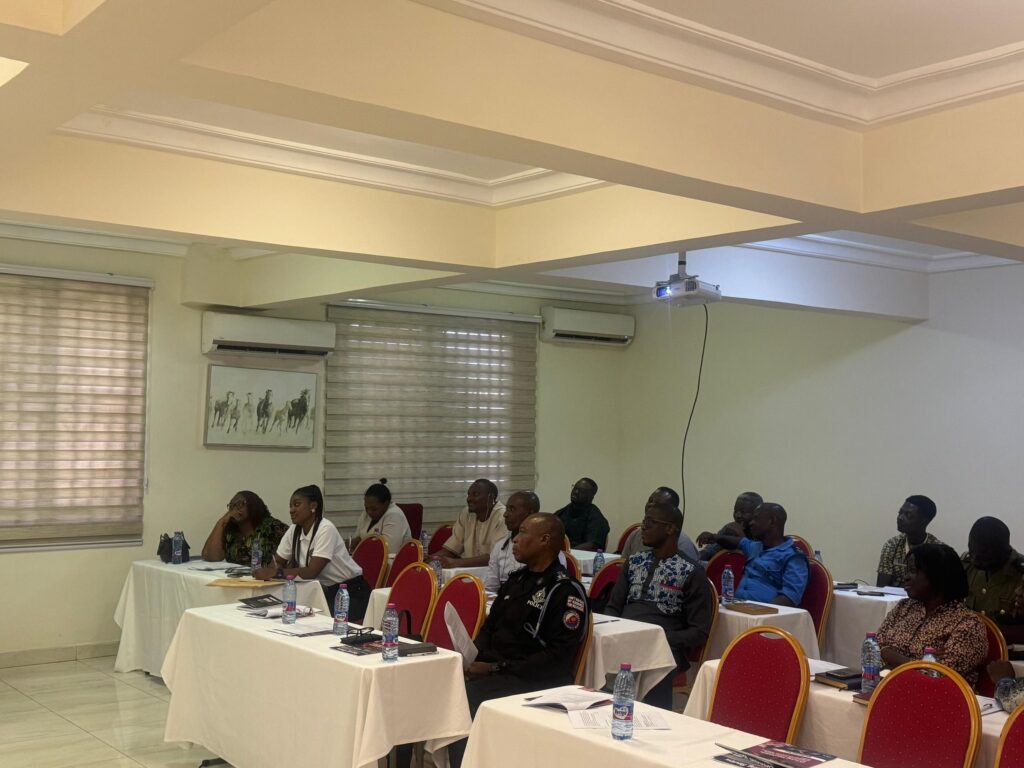 In his welcome address, the Eastern Zonal Manager, Mr. Charles Sey, underscored the strategic importance of the Eastern Corridor as a critical trade route linking inland markets to Ghana’s seaports and neighbouring countries. While acknowledging its significance, he noted that the corridor continues to operate below its full potential due to persistent operational and regulatory constraints.
He emphasized that the corridor is not only a conduit for the movement of goods but also a channel for economic opportunity, and therefore requires sustained attention to unlock its full value. He further highlighted that ongoing inefficiencies remain a matter of concern for stakeholders committed to enhancing trade competitiveness and economic growth.
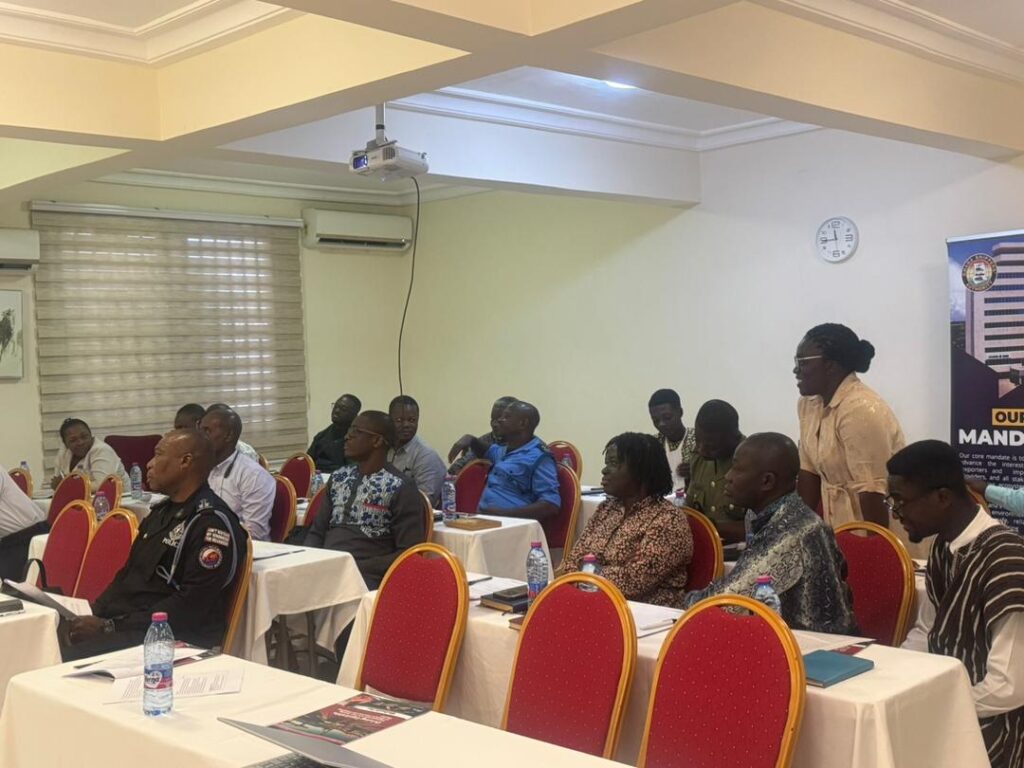 Key issues raised during the engagements included delays at border crossing points, the proliferation of checkpoints along the corridor, and inconsistencies in the application of customs procedures. These challenges, participants noted, undermine predictability and efficiency, thereby affecting the reliability of the corridor for traders.
Shippers also expressed concern over the high cost of transportation, which is exacerbated by unofficial charges and administrative bottlenecks. These factors continue to increase the cost of doing business and reduce Ghana’s competitiveness within the international trading environment.
Infrastructure deficits along sections of the corridor were also highlighted as a major constraint. Poor road conditions, inadequate parking and rest facilities for drivers, and limited street lighting were identified as contributing to operational delays, safety concerns, and increased vehicle maintenance costs.
On the issue of digitalisation, stakeholders pointed to existing gaps in information sharing among border agencies. They stressed the need for greater integration of electronic systems to streamline documentation processes, reduce manual interventions, and facilitate faster cargo clearance.
In response to the concerns raised, participants proposed a number of measures aimed at improving efficiency along the corridor including the harmonisation of customs procedures across borders, the reduction of checkpoints, and stricter enforcement against illegal charges imposed on transporters and traders.
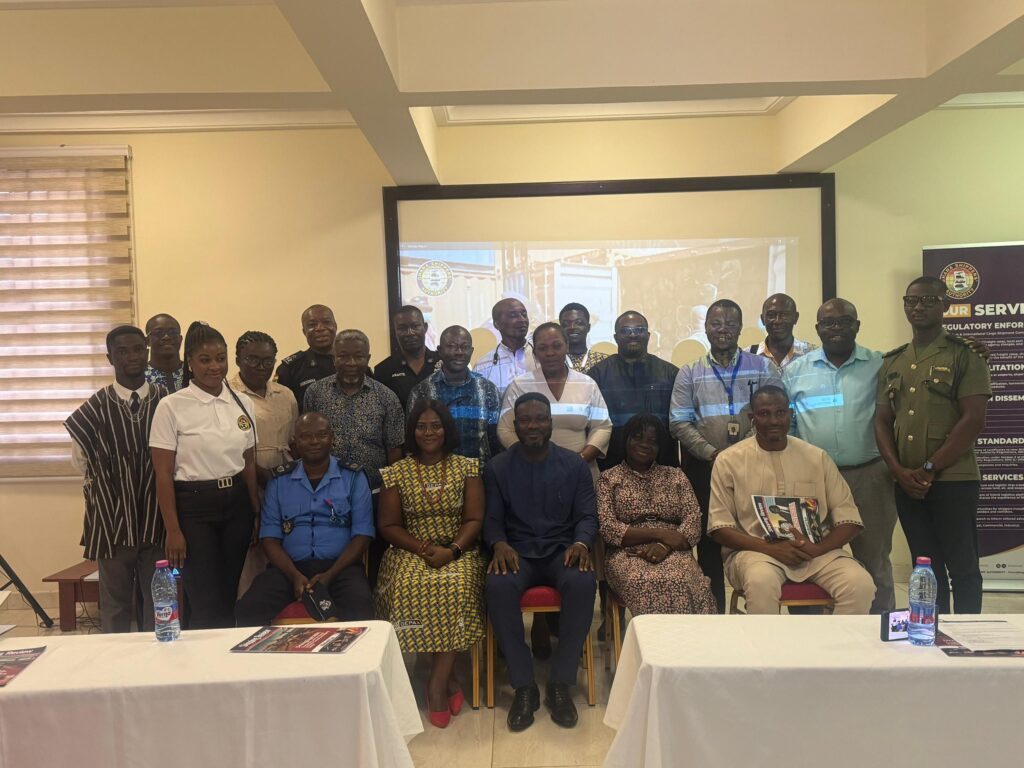 Mr. Sey reiterated the importance of consistency and discipline within regulatory systems, noting that without coordinated implementation and adherence to established procedures, policy interventions would yield limited results.
The meetings also underscored the need for increased investment in infrastructure development and maintenance, including the establishment of dedicated truck parks. Such interventions were identified as critical to enhancing safety, improving operational efficiency, and strengthening the overall reliability of the Eastern Trade Corridor.